Can Air Purifiers Cause Mold? Essential Guide Revealed

Yes, air purifiers can potentially contribute to mold growth if not properly maintained, primarily due to moisture buildup in their filters and internal components. This guide reveals how to prevent this and ensure your air purifier actually improves your air quality.
It’s a concerning thought: could the very device meant to purify your air actually be creating a hidden problem like mold? Many people worry about this, especially if they’ve encountered mold in their homes before. The good news is that while it’s a possibility, it’s largely preventable with the right knowledge and care. I’m here to walk you through exactly how air purifiers work, how they might become a breeding ground for mold, and most importantly, how to ensure yours remains a tool for clean, healthy air.
The Link Between Air Purifiers and Mold: Understanding the Mechanism
Air purifiers themselves do not create mold. However, certain conditions within their operation can inadvertently foster mold growth. This typically involves the accumulation of moisture and organic matter, which are the essential ingredients for mold to thrive.
How Moisture Becomes a Problem
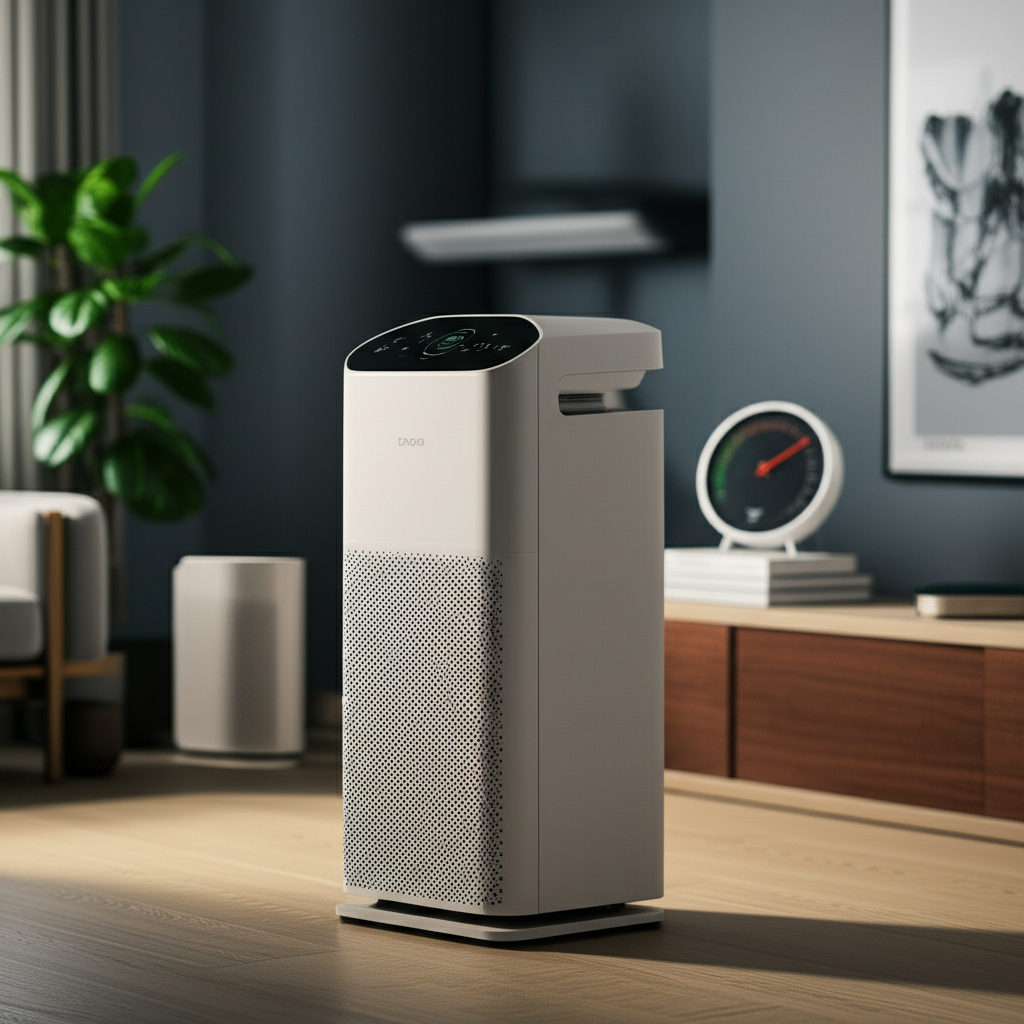
Air purifiers often work by drawing in air, passing it through filters, and releasing cleaner air. This process can sometimes lead to condensation inside the unit, especially in humid environments or if the purifier is used in a very damp room. This trapped moisture is the first step towards a potential mold issue.
The Role of Filters in Mold Growth
The filters in an air purifier are designed to trap particles like dust, pollen, and even mold spores. While effective, when these filters become saturated with moisture and organic debris, they can transform into a nutrient-rich environment perfect for mold. This is why regular filter maintenance is absolutely critical.
Factors That Increase the Risk of Mold in Air Purifiers
Several environmental and usage factors can elevate the risk of mold developing within your air purifier. Understanding these is key to proactive prevention and ensuring your device continues to benefit your home’s air quality.
High Humidity Environments
Using an air purifier in a room that is already very humid, such as a bathroom or a basement prone to dampness, significantly increases the chance of condensation forming inside the unit. This excess moisture provides a fertile ground for mold spores that may have entered the purifier.
Clogged or Dirty Filters
When filters are not replaced or cleaned according to the manufacturer’s recommendations, they become clogged with trapped particles. This not only reduces the purifier’s efficiency but also traps moisture within the dense material, creating an ideal breeding ground for mold.
Infrequent Cleaning and Maintenance
Beyond filter changes, the internal components of an air purifier can accumulate dust and moisture over time. If the unit is not regularly cleaned, this buildup can become a source of mold growth, especially in areas that are difficult to reach.
Using the Wrong Type of Air Purifier
Some air purifiers are better suited for certain environments than others. For instance, a unit designed for dry climates might struggle with moisture in a humid space, potentially leading to internal condensation and subsequent mold issues. Always choose a purifier appropriate for your home’s conditions.
Signs Your Air Purifier Might Be Developing Mold
Catching mold early is crucial to prevent its spread and to ensure your air purifier is functioning as intended. Fortunately, there are several tell-tale signs that can alert you to a potential problem within your unit.
Musty or Damp Odors
The most common indicator of mold is a persistent musty or damp smell emanating from the air purifier. This odor is the result of mold releasing spores into the air, and it often becomes more noticeable when the unit is running.
Visible Mold Growth
While less common, you might be able to see visible signs of mold growth on the exterior or interior parts of the air purifier. This could appear as discolored patches, often black, green, or white, on the filter or within the unit’s casing.
Reduced Airflow or Performance
A mold-infested filter can become severely blocked, leading to a noticeable decrease in the amount of air the purifier is able to draw in and expel. If your unit seems to be working harder but producing less airflow, mold could be the culprit.
Allergic Reactions or Respiratory Symptoms
If you or your family members start experiencing new or worsening allergy symptoms, such as sneezing, coughing, itchy eyes, or difficulty breathing, especially when the air purifier is on, it could be a sign that the unit is releasing mold spores.
Preventing Mold Growth in Your Air Purifier: A Step-by-Step Approach
Preventing mold in your air purifier is straightforward if you follow a consistent maintenance routine. These steps will ensure your device continues to be a beneficial addition to your home, rather than a source of concern.
1. Choose the Right Air Purifier for Your Space
Select an air purifier designed for the humidity levels and size of the room you intend to use it in. Units with features like dehumidifiers or those specifically designed for high-moisture areas can be beneficial. Research brands like Coway, Blueair, and Levoit, known for their effective filtration systems.
2. Monitor and Control Room Humidity
Aim to keep indoor humidity levels between 30% and 50%. Use a dehumidifier in excessively damp rooms and ensure good ventilation to prevent moisture buildup, which can affect both your home and your air purifier.
3. Adhere to Filter Replacement Schedules
This is paramount. Check your air purifier’s manual for the recommended replacement frequency for each filter type (pre-filter, HEPA, activated carbon). Mark your calendar or set reminders to ensure timely replacement.
4. Regularly Clean Your Air Purifier
Beyond filter replacement, clean the exterior and accessible interior parts of your air purifier every 1-3 months. Use a dry or slightly damp cloth and a vacuum cleaner with a brush attachment for the intake grilles. Always unplug the unit before cleaning.
5. Dry Filters Properly if Washed
If your air purifier has washable pre-filters, ensure they are completely dry before reinserting them. Even a small amount of residual moisture can lead to mold growth. Air drying them thoroughly is essential.
6. Position Your Air Purifier Correctly
Avoid placing your air purifier directly against walls or in enclosed spaces where airflow might be restricted. Ensure there’s adequate space around the unit for proper air circulation, which helps prevent moisture from accumulating internally.
Understanding Different Air Purifier Filter Types and Mold Prevention
The type of filters your air purifier uses can influence how susceptible it is to mold growth and how you should maintain it. Each filter plays a role, and understanding their characteristics is key to effective mold prevention.
HEPA Filters
High-Efficiency Particulate Air (HEPA) filters are designed to capture 99.97% of airborne particles down to 0.3 microns. While excellent at trapping mold spores, they can become breeding grounds if they get damp and aren’t replaced.
Activated Carbon Filters
These filters absorb odors and volatile organic compounds (VOCs). They are porous and can absorb moisture, making them potentially susceptible to mold if the unit is consistently damp and they aren’t replaced as recommended.
Pre-filters
Often washable, pre-filters capture larger particles like dust and pet hair. If not cleaned and thoroughly dried, the trapped organic matter and residual moisture can quickly lead to mold.
Ionizers and UV-C Lights
Some air purifiers use ionizers or UV-C lights to kill airborne pathogens. While these features can help kill mold spores, they don’t eliminate the risk of moisture-related mold growth within the unit itself if other conditions are met.
When to Consider Professional Cleaning or Replacement
Even with diligent home maintenance, there might be times when professional intervention is necessary. Recognizing these situations can save you from prolonged exposure to mold and ensure your air purifier remains effective.
Persistent Odors After Maintenance
If you’ve replaced filters and cleaned the unit thoroughly, but the musty smell persists, it might indicate mold growth in areas you can’t access. This warrants a professional assessment.
Visible Mold on Internal Components
If, during cleaning, you spot mold on internal parts that you cannot safely or effectively clean yourself, it’s time to call a professional or consider replacing the unit. Attempting to clean deep internal mold can be hazardous.
Older Units with Frequent Issues
If your air purifier is several years old and you’re consistently facing issues like mold or reduced performance despite regular maintenance, it might be more cost-effective and healthier to invest in a new, more efficient model.
The Impact of Moldy Air Purifiers on Your Health
A moldy air purifier doesn’t just fail at its job; it actively harms your indoor environment and your health. It’s crucial to understand the risks associated with breathing air that has passed through a contaminated unit.
Exacerbation of Allergies and Asthma
Mold spores are potent allergens and irritants. An air purifier spreading these spores can significantly worsen symptoms for individuals with allergies, asthma, or other respiratory conditions, leading to more frequent and severe attacks.
Introduction of Mycotoxins
Certain types of mold produce mycotoxins, which are harmful compounds that can cause a range of health problems, including neurological issues, immune system suppression, and chronic respiratory infections. A contaminated air purifier can distribute these toxins throughout your home.
General Health Concerns
Even for individuals without pre-existing conditions, exposure to mold can cause headaches, fatigue, skin irritation, and a general feeling of being unwell. The air in your home should be a source of health, not a detriment.
Can a Dehumidifier Help Prevent Mold in Air Purifiers?
Yes, a dehumidifier can play a crucial role in preventing mold within an air purifier, especially in humid climates or damp rooms. By controlling the overall humidity of the environment, it reduces the likelihood of condensation forming inside the air purifier.
Reducing Ambient Moisture
Dehumidifiers work by removing excess moisture from the air. This creates a drier environment, making it less conducive for condensation to form on the internal components of your air purifier and on its filters.
Synergistic Effect with Air Purifiers
When used together, a dehumidifier and an air purifier can create a healthier indoor environment. The dehumidifier tackles excess moisture, while the air purifier removes airborne particles and allergens, including mold spores. This combination is particularly effective for preventing mold issues.
Choosing the Right Air Purifier: Key Features to Combat Mold
When shopping for an air purifier, look for features that specifically help prevent mold and maintain optimal performance, especially if you live in a humid area or have experienced mold problems before.
Washable Pre-filters
These capture large particles and can be washed and dried, offering a reusable first line of defense. Ensuring they are completely dry after washing is key.
Robust Filtration Systems
Opt for models with multi-stage filtration, including a true HEPA filter and an activated carbon filter, to effectively capture mold spores and odors.
Built-in Hygrometer/Humidity Sensors
Some advanced models have sensors that monitor humidity levels and adjust operation accordingly, helping to manage moisture.
Energy Efficiency and Quiet Operation
While not directly related to mold, choosing an energy-efficient and quiet model encourages consistent use, which is vital for maintaining air quality. Brands like Winix and Honeywell often offer these features.
Durable Construction
A well-built unit with easy access to filters and internal components will make maintenance simpler and more effective.
Frequently Asked Questions about Air Purifiers and Mold
Here are answers to some common questions about air purifiers and their potential to cause mold.
Can air purifiers with humidifiers cause mold?
Yes, air purifiers that also function as humidifiers can potentially cause mold if the water reservoir is not kept clean and dry, or if the unit is operated in an already very humid environment. Regular cleaning and proper usage are essential.
Is it safe to run an air purifier in a bathroom?
It’s generally not recommended to run a standard air purifier in a bathroom due to high humidity, which can lead to condensation and mold growth within the unit. If you must use one, opt for a model designed for bathrooms or ensure excellent ventilation and frequent maintenance.
How often should I check my air purifier for mold?
You should visually inspect your air purifier’s filters and accessible parts during regular cleaning, typically every 1-3 months. Pay close attention if you notice any musty odors.
What should I do if I suspect my air purifier has mold?
Immediately unplug the unit and stop using it. Carefully inspect the filters and accessible interior parts. If you find mold, replace the filters and clean the unit thoroughly with a mold cleaner. If mold is extensive or in hard-to-reach areas, consider professional cleaning or replacement.
Can a faulty air purifier cause mold in my house?
A faulty air purifier itself won’t directly cause mold to grow on your walls or furniture. However, if it’s malfunctioning in a way that creates excessive internal moisture or fails to filter spores, it can contribute to mold growth within the unit, which can then spread spores.
Are ozone-generating air purifiers safe regarding mold?
Ozone generators are generally not recommended for home use as ozone can be harmful to respiratory health. While they might kill mold spores, they don’t address the underlying moisture issue and can create their own health risks. Stick to HEPA-based purifiers.
Conclusion: Keeping Your Air Purifier Mold-Free for Healthier Air
The question “can air purifiers cause mold” has a nuanced answer. While air purifiers are not inherently mold-inducing, improper maintenance, high humidity, and clogged filters can indeed create an environment where mold thrives within the unit. By diligently following a routine of regular filter replacement, cleaning, and monitoring humidity levels, you can effectively prevent mold from becoming an issue. Your air purifier should be a partner in creating a healthy home, and with this essential guide, you now have the knowledge to ensure it remains just that. Keep your filters fresh, your unit clean, and your air pure.