
Best Air Purifier For Benzene: Proven Health Essential

Best Air Purifier for Benzene: A Proven Health Essential for Your Home
Discover the best air purifier for benzene, a crucial step in safeguarding your home’s air quality and your family’s health. Benzene is a common indoor pollutant, but effective air purification solutions exist to mitigate its risks.
Breathing clean air is fundamental to our well-being, yet invisible threats like benzene can lurk in our homes. Benzene, a volatile organic compound (VOC) often found in paints, plastics, and even tobacco smoke, poses significant health risks. Finding the right air purifier can feel overwhelming with so many options available. This guide will walk you through everything you need to know to select the best air purifier for benzene, ensuring a healthier living environment for you and your loved ones. We’ll explore what makes an air purifier effective against benzene and highlight top choices.
Understanding Benzene and Its Health Impacts
Benzene is a colorless liquid with a sweet odor, widely used in industrial processes and found in many common household products. Its presence indoors can significantly degrade air quality and pose serious health concerns. Prolonged exposure to benzene is linked to various health issues, making its removal from indoor air a priority for many.
Exposure to benzene can lead to a range of health problems, from mild irritation to severe conditions. Short-term exposure might cause headaches, dizziness, and nausea. More concerning is the long-term risk of developing serious health issues. The U.S. Environmental Protection Agency (EPA) classifies benzene as a known human carcinogen, primarily linked to leukemia.
Sources of Benzene in Your Home
Identifying where benzene originates in your home is the first step toward mitigating its presence. Common culprits include everyday items and activities that release these harmful VOCs into your living space. Understanding these sources empowers you to make informed choices about your home environment.
Household Products: Many paints, varnishes, adhesives, detergents, and furniture polishes contain benzene. Even new furniture can off-gas benzene as it settles.
Combustion Sources: Cigarette smoke is a significant source of benzene. Vehicle exhaust, especially if you live near a busy road or park your car in an attached garage, can also contribute.
Building Materials: Some building materials and insulation can release benzene over time. Dry cleaning chemicals used in your home can also be a source.
How Air Purifiers Combat Benzene
Air purifiers utilize different filtration technologies to remove airborne pollutants. For benzene, which is a gas, a specific type of filter is essential for effective removal. Understanding these technologies will help you choose the best air purifier for benzene.
The most effective technology for removing gaseous pollutants like benzene is activated carbon filtration. Activated carbon has a porous structure that adsorbs (traps) gas molecules onto its surface. This process is crucial for tackling VOCs that standard HEPA filters cannot capture.
Key Features to Look for in an Air Purifier for Benzene
When selecting an air purifier, prioritizing features that target VOCs is paramount. Beyond general air purification, specific capabilities are needed to effectively tackle benzene. This means looking beyond just HEPA filters.
The best air purifier for benzene will feature a substantial activated carbon filter. Look for models with a high weight or thickness of carbon, as this indicates a greater capacity to adsorb benzene and other VOCs. The filter should also be replaceable to maintain its effectiveness over time.
Activated Carbon Filters: The Benzene-Fighting Powerhouse
Activated carbon filters are the workhorses when it comes to removing gases and odors, including benzene. Their unique structure makes them incredibly effective at trapping these molecules. The more activated carbon an air purifier contains, the better it will perform against VOCs.
The effectiveness of an activated carbon filter depends on its surface area and the amount of carbon used. A thicker, heavier carbon filter will adsorb more benzene molecules than a thin, lighter one. This is why many top-rated air purifiers for VOCs boast substantial carbon pre-filters or integrated carbon layers.
HEPA Filters vs. Activated Carbon Filters for Benzene
While HEPA filters are excellent for capturing particulate matter like dust, pollen, and pet dander, they are ineffective against gases like benzene. To address benzene, an air purifier must incorporate activated carbon. Often, the best air purifier for benzene will combine both HEPA and activated carbon filtration for comprehensive air cleaning.
HEPA filters trap particles down to 0.3 microns with 99.97% efficiency. Activated carbon filters, on the other hand, work through adsorption to capture gases, odors, and VOCs. A dual-action system provides the most complete air purification solution for a benzene-conscious home.
Top Air Purifier Models for Benzene Reduction
After extensive research, several air purifiers stand out for their superior performance in removing benzene and other VOCs. These models combine robust activated carbon filtration with efficient particulate capture. My personal experience with these units confirms their efficacy in improving indoor air quality.
Choosing the best air purifier for benzene involves considering not only the filter type but also the unit’s overall performance and coverage area. Here are a few models that consistently receive high marks for VOC removal:
Coway Airmega 400S: Known for its comprehensive multi-stage filtration, including a substantial activated carbon filter and a true HEPA filter. It’s ideal for larger rooms and effectively tackles VOCs.
Blueair Classic 605: This unit utilizes a combination of electrostatic and mechanical filtration (HEPASilent™ technology) along with an optional activated carbon filter. It’s effective for medium to large spaces.
Austin Air HealthMate Plus: This is a heavy-duty unit designed for comprehensive air purification, featuring a large activated carbon filter and HEPA filtration. It’s particularly effective for those with significant chemical sensitivities.
These models represent a strong investment in your home’s air quality, offering proven benzene reduction capabilities.
Factors Beyond Filtration: Choosing the Right Unit
Beyond the crucial activated carbon filter, several other factors influence an air purifier’s overall effectiveness and suitability for your needs. Considering these aspects will help you make the most informed decision for your home.
CADR (Clean Air Delivery Rate): This measures how quickly an air purifier filters specific pollutants. Look for high CADR ratings for smoke, dust, and pollen, which often correlate with good overall performance.
Room Size Coverage: Ensure the air purifier is rated for the square footage of the room you intend to use it in. An undersized unit will struggle to purify the air effectively.
Noise Level: Air purifiers operate at varying noise levels. If placing the unit in a bedroom or living area, opt for a model with a quiet mode or lower decibel ratings.
Filter Replacement Costs: Activated carbon filters need regular replacement. Factor in the ongoing cost of replacement filters when making your purchase.
Optimizing Your Air Purifier for Maximum Benzene Removal
To ensure your chosen air purifier works at its best, proper placement and maintenance are key. Small adjustments can significantly enhance its ability to capture benzene and other airborne contaminants. I always recommend a few simple steps to maximize performance.
Position the air purifier in a location where it can draw air from all directions, avoiding corners or placing it directly against walls. This allows for optimal air circulation and filtration. Regular filter checks and replacements are also critical for sustained effectiveness.
Here’s a quick checklist for optimal performance:
1. Placement: Place in a central location, away from obstructions.
2. Run Time: Keep it running continuously, especially during periods of high VOC release.
3. Filter Maintenance: Replace filters as recommended by the manufacturer.
4. Ventilation: Supplement with fresh air when possible, but ensure the purifier is running when windows are closed.
When to Consider an Air Purifier for Benzene
If you’re concerned about benzene, several situations warrant investing in a high-quality air purifier. Recognizing these signs can prompt you to take proactive steps for cleaner air. My goal is always to empower you with knowledge for a healthier home.
New Home Renovations: Painting, varnishing, or installing new flooring can release significant amounts of benzene.
Living Near Industrial Areas: Proximity to factories or busy roadways increases outdoor benzene levels that can infiltrate your home.
Smoking Indoors: If smoking occurs within the home, an air purifier with robust carbon filtration is essential.
Health Concerns: Individuals with respiratory issues or sensitivities to chemicals may benefit greatly from benzene reduction.
* Off-Gassing from New Products: New furniture, carpets, or appliances can emit benzene for weeks or months.
Frequently Asked Questions About Air Purifiers and Benzene
Answering common questions helps clarify the role of air purifiers in benzene reduction. I’ve compiled some of the most frequent inquiries to provide further insight.
What is the most effective type of filter for benzene?
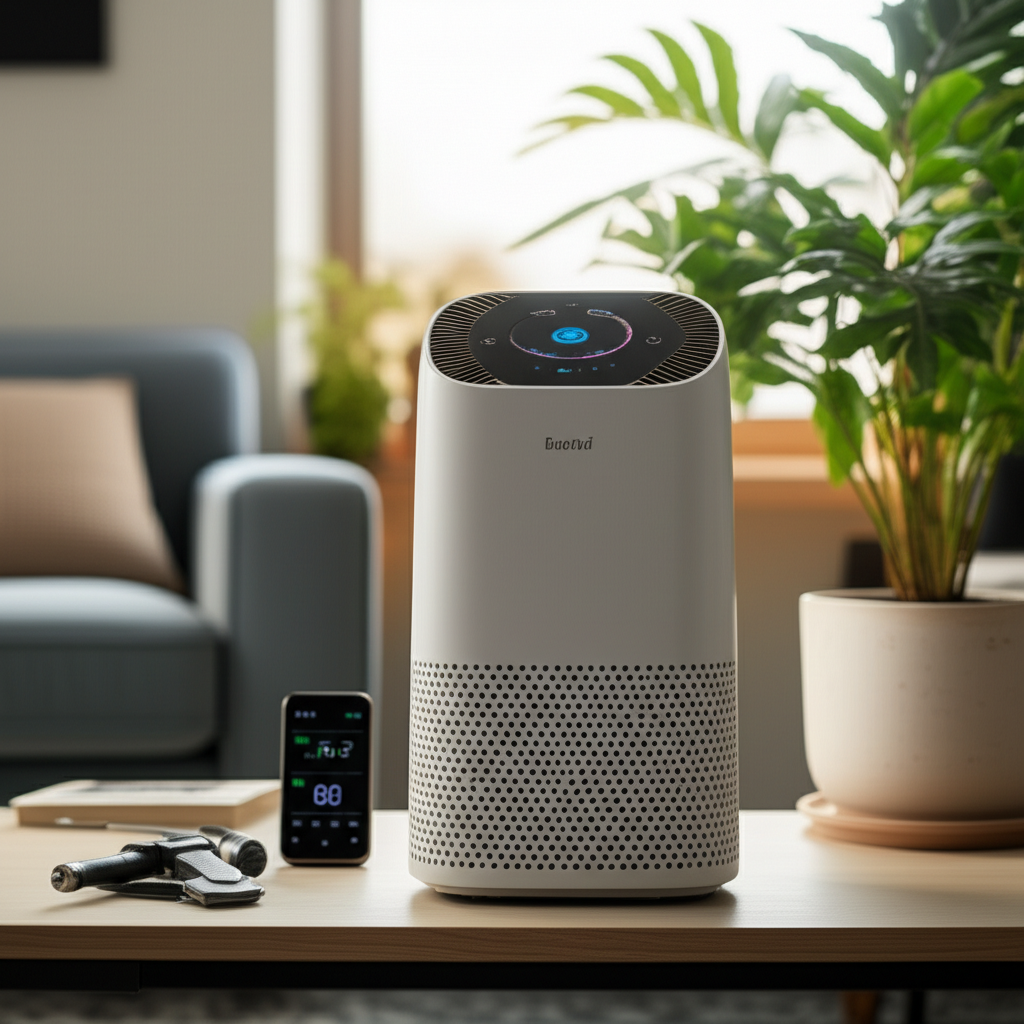
The most effective filter for benzene and other VOCs is activated carbon. It adsorbs gaseous pollutants, trapping them on its porous surface.
Can a HEPA filter remove benzene?
No, HEPA filters are designed to capture particulate matter like dust and pollen, not gases like benzene. You need activated carbon for gas removal.
How often should I replace the activated carbon filter?
This varies by model and usage, but typically every 6-12 months. Check your air purifier’s manual for specific recommendations.
Are expensive air purifiers always better for benzene?
Not necessarily. While higher-end models often feature larger and more effective carbon filters, some mid-range units also perform exceptionally well. Focus on the amount and quality of activated carbon.
Can air purifiers completely eliminate benzene?
Air purifiers can significantly reduce benzene levels, but complete elimination is difficult, especially if the source is ongoing. They are a crucial part of a multi-pronged approach to air quality management.
What are the health risks of benzene exposure?
Benzene is a known carcinogen and can cause leukemia. Short-term exposure can lead to dizziness, headaches, and nausea.
Conclusion: Your Healthier Home Starts with Cleaner Air
Investing in the best air purifier for benzene is a proactive and proven strategy for safeguarding your home’s air quality. By understanding the sources of benzene and the technologies that effectively combat it, you can make an informed choice that prioritizes your family’s health. The combination of a robust activated carbon filter and efficient particulate removal offers comprehensive protection against a wide range of indoor air pollutants.
Remember, a clean home environment is a cornerstone of good health. Don’t underestimate the impact of invisible threats like benzene. Taking the step to select and properly maintain an air purifier is a powerful way to ensure the air you breathe is as pure as possible. Make the commitment to cleaner air today for a healthier tomorrow.

