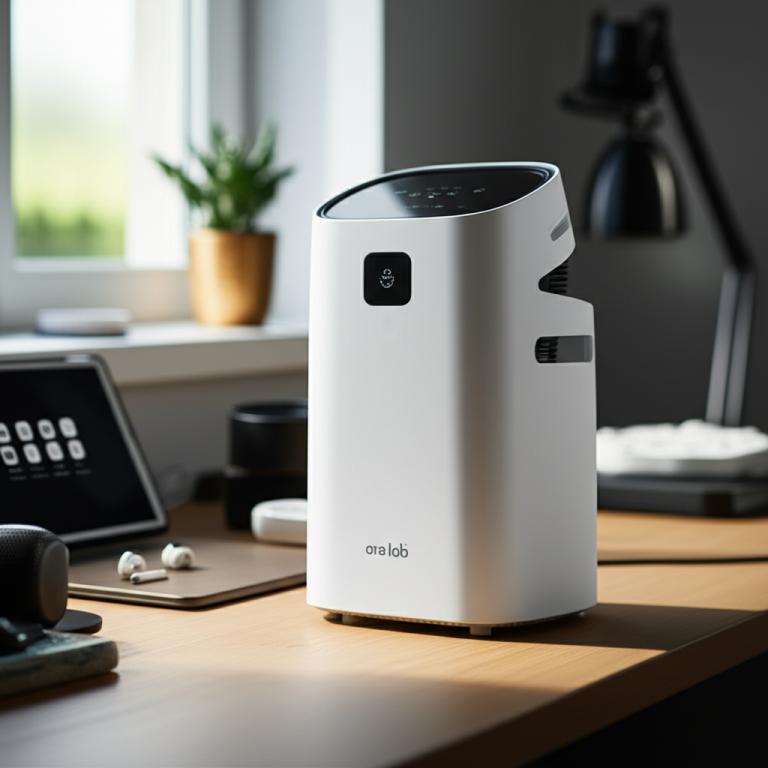
Can Air Purifier Help With Mold Spores? Proven Relief!

Yes, air purifiers can significantly help with mold spores, capturing airborne particles and improving indoor air quality to provide relief from mold-related allergies and respiratory issues. Choosing the right purifier with a HEPA filter is key.
Can Air Purifiers Help With Mold Spores? Proven Relief!
Dealing with mold spores in your home can be incredibly frustrating, often leading to sneezing, coughing, and general discomfort. You might be wondering if there’s a simple solution to tackle these microscopic invaders. The good news is, a well-chosen air purifier can be a powerful ally in your fight against mold spores, helping to clear your air and bring you much-needed relief. Let’s explore how these devices work and what you need to know to find the best one for your needs.
Understanding Mold Spores and Their Impact
Mold spores are microscopic reproductive cells released by mold. They are present virtually everywhere, both indoors and outdoors, and become problematic when they land on damp surfaces and begin to grow. High concentrations of mold spores in the air can trigger allergic reactions and respiratory problems in sensitive individuals.
Mold thrives in moist environments, making bathrooms, kitchens, basements, and areas with water damage prime breeding grounds. When mold grows, it releases spores into the air, which can then travel throughout your home. These spores are so small they can easily evade our notice but can have a significant impact on our health.
How Air Purifiers Tackle Mold Spores
Air purifiers work by drawing in air, passing it through a filtration system, and releasing cleaner air back into the room. The effectiveness of an air purifier against mold spores largely depends on the type of filters it uses. Specifically, HEPA filters are designed to capture even the smallest airborne particles, including mold spores.
A true HEPA filter, by definition, captures at least 99.97% of airborne particles that are 0.3 microns in size. Since mold spores typically range from 1 to 20 microns, a HEPA filter is highly effective at trapping them. This process helps to reduce the number of mold spores circulating in your living space, thereby alleviating potential health issues.
The Crucial Role of HEPA Filters
When considering an air purifier for mold spore reduction, a High-Efficiency Particulate Air (HEPA) filter is non-negotiable. These filters are engineered to trap a vast majority of airborne contaminants. Without a HEPA filter, an air purifier might not be effective enough to make a significant difference in your mold spore problem.
Look for air purifiers that explicitly state they have a “True HEPA” filter. Some units may use “HEPA-type” or “HEPA-like” filters, which do not meet the same rigorous standards. Investing in a unit with a certified HEPA filter ensures you are getting the best possible protection against mold spores and other allergens.
Beyond HEPA: Activated Carbon and Pre-filters
While HEPA filters are the stars of the show for mold spore capture, other filter types can enhance an air purifier’s performance. Activated carbon filters are excellent at absorbing odors and volatile organic compounds (VOCs) that mold can produce. This means not only will the spores be captured, but any musty smells associated with mold growth can also be neutralized.
Pre-filters, often washable, are designed to capture larger particles like dust and pet dander. This is beneficial because it prevents these larger particles from clogging the more sensitive HEPA filter, extending its lifespan and maintaining the unit’s efficiency. A multi-stage filtration system offers the most comprehensive approach to cleaning your indoor air.
Choosing the Right Air Purifier for Mold Relief
Selecting the best air purifier for mold spores involves considering several factors beyond just the filters. The size of the room you intend to use it in is crucial. Air purifiers are rated for specific square footage, and it’s important to choose a unit that matches or slightly exceeds your room’s dimensions for optimal performance.
Consider the CADR (Clean Air Delivery Rate) ratings for dust, pollen, and smoke. A higher CADR generally indicates a more powerful unit that can clean the air more quickly. For mold spore concerns, a unit with a high dust CADR is particularly relevant. Noise level is another factor, especially if you plan to use the purifier in a bedroom or living area.
Where to Place Your Air Purifier for Maximum Effectiveness
The placement of your air purifier can significantly impact its ability to capture mold spores. Ideally, position the unit in the room most affected by mold or where you spend the most time. Ensure there is adequate space around the air purifier for air to circulate freely, typically at least a foot or two from walls or furniture.
If mold is a problem in multiple areas, you might need more than one air purifier. Consider placing units in bathrooms, basements, or any other areas known for dampness and potential mold growth. Consistent operation, especially during humid periods, will yield the best results in reducing airborne mold spore counts.
Maintenance is Key: Replacing Filters
Even the best air purifier is only as effective as its filters, and these filters need regular maintenance. HEPA filters cannot be cleaned and must be replaced according to the manufacturer’s recommendations, typically every 6 to 12 months, depending on usage and air quality. A clogged HEPA filter will significantly reduce airflow and its ability to capture mold spores.
Activated carbon filters also have a limited lifespan and will need replacing, often more frequently than HEPA filters, as they become saturated with absorbed pollutants. Check your air purifier’s manual for specific filter replacement schedules and always use genuine manufacturer replacement filters to ensure optimal performance and to avoid voiding your warranty.
Can Air Purifiers Eliminate Mold Growth?
It’s important to understand that air purifiers help manage airborne mold spores but do not eliminate the source of mold growth. Mold requires moisture to grow, and an air purifier cannot address underlying humidity issues or existing mold infestations on surfaces. Therefore, an air purifier should be part of a broader strategy for mold control.
To effectively combat mold, you must identify and address the moisture source. This might involve fixing leaks, improving ventilation, using dehumidifiers, and thoroughly cleaning any visible mold growth. An air purifier complements these efforts by capturing any spores that become airborne during the cleaning process or that are already present in the air.
Proven Relief: What to Expect from an Air Purifier
When used correctly and consistently, an air purifier can provide noticeable relief from mold-related symptoms. By reducing the concentration of airborne mold spores, you may experience fewer allergic reactions, such as sneezing, itchy eyes, and nasal congestion. Respiratory symptoms like coughing and wheezing can also be alleviated.
Many users report an overall improvement in indoor air quality, noticing less dust and fewer odors. The peace of mind that comes with knowing your air is being actively cleaned can also be a significant benefit, especially for individuals with severe mold allergies or respiratory conditions like asthma.
Alternatives and Complements to Air Purifiers
While air purifiers are excellent tools, they work best when combined with other mold-prevention strategies. Dehumidifiers are essential for controlling humidity levels, especially in damp areas like basements and bathrooms. Keeping humidity below 50% is crucial for preventing mold growth.
Proper ventilation is also key. Using exhaust fans in bathrooms and kitchens, opening windows when weather permits, and ensuring good airflow throughout your home can significantly reduce moisture buildup. Regular cleaning and prompt attention to any water leaks or spills are fundamental steps in maintaining a mold-free environment.
FAQ: Your Air Purifier and Mold Questions Answered
Can air purifiers kill mold spores?
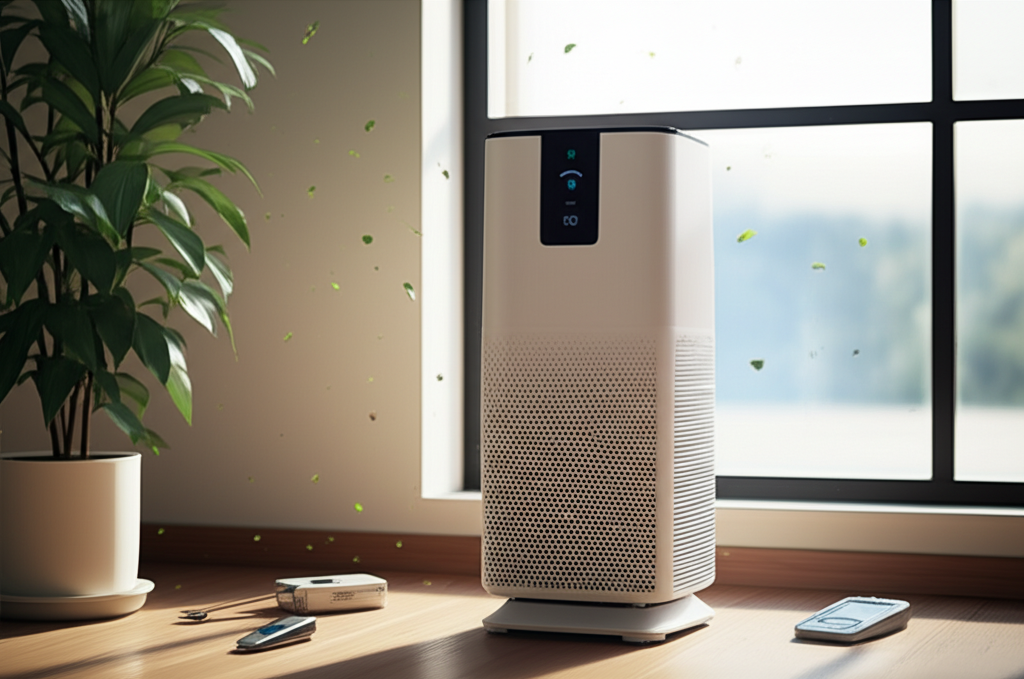
No, air purifiers do not kill mold spores. They capture airborne mold spores using filters, primarily HEPA filters, removing them from the air you breathe.
Will an air purifier remove mold from walls?
An air purifier cannot remove mold that is physically attached to walls or other surfaces. It only addresses mold spores present in the air.
What is the best type of air purifier for mold spores?
The best air purifiers for mold spores are those equipped with a True HEPA filter, as this filter type is highly effective at capturing microscopic particles.
How often should I replace the HEPA filter in an air purifier for mold?
You should replace HEPA filters according to the manufacturer’s recommendations, typically every 6-12 months, or when performance declines, to maintain effectiveness against mold spores.
Can I use an ozone-generating air purifier for mold?
It is generally not recommended to use ozone-generating air purifiers for mold. Ozone can be a lung irritant and may not effectively remove mold spores, potentially exacerbating respiratory issues.
Where is the best place to put an air purifier for mold?
Place the air purifier in the room most affected by mold or where you spend the most time, ensuring it has at least a foot of clearance on all sides for optimal air circulation.
Conclusion
So, to answer the question directly: yes, an air purifier can absolutely help with mold spores and provide proven relief. By effectively capturing these microscopic irritants, a unit with a True HEPA filter can significantly improve your indoor air quality and reduce exposure to mold. Remember, however, that an air purifier is a powerful tool within a larger mold management strategy. Addressing moisture sources and maintaining good ventilation are equally vital steps. With the right approach, you can create a healthier, more comfortable living environment, free from the worries of airborne mold spores.