
Can Air Purifier Help With Humidity: Essential Guide

While air purifiers primarily target airborne particles, they can indirectly influence humidity levels, particularly those with specific features. This guide explores their role in managing moisture for a healthier home.
Air purifiers are fantastic for cleaning the air you breathe, but you might be wondering about their impact on your home’s humidity. High or low humidity can cause discomfort and even damage your home. Many people ask, “Can air purifier help with humidity?” The answer is nuanced, and understanding how these devices work is key. This guide will break down the connection and help you make informed decisions for a more comfortable living space.
Understanding the Role of Air Purifiers
Air purifiers are designed to remove pollutants from the air, such as dust, pollen, pet dander, and volatile organic compounds (VOCs). They achieve this through various filtration systems, most commonly HEPA filters and activated carbon filters. While their primary function is particle removal, some advanced models incorporate features that can indirectly affect humidity.
How Air Purifiers Work
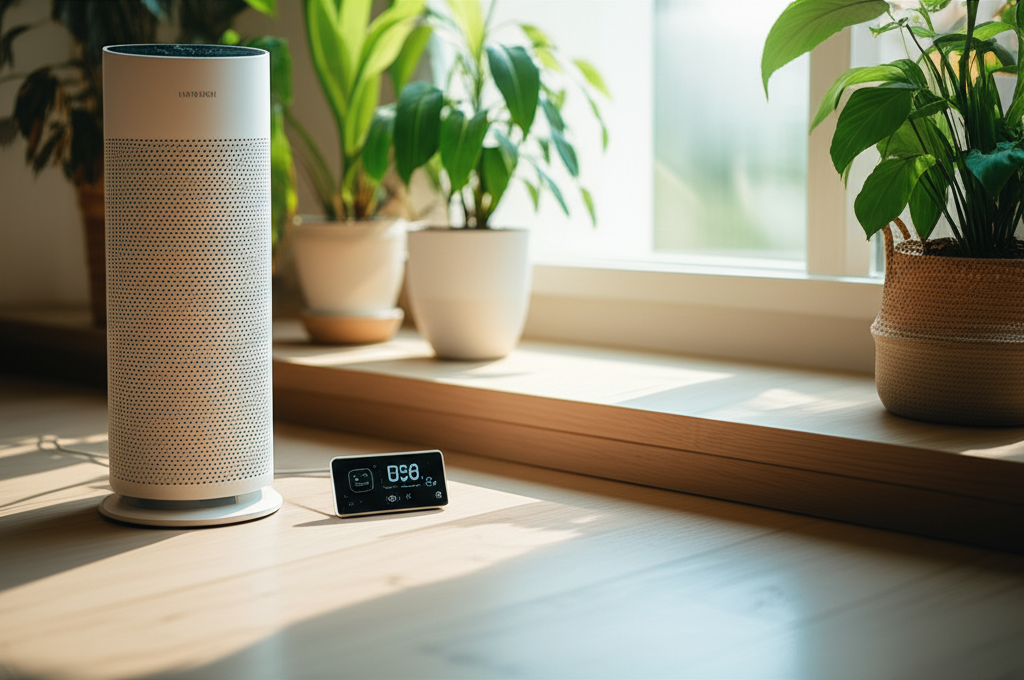
Air purifiers draw in air, pass it through a series of filters to trap contaminants, and then release cleaner air back into the room. The effectiveness of a purifier depends on its filtration technology, the size of the room, and the type of pollutants present. They don’t actively add or remove water vapor as their main function.
What is Humidity and Why Does it Matter?
Humidity refers to the amount of water vapor in the air. Maintaining optimal indoor humidity, typically between 30-50%, is crucial for comfort and health. Both excessively high and low humidity can lead to problems like mold growth, dry skin, static electricity, and damage to wooden furniture.
Can Air Purifier Help With Humidity? The Direct Answer
Generally, standard air purifiers with HEPA and activated carbon filters do not directly control humidity levels. Their primary goal is air purification, not moisture regulation. However, certain types of air purifiers or specific models with additional features can influence humidity.
Air Purifiers vs. Humidifiers and Dehumidifiers
It’s important to distinguish air purifiers from humidifiers and dehumidifiers. Humidifiers add moisture to the air, while dehumidifiers remove it. Air purifiers focus on removing solid and gaseous contaminants.
Indirect Effects on Humidity
Some air purifiers might have a minor indirect effect on humidity. For instance, a very efficient air purifier removing moisture-laden dust particles might slightly reduce humidity. However, this effect is usually negligible compared to dedicated humidifiers or dehumidifiers.
Air Purifier Features That Can Affect Humidity
While most air purifiers don’t directly manage humidity, some innovative designs include features that can influence moisture levels. These are often multi-functional devices that combine air purification with other air quality control mechanisms.
Combination Units: Air Purifier + Humidifier/Dehumidifier
The most direct way an air purifier can help with humidity is by being part of a combination unit. These devices integrate air purification with either humidification or dehumidification capabilities, offering a comprehensive solution for indoor air quality and comfort. Such units allow you to manage both pollutants and moisture levels from a single appliance.
The Role of Activated Carbon Filters
Activated carbon filters are excellent at absorbing odors and VOCs. While not their primary purpose, they can also absorb some moisture from the air, similar to how they absorb gases. This absorption capacity is generally limited and won’t significantly alter overall humidity levels in a room.
Understanding Evaporative Cooling Effects
Some air purifiers utilize a fan to draw air through filters. In very humid environments, the slight cooling effect from the fan’s operation might minimally reduce the air’s capacity to hold moisture, but this is not a reliable method for humidity control.
When an Air Purifier Might Seem to Help with Humidity
There are situations where an air purifier might appear to be helping with humidity, but it’s often due to other factors or a misunderstanding of its function. Recognizing these scenarios can prevent confusion and ensure you choose the right appliance for your needs.
Reducing Moisture-Trapping Dust
Dust particles can absorb and retain moisture. By effectively removing dust from the air, an air purifier can indirectly reduce the amount of moisture being held in suspension. This might lead to a slight perceived improvement in dampness, but it’s not a direct humidity control mechanism.
Improving Air Circulation
The fan in an air purifier helps circulate air within a room. Better air circulation can help distribute moisture more evenly, preventing stagnant pockets of high humidity. This can make the environment feel more comfortable, even if the overall humidity percentage hasn’t changed significantly.
Addressing Mold and Mildew Odors
High humidity often leads to mold and mildew, which produce musty odors. Air purifiers with activated carbon filters can remove these odors, making the air smell fresher. This improvement in scent might be mistakenly attributed to a reduction in humidity itself.
Choosing the Right Appliance for Humidity Control
If your primary concern is managing humidity, you’ll need to consider appliances specifically designed for that purpose. Air purifiers are excellent for air purity, but they aren’t the solution for significant humidity issues.
When to Use a Humidifier
You need a humidifier if your home’s air is too dry, typically below 30% humidity. Dry air can cause cracked skin, sore throats, and static electricity. Humidifiers add moisture back into the air to create a more comfortable and healthy environment.
When to Use a Dehumidifier
A dehumidifier is essential for homes with excessive moisture, usually above 50-60% humidity. High humidity can promote mold growth, dust mites, and exacerbate allergies. Dehumidifiers actively remove excess water vapor from the air.
The Benefits of Dedicated Humidity Control Devices
Humidifiers and dehumidifiers are designed with specific technologies to efficiently manage moisture levels. They offer precise control over the amount of water vapor in your air, ensuring optimal conditions for your health and home. These devices are far more effective for humidity management than standard air purifiers.
Can Air Purifiers Cause Humidity Issues?
Standard air purifiers are unlikely to cause significant humidity issues. However, certain types of humidifying air purifiers, if not maintained properly, could potentially contribute to higher humidity levels or even promote mold growth if the water tank becomes contaminated.
The Risks of Over-Humidifying
If you use an air purifier with a humidifying function, or a separate humidifier, over-humidifying can be a problem. Excessively high humidity (above 60%) creates an environment where mold, mildew, and dust mites can thrive. This can negatively impact indoor air quality and lead to respiratory problems.
Maintenance is Key for Combination Units
For any appliance that handles water, regular cleaning and maintenance are paramount. This includes cleaning water tanks, replacing filters as recommended, and ensuring the unit is functioning correctly to prevent the spread of bacteria or mold. Proper upkeep ensures the device works efficiently and safely.
Expert Recommendations for Air Quality and Humidity
As an expert in home air quality, I often recommend a multi-pronged approach to maintaining a healthy indoor environment. This involves understanding the specific needs of your home and choosing the right tools for the job.
Assess Your Home’s Humidity Levels
The first step is to know your current humidity. Using a reliable hygrometer (often built into humidifiers or available as standalone devices) will give you accurate readings. This data is crucial for deciding whether you need a humidifier or a dehumidifier.
Consider Multi-Functional Appliances Wisely
While combination units that purify air and manage humidity can be convenient, ensure they meet your specific needs. Sometimes, two separate, high-quality devices might offer better performance and control than a single multi-functional unit. Evaluate reviews and specifications carefully.
Prioritize Ventilation and Air Circulation
Good ventilation is fundamental to managing indoor air quality, including humidity. Opening windows regularly (when outdoor air quality is good) and ensuring proper airflow within your home can help regulate moisture levels. Fans also play a vital role in circulation.
Can Air Purifiers Help With Humidity: A Summary of Findings
To directly answer the question, “Can air purifier help with humidity?” – standard air purifiers do not actively control humidity. Their primary function is to remove airborne particles and gases. However, some advanced models or combination units may include features that can influence moisture levels, either by adding or removing it.
Indirect Benefits to Perceived Humidity
Air purifiers can indirectly improve the feeling of humidity by removing dust and improving air circulation. These effects are subtle and do not replace the function of dedicated humidifiers or dehumidifiers.
When to Invest in a Separate Humidity Control Device
If your home consistently suffers from dry air or excessive dampness, investing in a dedicated humidifier or dehumidifier is the most effective solution. These appliances are specifically engineered to manage moisture levels accurately and efficiently.
FAQ: Your Air Quality and Humidity Questions Answered
Here are answers to some common questions about air purifiers and humidity.
Q1: Can an air purifier make my room less humid?
A1: A standard air purifier cannot actively remove moisture from the air to reduce humidity. While some activated carbon filters may absorb a small amount of moisture, it’s not significant enough to lower overall humidity levels.
Q2: Can an air purifier make my room more humid?
A2: Standard air purifiers do not add moisture to the air. However, if you have an air purifier with a built-in humidifier, it could increase humidity if not properly maintained or if set too high.
Q3: Do air purifiers help with mold?
A3: Air purifiers can help by removing mold spores from the air, which can alleviate allergy symptoms. However, they do not address the root cause of mold, which is excess moisture. You still need to control humidity and fix any water leaks.
Q4: What’s the difference between an air purifier and a dehumidifier?
A4: An air purifier cleans the air by removing particles like dust, pollen, and smoke. A dehumidifier removes excess moisture from the air to control humidity levels. They serve different purposes in maintaining indoor air quality.
Q5: How can I tell if my air purifier is affecting humidity?
A5: If you have a combined air purifier/humidifier unit, check its settings and water reservoir. For standard purifiers, significant changes in humidity are unlikely. Use a hygrometer to monitor your room’s humidity levels accurately.
Q6: Should I buy an air purifier or a dehumidifier if I have mold issues?
A6: If mold is present due to high humidity, you should prioritize a dehumidifier to address the moisture source. An air purifier can then be used to capture any airborne mold spores released during cleanup or ongoing.
Conclusion: The Nuance of Air Purification and Humidity
In summary, while the question “can air purifier help with humidity” often arises, it’s crucial to understand their primary function. Standard air purifiers excel at cleaning the air of pollutants but do not actively manage moisture levels. They might offer minor indirect benefits through dust reduction and improved circulation, but these effects are not comparable to dedicated humidifiers or dehumidifiers. If you’re facing significant issues with dry or damp air, investing in the appropriate appliance for humidity control is the most effective strategy. For optimal indoor air quality, consider a holistic approach that may include both air purification and humidity management.
