Can Air Purifier Dehumidify? Genius Essential Guide

No, standard air purifiers cannot dehumidify your home. While they excel at cleaning the air of pollutants like dust, pollen, and pet dander, their primary function does not include moisture removal. For effective dehumidification, a dedicated dehumidifier is necessary.
Can Air Purifiers Dehumidify? Your Genius Essential Guide
Dealing with both poor air quality and excessive humidity can be frustrating. You might wonder if your trusty air purifier can tackle both issues at once. It’s a common question, especially if you’re looking for a simpler solution to a damp home. While air purifiers are fantastic at cleaning the air, they aren’t designed to remove moisture. This guide will clarify the distinct roles of air purifiers and dehumidifiers, helping you understand if your current device can dehumidify and what steps to take if it can’t.
Understanding the Core Functions: Air Purifier vs. Dehumidifier
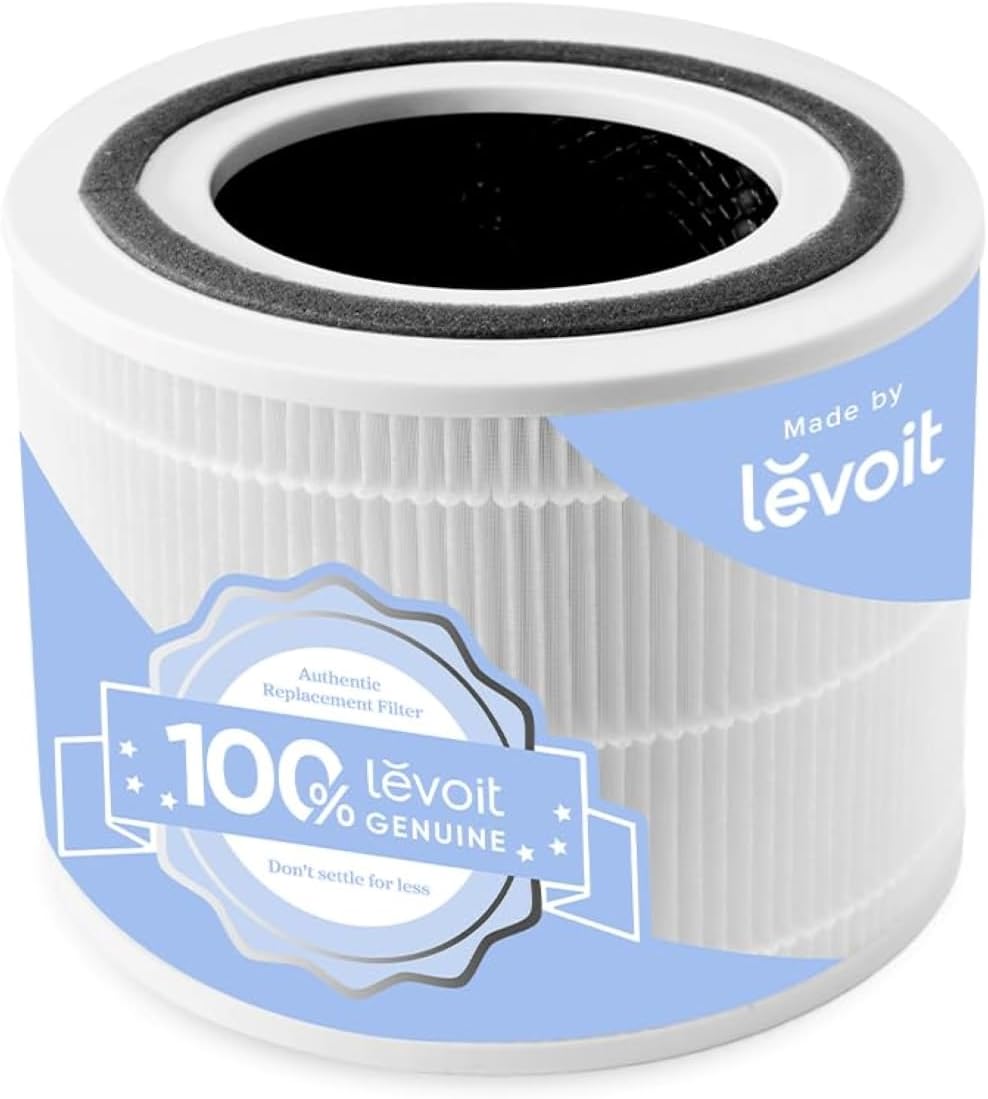
Air purifiers are designed to clean the air you breathe by removing airborne contaminants. They typically use filters like HEPA and activated carbon to trap particles such as dust, pollen, mold spores, and volatile organic compounds (VOCs). This process significantly improves indoor air quality, making your environment healthier and more comfortable, especially for allergy sufferers.
Dehumidifiers, on the other hand, are specifically engineered to reduce the level of moisture in the air. They work by drawing in humid air, cooling it to condense the water vapor, and then releasing drier air back into the room. The collected water is stored in a reservoir or drained away, directly combating issues like mold growth and musty odors.
The Science Behind Air Purification
Air purifiers operate on a simple principle of air circulation and filtration. A fan pulls air into the unit, forcing it through a series of filters. The most crucial is the HEPA (High-Efficiency Particulate Air) filter, which is certified to capture at least 99.97% of airborne particles 0.3 microns in size. Activated carbon filters are often included to absorb odors and gases.
These filters are designed to trap solid particles, not to condense water vapor. Therefore, the process of air purification does not inherently involve any mechanism for removing moisture from the air. The air that passes through the filters is simply cleaner, not drier.
How Dehumidifiers Actually Work
Dehumidifiers employ a refrigeration cycle, similar to an air conditioner, but with a different objective. They pull in moist air and pass it over cold coils. As the air cools, its ability to hold moisture decreases, causing the water vapor to condense into liquid water. This water then drips into a collection tank or is routed through a hose to a drain.
The now drier air is then reheated slightly before being released back into the room. This continuous cycle effectively lowers the relative humidity in an enclosed space. Some advanced models also feature desiccant dehumidification, which uses moisture-absorbing materials, but the principle of water removal remains the core function.
Can an Air Purifier Also Dehumidify? The Combo Unit Explained
It’s a valid question, as many manufacturers offer “air treatment systems” that combine multiple functions. Some devices are marketed as 2-in-1 or 3-in-1 units, including air purification, humidification, and even dehumidification. These are essentially two separate appliances integrated into a single housing.
When looking at these combo units, it’s crucial to understand their capabilities. A unit that purifies air and also dehumidifies will have distinct components for each function. The air purifier section will have filters, while the dehumidifier section will have a compressor, condenser, and evaporator coils.
Identifying a True Dehumidifying Air Purifier
If you’re considering a device that claims to both purify and dehumidify, carefully examine its specifications and features. Look for specific mentions of dehumidification capacity, usually measured in pints of water removed per day (e.g., 30-pint, 50-pint). You should also see a water collection tank or a drain hose option.
A device that only purifies air will typically list its CADR (Clean Air Delivery Rate) and filter types (HEPA, activated carbon) but will not mention water removal capabilities. Always check the product manual or manufacturer’s website for detailed information on its functions.
When Your Air Purifier Isn’t Enough: The Need for a Dehumidifier
If you’ve confirmed your current air purifier does not have dehumidifying capabilities, and you are experiencing issues related to high humidity, a separate dehumidifier is your solution. High humidity can lead to condensation on windows, damp spots on walls, musty odors, and can encourage the growth of mold and dust mites, exacerbating allergies and asthma.
These issues can significantly impact your home’s health and structural integrity. Addressing high humidity is as important as maintaining clean air for overall indoor environmental quality. Investing in a dedicated dehumidifier ensures you are effectively tackling the moisture problem at its source.
Choosing the Right Dehumidifier for Your Needs
Selecting the right dehumidifier depends on the size of your space and the severity of the humidity problem. For smaller rooms or moderate humidity, a portable dehumidifier with a capacity of around 20-30 pints per day might suffice. For larger areas or basements with significant dampness, you’ll need a higher capacity unit, perhaps 50-70 pints per day.
Consider features like automatic shut-off when the tank is full, a continuous drain option, adjustable humidistats to set your desired humidity level, and energy efficiency ratings. Brands like LG and Honeywell offer a range of effective dehumidifier models.
Maintaining Optimal Humidity Levels in Your Home
The ideal indoor humidity level is generally between 30% and 50%. Using a hygrometer, an inexpensive device, can help you monitor your home’s humidity accurately. Once you know your levels, you can use your dehumidifier to maintain this healthy range.
Proper ventilation also plays a role in humidity control. Using exhaust fans in bathrooms and kitchens during and after activities that generate moisture, like showering or cooking, can help remove excess humidity. Ensuring your home is well-sealed can also prevent humid outdoor air from entering.
Can a Dehumidifier Also Purify Air?
While the primary function of a dehumidifier is moisture removal, some models do incorporate air filtration capabilities. These units often include a basic dust filter to catch larger particles that are drawn into the machine along with the humid air. However, these filters are typically not HEPA-grade and are not as effective as dedicated air purifiers.
If your main concern is both poor air quality and high humidity, a dedicated air purifier and a separate dehumidifier would offer the most comprehensive solution. This allows each appliance to perform its specialized task optimally, ensuring both clean and dry air.
Troubleshooting Common Humidity Issues
If you’re using a dehumidifier and still struggling with humidity, ensure the unit is appropriately sized for the space and that it’s functioning correctly. Check that the collection tank is emptied regularly or that the drain hose is properly connected. Sometimes, simply opening windows on a dry day can help air out excessive moisture, but only if the outside humidity is lower.
For persistent problems, especially in basements or crawl spaces, you might need a larger capacity unit or professional advice on moisture intrusion prevention. Addressing the source of the moisture, whether it’s leaks or poor ventilation, is also key.
FAQ: Your Questions Answered
Q1: Can my air purifier dehumidify my bathroom?

No, a standard air purifier cannot dehumidify a bathroom. Its function is to clean airborne particles, not to remove the moisture generated by showers or baths. You will need a dedicated dehumidifier for that purpose.
Q2: What’s the difference between a dehumidifier and an air purifier?
An air purifier cleans the air of pollutants like dust and pollen using filters. A dehumidifier removes moisture from the air to prevent mold and dampness. They have distinct mechanisms and purposes.
Q3: Are there air purifiers that also dehumidify?
Yes, some combo units are designed to both purify air and dehumidify. However, these are essentially two appliances in one, and you should check their specific dehumidification capacity.
Q4: How do I know if my home needs a dehumidifier?
Signs include condensation on windows, musty odors, damp spots on walls or ceilings, peeling wallpaper, and a generally clammy feeling in the air. A hygrometer reading above 50% also indicates high humidity.
Q5: How much water should a dehumidifier collect?
The amount of water collected varies greatly depending on the humidity level and the unit’s capacity. In very humid conditions, a 50-pint dehumidifier might collect its full capacity daily, while in moderate conditions, it might collect much less.
Q6: Can I use my air purifier to dry my clothes?
No, an air purifier cannot dry clothes. Drying clothes requires significant moisture removal, a task performed by dehumidifiers or clothes dryers, not air purifiers.
Conclusion: The Clear Distinction
To directly answer the question, “Can air purifiers dehumidify?” the answer is generally no for standard models. Air purifiers are specialized for cleaning the air of particulates, while dehumidifiers are built to reduce moisture content. If you are facing issues with high humidity, investing in a dedicated dehumidifier is the most effective solution. Understanding the specific function of each appliance ensures you can create a healthier, more comfortable living environment by addressing both air quality and humidity levels appropriately.