10 Best Hearing Aid Vacuum Cleaners for Safe, Effective Maintenance

Hearing aids collect earwax, skin oils, and dust during daily use. A hearing aid vacuum cleaner uses gentle suction to remove debris from vents, microphones, and other small openings without relying on sharp tools or excess moisture.
When choosing one, we focus on suction control, nozzle size, battery life, and included attachments. The best hearing aid vacuum cleaners provide controlled suction and fine tips that clean small parts without risking damage. We also consider ease of use, cleaning, and whether the device works with different hearing aid styles.
We tested and compared hearing aid vacuum cleaners to find the models that offer safe, practical cleaning and dependable everyday performance.
Best Hearing Aid Vacuum Cleaners
We reviewed hearing aid vacuum cleaners for suction power, ease of use, safety, and compatibility. Our list features reliable options for removing wax, dust, and debris from hearing aids and their small components.
Jodi-Vac Consumer Hearing Aid Vacuum

We recommend this compact cleaner for home users who want a simple, corded tool for removing wax and debris from hearing aids.
Pros
- Strong suction for a small cleaning device
- Compact design with a replaceable filter
- Simple one-switch operation
Cons
- Requires a wall outlet
- Can be fairly loud during use
- Instructions may not provide enough cleaning guidance
We found the Jodi-Vac easy to set up and operate. Its attached hose reaches about two feet, which gave us enough flexibility while handling small hearing aids. The suction felt strong, so we used a light touch around delicate openings.
A small ball behind the filter acts as a flow indicator, helping us confirm that the vacuum was working. Wax collects in the filter, which we could clean or replace when needed. The package may not include extra needles or filters, so we recommend checking the contents before buying replacements.
The unit uses a desktop power supply and does not run on a rechargeable battery. We also noticed that it makes noticeable noise during use. Still, its compact size, clear controls, and effective suction make the Jodi-Vac Consumer Hearing Aid Vacuum a practical choice for regular home maintenance.
Generic Hearing Aid Vacuum Cleaner

We recommend this compact cleaner for buyers who want adjustable suction and small tools for routine hearing aid and earbud care.
Pros
- Nine suction levels provide useful control.
- LED light helps us see narrow openings.
- Six needle sizes support different parts.
Cons
- The generic brand offers limited product history.
- Strong settings may be too forceful for delicate parts.
- Small cleaning needles require careful storage.
We found the adjustable suction helpful when moving between surface debris and tighter openings. Lower settings felt more suitable for routine cleaning, while higher levels worked better on stubborn buildup.
The built-in LED light made narrow vents and sound tubes easier to inspect. Its display also showed the selected suction level, so we could make changes without guessing.
The included needles added flexibility for hearing aids, earbuds, and in-ear monitors. We would still use a light touch and follow the device maker’s cleaning instructions, since excessive suction or probing can cause damage.
A built-in filter helps collect dust and debris during use. The rechargeable design keeps the unit portable, although buyers should remember that replacement filters or needles may not be easy to find from a generic brand.
Ecoaterui Hearing Aid Vacuum Cleaner

We recommend this compact cleaner for basic maintenance, but buyers should expect modest suction and mixed durability.
Pros
- Simple one-button operation
- Compact design for travel
- Includes tubes, needles, filters, and a charger
Cons
- Suction may feel weak for stubborn debris
- Some users reported missing or lost parts
- Results vary between hearing aids and earbuds
We found the Ecoaterui easy to hold and straightforward to operate. Its small size makes it convenient for regular cleaning at home or while traveling.
The included attachments helped us reach narrow openings, tubes, and filters. We also found the tool useful for earbuds and in-ear monitors, although it may require careful handling around delicate parts.
Performance appears inconsistent. Some users found enough suction to remove wax and dust, while others reported little or no suction. We would choose it for light cleaning rather than heavy buildup.
The kit includes two filters, two needles, a pin, tubing, and a charger. With a 3.6-star rating from 28 reviews, it offers useful features but lacks the consistently strong performance some buyers may expect.
PeakBlen Adjustable Hearing Aid Vacuum Cleaner
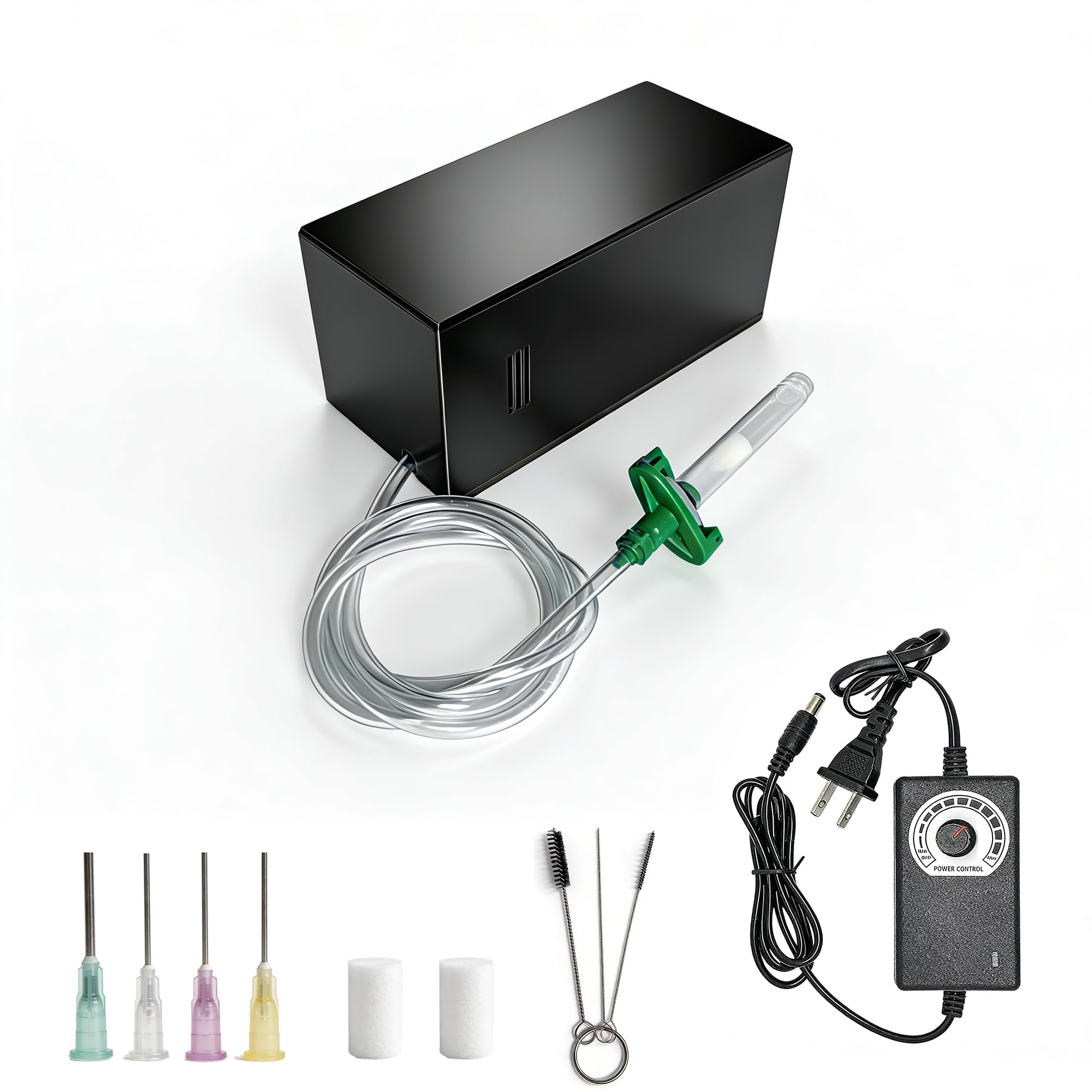
We recommend this kit for users who want adjustable suction and several cleaning tools for hearing aids, earbuds, or in-ear monitors.
Pros
- Adjustable suction gives us better control around delicate parts.
- Multiple nozzles, brushes, and a cleaning needle cover common maintenance tasks.
- Washable filters help reduce ongoing supply costs.
Cons
- The kit may feel more involved than a basic manual cleaning tool.
- We need to clean the filters and attachments after use.
- Limited customer feedback makes long-term reliability harder to judge.
The adjustable control stood out during use because we could start with gentle suction and increase it when debris needed more force. This made the cleaner easier to use on different devices than a fixed-power tool.
The included nozzle sizes helped us reach small openings, while the brushes handled surface dust. We still used care around vents, microphones, and other delicate areas instead of holding the nozzle directly against them.
The anti-vibration base kept the unit from sliding during operation and reduced some motor movement. It was not completely silent, but the lower vibration made routine cleaning more comfortable in a quiet room.
We also liked the washable filters because they support repeated use. Cleaning them and the attachments adds a small maintenance step, but the included brushes and needle make that process manageable. Overall, this kit suits buyers who want one compact setup for regular device care.
Lightning Vac 2 Pro Hearing Aid Cleaner

We recommend this professional-style cleaner for buyers who want strong suction, useful needle tips, and a blower function in one compact unit.
Pros
- Strong suction for wax and debris
- Includes several needle and reaming tips
- Blower port helps clear blocked tips and loose debris
Cons
- May cost more than basic cleaners
- Its professional design may feel excessive for occasional home use
- Replacement filters and tips may need separate purchases
When we tested the Lightning Vac 2 Pro, its suction handled buildup around the hearing aid sound outlet more effectively than small manual cleaners. The included needle tips helped us reach narrow openings without using much force.
The blower port added useful flexibility. We used it to clear an obstructed needle and remove loose particles before vacuuming. The included filter also helped keep debris inside the cleaning system.
This cleaner works best for careful users who already understand how to handle hearing aids. We would avoid pressing the needle into delicate parts, and we would follow the hearing aid maker’s cleaning guidance. Its portable design also makes it practical for home visits or use away from an office.
YOFSZJ Hearing Aid Cleaning Vacuum Kit
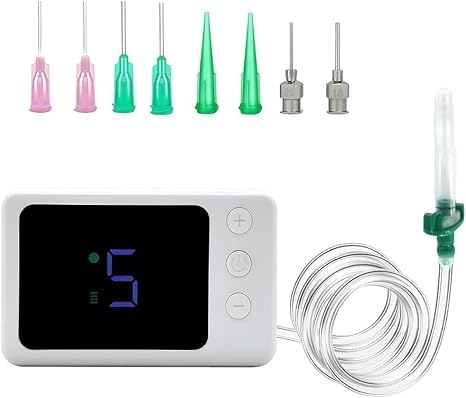
We recommend this kit only for light cleaning, since its mixed customer feedback and limited suction may not meet every user’s needs.
Pros
- Eight tips support hearing aids, earbuds, and IEMs.
- Adjustable suction offers more control around delicate parts.
- Small, rechargeable design travels easily.
Cons
- Some users found the suction too weak.
- Reports mention missing parts and units that did not work.
- The 3.2-star rating is based on only eight reviews.
We found the range of tips useful for reaching small vents, sound ports, and tubing. The soft tips felt better suited to routine care, while the narrow metal nozzles helped target harder-to-reach areas.
The adjustable control made it easier for us to start with gentle suction. However, user feedback suggests that the motor may not provide enough power for stubborn wax or debris. We would avoid using strong pressure on fragile hearing aid parts.
Its compact size works well for travel or quick cleaning between professional visits. The reusable tips may also reduce the need for disposable supplies, but we would check the package contents as some buyers reported missing pieces.
Overall, we see this as a basic maintenance tool for light debris, not a replacement for professional cleaning. Buyers who need reliable suction should consider the mixed reviews before ordering.
Seekdesi Hearing Aid Vacuum Kit
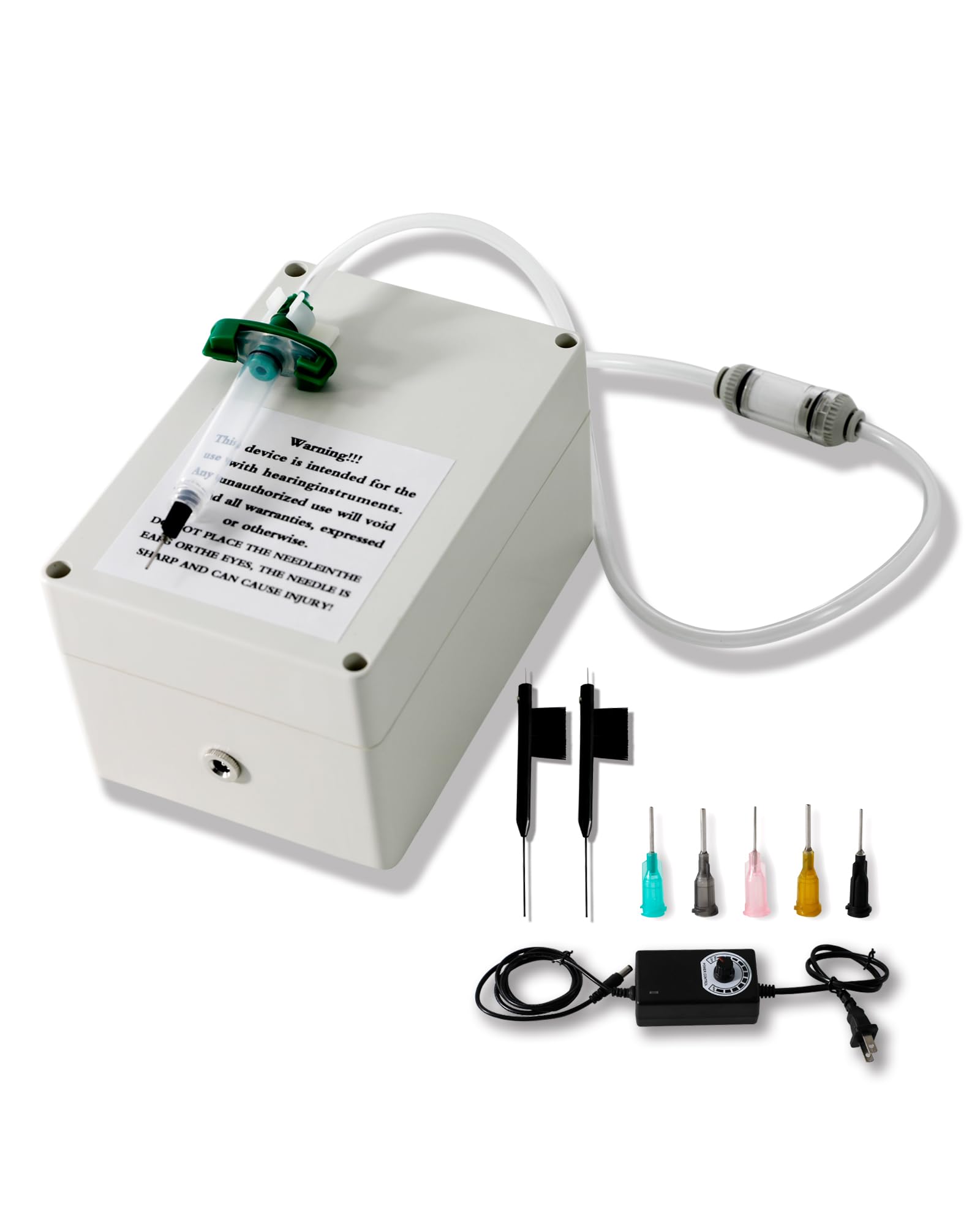
We recommend this kit for budget shoppers who want many cleaning tips, but its uneven build quality makes it a risky purchase.
Pros
- Strong suction for removing wax and debris
- Includes many nozzles and two brushes
- Works with hearing aids, earbuds, and other small devices
Cons
- Some units may rattle during use
- Build quality appears inconsistent
- Accessory contents may not match the listing
We found the vacuum effective for pulling debris from hearing aid openings, tubes, and filters. The range of tips helped us handle different parts, although choosing the right nozzle took some trial and error.
The kit also worked well on earbuds and in-ear monitors. Its compact design makes it practical for travel, and the removable filter should make routine cleaning easier.
However, several owners reported loose internal parts and loud rattling. One reviewer also said the package arrived without the advertised accessories. With a 3.3-star rating from 15 reviews, we would check the package carefully and return it if the unit arrives damaged or sounds unsafe.
DHUJBFF Hearing Aid Vacuum Cleaner
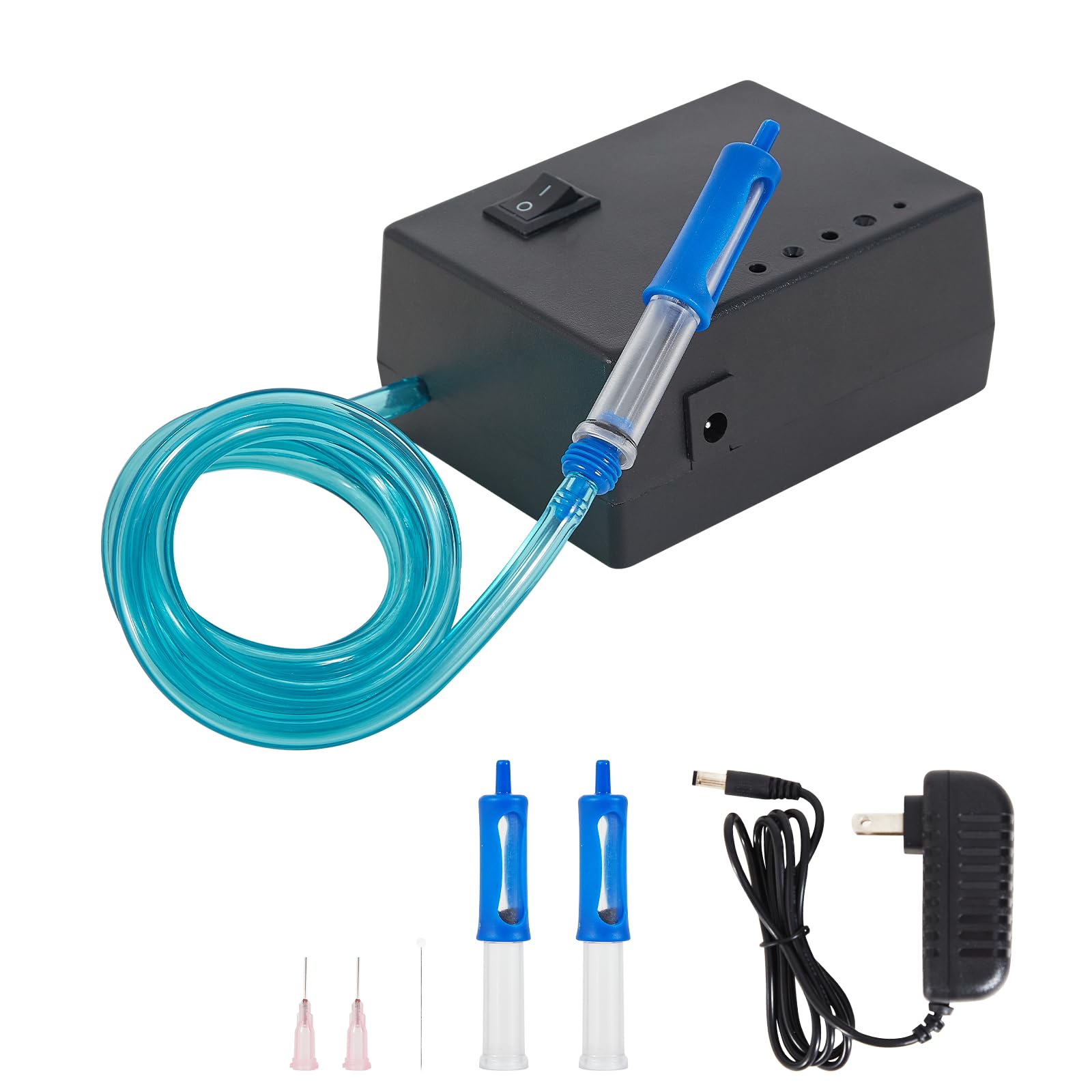
We recommend this compact cleaner for basic weekly maintenance of hearing aids, earbuds, and in-ear devices.
Pros
- Simple one-button operation
- Small enough for travel
- Helps remove visible wax and debris
Cons
- Some buyers reported missing accessories
- Suction may feel weak for heavy buildup
- Cleaning the filter tips can be difficult
We found the small size convenient for keeping near our hearing aid supplies or packing in a travel bag. The on/off switch kept use simple, especially when we wanted a quick cleaning without handling several tools.
The vacuum worked best for light debris around the openings and outer surfaces. We would use it as part of routine care rather than as a replacement for professional cleaning or the manufacturer’s cleaning instructions.
Maintenance took little effort because we could wipe the nozzle after use. However, feedback shows inconsistent accessory packaging, and some users had trouble taking apart or cleaning the blue filter tips. We recommend checking the included parts when the package arrives.
My Vac Hearing Aid Cleaning Vacuum

We recommend My Vac for people who want a compact vacuum with several tips for clearing wax and debris from hearing aids, ear molds, or earbuds.
Pros
- Compact design takes up little storage space
- Three tips help reach narrow sound ports
- Replaceable filter traps removed debris
Cons
- Some users may find the suction too weak
- The 110/115-volt design limits travel use
- Limited customer feedback makes long-term reliability harder to judge
We found the small unit easy to handle during cleaning. The included tips fit into tight openings, which helps us reach areas that a cloth or brush cannot. We also liked that the filter can be replaced instead of discarded with the entire device.
Its size makes it practical for a home hearing-aid care kit. The corded design works well beside a desk or repair area, but it does not suit battery-free travel. We would also check the tip size and power needs before buying.
My Vac performed well for light debris and routine maintenance, though results may vary with packed wax. We recommend using it carefully and following the hearing-aid maker’s cleaning guidance rather than forcing a tip into an opening.
Serene Innovations Hearing Aid Cleaning Kit

We recommend this cleaner for routine hearing aid and earbud maintenance because its flexible tips reach small openings, though its suction and reliability may vary.
Pros
- Flexible silicone tips fit tight spaces
- Includes a brush for exterior cleaning
- Easy-to-clean parts and solid battery life
Cons
- Requires four AA batteries, sold separately
- Noticeable operating noise
- Some users report weak suction or units that do not work
We found the vacuum useful for removing wax and debris from hearing aid tubes and in-ear monitors. The included brush helped clean the outer surfaces, while the narrow tips reached areas that were difficult to wipe by hand.
The lightweight plastic body felt comfortable to hold during short cleaning sessions. We also liked that the tips, collar, and filter can be washed with soap and water, which makes regular care simpler.
Performance appears inconsistent. Some users report strong enough suction and good battery life, while others received defective units or found the suction too weak. We would check the vacuum after installing the four AA batteries and buy from a seller with a clear return policy.
This tool should complement, not replace, a hearing aid dryer or professional service. We would use it gently and avoid forcing the tip into delicate openings.
Buying Guide
We should choose a hearing aid vacuum cleaner based on the device’s cleaning needs, ease of use, and safety features. A model designed for delicate hearing aids should remove dust and moisture without applying excessive suction.
| Feature | What to look for |
|---|---|
| Suction control | Adjustable or gentle suction settings help protect small parts. |
| Attachments | Fine tips and brushes should fit vents, microphones, and tubing. |
| Moisture removal | Drying functions can help remove light moisture after use. |
| Power source | Rechargeable or battery-powered designs offer different convenience levels. |
| Noise level | Quieter operation makes cleaning more comfortable. |
| Storage | A case or organized accessory storage helps prevent lost parts. |
We should check whether the cleaner works with our hearing aid style, including behind-the-ear, in-the-ear, or receiver-in-canal devices. The included tips should be narrow enough for small openings but easy to handle.
Build quality also matters. We should look for a stable body, simple controls, and attachments that connect securely. Clear instructions can reduce the risk of using the wrong setting or tip.
Before buying, we should review the cleaning method recommended by the hearing aid manufacturer or hearing care professional. A vacuum cleaner should support regular maintenance, not replace professional servicing when the device has a fault or heavy buildup.
Editor’s Choice
We choose the PerfectDry Lux hearing aid dryer and vacuum cleaner for its balanced cleaning performance, compact design, and simple controls. Its gentle suction helps remove wax and debris from hearing aid vents without using harsh pressure.
We value the built-in drying function, which can help reduce moisture after daily use. The device works best when we follow the manufacturer’s cleaning instructions and use only the included tools.
Why we picked it:
- Gentle vacuum action for routine cleaning
- Drying support for moisture control
- Compact size for home or travel use
- Simple controls for regular maintenance
- Suitable for many behind-the-ear and in-the-ear hearing aids
We still recommend checking the device manual before cleaning. Some hearing aids have delicate microphones, receivers, or filters that require special care.
| Feature | Our assessment |
|---|---|
| Cleaning | Gentle and practical |
| Drying | Included |
| Ease of use | Simple |
| Portability | Good |
| Best for | Routine home maintenance |
Conclusion
We should choose a hearing aid vacuum cleaner based on safe suction, useful attachments, and simple controls. A model designed for small devices can help remove dust and debris without stressing delicate parts.
Before buying, we should check the vacuum’s power settings, filter system, and included tips. Gentle suction matters more than maximum power, especially when cleaning vents, microphones, and charging areas.
We should also consider battery life, storage, and replacement filters. A compact design makes regular cleaning easier, while washable or replaceable parts can reduce long-term costs.
| What to check | Why it matters |
|---|---|
| Adjustable suction | Helps protect delicate hearing aids |
| Soft attachments | Reduces the risk of scratches |
| Fine filter | Keeps debris from entering the device |
| Easy controls | Makes cleaning safer and faster |
| Replacement parts | Supports continued use |
We should follow the hearing aid maker’s cleaning instructions and avoid using a vacuum on wet devices. Regular, careful cleaning can support better device care and help limit buildup.
FAQS
What is a hearing aid vacuum cleaner?
We use this term for a small, low-suction tool that removes moisture, dust, and debris from hearing aids. These devices often include soft tips designed to protect delicate openings.
Can we use a regular vacuum cleaner?
We should not. Household vacuums can create too much suction and may damage microphones, receivers, filters, or other small parts.
How often should we clean a hearing aid?
We recommend light cleaning each day, especially after extended wear. Use a hearing aid vacuum as needed, and follow the care instructions from the manufacturer.
What features should we look for?
| Feature | Why it matters |
|---|---|
| Adjustable suction | Helps protect sensitive parts |
| Soft cleaning tips | Reduces the risk of scratches |
| Replaceable filters | Keeps airflow clean |
| Small, cordless design | Makes regular use easier |
Can a vacuum remove earwax?
It can remove loose debris from the hearing aid, but it cannot safely remove earwax from our ears. We should ask a health professional about blocked ears or heavy wax buildup.
Are hearing aid vacuums safe for all models?
Not always. We should check the hearing aid maker’s instructions and avoid using a vacuum on parts that require professional cleaning. When we notice weak sound, feedback, or moisture inside the device, we should contact an audiologist or service center.