
Best Budget Air Purifier For Allergies: Proven Relief

Breathe easier with the best budget air purifier for allergies, offering proven relief without breaking the bank. Discover top picks and essential features to combat allergens effectively and improve your indoor air quality for a healthier home.
There’s nothing quite like the misery of allergy season indoors. Sneezing, itchy eyes, and a stuffy nose can make your own home feel like a battleground against invisible irritants. But what if you could find relief without spending a fortune on complex machinery? I understand how frustrating it is to constantly battle airborne allergens like dust, pollen, pet dander, and mold spores. The good news is that effective, budget-friendly air purifiers are readily available. This guide will walk you through finding the best budget air purifier for allergies, ensuring you can finally enjoy clean, fresh air at home.
Why an Air Purifier is Your Allergy Ally
An air purifier acts as a dedicated filtration system for your indoor air, actively removing common allergens that trigger your symptoms. It’s like giving your lungs a much-needed break from the constant assault of microscopic particles. By trapping these irritants, it helps to significantly reduce the severity and frequency of allergy attacks, leading to better sleep and overall well-being. Investing in one is a proactive step towards a healthier living environment.
How Air Purifiers Combat Common Allergens
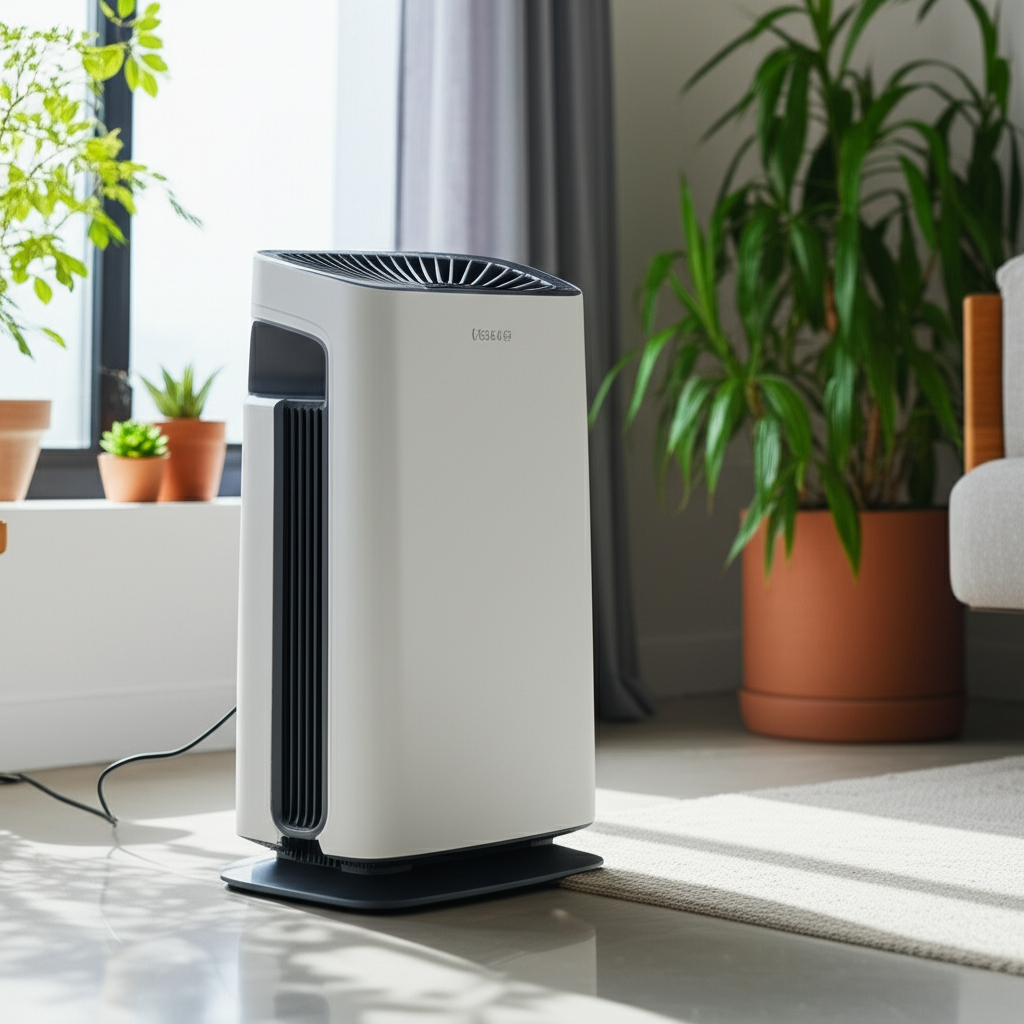
Air purifiers work by drawing in air, passing it through a series of filters, and then releasing cleaner air back into the room. The most crucial filter for allergy sufferers is the HEPA (High-Efficiency Particulate Air) filter, which is designed to capture at least 99.97% of airborne particles as small as 0.3 microns. This includes common culprits like pollen, dust mites, pet dander, and mold spores.
Understanding Different Types of Allergens
Common allergens that plague allergy sufferers include pollen from trees, grasses, and weeds, microscopic dust mites that thrive in bedding and carpets, pet dander shed by cats and dogs, and mold spores often found in damp areas of the home. Smoke, both from tobacco and cooking, can also be a significant irritant for many. An effective air purifier tackles these diverse threats.
Key Features to Look for in a Budget Air Purifier
When shopping for an air purifier on a budget, it’s essential to prioritize features that directly address allergy relief. Not all purifiers are created equal, and some budget models may compromise on crucial filtration technology. Focusing on the right elements will ensure you get the most bang for your buck.
The Importance of True HEPA Filtration
True HEPA filtration is non-negotiable for effective allergy relief. Always look for the “True HEPA” certification, which guarantees the filter meets stringent standards for particle capture. Avoid purifiers that claim “HEPA-like” or “HEPA-type” filters, as these do not offer the same level of performance. This is the single most important factor when choosing an air purifier for allergies.
Activated Carbon Filters for Odors and VOCs
While HEPA filters tackle particles, activated carbon filters are vital for absorbing odors, gases, and volatile organic compounds (VOCs) from sources like cleaning products, paints, and cooking. Many budget air purifiers combine a HEPA filter with an activated carbon layer, offering comprehensive air purification. This dual action provides a more complete solution for a fresher-smelling home.
Coverage Area and CADR Ratings
Consider the room size you intend to purify. Air purifiers are rated for specific square footage, and it’s best to choose a unit that can handle a slightly larger area than you need to ensure efficient air cleaning. The Clean Air Delivery Rate (CADR) indicates how quickly the purifier can clean the air of smoke, dust, and pollen. Higher CADR numbers mean faster purification.
Noise Levels and Sleep Modes
Air purifiers can sometimes be noisy, especially on higher settings. For bedrooms or living areas where quiet is important, look for models with low noise levels (measured in decibels, dB) and a dedicated sleep mode that operates at a reduced fan speed and dims indicator lights. This ensures your purification efforts don’t disrupt your peace.
Filter Replacement Costs
Don’t forget to factor in the ongoing cost of replacement filters. While the initial purchase price might be attractive, expensive replacement filters can quickly add up. Research the cost and availability of replacement HEPA and carbon filters for any model you consider. Some brands offer longer-lasting filters, which can be more cost-effective in the long run.
Top Budget Air Purifier Picks for Allergy Sufferers
Finding the best budget air purifier for allergies involves balancing cost, features, and performance. I’ve researched several models that consistently receive high marks from users struggling with allergies and seeking affordable solutions. These options prioritize True HEPA filtration and effective allergen removal.
Levoit Core 300: A Popular All-Rounder
The Levoit Core 300 is a perennial favorite in the budget air purifier market, and for good reason. It features a three-stage filtration system, including a True HEPA filter, and is remarkably quiet on its lowest setting. Its compact size makes it suitable for bedrooms or small living spaces, and replacement filters are reasonably priced.
Pros: Compact design, quiet operation, affordable price, True HEPA filter.
Cons: Best suited for smaller rooms, may require more frequent filter changes depending on usage.
Coway AP-1512HH Mighty: Performance on a Budget
While sometimes slightly above the strictest “budget” definition, the Coway AP-1512HH Mighty often goes on sale and offers exceptional value. It boasts a True HEPA filter, an activated carbon filter, and an ionizer (which can be turned off if preferred). Its robust performance and auto mode make it a standout choice for allergy relief.
Pros: Excellent air cleaning performance, auto mode adjusts fan speed, energy-efficient, durable.
Cons: Slightly higher initial cost than some other budget options, ionizer feature might be a concern for sensitive individuals.
Winix 5500-2: Smart Features for Less
The Winix 5500-2 is another excellent contender that often dips into budget-friendly territory during promotions. It features a True HEPA filter, washable AOC carbon filter, and PlasmaWave technology (also switchable). Its smart auto mode and air quality sensor make it a user-friendly and effective choice for allergy sufferers.
Pros: Comprehensive filtration, smart sensor and auto mode, quiet operation, good for medium to large rooms.
Cons: PlasmaWave feature is a matter of personal preference, replacement filters can be moderately priced.
Honeywell HPA060/HPA100 Series: Reliable Household Name
Honeywell offers several budget-friendly models that provide reliable air purification. The HPA060 and HPA100 series typically include True HEPA filters and are known for their straightforward operation and effective allergen capture. They are a solid choice for those who prefer a well-established brand.
Pros: Reputable brand, effective HEPA filtration, easy to use, multiple fan speeds.
Cons: Can be slightly louder on higher settings compared to some competitors, design might be considered basic.
Factors Beyond the Purifier Itself
While choosing the best budget air purifier for allergies is crucial, remember that it’s part of a broader strategy for managing your symptoms. Several other practices can significantly enhance the effectiveness of your air purifier and contribute to a healthier home environment. I always recommend a multi-pronged approach.
Understanding Your Specific Allergens
Knowing what triggers your allergies is the first step to effective management. Are you sensitive to pet dander, dust mites, or pollen? Identifying your primary allergens can help you prioritize specific features in an air purifier, such as enhanced carbon filtration for pet odors or a robust HEPA filter for fine particles. Consulting an allergist can provide clarity.
Regular Cleaning and Maintenance
An air purifier works best in a clean environment. Regular dusting, vacuuming (preferably with a HEPA-filter vacuum), and washing bedding in hot water can significantly reduce the number of allergens in your home. This reduces the burden on your air purifier, allowing it to focus on airborne particles. It’s a synergistic effort for cleaner air.
Proper Placement of Your Air Purifier
For optimal performance, place your air purifier in the room where you spend the most time, such as your bedroom or living room. Ensure it has at least a foot of clearance on all sides to allow for proper air circulation. Avoid placing it directly against walls or furniture, which can impede its ability to draw in and filter air effectively.
Making the Most of Your Budget Air Purifier
Once you’ve chosen and set up your best budget air purifier for allergies, a few simple practices can ensure you’re getting the most out of your investment. Consistent use and mindful maintenance are key to long-term relief.
Consistent Operation is Key
For continuous allergy relief, run your air purifier consistently. While it might be tempting to turn it off to save energy, leaving it on a lower setting, especially in rooms where you sleep or spend significant time, provides ongoing filtration. Many models have energy-saving modes or timers that can help manage this. Consistent filtration prevents allergens from accumulating.
Monitor and Replace Filters on Schedule
Adhering to the manufacturer’s recommended filter replacement schedule is vital. Clogged filters become less effective and can even recirculate trapped allergens. Many air purifiers have filter indicator lights to remind you when it’s time for a change. Check your manual for the specific replacement intervals for your model.
Consider Multiple Units for Larger Homes
If you live in a larger home or have multiple areas with high allergen concentrations, a single unit might not be sufficient. Consider purchasing multiple budget-friendly air purifiers for different rooms to ensure comprehensive coverage. This distributed approach can be more cost-effective than investing in one very large, expensive unit.
Frequently Asked Questions About Budget Air Purifiers
Q1: Can a budget air purifier really help with my allergies?
Yes, many budget air purifiers are equipped with True HEPA filters, which are essential for capturing common allergens like pollen, dust mites, and pet dander, providing significant relief.
Q2: How often do I need to replace the filters in a budget air purifier?
Filter replacement frequency varies by model and usage, but typically ranges from 6 to 12 months for HEPA filters. Always check your manufacturer’s recommendations.
Q3: Are air purifiers with ionizers safe for allergy sufferers?
Ionizers can produce ozone, which can be an irritant for some allergy sufferers. Look for models where the ionizer can be turned off or opt for purifiers without this feature altogether.
Q4: What is the most important feature to look for in a budget air purifier for allergies?
The most critical feature is a True HEPA filter, which captures at least 99.97% of airborne particles 0.3 microns in size.
Q5: How large of a room can a budget air purifier effectively cover?
Budget air purifiers are typically designed for small to medium-sized rooms (e.g., up to 200-300 sq ft). Always check the specified coverage area and CADR rating for the model you are considering.
Conclusion: Breathe Freely with the Best Budget Air Purifier for Allergies
Finding the best budget air purifier for allergies doesn’t require a compromise on effectiveness. By focusing on essential features like True HEPA filtration, understanding coverage areas, and considering ongoing filter costs, you can secure a unit that delivers proven relief. Investing in an affordable air purifier is a proactive step towards a healthier, more comfortable home, allowing you to finally breathe easier and enjoy your living space without the constant interruption of allergy symptoms. Make the smart choice for your well-being today.