
Best Air Purifier With HEPA Filter: Essential Guide

Choosing the best air purifier with a HEPA filter is crucial for cleaner indoor air. This guide breaks down what to look for, from filter types and CADR ratings to room size and smart features, ensuring you find the perfect model for your home’s health and comfort.
The air inside our homes can be surprisingly polluted, filled with allergens, dust, pet dander, and even VOCs. This can trigger allergies, worsen asthma, and generally make our living spaces feel less healthy and comfortable. Finding the right solution feels overwhelming, but with a clear understanding of what makes an air purifier effective, you can breathe easier. This essential guide will walk you through everything you need to know to select the best air purifier with a HEPA filter for your specific needs.
Why a HEPA Filter is Essential for Cleaner Air
A HEPA filter is the gold standard for air purification because it’s designed to capture a significant percentage of airborne particles. These filters are rated to trap at least 99.97% of particles that are 0.3 microns in size. This includes microscopic allergens like pollen, mold spores, dust mites, and pet dander that can cause respiratory issues. Investing in a purifier with a true HEPA filter means you’re actively removing these irritants from your breathing space.
Understanding HEPA: True HEPA vs. HEPA-type Filters
It’s important to distinguish between “True HEPA” and “HEPA-type” filters. True HEPA filters meet the stringent standards set by the U.S. Department of Energy, capturing 99.97% of particles at 0.3 microns. HEPA-type or HEPA-like filters, however, only capture a smaller percentage of larger particles, often around 85%. Always look for the “True HEPA” designation to ensure you’re getting the most effective filtration for your home.
Key Features to Look for in the Best Air Purifier with HEPA Filter
When shopping for the best air purifier with a HEPA filter, several features stand out. Beyond the HEPA filter itself, consider pre-filters for larger particles, activated carbon filters for odors and gases, and the unit’s overall build quality. Features like quiet operation, energy efficiency, and ease of maintenance also contribute significantly to a positive user experience.
How to Choose the Right Size: Room Coverage and CADR
The effectiveness of an air purifier is heavily dependent on its ability to clean the air in your specific room. Look for the Clean Air Delivery Rate (CADR) which indicates how quickly the purifier cleans the air of smoke, dust, and pollen. Match the CADR to your room size; a higher CADR means it can clean a larger space more effectively and faster. For example, a room of 300 sq ft might need a CADR of at least 200 for smoke.
Top Picks for the Best Air Purifier with HEPA Filter in [Current Year]
After extensive research and considering user reviews, several models consistently stand out as the best air purifier with a HEPA filter. These units offer a great balance of performance, features, and value. I’ve narrowed down the options to a few top contenders that excel in different areas, ensuring there’s a perfect fit for almost any home.
Coway Airmega 200M: A Budget-Friendly Powerhouse
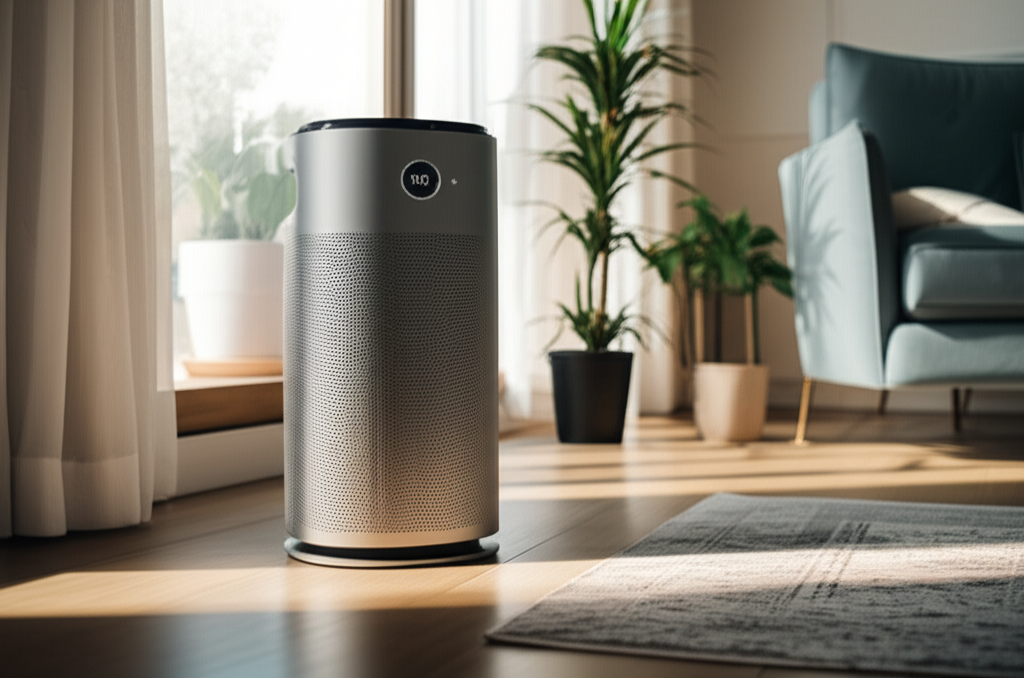
The Coway Airmega 200M is often cited as one of the best air purifiers with a HEPA filter for its affordability and strong performance. It features a multi-stage filtration system, including a True HEPA filter and an activated carbon filter, effectively tackling allergens and odors. Its coverage area is substantial for its price point, making it an excellent value.
Blueair Blue Pure 211+: Stylish and Effective for Larger Spaces
For those needing to purify larger rooms, the Blueair Blue Pure 211+ is a fantastic choice. It boasts an impressive CADR and uses a unique combination of electrostatic and mechanical filtration, alongside a washable fabric pre-filter. Its sleek design also makes it a stylish addition to any home, and it operates relatively quietly.
Levoit Core 300S: Smart Features and Compact Design
The Levoit Core 300S offers smart capabilities, allowing you to control it via a smartphone app, which is a great convenience. This model is perfect for smaller to medium-sized rooms, offering a True HEPA filter and a three-stage filtration system. Its compact footprint makes it easy to place, and it’s known for its quiet operation on lower settings.
Winix 5500-2: Advanced Filtration and Odor Control
The Winix 5500-2 is a highly-rated option for its comprehensive filtration, including a True HEPA filter, activated carbon filter, and PlasmaWave technology. This combination effectively removes allergens, odors, and even some airborne viruses and bacteria. It’s a great choice for pet owners and those sensitive to smells, offering excellent value for its advanced features.
Understanding Additional Filter Types: Carbon and Pre-filters
While HEPA filters are paramount, other filter types enhance an air purifier’s capabilities. Pre-filters capture larger particles like hair and lint, extending the life of the HEPA filter. Activated carbon filters are crucial for absorbing odors from cooking, pets, smoke, and volatile organic compounds (VOCs) released from furniture and cleaning products. A good air purifier often combines these for comprehensive air cleaning.
Air Purifier Maintenance: Filter Replacement and Cleaning
To ensure your best air purifier with a HEPA filter continues to perform optimally, regular maintenance is key. This primarily involves replacing the HEPA filter and any other disposable filters according to the manufacturer’s recommendations, typically every 6-12 months. Some units have washable pre-filters that just need regular cleaning to maintain efficiency. Neglecting maintenance significantly reduces the unit’s effectiveness.
Energy Efficiency and Noise Levels
When selecting the best air purifier with a HEPA filter, consider its energy consumption and noise output. Look for ENERGY STAR certified models, which are more energy-efficient and can save you money on electricity bills. Noise levels are often measured in decibels (dB), with lower numbers indicating quieter operation, especially important for bedrooms or living areas. Many purifiers have a “sleep mode” for ultra-quiet operation at night.
Smart Features and Connectivity
Modern air purifiers often come with smart features like Wi-Fi connectivity, app control, and air quality sensors. These allow you to monitor your home’s air quality remotely, adjust settings, set schedules, and receive filter replacement alerts. While not essential for everyone, these smart capabilities can add significant convenience and control over your indoor environment.
Factors Affecting Air Quality in Your Home
Several factors can degrade your home’s air quality, making the best air purifier with a HEPA filter a wise investment. These include outdoor pollution that seeps in, dust and dirt tracked from outside, pet dander, mold growth due to humidity, and off-gassing from household products and building materials. Understanding these sources helps you appreciate the role of a good air purifier.
Frequently Asked Questions about HEPA Air Purifiers
What is the most important factor when buying an air purifier with a HEPA filter?
The most crucial factor is ensuring it has a True HEPA filter, which captures 99.97% of particles 0.3 microns in size. This guarantees effective removal of allergens and fine dust.
How often do I need to replace the HEPA filter?
Most manufacturers recommend replacing HEPA filters every 6 to 12 months, depending on usage and air quality. Always check your specific model’s manual for exact guidelines.
Can an air purifier with a HEPA filter help with pet allergies?
Absolutely. A True HEPA filter is highly effective at capturing pet dander, a common allergen that causes significant discomfort for allergy sufferers.
Do air purifiers with HEPA filters remove odors?
While HEPA filters excel at capturing particles, they don’t typically remove odors. For odor removal, look for models with an activated carbon filter in addition to the HEPA filter.
What does CADR mean and why is it important?
CADR stands for Clean Air Delivery Rate. It measures how quickly an air purifier can clean the air of smoke, dust, and pollen. A higher CADR means it’s more effective for larger rooms or faster purification.
Are HEPA air purifiers noisy?
Noise levels vary by model and fan speed. Many units offer a quiet or sleep mode for nighttime use. Always check the decibel (dB) rating if noise is a concern.
Can I just clean a HEPA filter instead of replacing it?
Most True HEPA filters are not designed to be washed and should be replaced. Washing can damage the filter media and reduce its effectiveness. Some pre-filters, however, are washable.
Conclusion: Breathe Freely with the Right Air Purifier
Investing in the best air purifier with a HEPA filter is a proactive step towards a healthier home environment. By understanding the different types of filters, crucial features like CADR, and the importance of maintenance, you can confidently choose a unit that meets your needs. Whether you’re battling allergies, dealing with pet odors, or simply seeking cleaner air, a quality HEPA air purifier will make a noticeable difference. I hope this guide empowers you to make an informed decision and enjoy the benefits of purified air in your living space.