
Best Air Purifier For Bedroom Allergies: Proven Relief

Breathe easier tonight with the best air purifier for bedroom allergies, designed to capture airborne allergens like dust, pollen, and pet dander, offering proven relief for a restful sleep.
The struggle with bedroom allergies can feel relentless, stealing precious sleep and leaving you feeling groggy. Waking up with a stuffy nose or itchy eyes is a frustrating experience many of us know too well. Fortunately, the right air purifier can make a significant difference, transforming your bedroom into a sanctuary of clean air. This guide will walk you through everything you need to know to find the best air purifier for bedroom allergies and reclaim your peaceful nights.
Why Your Bedroom Needs an Air Purifier for Allergies
Your bedroom is where you spend a significant portion of your time, especially when sleeping. This makes it a prime location for allergens to accumulate and impact your health. Dust mites, pet dander, pollen tracked in from outside, and even mold spores can all contribute to allergy symptoms. An air purifier actively removes these microscopic irritants from the air, creating a healthier environment.
Understanding How Air Purifiers Work for Allergy Relief
Air purifiers use various filtration technologies to capture airborne particles. The most crucial for allergy sufferers is the High-Efficiency Particulate Air (HEPA) filter, which is designed to trap at least 99.97% of particles as small as 0.3 microns. Other filters, like activated carbon, can tackle odors and gases, further enhancing air quality for a truly refreshed space.
Key Features to Look for in an Allergy-Focused Air Purifier
When choosing the best air purifier for bedroom allergies, prioritize features that directly combat common allergens. Look for a true HEPA filter, sufficient coverage area for your bedroom size, and a quiet operation mode for undisturbed sleep. Additional features like an air quality sensor and timer can add convenience and efficiency to your allergy management strategy.
True HEPA Filtration: The Gold Standard for Allergens
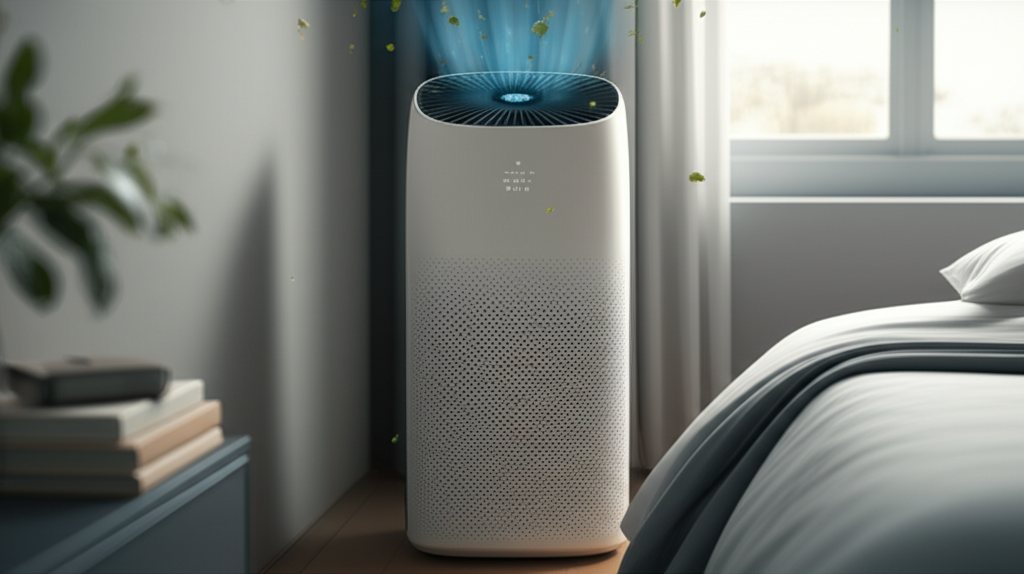
A true HEPA filter is non-negotiable when seeking relief from bedroom allergies. These filters are rigorously tested to meet specific standards for particle removal efficiency. They are incredibly effective at capturing tiny allergens like dust mite feces, pet dander, pollen, and mold spores that can trigger sneezing, congestion, and other uncomfortable symptoms.
Coverage Area and Room Size Considerations
Selecting an air purifier with an appropriate Clean Air Delivery Rate (CADR) for your bedroom size is essential. The CADR indicates how quickly the unit can filter a room of a certain size. Ensure the purifier’s CADR rating is suitable for your bedroom dimensions to guarantee effective air cleaning throughout the space.
Noise Levels: Prioritizing Peaceful Sleep
Allergy sufferers often need a quiet environment to sleep soundly. Look for air purifiers with low decibel (dB) ratings, especially on their lowest fan settings or dedicated sleep modes. Many units offer whisper-quiet operation, ensuring you can enjoy clean air without disruptive noise.
Activated Carbon Filters: Tackling Odors and VOCs
While HEPA filters capture particles, activated carbon filters excel at absorbing odors, gases, and Volatile Organic Compounds (VOCs). This is particularly beneficial if your allergies are exacerbated by pet odors, cooking smells, or off-gassing from furniture and cleaning products. A combination HEPA and activated carbon filter offers comprehensive air purification.
Additional Features for Enhanced Allergy Relief
Consider air purifiers with features like an air quality sensor, which automatically adjusts fan speed based on detected pollutants. A timer function allows you to set the purifier to run for specific periods, saving energy and ensuring continuous relief. Some models also include pre-filters to capture larger particles, extending the life of the main HEPA filter.
Top Air Purifier Models for Bedroom Allergies in [Current Year]
After extensive research and considering user reviews, here are some of the top contenders for the best air purifier for bedroom allergies. These models consistently perform well in removing allergens and providing a comfortable sleep environment.
| Air Purifier Model | Key Features | Best For | Price Range |
|—|—|—|—|
| Coway Airmega AP-1512HH Mighty | True HEPA, Activated Carbon, Eco Mode, Air Quality Sensor | Medium Bedrooms, All-around Performance | $$ |
| Blueair Blue Pure 411 | Washable Pre-filter, HEPASilent Technology, Compact Design | Small Bedrooms, Simplicity | $ |
| Levoit Core 300S | True HEPA, Smart Control, Quiet Operation, Compact | Small to Medium Bedrooms, Smart Home Integration | $$ |
| Winix 5500-2 | True HEPA, PlasmaWave Technology, Odor Control, Auto Mode | Medium Bedrooms, Pet Allergies | $$ |
| Honeywell HPA300 | True HEPA, High CADR, Germ Reduction, Multiple Fan Speeds | Larger Bedrooms, Powerful Filtration | $$$ |
Coway Airmega AP-1512HH Mighty: A Powerful All-Rounder
The Coway Airmega AP-1512HH Mighty is often cited as one of the best air purifiers for allergies. Its multi-stage filtration system, including a true HEPA filter and an activated carbon filter, effectively captures 99.97% of airborne pollutants. The unit’s smart sensor and eco-mode make it energy-efficient, while its quiet operation ensures it won’t disturb your sleep.
Blueair Blue Pure 411: Compact and Effective for Small Spaces
For smaller bedrooms, the Blueair Blue Pure 411 offers a stylish and effective solution. Its HEPASilent technology combines electrostatic and mechanical filtration to remove allergens efficiently. The washable fabric pre-filter catches larger particles, prolonging the life of the main filter, and its compact design makes it easy to place anywhere.
Levoit Core 300S: Smart Features for Modern Allergy Relief
The Levoit Core 300S is a popular choice for its combination of true HEPA filtration, smart capabilities, and quiet performance. You can control it via the VeSync app, set schedules, and receive filter life notifications. Its compact cylindrical design ensures 360-degree air intake, making it highly efficient for its size.
Winix 5500-2: Excellent for Pet Owners and Odor Control
If pet dander is a primary concern, the Winix 5500-2 is an excellent option. It features a true HEPA filter, an activated carbon filter, and the company’s PlasmaWave technology, which breaks down airborne pollutants. The auto mode adjusts fan speed based on air quality, and it’s particularly effective at removing pet odors.
Honeywell HPA300: For Larger Bedrooms Needing Robust Filtration
The Honeywell H300 is a powerhouse, designed for larger rooms and capable of filtering allergens quickly. It boasts a high CADR and a true HEPA filter, making it ideal for those with severe allergies. Its multiple fan speeds and germ reduction capabilities offer comprehensive air cleaning for your bedroom.
Maintaining Your Air Purifier for Optimal Allergy Relief
To ensure your air purifier continues to provide the best air purifier for bedroom allergies experience, regular maintenance is crucial. This primarily involves cleaning or replacing the filters according to the manufacturer’s recommendations. Neglecting filter maintenance can significantly reduce the unit’s effectiveness and potentially recirculate allergens.
Filter Replacement Schedule: When and Why
HEPA filters typically need replacement every 6 to 12 months, depending on usage and the air quality in your home. Activated carbon filters may need replacing more frequently, often every 3 to 6 months, as they become saturated with odors and gases. Always consult your air purifier’s manual for specific replacement guidelines.
Cleaning Pre-Filters: Extending Filter Life
Many air purifiers come with a washable pre-filter that captures larger particles like hair and lint. Regularly cleaning this pre-filter, often by vacuuming or rinsing it, can significantly extend the life of your more expensive HEPA and carbon filters. This simple step can save you money and improve overall performance.
Common Air Purifier Myths Debunked for Allergy Sufferers
It’s easy to get lost in the sea of information about air purifiers. Let’s clear up some common misconceptions to help you make an informed decision for your bedroom allergies.
Myth 1: All Air Purifiers Are the Same
This is far from true. The effectiveness of an air purifier heavily depends on its filtration technology (especially the presence of a true HEPA filter), CADR rating, and build quality. A unit designed for a large living room won’t be as effective in a small bedroom, and vice-versa.
Myth 2: Ionizers and Ozone Are Always Beneficial
While some air purifiers use ionizers to charge particles and make them easier to capture, they can also produce ozone as a byproduct. Ozone is a lung irritant and can worsen allergy symptoms. Look for air purifiers that are certified as low or no-ozone producing, or opt for models without ionizers if you are sensitive.
Myth 3: You Only Need an Air Purifier During Allergy Season
Allergens like dust mites and pet dander are present year-round. While seasonal allergens like pollen are more prevalent at certain times, continuous air purification provides consistent relief from these persistent irritants, leading to better long-term health and comfort.
Expert Tips for Maximizing Your Air Purifier’s Effectiveness
To truly benefit from the best air purifier for bedroom allergies, consider these expert tips. These strategies can help you get the most out of your investment and create a healthier sleeping environment.
Placement is Key: Where to Put Your Purifier
For optimal performance, place your air purifier in a location where air can circulate freely around it. Avoid placing it directly against walls or furniture, as this can impede airflow. Placing it near the source of allergens, such as a pet’s favorite spot, can also be beneficial.
Running Your Purifier Continuously for Best Results
To maintain consistently clean air, it’s best to run your air purifier continuously, especially in your bedroom. Modern units are energy-efficient, and keeping them on at a low setting ensures that allergens are constantly being removed, preventing them from accumulating to trigger-symptom levels.
Complementary Allergy Management Strategies
An air purifier is a powerful tool, but it’s most effective when part of a broader allergy management plan. Regular vacuuming with a HEPA filter, dusting with a damp cloth, washing bedding in hot water, and controlling humidity levels can further reduce allergens in your bedroom.
Frequently Asked Questions About Air Purifiers for Bedroom Allergies
Q1: How often should I run my air purifier for allergies?
It’s recommended to run your air purifier continuously, especially in the bedroom, to maintain optimal air quality and prevent allergen buildup. Most modern units are energy-efficient enough for this.
Q2: Can an air purifier cure my allergies?
No, an air purifier cannot cure allergies. However, it can significantly reduce airborne allergens, thereby alleviating symptoms and improving your quality of life.
Q3: What size air purifier do I need for my bedroom?
You need to match the air purifier’s CADR (Clean Air Delivery Rate) to the square footage of your bedroom. Manufacturers usually provide room size recommendations for their units.
Q4: How do I know if my air purifier is working?
You can often tell if your air purifier is working by noticing a reduction in dust accumulation, fewer allergy symptoms, and sometimes by the unit’s air quality indicator light. Regularly checking and replacing filters is also key.
Q5: Are air purifiers noisy?
While some can be, many modern air purifiers are designed for quiet operation, especially on lower fan speeds or in sleep modes, making them suitable for bedrooms. Look for units with low decibel ratings.
Q6: What is the difference between a HEPA filter and a true HEPA filter?
A “true HEPA” filter is certified to capture at least 99.97% of airborne particles 0.3 microns in size. “HEPA-type” or “HEPA-like” filters may not meet this stringent standard. Always look for “true HEPA” for allergy relief.
Conclusion: Invest in Your Sleep and Well-being
Finding the best air purifier for bedroom allergies is a crucial step towards achieving restful sleep and a healthier living environment. By understanding the key features like true HEPA filtration, appropriate room coverage, and quiet operation, you can make an informed choice. Regularly maintaining your chosen unit ensures it continues to provide proven relief from dust, pollen, pet dander, and other common allergens. Investing in a quality air purifier is an investment in your well-being, allowing you to wake up feeling refreshed and ready to face the day, free from the disruptive symptoms of allergies.