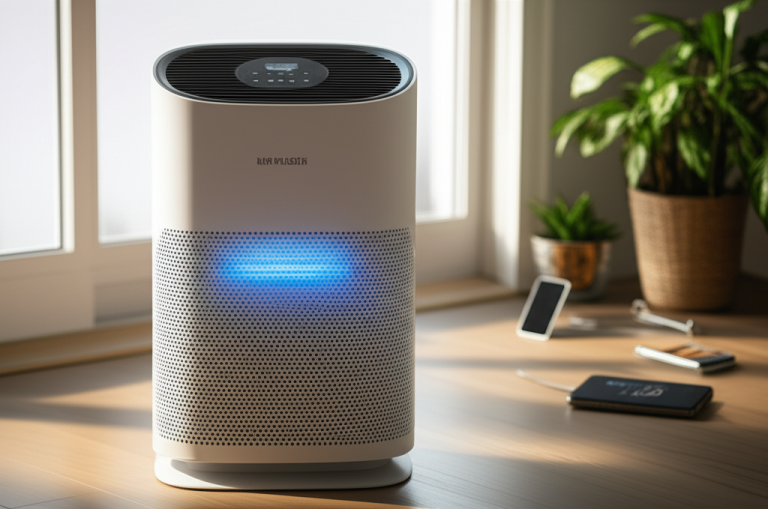
Best Air Purifier for Bedroom Allergies: Proven Relief

Breathe easier tonight with the best air purifier for bedroom allergies. Discover top-rated models proven to eliminate allergens like dust, pollen, pet dander, and mold, offering proven relief and a healthier sleep environment. This guide helps you choose the perfect solution for your needs.
For many of us, the bedroom should be a sanctuary of rest, but nighttime sneezing, itchy eyes, and congestion tell a different story. Airborne allergens like dust mites, pet dander, pollen, and mold spores often make their way into our most personal spaces, disrupting sleep and exacerbating allergy symptoms. Finding the right solution can feel overwhelming, but it doesn’t have to be. I’m here to guide you through selecting the best air purifier for bedroom allergies, offering proven relief and a path to a more comfortable, healthier night’s sleep.
Why Your Bedroom Needs an Air Purifier for Allergy Relief
Your bedroom is where you spend roughly a third of your life, making it a prime location for allergen accumulation. Even with regular cleaning, microscopic particles can linger in the air, triggering allergic reactions. An air purifier acts as a powerful defense, actively removing these irritants from your breathing zone.
The Silent Culprits: Common Bedroom Allergens
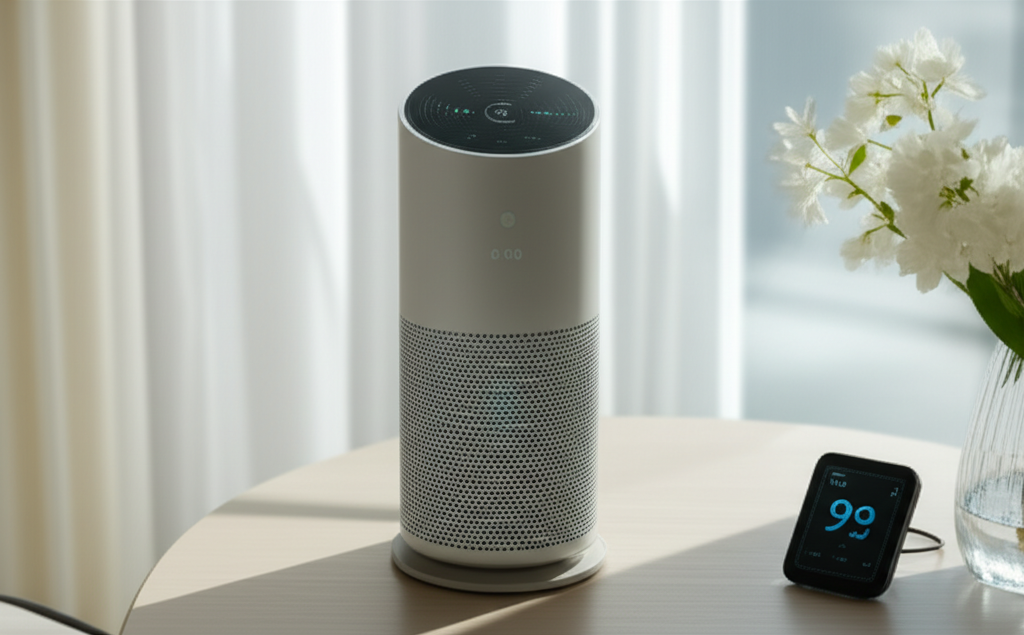
Dust mites, microscopic creatures that thrive in bedding and carpets, are a major source of indoor allergies. Pet dander, tiny flakes of skin shed by furry friends, easily circulates in the air. Pollen tracked in from outdoors and mold spores from damp areas also contribute to poor indoor air quality.
Key Features to Look For in an Allergy-Focused Air Purifier
When searching for the best air purifier for bedroom allergies, certain features are non-negotiable. These components work together to capture and neutralize a wide range of airborne irritants effectively. Prioritizing these will ensure you get the most relief.
True HEPA Filters: The Gold Standard for Allergens
A True HEPA (High-Efficiency Particulate Air) filter is essential. It’s certified to capture at least 99.97% of airborne particles as small as 0.3 microns. This includes dust, pollen, pet dander, mold spores, and even some bacteria and viruses, making it a cornerstone for allergy sufferers.
Activated Carbon Filters: Tackling Odors and VOCs
Beyond particles, many allergens come with accompanying odors or volatile organic compounds (VOCs) from cleaning products or furniture. An activated carbon filter adsorbs these gases and smells, further purifying the air and creating a fresher sleeping environment. This dual-filter approach is crucial for comprehensive relief.
CADR Ratings: Measuring Purification Power
Clean Air Delivery Rate (CADR) indicates how quickly an air purifier can clean a room of specific pollutants like smoke, dust, and pollen. Higher CADR ratings mean faster purification. For a bedroom, choose a unit with a CADR appropriate for your room size to ensure efficient allergen removal.
Room Size Coverage and Air Changes Per Hour (ACH)
Matching the purifier’s capacity to your bedroom’s square footage is vital. Look for the recommended room size and the Air Changes per Hour (ACH) rating. An ACH of 4 or 5 means the unit can filter the entire room’s air that many times per hour, which is ideal for allergy sufferers.
Noise Levels: Ensuring a Peaceful Sleep
Since the purifier will likely run overnight, noise levels are a critical consideration. Many purifiers offer a “sleep mode” or operate at very low decibels on lower settings. Look for units that are quiet enough not to disrupt your sleep, typically below 50 decibels on their lowest setting.
Top Air Purifier Models for Bedroom Allergies (2024)
Based on performance, features, and user reviews, here are some of the best air purifier options for tackling bedroom allergies. I’ve focused on models that consistently deliver proven relief.
Coway Airmega AP-1512HH Mighty
This compact yet powerful purifier is a fan favorite for a reason. Its True HEPA filter, combined with an activated carbon filter and an ionizer (which can be turned off), effectively captures allergens and odors. The automatic mode adjusts fan speed based on air quality, and its quiet operation makes it ideal for bedrooms.
Levoit Core 300S
A budget-friendly yet highly effective option, the Levoit Core 300S features a 3-stage filtration system including a True HEPA filter. Its compact cylindrical design fits easily into any bedroom. Smart features like app control and voice commands add convenience, and it operates quietly on its lowest setting.
Blueair Blue Pure 211+ Auto
Known for its sleek design and exceptional performance, the Blue Pure 211+ Auto uses a unique combination of electrostatic and mechanical filtration. It boasts a high CADR and excellent energy efficiency. The washable fabric pre-filter comes in various colors, and it excels at removing allergens and dust from medium to large rooms.
Winix 5500-2 Air Purifier
This model is a strong contender, featuring a True HEPA filter, an activated carbon filter, and PlasmaWave technology (which can also be disabled). It’s effective against a wide range of allergens and odors. The auto mode and quiet sleep mode make it user-friendly for bedroom use.
Understanding Different Filter Types and Their Roles
Beyond the HEPA and carbon filters, understanding the layers of filtration can help you appreciate how an air purifier works to provide relief from bedroom allergies. Each component plays a specific role in cleaning your air.
Pre-filters: The First Line of Defense
Most air purifiers include a pre-filter. This washable layer captures larger particles like hair, lint, and larger dust clumps. Protecting the more sensitive HEPA filter, it extends the lifespan of the entire unit and maintains its efficiency.
HEPA vs. HEPA-Type Filters: What’s the Difference?
It’s crucial to distinguish between “True HEPA” and “HEPA-type” filters. True HEPA filters meet the strict standard of capturing 99.97% of 0.3-micron particles. HEPA-type or HEPA-like filters may capture a similar percentage but often at a larger particle size or a lower efficiency, so always look for “True HEPA.”
Ionizers and UV-C Lights: Additional Technologies
Some air purifiers incorporate ionizers, which release negatively charged ions to clump particles together, making them easier to capture. UV-C light technology is also sometimes included to kill airborne bacteria and viruses. While beneficial for some, it’s important to ensure ionizers don’t produce ozone, which can be an irritant.
Setting Up and Maintaining Your Air Purifier for Maximum Allergy Relief
Proper setup and consistent maintenance are key to ensuring your air purifier continues to provide the best relief from bedroom allergies. Neglecting these steps can reduce its effectiveness over time.
Optimal Placement in Your Bedroom
Place the air purifier in a location where air can circulate freely around it. Avoid corners or placing it directly against walls or furniture. Placing it near your bed, at head-level if possible, can maximize the clean air delivered directly to your breathing zone.
Regular Filter Replacement Schedule
HEPA and carbon filters have a limited lifespan and need regular replacement. Follow the manufacturer’s recommendations, typically every 6-12 months for HEPA filters and more frequently for carbon filters. This ensures the purifier continues to capture allergens efficiently.
Cleaning and General Care
Beyond filter replacement, periodically clean the pre-filter and the exterior of the unit. Dust buildup on the unit can hinder performance. Refer to your air purifier’s manual for specific cleaning instructions to keep it running optimally.
Are Air Purifiers Really Effective for Bedroom Allergies?
The effectiveness of air purifiers for allergy relief is well-documented. By consistently removing allergens from the air, they can significantly reduce exposure, leading to fewer allergy symptoms and improved sleep quality. Clinical studies have shown their benefit in reducing airborne allergens and improving respiratory health.
Scientific Evidence Supporting Air Purifier Efficacy
Research from institutions like the American College of Allergy, Asthma & Immunology (ACAAI) supports the use of air purifiers as part of a comprehensive allergy management plan. They can help reduce the concentration of allergens in indoor environments, providing tangible relief for sufferers.
Real-World User Experiences and Testimonials
Countless individuals report significant improvements in their allergy symptoms after using an air purifier in their bedroom. Many share stories of reduced congestion, less frequent sneezing, and more restful sleep, validating the proven relief these devices offer.
Factors Beyond the Purifier: A Holistic Approach to Allergy Management
While the best air purifier for bedroom allergies is a powerful tool, it’s part of a larger strategy. Addressing other sources of allergens in your bedroom environment will enhance the purifier’s effectiveness.
Minimizing Dust Mites in Bedding
Encase your mattress and pillows in allergen-proof covers. Wash bedding frequently in hot water (at least 130°F or 54°C) to kill dust mites. Consider using dust mite-resistant pillow and duvet inserts.
Controlling Pet Dander
If pets are allowed in the bedroom, grooming them regularly, ideally outdoors, can reduce dander. Keep pets off the bed and out of the bedroom altogether if your allergies are severe. Frequent vacuuming with a HEPA-filter vacuum is also recommended.
Managing Humidity and Mold Growth
High humidity can encourage mold growth, a common allergen. Aim for indoor humidity levels between 30-50%. Use a dehumidifier in damp areas and ensure good ventilation to prevent moisture buildup.
Frequently Asked Questions About Air Purifiers for Bedroom Allergies
Here are answers to some common questions I hear from people looking for relief.
Q1: How often should I run my air purifier for allergies?
For maximum benefit, it’s recommended to run your air purifier continuously, especially in the bedroom. This ensures a constant reduction of allergens in the air.
Q2: Can an air purifier help with my pet allergies?
Yes, air purifiers with True HEPA filters are highly effective at capturing pet dander, a primary trigger for pet allergies. Regular filter replacement is key.
Q3: Do air purifiers make noise that will disturb my sleep?
Many modern air purifiers are designed to be very quiet, especially on lower settings or in sleep modes. Look for models with decibel ratings below 50 dB for peaceful sleep.
Q4: How do I know if my air purifier is working effectively?
You should notice a reduction in allergy symptoms like sneezing, coughing, and congestion. Some purifiers also have air quality indicators that show real-time improvements.
Q5: Can I turn off the ionizer feature on my air purifier?
Most air purifiers with ionizers allow you to turn this feature on or off. If you are sensitive to ozone or prefer not to use ionization, you can disable it.
Q6: How long do air purifier filters last?
HEPA filters typically last between 6 to 12 months, depending on usage and air quality. Activated carbon filters may need replacement more often. Always check the manufacturer’s recommendations.
Conclusion: Your Path to Allergy-Free Sleep Starts Here
Investing in the best air purifier for bedroom allergies is a significant step towards reclaiming your comfort and improving your overall well-being. By understanding the key features, choosing a reputable model, and maintaining it properly, you can effectively reduce airborne allergens and enjoy the restorative sleep you deserve. Breathe deeply and sleep soundly, knowing you’ve taken control of your bedroom’s air quality.