
Are Air Purifiers Cold? Essential Guide

Air purifiers don’t inherently make a room cold. While some models might emit a slight cool breeze, this is usually due to the fan, not the purification process itself. Understanding how air purifiers work helps clarify this common concern, ensuring you can enjoy cleaner air without worrying about a chilly environment.
The hum of an air purifier is often a comforting sound, promising cleaner air. Yet, a common question arises: do air purifiers make a room cold? It’s a valid concern, especially if you’re sensitive to temperature changes or live in a cooler climate. Many people wonder if the process of filtering air somehow chills the room. This guide will demystify how air purifiers function and address the question of whether they impact room temperature, ensuring you can make an informed decision for your home’s comfort and air quality.
Do Air Purifiers Emit Cold Air?
Air purifiers themselves do not have a cooling mechanism like an air conditioner. The air that passes through them is filtered, not refrigerated. Any sensation of cool air is typically a byproduct of the fan circulating air, which can feel cooler than the ambient room temperature, especially if the air is moving.
Key Takeaway: The fan is the primary reason you might feel a slight breeze, not a cooling function of the purification process.
Understanding Air Purifier Mechanics
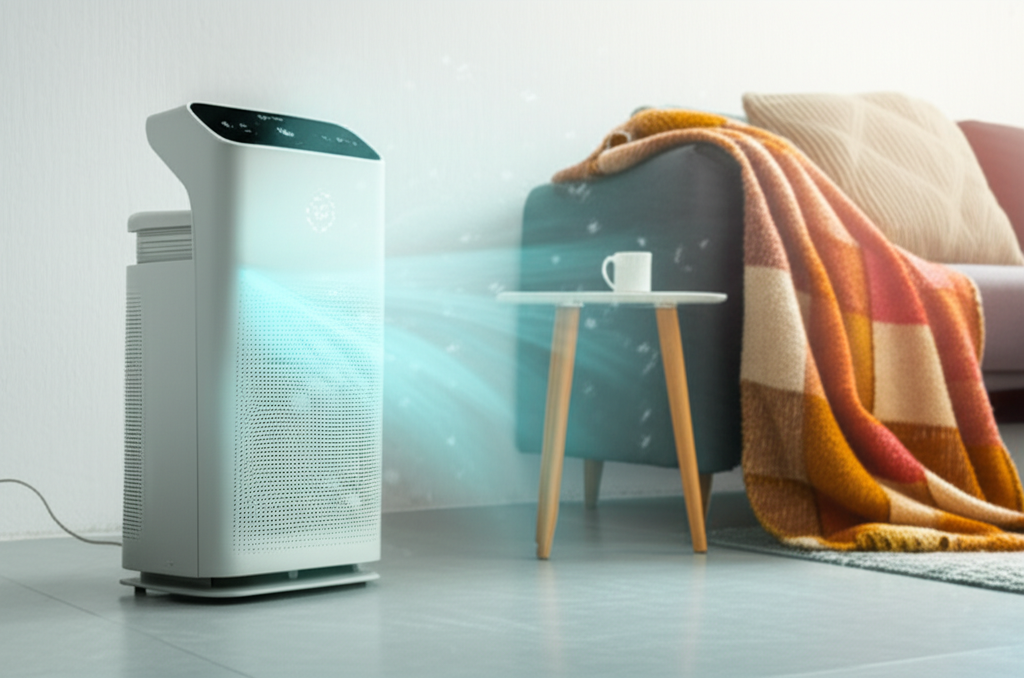
Air purifiers work by drawing in room air, passing it through a series of filters, and then expelling the cleaner air back into the room. The core components are the fan, the motor, and the filtration system (often including a pre-filter, HEPA filter, and activated carbon filter). The fan is crucial for moving air through these filters.
Key Takeaway: The fan’s job is to circulate air for filtration, not to cool it.
The Role of the Fan
The fan is essential for an air purifier’s operation. It creates the airflow necessary to pull pollutants from the air and push purified air back out. The speed of the fan directly influences how much air is processed and how noticeable any airflow might be. Higher fan speeds will result in more air movement, potentially creating a more pronounced breeze.
Key Takeaway: A stronger fan means more air circulation, which can feel like a cool breeze.
Why You Might Feel a Breeze
When an air purifier is running, especially on a higher setting, the fan is actively moving air. This movement of air across your skin can create a cooling sensation, similar to standing in front of a regular fan. It’s important to distinguish this from actual temperature reduction; the air being expelled is at room temperature, just cleaner.
Key Takeaway: The cooling sensation is due to air movement, not a drop in the room’s actual temperature.
Air Purifier vs. Air Conditioner
It’s crucial to differentiate an air purifier from an air conditioner. Air conditioners actively remove heat from the air through a refrigeration cycle, lowering the room’s temperature. Air purifiers, on the other hand, focus solely on removing airborne particles like dust, pollen, smoke, and odors. They do not alter the thermal properties of the air.
Key Takeaway: Air conditioners cool; air purifiers clean.
Factors Influencing Perceived Temperature
Several factors can influence whether you perceive an air purifier as making a room colder. The fan speed is a primary factor. Additionally, the ambient temperature of the room, the placement of the air purifier, and individual sensitivity to airflow can all play a role in how the output air feels.
Key Takeaway: Fan speed, room temperature, and personal perception affect how the air purifier feels.
Fan Speed Settings
Most air purifiers come with multiple fan speed settings, from low to high. Running your air purifier on a lower setting will result in less air movement and a less noticeable breeze. If you are sensitive to cool drafts, opting for a lower fan speed or a model with an auto mode that adjusts based on air quality can be beneficial.
Key Takeaway: Adjusting fan speed allows you to control the intensity of the airflow.
Placement and Room Size
The placement of your air purifier can also affect how you perceive its output. Placing it too close to where you sit or sleep might make the airflow more noticeable. For larger rooms, the airflow from a single unit might be less impactful on the overall perceived temperature. Consider the room’s layout and your personal comfort zones.
Key Takeaway: Strategic placement can minimize or maximize the sensation of airflow.
Can Air Purifiers Affect Humidity?
Air purifiers do not directly affect humidity levels. They are not designed to add or remove moisture from the air. While some air purifiers might have additional features like humidifiers or dehumidifiers, a standard air purifier’s primary function is filtration, which doesn’t impact the moisture content of the air.
Key Takeaway: Standard air purifiers do not change the humidity in your room.
Understanding Airflow and Humidity
Air movement can sometimes make humid air feel less oppressive, and dry air feel more so. However, this is a perceptual effect related to how sweat evaporates from your skin, not a change in the actual humidity. The air being expelled by the purifier has the same moisture content as the air it took in.
Key Takeaway: Perceived changes in humidity are due to airflow, not actual moisture removal or addition.
When Air Purifiers Might Seem “Cold”
In specific scenarios, an air purifier might seem to contribute to a cooler environment. If the air intake is near a cold window or draft, the purifier might circulate that cooler air. Also, if the room is already at a low temperature, the constant circulation of air, even if at room temperature, can enhance the feeling of coolness.
Key Takeaway: External factors like drafts or existing low temperatures can amplify the perceived coolness.
The Impact of HEPA Filters
HEPA filters are designed to capture very fine particles. While they are highly effective at cleaning the air, they do not generate cold. The process of air passing through the dense HEPA filter might slightly reduce the air pressure, but this effect is negligible in terms of noticeable temperature change. The primary interaction with the filter is particle capture.
Key Takeaway: HEPA filters capture particles, not heat.
Choosing the Right Air Purifier for Comfort
When selecting an air purifier, consider models with adjustable fan speeds and an auto mode. Brands like Coway, Levoit, and Blueair offer units with these features, allowing you to tailor the operation to your comfort needs. Reading reviews and understanding the specific airflow (CADR) ratings can also help you choose a unit that balances effective purification with minimal disruptive airflow.
Key Takeaway: Look for adjustable fan speeds and auto modes for optimal comfort.
Key Features for Temperature Sensitivity
If you are sensitive to drafts, prioritize air purifiers with:
- Variable Fan Speeds: Allows you to select a low setting for minimal airflow.
- Auto Mode: Adjusts fan speed based on detected air quality, often running quieter and slower when air is clean.
- Quiet Operation: Models designed for quietness often have more refined fan engineering.
- Upward Airflow: Some designs direct air upwards, which can feel less direct than front-facing vents.
Key Takeaway: Features like variable fan speeds and auto mode enhance user comfort.
Maintaining Your Air Purifier for Optimal Performance
Regular maintenance is key to ensuring your air purifier functions efficiently and quietly. This includes cleaning or replacing filters as recommended by the manufacturer. Dirty filters can impede airflow, making the fan work harder and potentially increasing noise or perceived drafts. Following maintenance schedules, like those recommended by brands such as Dyson or Honeywell, ensures consistent performance.
Key Takeaway: Clean filters are essential for efficient and comfortable operation.
Filter Replacement Schedule
The lifespan of filters varies depending on the model and usage. Pre-filters often need cleaning every few weeks, while HEPA and carbon filters typically need replacement every 6-12 months. Check your air purifier’s manual for specific recommendations. Timely replacement ensures optimal air purification and prevents strain on the fan motor.
Key Takeaway: Adhere to manufacturer guidelines for filter replacement to maintain performance.
Frequently Asked Questions (FAQs)
Q1: Do air purifiers make a room colder?
No, air purifiers do not have a cooling function. Any sensation of cold air is due to the fan circulating air, not a change in the air’s temperature.
Q2: Can I feel a draft from an air purifier?
Yes, you might feel a draft, especially on higher fan settings. This is simply the air being moved by the fan.
Q3: How can I reduce the draft from my air purifier?
Use a lower fan speed setting, place the purifier further away from your seating or sleeping area, or choose a model with an upward airflow design.
Q4: Do air purifiers affect humidity?
Standard air purifiers do not affect humidity levels. They are designed for air filtration only.
Q5: Are there air purifiers that also cool the air?
Some devices combine air purification with fan or cooling functions, but these are typically marketed as “air cooler purifiers” or “fan purifiers,” not standard air purifiers.
Q6: When should I replace my air purifier filters?
Filter replacement schedules vary, but typically HEPA and carbon filters need replacing every 6-12 months. Always check your model’s manual.
Conclusion
In summary, the answer to “are air purifiers cold?” is a definitive no. Air purifiers are designed to clean your air, not to alter its temperature. The cool breeze you might feel is a direct result of the fan circulating air, a necessary component for the purification process. By understanding how these devices work and considering factors like fan speed and placement, you can ensure your air purifier enhances your home’s air quality without compromising your comfort. Choose models with adjustable settings and maintain them properly for the best experience.
