
Are Air Purifiers Worth It UK? Essential Guide

Yes, air purifiers can be worth it in the UK, especially for those with allergies, asthma, or living in areas with high pollution, as they effectively remove airborne irritants and improve indoor air quality.
Are air purifiers worth it in the UK? This is a question many of us are asking as we spend more time indoors and become increasingly aware of the air we breathe. From seasonal pollen to traffic fumes and even everyday household dust, our indoor environments can harbour a surprising amount of pollutants. If you’re wondering whether investing in an air purifier is the right choice for your home, you’ve come to the right place. I’ll guide you through the benefits, drawbacks, and key considerations to help you make an informed decision.
Understanding Indoor Air Quality in the UK
Indoor air quality (IAQ) in the UK can be significantly impacted by a range of factors, often more than we realise. Common indoor pollutants include dust mites, pet dander, mould spores, volatile organic compounds (VOCs) from cleaning products and furniture, and even outdoor pollution seeping in. These can trigger allergies, worsen respiratory conditions, and generally reduce comfort. Understanding these sources is the first step to improving your home’s air.
Key takeaway: Indoor air can be more polluted than outdoor air, affecting your health and comfort.
The Science Behind Air Purifiers
Air purifiers work by drawing in air, passing it through a filtration system, and releasing cleaner air back into the room. The most common and effective type of filter is the High-Efficiency Particulate Air (HEPA) filter, which is designed to capture at least 99.97% of airborne particles as small as 0.3 microns. Other filters, like activated carbon, target gases and odours.
Key takeaway: HEPA filters are crucial for capturing tiny particles that affect air quality.
Who Benefits Most from an Air Purifier in the UK?
Individuals suffering from allergies and asthma often find significant relief with air purifiers. By removing allergens like pollen, dust mites, and pet dander from the air, these devices can reduce symptoms such as sneezing, coughing, and itchy eyes. People living in urban areas with higher levels of traffic pollution or those with respiratory sensitivities also stand to gain considerably.
Key takeaway: Allergy and asthma sufferers, plus those in polluted areas, see the most significant benefits.
Are Air Purifiers Worth It for General Home Use?
Even if you don’t have specific respiratory conditions, an air purifier can contribute to a healthier living environment. They can help reduce lingering cooking smells, smoke, and general household odours, creating a fresher atmosphere. For families with young children or elderly relatives, maintaining optimal IAQ is an added layer of protection for vulnerable individuals.
Key takeaway: General home use can lead to a fresher, more pleasant living environment for everyone.
Key Features to Look For in a UK Air Purifier
When choosing an air purifier for your UK home, consider several key features. Look for a HEPA filter (True HEPA is best), an activated carbon filter for odours and gases, and an appropriate CADR (Clean Air Delivery Rate) for your room size. Energy efficiency, noise levels, and additional features like smart controls or air quality sensors are also important considerations.
Key takeaway: Prioritise True HEPA filters, appropriate CADR, and energy efficiency.
HEPA Filters: The Gold Standard
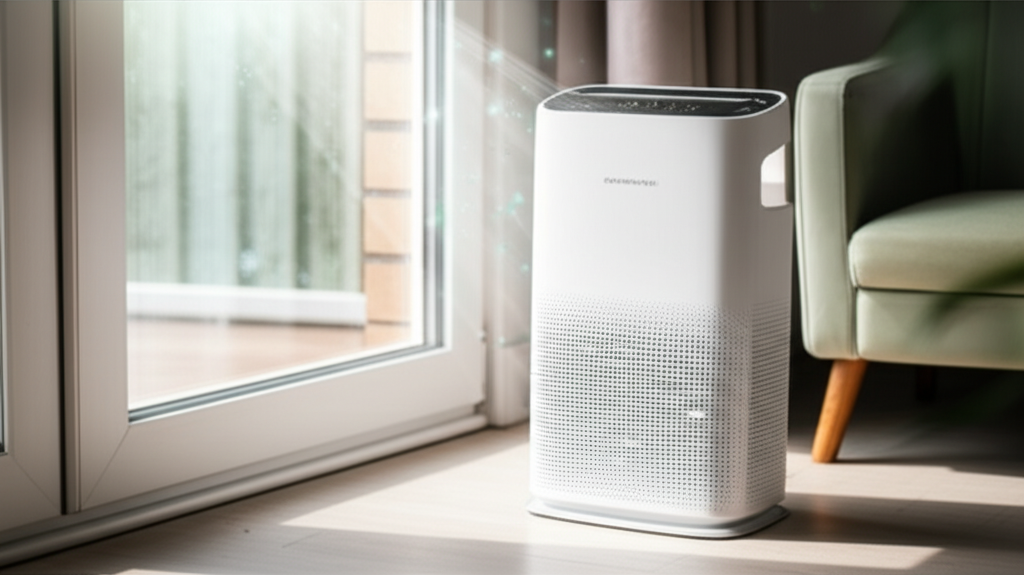
True HEPA filters are the benchmark for effective air purification. They are certified to capture 99.97% of particles down to 0.3 microns, which includes common allergens, bacteria, and viruses. Ensure the model you choose explicitly states it has a True HEPA filter, not just “HEPA-type” or “HEPA-like,” which are less effective.
Key takeaway: Always opt for “True HEPA” filters for maximum particle capture.
Activated Carbon Filters for Odours and Gases
While HEPA filters tackle particles, activated carbon filters are essential for removing odours, smoke, and harmful VOCs. These porous materials trap gas molecules, making them ideal for kitchens, homes with smokers, or areas where chemical fumes might be present. Many purifiers combine HEPA and carbon filters for comprehensive cleaning.
Key takeaway: Activated carbon filters are vital for eliminating smells and chemical pollutants.
Understanding CADR and Room Size
The Clean Air Delivery Rate (CADR) indicates how quickly an air purifier can clean a specific room size. It’s measured for smoke, dust, and pollen. A higher CADR means faster air cleaning. Always match the purifier’s CADR to your room’s square footage to ensure it operates effectively. Manufacturers usually provide recommended room sizes.
Key takeaway: Match the air purifier’s CADR to your room size for optimal performance.
Cost of Ownership: Beyond the Initial Purchase
The cost of an air purifier isn’t just the upfront purchase price. You’ll also need to factor in the ongoing expense of replacement filters. HEPA filters typically need replacing every 6-12 months, and activated carbon filters may need replacing more frequently. Energy consumption is another factor to consider, though many modern units are quite energy-efficient.
Key takeaway: Budget for ongoing filter replacement and electricity costs.
Are Air Purifiers Worth It UK: Pros and Cons
Here’s a breakdown of the advantages and disadvantages to help you decide if an air purifier is worth the investment for your UK home.
| Pros | Cons |
|---|---|
| Reduces allergens and asthma triggers | Ongoing cost of replacement filters |
| Removes odours and smoke | Requires regular maintenance (filter changes) |
| Can capture bacteria and viruses | Energy consumption, though often minimal |
| Improves general indoor air quality | Initial purchase cost can vary significantly |
| Helps create a fresher living environment | Effectiveness depends on room size and unit placement |
Key takeaway: Weigh the health benefits against the ongoing costs and maintenance requirements.
Top Air Purifier Brands and Models in the UK
Several reputable brands offer excellent air purifiers in the UK market. Brands like Coway, Blueair, Philips, and Dyson are consistently rated highly for performance and features. When researching, look for models that have received independent certifications and positive reviews for specific concerns like allergy relief or odour removal.
Key takeaway: Research reputable brands and look for independent certifications.
Maintaining Your Air Purifier for Optimal Performance
To ensure your air purifier continues to work effectively, regular maintenance is crucial. This primarily involves cleaning or replacing the filters according to the manufacturer’s instructions. Dusting the exterior and ensuring the unit has adequate airflow around it will also help maintain its performance and longevity.
Key takeaway: Follow manufacturer guidelines for filter replacement and unit cleaning.
Alternatives and Complements to Air Purifiers
While air purifiers are effective, they are just one part of maintaining good indoor air quality. Simple practices like regular vacuuming with a HEPA filter vacuum, opening windows for ventilation when outdoor air quality is good, and using natural cleaning products can also make a significant difference. Houseplants can also contribute to a healthier indoor environment, though their impact on air purification is often overstated compared to mechanical purifiers.
Key takeaway: Combine air purifiers with good ventilation and cleaning habits for best results.
Frequently Asked Questions (FAQs)
Do air purifiers actually work?
Yes, air purifiers with HEPA filters are scientifically proven to remove a significant percentage of airborne particles like dust, pollen, and pet dander, thereby improving indoor air quality.
How often should I run my air purifier?
For maximum benefit, especially if you have allergies or live in a polluted area, it’s recommended to run your air purifier continuously, particularly in the rooms you use most.
Can an air purifier help with COVID-19?
Air purifiers with HEPA filters can help reduce airborne virus particles, including SARS-CoV-2, by capturing them. However, they are not a substitute for other preventative measures like vaccination and mask-wearing.
What is the best air purifier for allergies in the UK?
The best air purifiers for allergies in the UK typically feature True HEPA filters and an activated carbon filter, with a CADR suitable for your room size. Brands like Coway and Blueair are often recommended.
How much electricity does an air purifier use?
Most modern air purifiers are energy-efficient, using between 15-75 watts, comparable to a light bulb. Energy Star certified models offer even greater efficiency.
Do air purifiers remove VOCs?
Air purifiers with activated carbon filters are effective at removing VOCs and other gaseous pollutants. The amount of carbon in the filter determines its capacity and effectiveness.
Conclusion: Are Air Purifiers Worth It in the UK?
So, are air purifiers worth it in the UK? For many, the answer is a resounding yes. If you or someone in your household suffers from allergies, asthma, or other respiratory issues, an air purifier can offer substantial relief and improve your quality of life. They also contribute to a generally fresher and healthier home environment by reducing odours and common indoor pollutants. While there is an ongoing cost for filter replacements and energy consumption, the benefits to your health and well-being can far outweigh these expenses. By choosing a unit with a True HEPA filter, appropriate CADR for your space, and considering features like activated carbon, you can effectively combat the invisible pollutants in your UK home and breathe easier.
