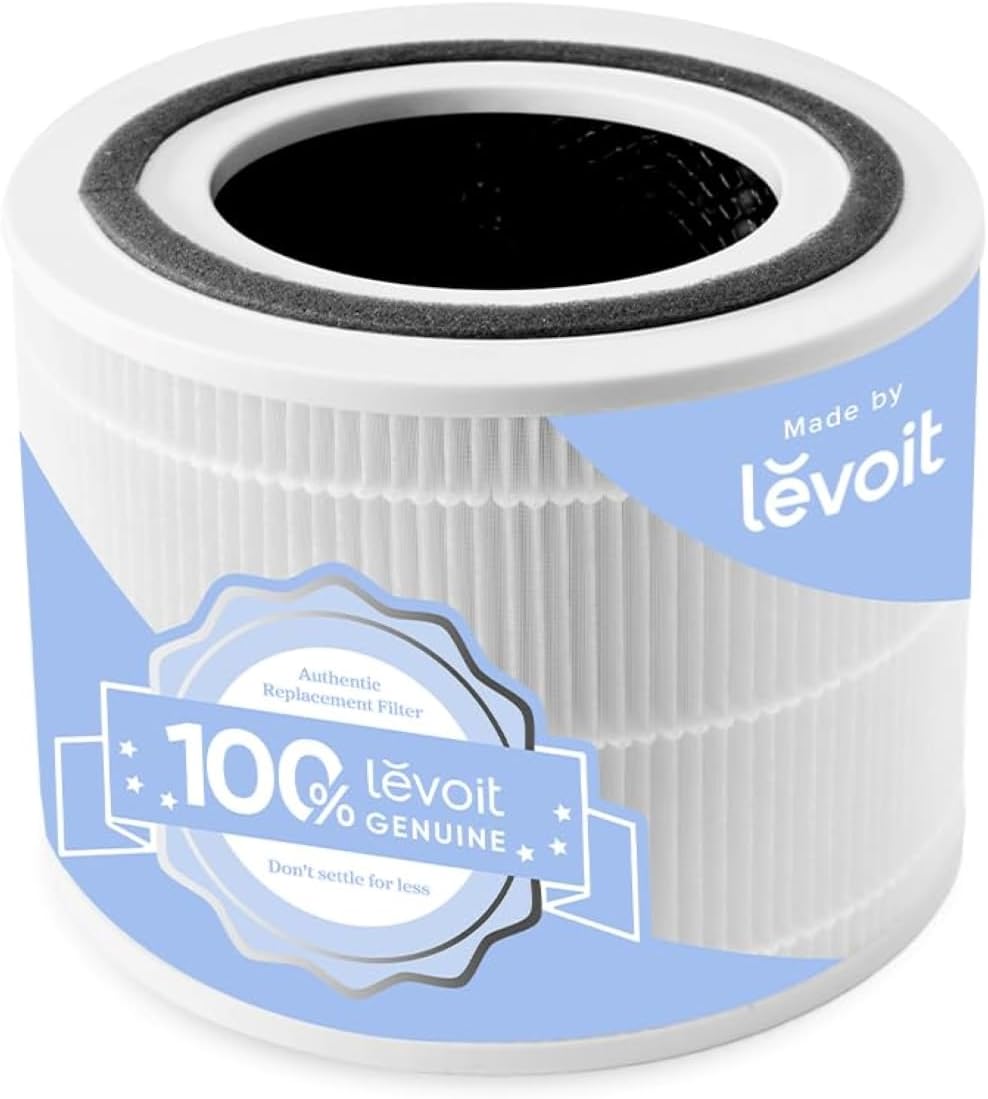
Are Air Purifiers Bad For Parrots? Essential Safety Guide

While air purifiers can offer benefits, they pose significant risks to parrots due to their sensitive respiratory systems. This guide provides essential safety information to protect your feathered friend, ensuring you can enjoy cleaner air without compromising their health.
The health and well-being of our beloved parrots are paramount, and as responsible bird parents, we constantly seek ways to improve their environment. One common question that arises is whether air purifiers, designed to enhance air quality for humans, are safe for our avian companions. Parrots have incredibly delicate respiratory systems, making them highly susceptible to airborne irritants. This guide will delve into the potential dangers and provide a clear, actionable plan to ensure your parrot thrives in a safe and healthy home. We’ll explore what to look for, what to avoid, and how to make informed decisions.
Understanding Parrot Respiratory Sensitivity
Parrots possess a unique respiratory system that differs significantly from mammals. Their lungs are highly efficient, featuring air sacs that allow for a continuous flow of oxygen. This remarkable design, however, also makes them extremely vulnerable to airborne pollutants and irritants. Even small particles that might go unnoticed by humans can cause severe respiratory distress in parrots.
Key aspects of their respiratory system include:
Air Sacs: These thin-walled sacs extend throughout their body, facilitating a unidirectional airflow through the lungs.
No Diaphragm: Unlike humans, parrots lack a diaphragm, relying on muscle contractions to move air.
High Oxygen Demand: Their active lifestyle and flight require a highly efficient oxygen uptake system.
This sensitivity means that common household air purifiers, if not chosen or used carefully, can inadvertently harm your parrot.
Why Parrots Are So Vulnerable
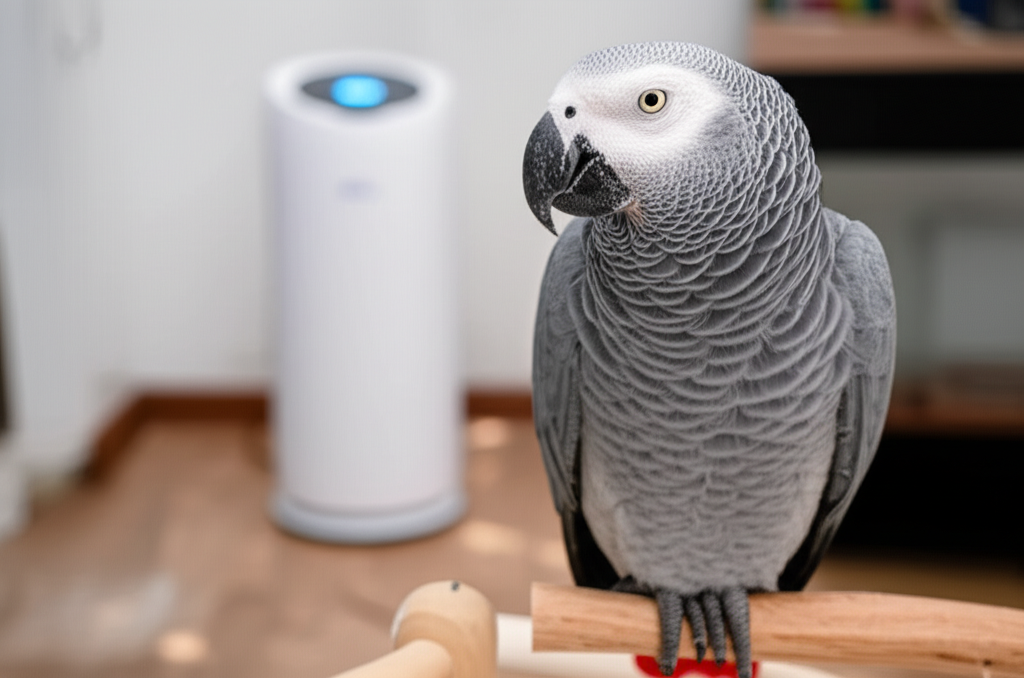
The intricate structure of a parrot’s respiratory system means that inhaled particles can travel deep into their lungs and air sacs. Unlike humans who might cough or sneeze out irritants, parrots have a harder time expelling them. This can lead to inflammation, infections, and chronic respiratory diseases.
Fine Particle Inhalation: Tiny particles, often invisible to the naked eye, can lodge in the delicate air sacs.
Irritant Reactions: Certain chemicals or fragrances can trigger severe allergic or asthmatic reactions.
Long-Term Effects: Chronic exposure to poor air quality can lead to irreversible lung damage.
Understanding this vulnerability is the first step in ensuring a safe environment for your parrot.
Potential Dangers of Air Purifiers for Parrots
While the intention behind using an air purifier is to improve air quality, certain types and features can actually be detrimental to parrots. It’s crucial to be aware of these specific risks to make an informed choice. The primary concern revolves around the byproducts of the purification process and the materials used in the purifiers themselves.
The main dangers include:
Ozone Production: Some air purifiers, particularly those using ionizers or UV-C light without proper filtration, can produce ozone. Ozone is a highly toxic gas that can severely damage a parrot’s respiratory system, leading to symptoms like shortness of breath, coughing, and even death.
Fine Particle Emission: Certain purifiers might re-release very fine particles back into the air, which can be inhaled by your parrot.
Fragrance and Chemical Release: Air purifiers that use activated carbon filters infused with fragrances or other chemicals can release these irritants into the air.
The Problem with Ozone
Ozone is a powerful oxidant that can irritate and inflame the delicate tissues of a parrot’s lungs. Even low levels of ozone, which might be undetectable by humans, can cause significant harm to birds. Symptoms of ozone exposure in parrots can include:
Difficulty breathing
Wheezing or clicking sounds when breathing
Lethargy
Open-mouthed breathing
It is imperative to choose air purifiers that are certified as ozone-free.
Ionizers and Their Risks
Ionizers work by releasing charged ions into the air, which attach to airborne particles, causing them to clump together and fall out of the air or stick to surfaces. While effective for some pollutants, ionizers can also produce ozone as a byproduct. Furthermore, the charged particles themselves can be irritating to a parrot’s sensitive respiratory tract.
Ozone Generation: Many ionizers are known to produce ozone.
Particle Aggregation: While particles may fall, they can still be disturbed and re-inhaled.
Always opt for purifiers that do not rely solely on ionization or are certified as ozone-free.
UV-C Light Concerns
UV-C light is used in some air purifiers to kill bacteria and viruses. While effective, if the UV-C light is not properly shielded or if the purifier has a design flaw, it could potentially emit harmful UV radiation. More commonly, the process of UV-C germicidal irradiation can also produce ozone.
Ozone Byproduct: UV-C lamps can generate ozone.
Shielding Importance: Ensure the UV-C component is fully enclosed.
Look for purifiers where the UV-C feature is optional or can be turned off, and always prioritize ozone-free certification.
Safe Air Purifier Technologies for Parrots
Fortunately, not all air purifiers are dangerous for parrots. Several technologies are considered safe and effective when used correctly. The key is to select purifiers that focus on physical filtration and avoid chemical or ozone-producing methods. HEPA filtration is widely recognized as the gold standard for capturing fine particles.
The safest technologies include:
True HEPA Filters: These filters capture 99.97% of airborne particles as small as 0.3 microns.
Activated Carbon Filters: These are excellent for adsorbing odors and VOCs (Volatile Organic Compounds).
When choosing an air purifier, prioritize models that clearly state they are ozone-free and utilize these safe filtration methods.
The Power of True HEPA Filtration
True HEPA (High-Efficiency Particulate Air) filters are mechanical filters that trap particles. They work by forcing air through a fine mesh that physically blocks even microscopic contaminants. This is a passive process that does not involve chemical reactions or the production of harmful byproducts like ozone.
Benefits of True HEPA:
High Efficiency: Captures dust, dander, pollen, mold spores, and bacteria.
No Ozone Production: A safe, physical filtration method.
Proven Effectiveness: Widely recommended by health organizations.
Ensure the product explicitly states “True HEPA” and not just “HEPA-type” or “HEPA-like,” as these often do not meet the same rigorous standards.
The Role of Activated Carbon
Activated carbon filters are made from carbon that has been treated to be extremely porous, increasing its surface area. This allows it to effectively adsorb (trap) gases, odors, and volatile organic compounds (VOCs) from the air. VOCs can be emitted from cleaning products, paints, furniture, and even certain bird cage materials, and can be harmful to parrots.
Activated carbon is beneficial for:
Odor Removal: Eliminates unpleasant smells.
VOC Adsorption: Captures harmful chemical gases.
Enhancing HEPA: Works in conjunction with HEPA filters for comprehensive air cleaning.
Look for purifiers with a substantial amount of activated carbon, as a thin layer may not be as effective.
What to Look for in a Parrot-Safe Air Purifier
When shopping for an air purifier for a home with parrots, several key features and certifications should guide your decision. Prioritizing these elements will help you select a unit that effectively cleans the air without posing a risk to your feathered friend. Always read product specifications carefully and look for explicit statements regarding safety for pets.
Here’s a checklist:
Ozone-Free Certification: Look for seals from organizations like CARB (California Air Resources Board) or AHAM (Association of Home Appliance Manufacturers) that certify ozone-free operation.
True HEPA Filter: Ensure the unit uses a True HEPA filter.
Substantial Activated Carbon Filter: A thick, high-quality carbon filter is essential for gas and odor removal.
No Fragrances or Additives: Avoid purifiers that add scents or use chemically treated filters.
Quiet Operation: Parrots can be sensitive to noise, so choose a unit with a low decibel rating, especially for nighttime use.
Durable Construction: Birds can be curious and may peck at things, so a sturdy unit is preferable.
Understanding Certifications
Certifications provide an independent verification of a product’s performance and safety claims. For air purifiers, the most relevant certifications to look for include:
CARB Certified: The California Air Resources Board has strict standards for air purifiers, particularly regarding ozone emissions. CARB-certified units are generally considered safe.
AHAM Verified: The Association of Home Appliance Manufacturers verifies the Clean Air Delivery Rate (CADR) for dust, pollen, and smoke, indicating the purifier’s effectiveness. While not directly about parrot safety, it ensures the unit performs as advertised.
Always check the manufacturer’s website or product manual for specific certification details.
Filter Replacement and Maintenance
Proper maintenance of your air purifier is as crucial as choosing the right one. Filters have a limited lifespan and need to be replaced regularly to maintain their effectiveness and prevent them from becoming a source of contamination. Neglecting filter replacement can lead to reduced air cleaning efficiency and potentially the release of trapped particles.
Key maintenance points:
Follow Manufacturer Schedule: Adhere to the recommended replacement schedule for both HEPA and carbon filters.
Clean Pre-filters: Many units have washable pre-filters that capture larger particles; clean these regularly.
Proper Disposal: Dispose of used filters properly to avoid releasing trapped pollutants.
Regular maintenance ensures your air purifier continues to provide clean air safely.
Where to Place Your Air Purifier
The placement of your air purifier within your home can significantly impact its effectiveness and your parrot’s safety. While you want the purifier to circulate air efficiently, it’s also important to avoid direct drafts or placing it too close to the bird’s cage. Strategic placement ensures optimal air cleaning without causing stress or discomfort to your parrot.
Consider these placement tips:
Away from Cage: Position the purifier at least 5-10 feet away from your parrot’s cage.
Central Location: Place it in a room where your parrot spends a lot of time, ideally in a central area.
Avoid Direct Drafts: Ensure the airflow from the purifier does not blow directly onto your parrot.
On a Stable Surface: Place it on a sturdy surface where it won’t be easily knocked over.
Creating a Safe Zone
The goal is to create a “clean air zone” in your home that benefits your parrot without exposing them to the purifier itself. By placing the unit strategically, you can ensure that the purified air circulates throughout the room, reducing airborne irritants in your parrot’s general vicinity.
Room Air Circulation: Aim for the purifier to circulate the air in the room at least 3-5 times per hour.
Avoid Obstructions: Ensure nothing is blocking the air intake or output of the purifier.
This thoughtful placement maximizes the benefits while minimizing potential risks.
What to Avoid: Common Pitfalls
Beyond choosing the wrong technology, there are several common mistakes that pet owners make when using air purifiers around birds. Being aware of these pitfalls can help you steer clear of accidental harm to your feathered companion. These often stem from a misunderstanding of how purifiers work or the specific sensitivities of parrots.
Avoid these common mistakes:
Using Purifiers with Ozone Generators: As discussed, ozone is highly toxic.
Placing Purifiers Too Close to Cages: Direct airflow can be stressful.
Ignoring Filter Maintenance: Clogged filters reduce efficiency and can become a hazard.
Using Purifiers with Fragrances or Ionizers: These can release harmful chemicals or ozone.
Over-reliance on Purifiers: Air purification is only one part of a healthy environment; good ventilation and regular cleaning are also crucial.
The Danger of “Air Fresheners”
Some devices marketed as air purifiers also function as air fresheners, releasing perfumes or essential oils into the air. These added fragrances are extremely dangerous for parrots. Their respiratory systems are so sensitive that even trace amounts of these chemicals can cause severe irritation, leading to respiratory distress, feather plucking, and other health problems.
Fragrance Toxicity: Perfumes and essential oils are toxic to parrots.
Irritant Effects: Can cause respiratory inflammation and damage.
Always ensure your air purifier is fragrance-free and does not have any “air freshening” capabilities.
DIY and Uncertified Units
While the idea of a DIY air purifier might seem appealing, it’s generally best to avoid them when your parrot’s health is at stake. Without proper testing and certification, you cannot be sure if a DIY unit is producing ozone or releasing harmful particles. Similarly, uncertified units from unknown brands may not meet safety standards.
Lack of Safety Guarantees: DIY and uncertified units lack safety assurances.
Unknown Byproducts: Potential for ozone or particle emission is high.
Stick to reputable brands with clear safety certifications for peace of mind.
When to Use an Air Purifier for Your Parrot
An air purifier can be a valuable tool for improving the air quality in a parrot’s environment, especially in specific situations. While not always a necessity, there are times when the benefits clearly outweigh the risks, provided you choose the right type of purifier and use it correctly. Understanding these scenarios will help you decide if an air purifier is right for your home.
Consider using an air purifier if:
You Live in a Polluted Area: High levels of outdoor pollution can affect indoor air quality.
You Have Allergies or Asthma: Purifiers can help reduce allergens for all household members.
You Cook Frequently: Cooking can release smoke and VOCs into the air.
You Use Aerosol Products: Even occasional use of sprays can impact air quality.
Your Parrot Has Respiratory Issues: Under veterinary guidance, a safe air purifier can be beneficial.
Managing Household Odors and VOCs
Parrots can be sensitive to strong odors and volatile organic compounds (VOCs) released from various household items. These can include cleaning supplies, air fresheners, new furniture, and even certain types of bird cage liners or toys. A good air purifier with a substantial activated carbon filter can help mitigate these airborne irritants.
VOC Sources: Cleaning products, paints, new furniture, air fresheners.
Odor Sources: Cooking, smoke, pet odors.
By adsorbing these substances, the purifier creates a healthier breathing environment for your parrot.
Improving Air Quality After Specific Events
Certain events can temporarily degrade indoor air quality, making an air purifier particularly useful. This could include activities like painting, using strong cleaning agents, or even during wildfire smoke events that impact outdoor air. In these situations, a safe air purifier can help remove lingering particles and fumes more quickly.
Post-Renovation Air: Helps remove paint fumes and dust.
Smoke Events: Can filter smoke particles and odors.
Always ensure the purifier is ozone-free during these times.
How to Monitor Your Parrot’s Health
Even with the safest air purifier, it’s essential to remain vigilant and monitor your parrot for any signs of respiratory distress or adverse reactions. Your parrot’s behavior and physical condition are the best indicators of whether the air quality in their environment is optimal. Early detection of any issues allows for prompt intervention.
Key signs to watch for include:
Changes in Breathing: Labored breathing, wheezing, clicking sounds, or open-mouthed breathing.
Lethargy or Weakness: A noticeable decrease in activity levels.
Sneezing or Discharge: Frequent sneezing or any discharge from the nares (nostrils).
Behavioral Changes: Unusual quietness, sitting at the bottom of the cage, or ruffled feathers.
Appetite Changes: Loss of appetite or refusal to eat.
If you notice any of these symptoms, consult your avian veterinarian immediately.
Consulting Your Avian Veterinarian
Your avian veterinarian is your most valuable resource for ensuring your parrot’s health and well-being. They can provide specific advice on air quality management, recommend appropriate air purifiers, and help diagnose any respiratory issues your parrot may develop. Don’t hesitate to discuss your air purifier plans with them before purchasing or implementing a new device.
Expert Advice: Get personalized recommendations for your specific parrot.
Health Diagnosis: Rule out other causes for respiratory symptoms.
Preventative Care: Discuss proactive measures for a healthy environment.
Your vet’s guidance is crucial for making informed decisions about your parrot’s care.
Frequently Asked Questions (FAQ)
Q1: Can I use an air purifier with an ionizer for my parrot?
No, it is generally not recommended. Ionizers can produce ozone, which is highly toxic to parrots. Always opt for ozone-free purifiers.
Q2: Are HEPA filters safe for parrots?
Yes, True HEPA filters are safe and highly effective. They work by physically trapping particles without producing harmful byproducts like ozone.
Q3: How far away should I place an air purifier from my parrot’s cage?
It’s best to place the air purifier at least 5-10 feet away from the cage to avoid direct drafts and potential stress on your parrot.
Q4: What should I do if my parrot shows signs of respiratory distress after I start using an air purifier?
If you notice any difficulty breathing, lethargy, or other concerning symptoms, turn off the air purifier immediately and contact your avian veterinarian right away.
Q5: Can air purifiers with activated carbon filters be harmful?
Activated carbon filters themselves are safe and beneficial for removing odors and VOCs. However, ensure the carbon filter is not infused with fragrances or other additives, as these can be harmful.
Q6: How often should I replace the filters in my parrot-safe air purifier?
Filter replacement frequency depends on the model and usage, but typically HEPA filters need replacement every 6-12 months, and carbon filters every 3-6 months. Always follow the manufacturer’s recommendations.
Q7: Is it okay to use an air purifier in the same room as my parrot?
Yes, as long as it is a certified ozone-free unit with True HEPA