
Best Air Purifier For Lung Disease: Proven Relief

Breathe easier with the best air purifier for lung disease, offering proven relief by removing harmful pollutants and allergens. This guide helps you choose a purifier that significantly improves indoor air quality, crucial for managing respiratory conditions.
Breathing freely can be a daily challenge for those with lung disease. The air we breathe indoors, often filled with unseen irritants like dust, pollen, pet dander, and even volatile organic compounds (VOCs), can exacerbate symptoms and hinder recovery. Finding the right air purifier is not just about comfort; it’s about creating a healthier environment that supports your respiratory health. This comprehensive guide will walk you through everything you need to know to select the best air purifier for lung disease, ensuring you can breathe easier and live better.
Why Air Quality Matters for Lung Disease
Poor indoor air quality is a significant trigger for many respiratory conditions, including asthma, COPD, and emphysema. Allergens, pollutants, and irritants can inflame airways, leading to increased coughing, wheezing, shortness of breath, and more severe flare-ups. A high-quality air purifier can significantly mitigate these risks by removing these harmful particles from your living space. This proactive step can lead to fewer hospital visits and an improved quality of life.
Understanding Air Purifier Technologies for Lung Health
Different air purifiers use various technologies to clean the air, and understanding these is key to choosing the best air purifier for lung disease. HEPA filters are the gold standard for capturing microscopic particles, while activated carbon filters excel at removing odors and gases. Some purifiers also use UV-C light or ionization, though these can sometimes produce ozone, which may be detrimental to lung health. Prioritizing filter-based systems with certified HEPA filters is generally recommended.
HEPA Filters: The Cornerstone of Clean Air
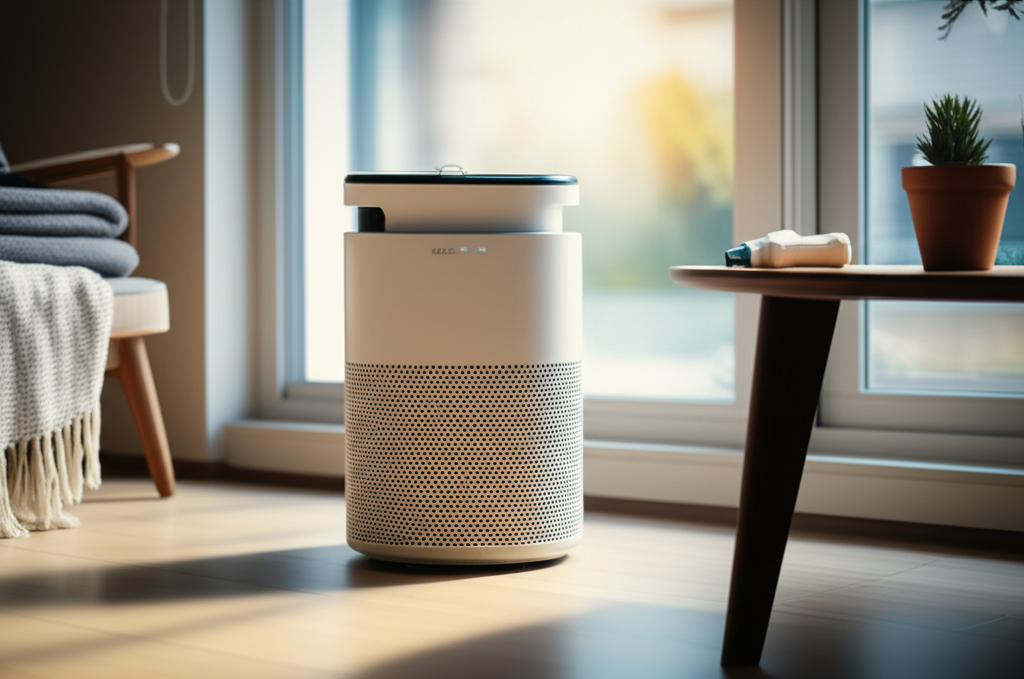
High-Efficiency Particulate Air (HEPA) filters are designed to capture at least 99.97% of airborne particles 0.3 microns in size. This includes common allergens like pollen, dust mites, mold spores, and pet dander, all of which can severely impact individuals with lung disease. Look for purifiers with True HEPA filters, as these meet stringent industry standards for particle removal.
Activated Carbon Filters: Tackling Gases and Odors
While HEPA filters trap particles, activated carbon filters absorb gases, chemicals, and odors. For those with lung disease, this can mean reducing exposure to VOCs from cleaning products, cooking fumes, or even smoke. A substantial amount of activated carbon in a purifier ensures more effective removal of these airborne irritants.
UV-C Light and Ionizers: Use with Caution
UV-C light technology can kill bacteria and viruses, while ionizers release charged ions to neutralize airborne particles. However, some UV-C lamps and ionizers can produce ozone as a byproduct. Ozone is a lung irritant and can worsen respiratory conditions. If considering a purifier with these features, ensure it is certified as ozone-free or has a very low ozone output.
Key Features to Look for in the Best Air Purifier for Lung Disease
When selecting the best air purifier for lung disease, several features are paramount to ensure optimal performance and safety. These features directly impact the purifier’s effectiveness in creating a healthier breathing environment for individuals with compromised respiratory systems. Prioritizing these specifications will lead to a more beneficial choice.
CADR (Clean Air Delivery Rate) for Room Size
The CADR rating indicates how quickly an air purifier can filter a room of a specific size. Higher CADR ratings mean faster air cleaning. It’s crucial to match the CADR to your room’s square footage, ensuring the unit can effectively circulate and purify the air within a reasonable timeframe. Manufacturers often provide recommendations for room sizes based on CADR.
Coverage Area and ACH (Air Changes per Hour)
Ensure the air purifier’s coverage area matches or exceeds the size of the room you intend to use it in. ACH, or Air Changes per Hour, signifies how many times the purifier can clean the entire volume of air in a room within an hour. For individuals with lung disease, an ACH of 4 or higher is recommended for maximum air cleaning efficacy.
Noise Levels (Decibels)
Air purifiers can vary significantly in noise output. For bedrooms or living areas where quiet is essential, choose a model with low decibel (dB) ratings, especially on its lower fan settings. Many purifiers have a “sleep mode” that operates at a whisper-quiet level, ideal for nighttime use. Checking reviews for noise performance is highly advised.
Filter Replacement Indicators
Effective air purification relies on regular filter maintenance. Air purifiers with filter replacement indicators will alert you when it’s time to change the filters. This ensures the purifier continues to operate at peak performance and prevents the buildup of trapped pollutants, which could otherwise be released back into the air.
Ozone-Free Certification
As mentioned, ozone can be harmful to lung health. Look for air purifiers that are certified ozone-free by reputable organizations like CARB (California Air Resources Board). This certification guarantees that the unit does not produce harmful levels of ozone, making it a safer choice for sensitive individuals.
Top Recommended Air Purifiers for Lung Disease
After extensive research, I’ve identified several air purifiers that consistently perform well for individuals managing lung disease. These models balance advanced filtration, user-friendly features, and quiet operation, making them excellent choices for improving indoor air quality.
Coway Airmega 200M: A Reliable All-Rounder
The Coway Airmega 200M is a popular choice for its robust filtration system, which includes a True HEPA filter and an activated carbon filter. It’s designed for medium to large rooms and features an air quality sensor that automatically adjusts fan speed. Its quiet operation and energy efficiency make it a standout option for daily use.
Blueair Blue Pure 211+ Auto: Superior Airflow and Coverage
Blueair’s Blue Pure 211+ Auto is known for its exceptional airflow and ability to cover large spaces effectively. It utilizes a unique HEPASilent™ filtration technology, combining electrostatic and mechanical filtration for high performance. The washable pre-filter also adds convenience, trapping larger particles and extending the life of the main filter.
Levoit Core 300S: Compact Powerhouse with Smart Features
For smaller spaces or bedrooms, the Levoit Core 300S offers a compact yet powerful solution. It features a 3-stage filtration system, including a True HEPA filter, and boasts smart capabilities like app control and voice commands. Its quiet operation and affordable price point make it an attractive option for many.
Winix 5500-2: Advanced Filtration and Odor Control
The Winix 5500-2 is a highly regarded air purifier that combines a True HEPA filter, an activated carbon filter, and proprietary PlasmaWave™ technology. While PlasmaWave™ can be turned off if ozone is a concern, the unit’s primary filtration is excellent for allergens, pollutants, and odors, making it a solid choice for lung health.
How to Maximize Your Air Purifier’s Effectiveness
Simply purchasing the best air purifier for lung disease is only the first step. To truly benefit, you need to use it correctly and integrate it into your overall strategy for managing indoor air quality. Proper placement and maintenance are key to unlocking its full potential.
Strategic Placement in Your Home
Place your air purifier in the room where you spend the most time, such as the bedroom or living room. Ensure there is adequate space around the unit for unobstructed airflow; avoid placing it directly against walls or furniture. For optimal results, run the purifier continuously on a low to medium setting.
Regular Filter Maintenance and Replacement
Adhere strictly to the manufacturer’s recommended schedule for cleaning pre-filters and replacing HEPA and carbon filters. Clogged filters reduce airflow and filtration efficiency, rendering the purifier less effective. Many models feature indicator lights to remind you when it’s time for maintenance.
Combine with Other Air Quality Measures
Air purifiers are most effective when used as part of a broader approach to indoor air quality. Regularly clean your home to reduce dust buildup, vacuum with a HEPA filter, use exhaust fans when cooking or showering, and consider houseplants that can help filter certain pollutants. Minimizing sources of indoor pollution is as important as filtering the air.
When to Consider a Professional Consultation
While this guide provides comprehensive information on selecting the best air purifier for lung disease, there may be instances where professional advice is beneficial. If you have severe or complex respiratory issues, consulting with your doctor or a pulmonologist is highly recommended. They can offer personalized advice tailored to your specific condition and needs.
Frequently Asked Questions About Air Purifiers and Lung Disease
Can an air purifier really help my lung disease?
Yes, an air purifier can significantly help by removing allergens, pollutants, and irritants from your indoor air, which can reduce airway inflammation and alleviate symptoms associated with lung diseases like asthma and COPD.
What is the most important filter type for lung disease?
The most important filter type is a True HEPA filter, as it captures 99.97% of airborne particles down to 0.3 microns, including common allergens and irritants that can trigger respiratory issues.
How often should I run my air purifier?
For maximum benefit, it’s recommended to run your air purifier continuously, especially in the rooms where you spend the most time, like your bedroom. Using a lower fan setting can ensure continuous cleaning without excessive noise.
Are ozone-generating air purifiers safe for people with lung disease?
No, ozone is a lung irritant and can worsen respiratory conditions. It’s best to choose an ozone-free air purifier or one that allows you to disable any ozone-generating features. Look for CARB certification.
What is a good CADR rating for a lung disease patient?
A good CADR rating depends on your room size. Generally, aim for a CADR that is at least two-thirds of the room’s square footage for optimal air cleaning. For example, a 150 sq ft room would benefit from a CADR of around 100 or higher.
Conclusion: Investing in Your Breathable Future
Choosing the best air purifier for lung disease is a proactive and powerful step toward improving your respiratory health and overall well-being. By understanding the essential technologies like True HEPA and activated carbon filters, prioritizing ozone-free operation, and selecting a unit with appropriate CADR and coverage for your space, you can create a sanctuary of cleaner, healthier air. Regularly maintaining your purifier and integrating it with other good indoor air quality practices will further enhance its benefits, allowing you to breathe easier and enjoy a better quality of life.
