
Are Air Purifier Filters Universal? Essential Guide

No, air purifier filters are not universal. Each air purifier model and brand requires specific filter types and sizes to function correctly, making cross-compatibility rare and often ineffective.
It’s a question many of us ask when our air purifier’s filter indicator lights up: “Are air purifier filters universal?” You might be tempted to grab a filter that looks similar, hoping it will fit and save you time and money. However, this common assumption can lead to poor performance, damage to your unit, and ultimately, less clean air. This guide will demystify air purifier filters, explaining why they aren’t interchangeable and how to find the right one for your specific needs. Let’s dive in and ensure your air purifier works at its best.
Why Air Purifier Filters Aren’t Universal
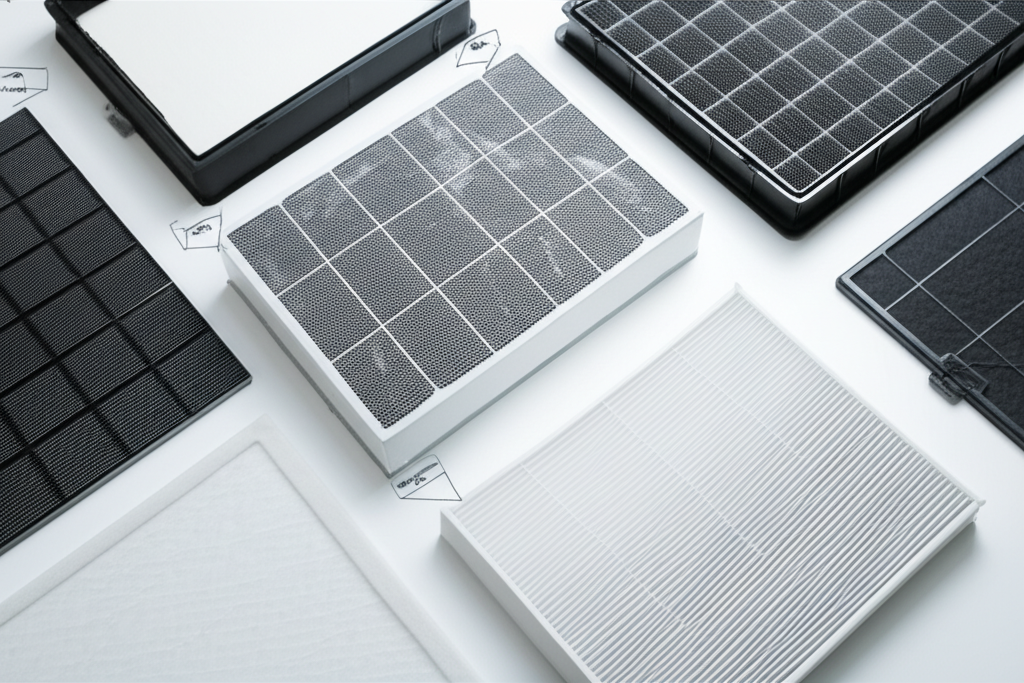
The short answer is no, air purifier filters are not universal. This lack of universality stems from the intricate design and engineering of each air purifier model. Manufacturers create specific filter dimensions, materials, and airflow designs to optimize performance for their particular machines. Using a non-compatible filter can significantly hinder its ability to capture pollutants effectively.
Key takeaway: Always use the filter designed for your specific air purifier model.
The Anatomy of an Air Purifier Filter
Air purifier filters are complex components, typically consisting of multiple layers designed to trap different types of airborne contaminants. The most common layers include a pre-filter for larger particles like dust and pet hair, an activated carbon filter for odors and VOCs, and a HEPA (High-Efficiency Particulate Air) filter for microscopic particles such as allergens, mold spores, and bacteria. The effectiveness of these layers depends on their precise construction and how they integrate with the air purifier’s internal airflow system.
Key takeaway: Different filter layers target different pollutants, and their effectiveness relies on proper fit and material quality.
HEPA Filters: A Closer Look
HEPA filters are a critical component in most modern air purifiers, designed to capture at least 99.97% of airborne particles 0.3 microns in size. This stringent standard means that the physical structure and density of a HEPA filter are precisely engineered. A filter that doesn’t meet these specifications, or one that fits poorly, will allow air to bypass it, rendering the HEPA filtration ineffective.
Key takeaway: True HEPA filters have specific performance standards that non-compatible filters cannot meet.
Understanding Filter Sizes and Shapes
The physical dimensions of an air purifier filter are paramount to its function. Filters are manufactured to exact specifications, including length, width, height, and sometimes even specific cutouts or seals. These precise measurements ensure a snug fit within the air purifier’s housing, forcing air to pass through the filter media rather than around it. An ill-fitting filter can create gaps, allowing unfiltered air to recirculate into your room.
Key takeaway: Filter size and shape are critical for creating a seal and ensuring all air passes through the filtration media.
Material and Density Matter
Beyond size, the materials used and their density play a crucial role in filtration efficiency. Activated carbon filters, for instance, vary in the amount of carbon and its pore structure, affecting their ability to adsorb odors and chemicals. Similarly, the electrostatic charge and fiber density of HEPA filters are engineered for optimal particle capture. Using a filter with different material properties or densities can compromise its performance and the overall air purification process.
Key takeaway: The type and quality of filter materials directly impact their ability to capture specific pollutants.
The Risks of Using Non-Compatible Filters
Attempting to use a filter that isn’t designed for your air purifier can lead to a cascade of problems. The most immediate risk is reduced air purification effectiveness; if the filter doesn’t fit properly, air will bypass it, meaning your unit isn’t cleaning the air as intended. This can leave you breathing in pollutants you thought were being removed.
Key takeaway: Using the wrong filter significantly reduces your air purifier’s effectiveness.
Reduced Airflow and Strain on the Motor
Air purifiers are designed with a specific airflow resistance in mind. A filter that is too dense or the wrong size can impede airflow, forcing the unit’s fan motor to work harder. Over time, this increased strain can lead to premature motor wear, reduced efficiency, and potentially cause the motor to overheat or fail. This not only costs you money in repairs but also shortens the lifespan of your appliance.
Key takeaway: Incorrect filters can restrict airflow, straining the motor and shortening the unit’s lifespan.
Compromised Filtration Performance
Even if a filter physically fits, its filtration capabilities might be vastly different. A filter not designed for your model might use lower-quality materials, have a less dense HEPA layer, or contain insufficient activated carbon. This means it won’t capture pollutants as effectively, failing to meet the air quality standards you expect from your air purifier. You might notice lingering odors or a return of allergens despite the unit running.
Key takeaway: Non-OEM filters may not meet the same filtration standards, leading to poorer air quality.
Voiding Your Warranty
Most air purifier manufacturers explicitly state in their warranty terms that using non-approved or incompatible filters will void the warranty. If your unit malfunctions and the manufacturer discovers you’ve used an incorrect filter, they are likely to deny any repair or replacement claims. This can leave you footing the bill for what might have been a covered defect.
Key takeaway: Using the wrong filters can void your air purifier’s warranty.
How to Find the Correct Replacement Filter
Finding the right replacement filter is straightforward once you know where to look. The most reliable method is to consult your air purifier’s user manual. It will clearly list the specific filter model numbers or types required for your unit. Many manufacturers also provide this information on their official websites, often in a support or product section.
Key takeaway: Your user manual is the definitive source for identifying the correct filter for your air purifier.
Check Your Air Purifier Model Number
Every air purifier has a unique model number, usually found on a sticker on the back or bottom of the unit. This model number is your key to finding compatible filters. Once you have it, you can search for replacement filters directly on the manufacturer’s website or through authorized retailers. Websites like Amazon often list compatible filters with clear model number references.
Key takeaway: The air purifier’s model number is essential for searching for the correct replacement filter.
Look for the Filter Model Number Directly
Sometimes, the filter itself will have a model number printed on it, often on the side or a label. If you have the old filter handy, check it for this information. This is a quick way to ensure you’re ordering the exact same type. If the printing is faded or unclear, it’s best to cross-reference with your air purifier’s model number and user manual.
Key takeaway: The filter itself may have a model number that can be used for reordering.
Consult the Manufacturer’s Website
The manufacturer’s website is an invaluable resource. They typically have a dedicated section for replacement parts where you can input your air purifier’s model number to find the exact filters needed. This ensures you are purchasing genuine, compatible filters that meet the manufacturer’s quality and performance standards. For example, brands like Levoit clearly list compatible filters for each of their air purifier models.
Key takeaway: Manufacturer websites provide the most accurate and reliable information for finding compatible filters.
Types of Air Purifier Filters and Their Functions
Air purifiers utilize various filter types, often in combination, to tackle different airborne pollutants. Understanding these types helps in appreciating why universality is not possible. Each filter material and structure is designed for a specific purpose, and mixing them or using incorrect versions can reduce overall effectiveness.
Key takeaway: Different filter types are designed to capture specific pollutants, making them non-interchangeable.
Pre-filters
Pre-filters are the first line of defense, capturing larger particles like dust, lint, and pet hair. They are typically washable or vacuumable, extending the life of the more sensitive filters behind them. The mesh size and material of a pre-filter are specific to the air purifier’s design to ensure proper airflow and capture efficiency without clogging too quickly.
Key takeaway: Pre-filters catch large debris, protecting finer filters and are often cleanable.
Activated Carbon Filters
Activated carbon filters are porous materials treated to have a large surface area, ideal for adsorbing odors, gases, and volatile organic compounds (VOCs). The amount and quality of activated carbon, as well as the filter’s construction, determine its effectiveness. A filter with insufficient carbon or a design that doesn’t allow adequate contact time with the air will be less effective at odor and gas removal.
Key takeaway: Activated carbon filters adsorb odors and gases, with effectiveness depending on carbon quantity and quality.
HEPA Filters (True HEPA vs. HEPA-type)
As mentioned, True HEPA filters meet a strict standard (99.97% of particles 0.3 microns). HEPA-type or HEPA-like filters do not meet this standard and are less effective. The density and weave of the HEPA media are critical for capturing microscopic particles. Using a filter that isn’t True HEPA when your unit is designed for it means you’re not getting the highest level of air purification.
Key takeaway: Only True HEPA filters guarantee the capture of 99.97% of 0.3-micron particles.
Specialty Filters
Some air purifiers include specialty filters, such as UV-C light components, ionizers, or photocatalytic oxidation (PCO) filters, designed to neutralize bacteria, viruses, or break down VOCs. These integrated systems require specific filter designs and housings that are unique to the air purifier model. Attempting to substitute these with generic filters would disrupt the entire purification process.
Key takeaway: Specialty filters are integrated systems requiring specific designs unique to the air purifier model.
Can I Use a Generic Filter?
While generic filters might seem like a cost-saving option, they often come with significant drawbacks. These filters are typically manufactured to a lower standard and may not match the precise dimensions, material quality, or filtration efficiency of the original equipment manufacturer (OEM) filters. The temptation to use a cheaper, generic filter is understandable, but it rarely pays off in the long run.
Key takeaway: Generic filters often compromise on quality, fit, and performance compared to OEM filters.
The Trade-offs of Generic Filters
The primary trade-off with generic filters is a compromise in performance and potentially the longevity of your air purifier. They might not fit snugly, allowing air to escape unfiltered, or they may use lower-grade materials that don’t capture pollutants effectively. This can lead to disappointment with your air purifier’s results and, as discussed, potential damage to the unit.
Key takeaway: Generic filters can lead to reduced air quality and potential damage to your air purifier.
When Generic Might Seem to Work
In some rare cases, a generic filter might physically fit and appear to function. However, this doesn’t mean it’s performing optimally. The air might still be passing around the filter, or the filtration media itself might be less effective. Without rigorous testing, it’s impossible to know if a generic filter is truly meeting the air purification needs your unit was designed for.
Key takeaway: Even if a generic filter fits, it may not be performing to the required standards.
Maintaining Your Air Purifier for Optimal Performance
Regular maintenance is key to ensuring your air purifier continues to deliver clean air effectively. This primarily involves replacing filters at the recommended intervals and keeping the unit clean. Neglecting maintenance can lead to reduced efficiency and a shorter lifespan for both the filters and the machine itself.
Key takeaway: Consistent maintenance, especially filter replacement, is crucial for optimal air purifier performance.
Filter Replacement Schedule
Most air purifiers have indicator lights that signal when it’s time to replace the filters. However, it’s also wise to consult your user manual for the manufacturer’s recommended replacement schedule, which is typically based on hours of use or environmental conditions. Replacing filters too late means they become saturated and can even release trapped pollutants back into the air.
Key takeaway: Follow the manufacturer’s recommended filter replacement schedule for best results.
Cleaning Your Air Purifier Unit
Beyond filter replacement, regularly cleaning the exterior and interior of your air purifier is important. Dust buildup on the unit can obstruct airflow and reduce efficiency. Gently wipe down the exterior with a damp cloth and use a vacuum cleaner with a brush attachment to remove dust from the intake and exhaust vents. Ensure the unit is unplugged before cleaning.
Key takeaway: Keep the air purifier unit itself clean to ensure unobstructed airflow.
Comparing OEM vs. Third-Party Filters
When it comes to replacement filters, you’ll often see options from the original manufacturer (OEM) and various third-party companies. OEM filters are guaranteed to be compatible and meet the manufacturer’s specifications. Third-party filters can sometimes be cheaper, but their quality and performance can vary significantly. It’s essential to research third-party brands carefully.
Key takeaway: OEM filters offer guaranteed compatibility and performance, while third-party options vary in quality.
Pros and Cons of OEM Filters
OEM filters offer the assurance of quality, perfect fit, and optimal performance, as they are designed by the same company that made your air purifier. The main con is that they are typically more expensive than third-party alternatives. However, this higher cost often translates to better filtration and a longer lifespan for your unit.
Pros:
- Guaranteed compatibility and fit.
- Meets manufacturer’s performance standards.
- Maintains warranty validity.
Cons:
- Generally more expensive.
Key takeaway: OEM filters are the safest bet for performance and warranty, despite the higher cost.
Pros and Cons of Third-Party Filters
Third-party filters can be a more budget-friendly option, and some reputable brands offer high-quality alternatives. However, the risk lies in the variability of quality and the potential for them not to perform as well as OEM filters. Some may not fit perfectly, leading to the issues discussed earlier, and could potentially void your warranty.
Pros:
- Often more affordable.
- Some reputable brands offer good quality.
Cons:
- Variable quality and performance.
- May not fit perfectly.
- Potential to void warranty.
- Research is crucial to find reliable options.
Key takeaway: Choose third-party filters cautiously, prioritizing reputable brands and checking reviews.
When to Replace Your Air Purifier Filters
The lifespan of an air purifier filter is not fixed and depends on several factors, including the air quality in your home, how often you run the unit, and the specific type of filter. Most manufacturers provide an estimated lifespan, often ranging from 6 to 12 months for HEPA and carbon filters. However, it’s crucial to pay attention to your unit’s indicators and your home’s environment.
Key takeaway: Filter lifespan varies; monitor your unit and environmental factors for accurate replacement timing.
Signs Your Filter Needs Replacing
Beyond the indicator light, there are several signs that your air purifier filter needs replacing. If you notice a decrease in airflow coming from the unit, or if the air quality doesn’t seem to be improving, it’s likely the filter is clogged. You might also notice unpleasant odors returning, or if the filter itself looks visibly dirty or discolored when you check it.
Key takeaway: Reduced airflow, returning odors, and visible dirt on the filter are signs it needs replacement.
Environmental Factors Affecting Filter Life
Living in an area with high pollution levels, frequent cooking, or if you have pets that shed a lot can significantly shorten the life of your air purifier filters. Similarly, if someone in your household suffers from allergies or asthma, the purifier will be working harder to capture allergens, leading to faster filter saturation. In such cases, you may need to replace filters more frequently than the manufacturer’s general recommendation.
Key takeaway: High pollution, pets, and allergies can reduce filter lifespan, requiring more frequent replacements.
Frequently Asked Questions (FAQs)
Are all HEPA filters the same?
No, not all HEPA filters are the same. True HEPA filters meet a specific standard (99.97% of particles 0.3 microns), while “HEPA-type” or “HEPA-like” filters do not meet this stringent requirement and are less effective.
Can I wash my air purifier filter?
Generally, only the pre-filter is designed to be washable. HEPA and activated carbon filters are typically not washable and must be replaced. Washing them can damage the filter media and compromise their effectiveness.
