Air Purifier Vs Vacuum Cleaner: Essential For Clean Air

Air purifier vs vacuum cleaner: Both are vital for a healthy home, tackling different aspects of air quality. Understanding their distinct roles ensures you invest in the right tools for truly clean air.
The air we breathe indoors can be surprisingly polluted, filled with dust, allergens, and microscopic particles. Many of us rely on our vacuum cleaners to tackle visible dirt, but what about the invisible threats floating in our air? You might be wondering, “Is an air purifier vs vacuum cleaner a crucial decision for my home’s health?” It’s a common question, and I’m here to guide you through it. We’ll explore how these two essential home appliances work differently and why having both is key to achieving pristine indoor air quality. Let’s dive into the world of clean air and discover what you truly need.
Air Purifier vs Vacuum Cleaner: Understanding the Core Difference
When we talk about air purifier vs vacuum cleaner, the fundamental distinction lies in their primary function. A vacuum cleaner focuses on removing particulate matter from surfaces, while an air purifier actively cleans the air circulating within a room. Understanding this core difference is the first step to appreciating their individual importance for a healthy living environment.
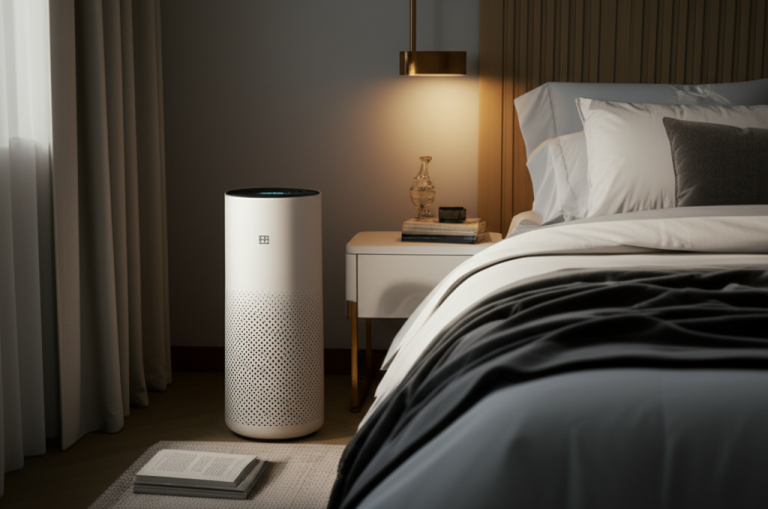
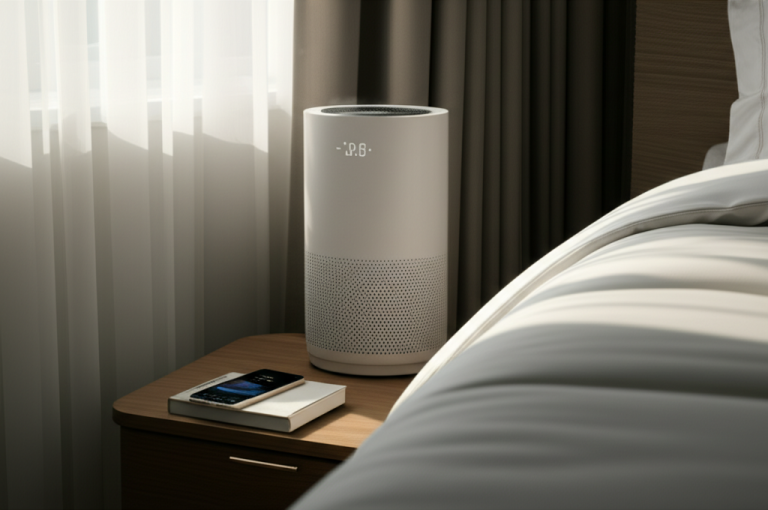
Air purifiers are designed to capture airborne particles like dust, pollen, pet dander, and even microscopic pollutants that your vacuum simply cannot reach. They work by drawing in air, filtering it, and then releasing cleaner air back into the room. This continuous cycle helps reduce allergens and improve overall air freshness.
Vacuum cleaners, on the other hand, are surface cleaners. Their main job is to suction up dirt, debris, and visible particles from floors, carpets, and upholstery. While some high-end vacuums have advanced filtration systems, their primary goal isn’t to purify the ambient air.
How Does an Air Purifier Work to Clean Your Air?
An air purifier utilizes a system of fans and filters to trap airborne contaminants. Most models contain a pre-filter to catch larger particles, followed by a HEPA (High-Efficiency Particulate Air) filter, which is crucial for capturing 99.97% of particles 0.3 microns in size. Some also include activated carbon filters to remove odors and volatile organic compounds (VOCs).
The process begins with the fan drawing polluted air into the unit. This air then passes through the various filters, trapping the pollutants. Finally, the cleaned air is expelled back into the room, creating a healthier breathing environment. This cycle repeats, constantly improving the air quality.
The Crucial Role of Vacuum Cleaners in Home Hygiene
Your vacuum cleaner is your frontline defense against visible dirt and debris that settle on your floors and furniture. It’s essential for removing larger particles like crumbs, hair, and surface dust before they get a chance to become airborne and contribute to indoor pollution. Regular vacuuming prevents the buildup of grime that can harbor allergens and dust mites.
Think of your vacuum as a collector. It actively removes physical dirt from your living spaces, preventing it from being disturbed and becoming airborne. This is a critical step in maintaining a clean home and reducing the load on your air purifier. A powerful vacuum with good suction can make a significant difference in visible cleanliness.
Why You Need Both: A Synergistic Approach to Clean Air
The question of air purifier vs vacuum cleaner isn’t about choosing one over the other; it’s about recognizing their complementary roles. While a vacuum cleans surfaces, an air purifier tackles what’s floating in the air. To achieve truly clean air and a healthier home, you need both working in tandem.
Your vacuum removes the source of much of the airborne dust and allergens – the settled particles on your floors and carpets. Then, the air purifier captures any remaining microscopic particles that become airborne during vacuuming or from other sources. This dual approach ensures a comprehensive clean.
Key Benefits of Using an Air Purifier
Air purifiers offer a multitude of benefits, especially for individuals with allergies, asthma, or other respiratory sensitivities. They significantly reduce the concentration of airborne allergens like pollen, pet dander, and mold spores, providing much-needed relief. Furthermore, they can help eliminate unpleasant odors from cooking, pets, or smoke, creating a fresher living space.
Beyond allergy relief, air purifiers contribute to a generally healthier indoor environment by removing pollutants such as dust mites, bacteria, and viruses. This can lead to better sleep, increased energy levels, and a reduced risk of airborne illnesses. Many units are also energy-efficient and quiet, making them a seamless addition to any room.
Key Benefits of Using a Vacuum Cleaner
A good vacuum cleaner is indispensable for maintaining a visually clean home and preventing the buildup of dirt and debris. Regular vacuuming removes larger particles, hair, and visible dust from carpets and hard floors, making your home more pleasant and hygienic. It’s the primary tool for dealing with everyday messes and keeping your living areas tidy.
Beyond aesthetics, effective vacuuming plays a vital role in reducing the spread of germs and allergens that settle on surfaces. By removing these particles, you minimize the amount of dust that can become airborne, indirectly supporting your air purifier’s efforts. A powerful vacuum cleaner with strong suction is essential for thorough cleaning.
Air Purifier vs Vacuum Cleaner: Features to Consider
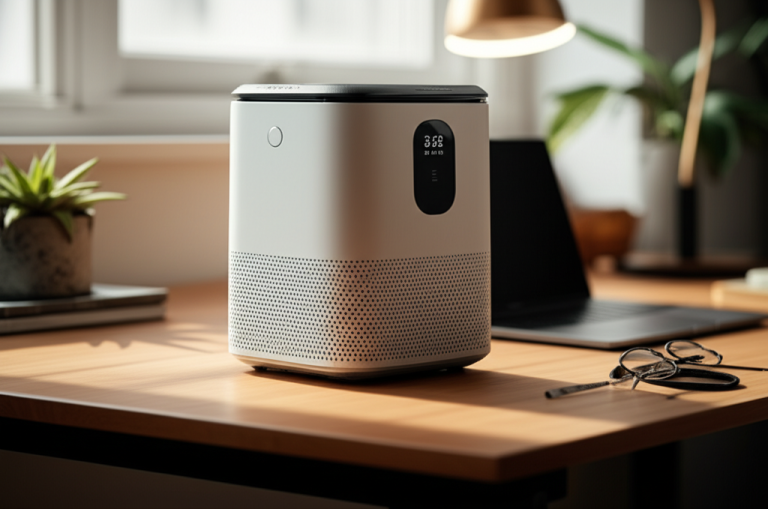
When comparing an air purifier vs vacuum cleaner, their features differ significantly. Air purifiers are evaluated based on their CADR (Clean Air Delivery Rate), filter types (HEPA, activated carbon), room coverage area, noise level, and energy consumption. Some advanced models also offer smart features like app control and air quality sensors.
Vacuum cleaners are assessed by their suction power, filtration system (especially if it captures fine dust), types of attachments, maneuverability, dustbin capacity, and corded or cordless operation. The type of flooring you have will also dictate the best vacuum features for your needs.
Choosing the Right Air Purifier for Your Needs
Selecting the ideal air purifier depends on your specific concerns and the size of the space you wish to clean. For allergy sufferers, a unit with a true HEPA filter is non-negotiable. Consider the room’s square footage and choose a purifier with a CADR rating that matches or exceeds it for optimal performance.
Pay attention to the noise level, especially if the purifier will be used in a bedroom or living area. Activated carbon filters are a great addition if you’re concerned about odors or VOCs. Many reputable brands offer various models, so researching options from companies like Levoit can be a good starting point.
Choosing the Right Vacuum Cleaner for Your Home
The best vacuum cleaner for you will depend on your home’s layout and flooring. If you have a lot of carpets, a powerful upright vacuum with a good brush roll is often recommended. For homes with mostly hard floors, a lightweight stick vacuum or a robot vacuum might be more suitable.
Consider the type of filtration the vacuum uses; a vacuum with a HEPA filter can prevent allergens from being exhausted back into the air. If you have pets, look for models specifically designed to handle pet hair. Brands like Shark offer a wide range of vacuums catering to different needs.
Air Purifier vs Vacuum Cleaner: A Comparison Table
| Feature | Air Purifier | Vacuum Cleaner |
| :————— | :—————————————— | :——————————————– |
| Primary Function | Cleans airborne particles from the air | Removes dirt and debris from surfaces |
| Target | Air quality, allergens, odors, pollutants | Floors, carpets, upholstery, visible dirt |
| Key Technology | HEPA filters, activated carbon filters | Suction power, brushes, dustbin |
| Benefit | Reduces respiratory issues, fresher air | Cleaner visible environment, hygiene |
| When to Use | Continuously for best results | Regularly as needed for cleaning |
This table highlights the distinct yet complementary functions of each appliance in maintaining a healthy home.
Frequently Asked Questions (FAQ)
Can an air purifier replace my vacuum cleaner?

No, an air purifier cannot replace a vacuum cleaner. While an air purifier cleans the air, a vacuum cleaner is essential for removing dirt, dust, and debris from surfaces like floors and carpets.
Can a vacuum cleaner improve my indoor air quality?
Yes, to some extent. A vacuum cleaner with a good filtration system can capture larger particles and prevent them from becoming airborne, thus contributing to better indoor air quality. However, it cannot remove the microscopic particles that an air purifier can.
Which is more important for allergies: an air purifier or a vacuum cleaner?
Both are important for allergies, but in different ways. An air purifier directly removes airborne allergens like pollen and dander. A vacuum cleaner removes settled allergens from surfaces, preventing them from being disturbed.
How often should I use my air purifier and vacuum cleaner?
Ideally, run your air purifier continuously for the best results. Vacuum your floors and carpets at least once or twice a week, or more often if you have pets or high foot traffic.
Do air purifiers remove dust?
Yes, air purifiers, especially those with HEPA filters, are very effective at capturing airborne dust particles. However, they won’t remove dust that has settled on surfaces; that’s where your vacuum cleaner comes in.
Are expensive air purifiers and vacuum cleaners worth it?
It depends on your needs and budget. Investing in a quality air purifier with a true HEPA filter can significantly improve air quality, especially for those with sensitivities. Similarly, a powerful vacuum cleaner can make cleaning more efficient and effective.
Conclusion: A Dynamic Duo for a Healthier Home
In the ongoing discussion of air purifier vs vacuum cleaner, it’s clear that they are not rivals but essential partners in creating a truly clean and healthy living space. Your vacuum cleaner diligently removes visible dirt and settled allergens from your home’s surfaces, preventing them from becoming airborne. Simultaneously, your air purifier works tirelessly to capture the microscopic particles, allergens, and pollutants that remain suspended in the air, ensuring you breathe easier. Together, they offer a comprehensive solution to indoor air quality, tackling both the source of pollutants and the airborne contaminants. I highly recommend having both appliances to experience the full benefits of a pristine and healthy home environment.