
Air Purifier for Better Sleep: Proven Essential Tool

Air Purifier for Better Sleep: Your Proven Essential Tool for Restful Nights
An air purifier for better sleep is a proven essential tool. It tackles common sleep disruptors like allergens, dust, and pollutants, creating a cleaner breathing environment for deeper, more restorative rest. Discover how this device can transform your nightly slumber.
Waking up feeling groggy and unrested is a frustrating experience. Many factors can contribute to poor sleep, but often, the air we breathe at night is overlooked. Common household irritants like dust mites, pet dander, pollen, and volatile organic compounds (VOCs) can trigger allergies, congestion, and respiratory discomfort, all of which steal precious sleep. Fortunately, there’s a simple yet powerful solution that can significantly improve your sleep quality: an air purifier. This article will guide you through how an air purifier for better sleep works and why it’s an indispensable tool for achieving truly restorative rest.
Why Your Bedroom Air Quality Matters for Sleep
Your bedroom should be a sanctuary for rest, but it can easily become a breeding ground for airborne pollutants. These microscopic particles can irritate your airways, leading to coughing, sneezing, and difficulty breathing, all of which are detrimental to sleep. Improving your bedroom’s air quality is a direct pathway to a more peaceful night.
The Invisible Culprits Affecting Your Slumber
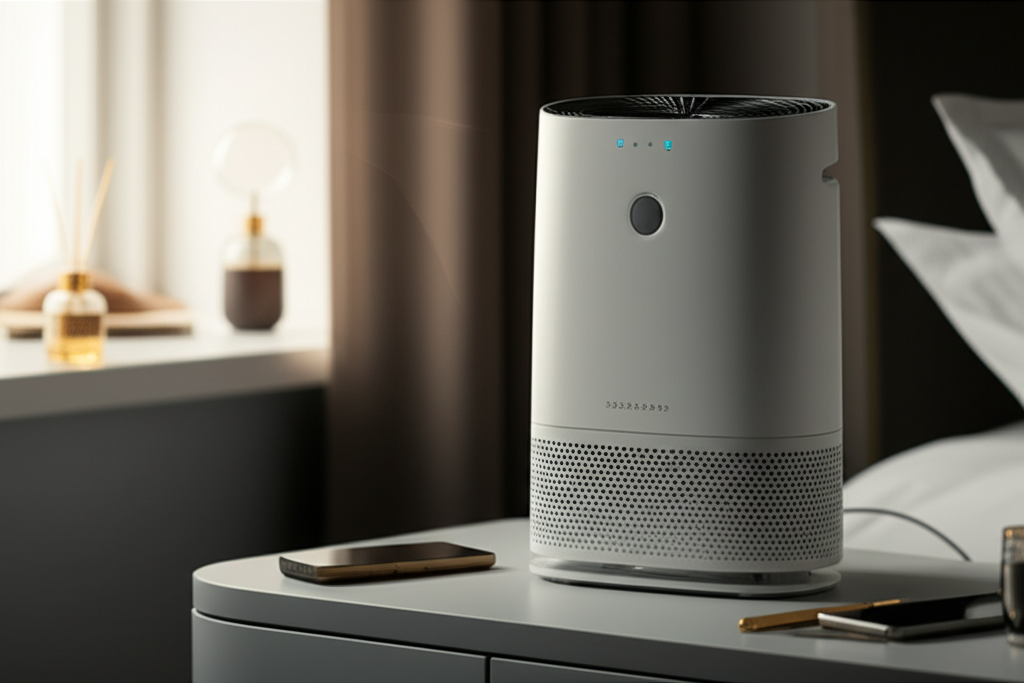
Many common household items and activities release particles into the air. These include dust mites that thrive in bedding, pet dander from our furry companions, pollen tracked in from outdoors, and VOCs emitted from furniture, cleaning products, and even paint. These invisible invaders can significantly impact your respiratory system.
Allergies and Asthma: Sleep’s Silent Saboteurs
If you suffer from allergies or asthma, the impact on your sleep can be profound. Airborne allergens can trigger inflammatory responses, leading to nasal congestion, itchy eyes, and throat irritation. For asthma sufferers, constricted airways can make breathing difficult, especially when lying down, leading to interrupted sleep and morning fatigue.
How an Air Purifier for Better Sleep Works
An air purifier is designed to actively remove these harmful particles from your environment. By drawing in air, passing it through a series of filters, and releasing cleaner air back into the room, it creates a healthier breathing space. This process is crucial for anyone seeking an air purifier for better sleep.
The Magic of Filtration: HEPA and Beyond
The most critical component of an effective air purifier is its filtration system. High-Efficiency Particulate Air (HEPA) filters are the gold standard, capable of capturing at least 99.97% of airborne particles as small as 0.3 microns. This includes dust, pollen, pet dander, and mold spores.
Activated Carbon Filters: Tackling Odors and VOCs
Beyond HEPA filters, many air purifiers incorporate activated carbon filters. These filters are porous and excellent at adsorbing gases and odors. They effectively neutralize VOCs from household items, cooking smells, and smoke, further enhancing the air quality for a more pleasant sleep environment.
The Science-Backed Benefits of Cleaner Air for Sleep
Numerous studies highlight the connection between air quality and sleep. Reducing exposure to allergens and irritants can lead to fewer nighttime awakenings and improved sleep efficiency. Investing in an air purifier for better sleep is a scientifically sound approach to enhancing your rest.
Reduced Allergy Symptoms Mean Deeper Sleep
When your airways are clear and free from allergens, your body can relax more fully. This reduction in allergy symptoms translates to fewer disruptions during the night, allowing you to enter deeper, more restorative sleep cycles. A study published in the Journal of Allergy and Clinical Immunology found that improved indoor air quality was associated with better sleep quality in individuals with asthma.
Improved Respiratory Function for Uninterrupted Breathing
Cleaner air directly supports better respiratory function. By removing irritants, air purifiers help prevent inflammation and congestion in the nasal passages and lungs. This leads to easier, more comfortable breathing throughout the night, minimizing the chances of waking up due to shortness of breath or coughing.
Choosing the Right Air Purifier for Your Bedroom
Selecting the best air purifier for your specific needs is key to maximizing its benefits for sleep. Consider room size, filter types, and additional features to ensure you get the most effective device for your bedroom.
Key Features to Look for in a Sleep-Focused Air Purifier
When shopping for an air purifier for better sleep, prioritize features that enhance its effectiveness and quiet operation. Look for a unit with a HEPA filter, an activated carbon filter, and an appropriate Clean Air Delivery Rate (CADR) for your room size. Quiet operation, especially a “sleep mode,” is also essential for undisturbed rest.
Understanding CADR: Ensuring Adequate Coverage
Clean Air Delivery Rate (CADR) indicates how quickly an air purifier can clean the air in a specific room size. For bedrooms, aim for a CADR that matches or slightly exceeds the room’s dimensions to ensure efficient air purification throughout the night. A higher CADR means faster air cleaning.
Beyond Allergens: Other Sleep-Disrupting Pollutants
While allergens are a primary concern, other pollutants can also negatively impact sleep. Understanding these can further highlight the importance of an air purifier for better sleep.
Volatile Organic Compounds (VOCs) and Their Impact
VOCs are gases emitted from various household products, including paints, cleaning supplies, and furniture. Exposure to VOCs can cause headaches, dizziness, and respiratory irritation, all of which can disrupt sleep. Activated carbon filters in air purifiers are highly effective at removing these compounds.
The Role of Odors in Sleep Disturbances
Lingering odors from cooking, pets, or even external sources can be distracting and unpleasant, making it harder to fall asleep and stay asleep. An air purifier with an activated carbon filter can neutralize these odors, creating a more serene and inviting sleep environment.
Maximizing Your Air Purifier’s Effectiveness for Sleep
Once you have your air purifier, proper placement and maintenance are crucial for optimal performance. These steps ensure you’re getting the most out of your investment in better sleep.
Strategic Placement for Maximum Airflow
Positioning your air purifier correctly in the bedroom is vital. Place it away from walls or furniture that might obstruct airflow, ideally in a central location or where you spend most of your time sleeping. This allows the unit to effectively circulate and clean the air in the entire room.
Regular Filter Maintenance: The Key to Continued Performance
Air purifier filters have a lifespan and require regular cleaning or replacement to maintain their effectiveness. Clogged filters can reduce airflow and compromise purification capabilities. Always follow the manufacturer’s recommendations for filter maintenance to ensure your air purifier continues to deliver clean air for better sleep.
Air Purifier vs. Other Sleep Aids: A Comparative Look
While many products claim to improve sleep, an air purifier offers a unique, health-focused approach. It addresses the root cause of many sleep disturbances – poor air quality – rather than just masking symptoms.
Comparing Air Purifiers to Humidifiers and Dehumidifiers
Humidifiers add moisture to the air, which can help with dry nasal passages, while dehumidifiers remove excess moisture. While both can impact comfort, an air purifier directly tackles airborne contaminants. For optimal sleep, a combination might be beneficial, but air purification is the primary solution for irritants.
The Long-Term Investment in Your Health and Sleep
Unlike temporary sleep aids, an air purifier for better sleep is a long-term investment in your overall health and well-being. By consistently providing clean air, it supports better respiratory health, reduces allergy triggers, and promotes deeper, more restorative sleep night after night.
Real-Life Impact: Testimonials and Case Studies
Hearing from others who have experienced the benefits of an air purifier for better sleep can be incredibly persuasive. These real-world examples showcase the tangible improvements many people have achieved.
Success Stories from Allergy Sufferers
Many users with seasonal allergies or year-round sensitivities report significant improvements in their sleep after using an air purifier. They often describe waking up feeling more refreshed and experiencing fewer nighttime allergy flare-ups. This directly links cleaner air to a more consistent sleep pattern.
Transforming Bedrooms into Havens of Rest
Home Hygia’s commitment to creating healthier living spaces means we often hear from customers who have transformed their bedrooms into true havens of rest. Users frequently comment on the noticeable difference in air freshness and the subsequent improvement in their ability to fall asleep and stay asleep without interruption.
Frequently Asked Questions about Air Purifiers and Sleep
Can an air purifier really help me sleep better?
Yes, an air purifier for better sleep can significantly improve rest by removing allergens, dust, and pollutants that disrupt breathing and trigger allergy symptoms. This leads to a cleaner, more comfortable environment for sleep.
What type of air purifier is best for bedrooms?
Look for an air purifier with a true HEPA filter to capture fine particles, an activated carbon filter for odors and VOCs, and a CADR suitable for your room size. Quiet operation and a sleep mode are also highly recommended.
How close should an air purifier be to my bed?
For optimal airflow and purification, place your air purifier a few feet away from your bed, ideally in a central location or where air can circulate freely around it. Avoid placing it directly against walls or furniture.
How often should I change the filters in my air purifier?
Filter replacement frequency varies by model and usage. Generally, HEPA filters need replacing every 6-12 months, and carbon filters may need replacement more often. Always consult your manufacturer’s manual for specific recommendations.
Will an air purifier make my bedroom too cold or too hot?
Air purifiers do not significantly affect room temperature. They circulate and filter air, but they do not have heating or cooling elements.
Can an air purifier help with snoring?
While not a direct cure, an air purifier can potentially reduce snoring by alleviating nasal congestion and throat irritation caused by allergens and dry air. Clearing airways can lead to smoother breathing.
Conclusion: Invest in Your Sleep with Cleaner Air
The evidence is clear: the quality of the air you breathe directly impacts your ability to achieve deep, restorative sleep. An air purifier for better sleep is not just a luxury; it’s a proven essential tool for creating a healthier bedroom environment. By effectively removing allergens, dust, pet dander, VOCs, and other irritants, it paves the way for uninterrupted breathing, reduced allergy symptoms, and ultimately, more restful nights. Investing in a quality air purifier is investing in your health, your mood, and your overall quality of life. Make the smart choice for your well-being and transform your sleep experience today.
