Air Purifier Reviews Cigarette Smoke: Essential Guide

Discover the best air purifier reviews for cigarette smoke, essential for creating a healthier home environment. This guide helps you navigate options, understand key features, and make an informed decision to eliminate smoke odors and particles.
Breathing in cigarette smoke, whether directly from a smoker in your home or from lingering residue, is a serious health concern and an unpleasant experience. The persistent odor and harmful particles can permeate furniture, fabrics, and even the air itself, creating an unhealthy living space. Finding the right air purifier can make a significant difference, offering a breath of fresh air and peace of mind. This guide will walk you through everything you need to know about air purifier reviews specifically for tackling cigarette smoke.
Why Air Purifiers Are Crucial for Cigarette Smoke
Air purifiers play a vital role in combating the pervasive effects of cigarette smoke. They are designed to capture the fine particulate matter and volatile organic compounds (VOCs) released from burning tobacco. Without an effective air purification system, these harmful elements can remain suspended in the air and settle on surfaces for extended periods.
Understanding Cigarette Smoke and Air Quality
Cigarette smoke is a complex mixture of thousands of chemicals, many of which are toxic and carcinogenic. These particles are incredibly small, allowing them to penetrate deep into the lungs. Beyond the visible smoke, there’s also thirdhand smoke, which is the residue that clings to surfaces long after the smoke has cleared.
Key Features to Look for in Air Purifiers for Smoke
When selecting an air purifier for cigarette smoke, certain features are non-negotiable. The primary goal is to effectively remove both the particles and the odors associated with smoke. This requires a robust filtration system and adequate coverage for your space.
Activated Carbon Filters: The Smoke’s Nemesis
Activated carbon filters are paramount for odor removal. These filters are highly porous and act like sponges, adsorbing the gases and VOCs that cause that unmistakable smoky smell. The more activated carbon a filter contains, the better it will be at neutralizing smoke odors.
HEPA Filters: Capturing the Tiny Particles
A True HEPA (High-Efficiency Particulate Air) filter is essential for trapping at least 99.97% of airborne particles down to 0.3 microns. This includes the fine ash, tar, and other particulate matter from cigarette smoke that can irritate the respiratory system. Look for units that explicitly state “True HEPA.”
Pre-filters: Extending Filter Life
A washable pre-filter is a valuable addition as it captures larger particles like dust and pet hair. This prevents them from clogging the more sensitive HEPA and carbon filters, thereby extending their lifespan and maintaining the unit’s efficiency in removing smoke.
CADR: Measuring Performance
The Clean Air Delivery Rate (CADR) indicates how quickly an air purifier can clean a room of specific pollutants. For cigarette smoke, look for a high smoke CADR rating. A higher CADR means faster and more effective smoke removal.
How Air Purifiers Tackle Cigarette Smoke: A Deeper Dive
Air purifiers work through a multi-stage filtration process to combat cigarette smoke. Air is drawn into the unit, passes through various filters, and then cleaner air is recirculated back into the room. This continuous cycle is key to reducing smoke concentration and odor.
Stage 1: Pre-filter Action
The pre-filter catches larger particles, preventing them from reaching the main filters. This step is crucial for maintaining the effectiveness of the subsequent stages.
Stage 2: HEPA Filtration for Particulates
The True HEPA filter then captures the fine particulate matter from the smoke. This is where the majority of the harmful solid components are removed from the air.
Stage 3: Activated Carbon for Odors and Gases
Finally, the activated carbon filter adsorbs the gaseous pollutants and VOCs, neutralizing the lingering cigarette smoke smell. This stage is what truly makes an air purifier effective against the pervasive odor.
Stage 4: Optional Ionizers or UV-C Lights
Some purifiers include ionizers or UV-C light technology. While ionizers can help particles clump together for easier filtration, some models can produce ozone, which can be an irritant. UV-C lights are designed to kill airborne germs and viruses, which can be a secondary benefit.
Top Air Purifier Reviews for Cigarette Smoke: What the Experts Say
Based on extensive testing and user feedback, several air purifiers consistently perform well in eliminating cigarette smoke. These models often feature robust multi-stage filtration and are designed for effective room coverage.
Understanding the Ratings: What Matters Most
When reviewing air purifiers for smoke, pay close attention to CADR ratings for smoke, the amount of activated carbon, and the inclusion of a True HEPA filter. User reviews often highlight how well a unit tackles persistent odors and how frequently filters need replacement.
Leading Models and Their Strengths
Several brands consistently receive high marks for their ability to combat cigarette smoke. These often include Coway, Levoit, Winix, and Blueair, each offering specific models with advanced filtration capabilities. For instance, the Coway Airmega 200M is frequently cited for its powerful performance in larger spaces. Levoit’s Core series offers more compact yet effective solutions for smaller rooms.
Performance Metrics to Watch
Smoke CADR: Higher is better for faster smoke removal.
Activated Carbon Weight: More carbon means better odor absorption.
Filter Replacement Frequency: Understand the ongoing cost and maintenance.
Room Coverage (ACH): Aim for units with a high Air Changes per Hour (ACH) rating for smoke-prone areas.
Factors Influencing Air Purifier Effectiveness Against Smoke
The effectiveness of an air purifier against cigarette smoke depends on several factors beyond just the unit’s specifications. Placement, room size, and the intensity of smoke are all critical considerations.
Room Size and Air Changes Per Hour (ACH)
An air purifier rated for a smaller room will struggle to effectively clean a larger space. Look for a unit with a CADR appropriate for your room size and an ACH rating of at least 4-5 for effective smoke removal. This means the air in the room is filtered 4-5 times every hour.
Unit Placement: Maximizing Airflow
Positioning your air purifier strategically is crucial. Place it in the room where smoking occurs most frequently, away from walls or furniture that could obstruct airflow. Allowing for at least 1-2 feet of clearance around the unit ensures optimal air intake and circulation.
Smoke Intensity and Frequency
A room where smoking occurs constantly will require a more powerful unit than a space where smoke is occasional. For heavy smokers, consider a higher-end model with a substantial activated carbon filter and a high CADR.
How to Maintain Your Air Purifier for Optimal Smoke Removal
Proper maintenance is key to ensuring your air purifier continues to effectively remove cigarette smoke. This primarily involves regular filter checks and replacements. Neglecting maintenance can lead to reduced performance and even an increase in odors as filters become saturated.
Filter Replacement Schedule
The lifespan of filters varies by manufacturer and usage. Pre-filters may need washing monthly, while HEPA and carbon filters typically need replacement every 6-12 months. Always check your manufacturer’s recommendations.
Cleaning the Unit
Wipe down the exterior of the air purifier regularly with a dry or slightly damp cloth. Ensure the unit is unplugged before cleaning. This helps maintain its appearance and prevents dust buildup that could interfere with operation.
Monitoring Filter Indicator Lights
Many air purifiers come with filter indicator lights that alert you when it’s time for a replacement. Don’t ignore these signals, as they are designed to help you maintain optimal performance.
Comparing Air Purifier Technologies for Smoke
While HEPA and activated carbon are standard, other technologies exist. Understanding their pros and cons is important for making an informed choice.
HEPA vs. HEPA-Type Filters
A True HEPA filter meets stringent standards for particle capture. HEPA-type or HEPA-like filters may capture a significant amount of particles but do not meet the same rigorous criteria. Always opt for “True HEPA” for cigarette smoke.
Activated Carbon: Granular vs. Pellicular
Granular activated carbon offers a larger surface area for adsorption, making it more effective for strong odors like cigarette smoke. Pellicular carbon filters are thinner and might be less efficient for heavy smoke.
The Ozone Debate: Ionizers and Plasma
Some air purifiers use ionizers or plasma wave technology, which can emit ozone. While ozone can neutralize odors, it’s also a lung irritant and can exacerbate respiratory conditions. For sensitive individuals or those with existing lung issues, it’s best to choose an ozone-free model. Organizations like the Environmental Protection Agency (EPA) provide further information on the risks of ozone-producing devices.
Air Purifier Reviews Cigarette Smoke: Top Brands and Models
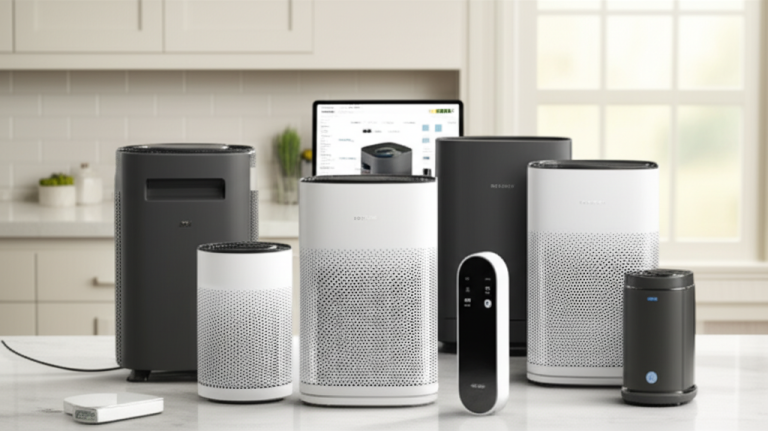
Here’s a look at some of the highly-rated air purifiers for tackling cigarette smoke, based on common recommendations and expert reviews.
| Brand | Model Example | Key Features for Smoke | Best For |
| :——- | :————— | :————————————————— | :—————————————- |
| Coway | Airmega 200M | True HEPA, substantial carbon filter, high CADR | Medium to large rooms, heavy smoke |
| Levoit | Core 300S | True HEPA, carbon filter, smart features | Small to medium rooms, moderate smoke |
| Winix | HR900 (Pet) | True HEPA, PlasmaWave (optional), washable filter | Homes with pets and smoke |
| Blueair | Classic 405 | HEPASilent technology, carbon filter, large capacity | Large rooms, effective odor reduction |
| Austin | Health Airmate Jr | True HEPA, carbon filter, long-lasting construction | Persistent smoke, allergy sufferers |
Assessing Long-Term Costs
Consider the cost of replacement filters when making your purchase. Some units have cheaper initial prices but more expensive ongoing filter costs. Calculate the total cost of ownership over a year or two.
Frequently Asked Questions (FAQ) About Air Purifiers and Cigarette Smoke
Here are some common questions people have when looking for an air purifier to combat cigarette smoke.
Can an air purifier completely eliminate cigarette smoke odor?
Yes, a good air purifier with a substantial activated carbon filter can significantly reduce and often eliminate cigarette smoke odor by adsorbing the odor-causing molecules. However, complete elimination may depend on the intensity and frequency of smoking.
How often should I replace the filters in an air purifier used for smoke?
For heavy smoke, you may need to replace HEPA and carbon filters more frequently, often every 6 months instead of the standard 12 months. Always refer to your manufacturer’s guidelines.
Do air purifiers work on thirdhand smoke residue?
Air purifiers primarily address airborne particles and odors. While they can help reduce airborne residue, they cannot fully remove settled thirdhand smoke from surfaces like walls, furniture, or carpets. Deep cleaning remains essential.
Are ozone-generating air purifiers safe for cigarette smoke?
No, ozone-generating air purifiers are generally not recommended, especially for those with respiratory issues. Ozone can be a lung irritant, and while it may neutralize odors, it can create a different air quality problem. Look for ozone-free options.
What is the best type of filter for cigarette smoke?
The best combination is a True HEPA filter to capture fine particles and a substantial activated carbon filter to adsorb odors and gases. A pre-filter also helps extend the life of these main filters.
How large of an air purifier do I need for a smoking room?
You should choose an air purifier with a CADR rating suitable for the room’s square footage, and ideally one that provides at least 4-5 Air Changes per Hour (ACH). Over-sizing slightly is often better than under-sizing for effective smoke removal.
Conclusion: Breathe Easier with the Right Air Purifier
Choosing the right air purifier for cigarette smoke is a critical step towards creating a healthier and more pleasant living environment. By focusing on units with True HEPA and ample activated carbon filtration, and by understanding factors like CADR and room size, you can effectively combat the pervasive odors and harmful particles associated with smoking. Regularly maintaining your air purifier ensures its continued performance, allowing you to breathe easier and enjoy a fresher home. Investing in a quality air purifier is an investment in your well-being and the air quality of your sanctuary.