Air Purifier or Humidifier Which Is Better: Essential Guide

Air purifier or humidifier which is better? It depends on your specific air quality needs. While purifiers remove pollutants, humidifiers add moisture. This guide helps you decide which, or if both, are right for your home’s comfort and health.
Breathing clean, comfortable air at home is a priority for many, but navigating the world of air quality devices can be confusing. You’ve likely heard of air purifiers and humidifiers, and perhaps you’re wondering: air purifier or humidifier which is better? It’s a common question, especially when dealing with dry air, allergies, or general concerns about indoor air quality. Don’t worry, I’m here to break down the differences, benefits, and help you make the best choice for your unique situation. Let’s explore what each device does and when you might need one, the other, or even both.
Air Purifier vs. Humidifier: The Core Differences
Understanding the fundamental purpose of each device is the first step. An air purifier is designed to clean the air, while a humidifier is designed to add moisture to it. This distinction is crucial when deciding air purifier or humidifier which is better for your needs.
What Exactly Does an Air Purifier Do?
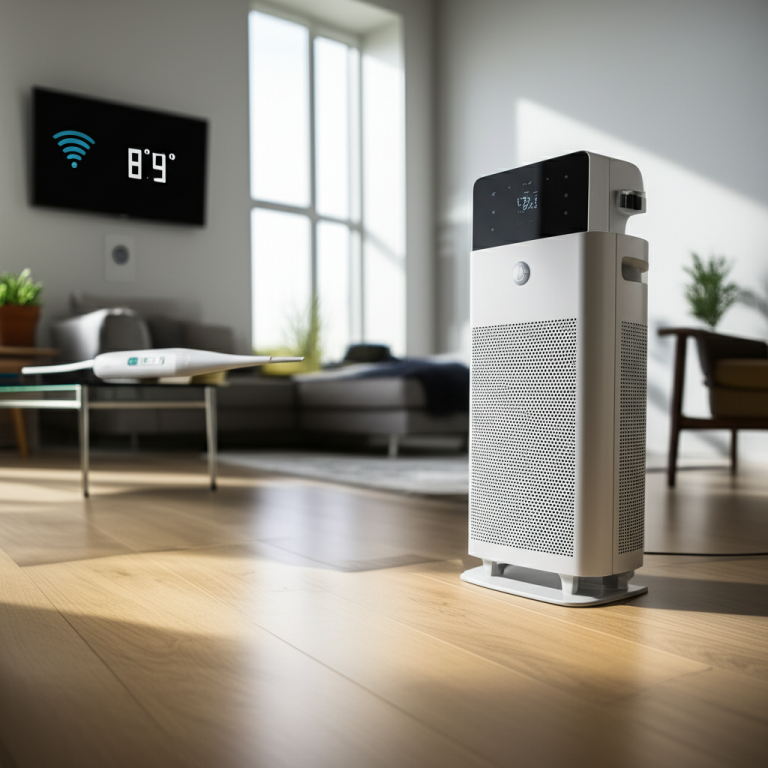
An air purifier actively removes airborne contaminants from your indoor environment. These contaminants can include dust, pollen, pet dander, mold spores, smoke, and even volatile organic compounds (VOCs). They work by drawing air through a filtration system, trapping particles, and releasing cleaner air back into the room.
What Exactly Does a Humidifier Do?
A humidifier, on the other hand, increases the level of humidity – the amount of water vapor – in the air. This is particularly beneficial in dry climates or during winter months when heating systems can strip moisture from the air. By adding moisture, humidifiers can alleviate dry skin, chapped lips, and respiratory discomfort.
When to Choose an Air Purifier: Tackling Airborne Irritants
If your primary concern is the presence of allergens, pollutants, or unpleasant odors in your home, an air purifier is likely your best bet. It directly addresses issues that can impact your respiratory health and overall comfort. This is a key factor when considering air purifier or humidifier which is better for allergy sufferers.
Signs You Might Need an Air Purifier
Frequent allergy symptoms: Sneezing, itchy eyes, runny nose, and congestion that worsen indoors.
Presence of pets: Pet dander is a common allergen that purifiers effectively capture.
Living in an urban or polluted area: Outdoor air pollution can easily infiltrate your home.
Concerns about smoke or odors: Whether from cooking, smoking, or other sources, purifiers can help neutralize smells.
Visible dust accumulation: While not a direct indicator of air quality, high dust levels suggest airborne particles.
How Air Purifiers Improve Your Health
Air purifiers can significantly reduce the concentration of allergens and pollutants in your home. This can lead to fewer allergy and asthma flare-ups, improved sleep quality, and a generally healthier living environment. Some advanced models even target microscopic particles that traditional filters might miss, offering a more comprehensive clean.
When to Choose a Humidifier: Combating Dry Air
If you consistently experience symptoms associated with dry air, a humidifier can provide much-needed relief. Dry air can affect your skin, your airways, and even the condition of your home’s furnishings. Deciding between an air purifier or humidifier which is better often comes down to whether dryness or pollutants are your main concern.
Signs You Might Need a Humidifier
Dry, itchy skin and lips: Especially prevalent during colder months or in arid regions.
Sore throat or dry nasal passages: A common complaint when air lacks sufficient moisture.
Increased static electricity: Dry air is a major contributor to static shocks.
Worsening cough or sinus issues: Dry air can irritate your respiratory system, making these conditions more uncomfortable.
Cracking wood furniture or floors: Low humidity can cause materials like wood to shrink and crack.
The Benefits of Proper Humidity Levels
Maintaining optimal humidity levels (typically between 30-50%) can help prevent dry skin, reduce static, and soothe irritated airways. For individuals with respiratory conditions like asthma or bronchitis, proper humidity can make breathing more comfortable. It also helps protect wooden instruments, furniture, and even your home’s structure from damage caused by dryness.
Air Purifier vs. Humidifier: A Comparative Table
To quickly summarize the key differences and use cases, consider this table. It highlights the primary function and target issues for each device, aiding your decision on air purifier or humidifier which is better.
| Feature | Air Purifier | Humidifier |
| :————– | :——————————————– | :——————————————– |
| Primary Goal | Remove airborne pollutants and allergens. | Increase moisture content in the air. |
| Key Benefits| Reduces allergies, asthma symptoms, odors. | Relieves dry skin, sore throat, static. |
| Target Issues| Dust, pollen, pet dander, smoke, VOCs. | Dry air, chapped lips, irritated airways. |
| Mechanism | Filtration systems (HEPA, activated carbon). | Evaporation, steam, or ultrasonic mist. |
| Maintenance | Filter replacement, unit cleaning. | Water refilling, descaling, cleaning. |
| Best For | Allergy sufferers, pet owners, city dwellers. | People in dry climates, winter months. |
Can You Use an Air Purifier and Humidifier Together?
Absolutely! In many cases, using both an air purifier and a humidifier can provide the most comprehensive solution for improving your indoor air quality and comfort. This approach addresses both airborne contaminants and inadequate moisture levels, making it a powerful combination. Understanding when to use them in tandem is key to optimizing your home environment.
The Synergy of Combined Devices
When you use an air purifier and a humidifier together, you create a balanced indoor atmosphere. The purifier tackles pollutants, while the humidifier ensures comfortable humidity levels. This dual action can be particularly effective for individuals with multiple air quality concerns, such as allergies and dry air symptoms.
Optimal Placement and Usage for Both
To maximize the benefits of both devices, strategic placement is important. Ideally, place them in the rooms where you spend the most time, such as bedrooms or living areas. Ensure they are not directly next to each other, as the humidifier’s mist could potentially affect the air purifier’s intake or filters. Aim for a healthy humidity range of 30-50%, which can be monitored with a hygrometer.
Types of Air Purifiers to Consider
The world of air purifiers is diverse, with various technologies and filter types available. Knowing these options can help you choose a model that best suits your needs, whether you’re dealing with specific pollutants or general air quality concerns. This knowledge is vital when comparing air purifier or humidifier which is better and then choosing the right purifier.
HEPA Filters: The Gold Standard
High-Efficiency Particulate Air (HEPA) filters are considered the benchmark for air purification. True HEPA filters are certified to capture at least 99.97% of airborne particles 0.3 microns in size. This includes dust, pollen, mold spores, and pet dander, making them excellent for allergy and asthma sufferers.
Activated Carbon Filters: Tackling Odors and Gases
Activated carbon filters are often paired with HEPA filters. Their porous structure is highly effective at adsorbing gases, odors, and volatile organic compounds (VOCs) from the air. If smoke, cooking smells, or chemical odors are a concern, a purifier with a robust activated carbon filter is essential.
Other Air Purification Technologies
Beyond HEPA and carbon, you might encounter technologies like UV-C light, ionizers, and ozone generators. UV-C light can kill bacteria and viruses, while ionizers release negative ions to help particles clump together and fall out of the air. However, some ionizers can produce ozone, which can be a lung irritant, so it’s important to research these options carefully and choose certified, safe models.
Types of Humidifiers to Consider
Humidifiers also come in various types, each with its own method of adding moisture to the air and requiring different levels of maintenance. Understanding these differences will help you select the best humidifier for your home’s needs. This is a crucial step after deciding air purifier or humidifier which is better.
Cool Mist Humidifiers
Cool mist humidifiers release moisture into the air without heating it, making them a safer choice for homes with children and pets as they don’t pose a burn risk. They are also generally more energy-efficient. These humidifiers typically use a wick filter to draw water up and a fan to blow air across it, creating a cool mist.
Warm Mist Humidifiers (Steam Vaporizers)
Warm mist humidifiers boil water to release steam into the air. This process can help kill bacteria and mold in the water before it’s released, potentially offering a more hygienic mist. The warm mist can also feel comforting in cooler environments. However, they do consume more energy and require caution due to the hot steam.
Ultrasonic and Impeller Humidifiers
Ultrasonic humidifiers use high-frequency vibrations to create a fine mist, operating very quietly. Impeller humidifiers use a rotating disk to break water into fine droplets, also producing a cool mist. Both are generally quiet and efficient options for adding moisture to the air.
Maintaining Your Air Quality Devices
Proper maintenance is crucial for both air purifiers and humidifiers to function effectively and safely. Neglecting maintenance can reduce their performance and even lead to health issues, such as mold growth in humidifiers. This is an important consideration when weighing air purifier or humidifier which is better.
Air Purifier Maintenance Essentials
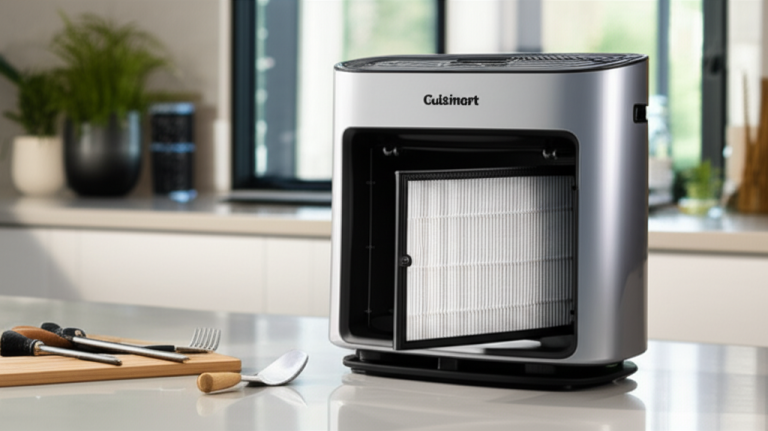
The most critical maintenance for air purifiers is regular filter replacement. The lifespan of filters varies by model and usage, so always consult your manufacturer’s recommendations. Beyond filters, you’ll need to clean the unit’s exterior and interior periodically to prevent dust buildup and ensure optimal airflow.
Humidifier Maintenance Essentials
Humidifiers require more diligent cleaning to prevent the growth of mold and bacteria in the water tank. This typically involves daily emptying and rinsing, and weekly deep cleaning with a descaling solution (like vinegar) and mild soap. Using distilled or demineralized water can also help reduce mineral buildup and extend the life of your unit.
When Air Quality Needs Both: A Combined Approach
Sometimes, the question of air purifier or humidifier which is better has a simple answer: you need both. Certain environmental conditions or health concerns make a combined approach the most beneficial. Recognizing these scenarios ensures you invest in the right solution for optimal home comfort and health.
Seasonal Air Quality Challenges
During winter, dry indoor air from heating systems is a common problem, often accompanied by increased indoor pollutant levels as windows are kept shut. In such cases, a humidifier combats dryness, while an air purifier tackles the accumulated dust, allergens, and other particles. This dual action creates a healthier, more comfortable environment.
Addressing Specific Health Concerns
For individuals suffering from severe allergies, asthma, or other respiratory sensitivities, both dry air and airborne irritants can exacerbate symptoms. A combined setup provides a comprehensive solution, ensuring the air is both clean and adequately humidified. This proactive approach can significantly improve daily well-being and reduce the frequency of flare-ups.
Expert Recommendations and Considerations
When making your final decision on air purifier or humidifier which is better, consider expert advice and practical factors. Think about your budget, the size of your space, and any specific sensitivities you or your family members may have. Consulting resources like the American Lung Association can provide valuable insights into maintaining healthy indoor air.
Choosing the Right Device for Your Space
The effectiveness of both air purifiers and humidifiers depends on their suitability for the room size. Ensure you select a device with an appropriate CADR (Clean Air Delivery Rate) for purifiers or a sufficient output capacity for humidifiers to cover the intended area. Over- or under-sizing can lead to inefficient operation and suboptimal results.
Budget and Long-Term Costs
Consider not only the initial purchase price but also the ongoing costs of filters, replacement parts, and electricity. While some devices have higher upfront costs, they may be more energy-efficient or require less frequent filter replacements, leading to savings over time. Always factor in these long-term expenses when budgeting for your air quality solution.
Frequently Asked Questions (FAQ)
Will a humidifier help with my allergies?
A humidifier doesn’t directly remove allergens like an air purifier does. However, by keeping your nasal passages moist, it can make them less susceptible to irritants and potentially reduce the severity of allergy symptoms for some individuals. For direct allergen removal, an air purifier is more effective.
Can I use tap water in my humidifier?
While you can use tap water, it’s often not recommended, especially for ultrasonic humidifiers. Tap water contains minerals that can create white dust, which can settle on surfaces and potentially be inhaled. Using distilled or demineralized water is best to prevent this and reduce mineral buildup within the humidifier.
How often should I replace air purifier filters?
This depends heavily on the type of filter and the air purifier model. HEPA filters typically need replacement every 6-12 months, while pre-filters may need cleaning more frequently. Always refer to your air purifier’s manual for specific recommendations, as usage patterns and air quality can affect filter life.
Is a warm mist or cool mist humidifier better?
Neither is definitively “better”; it depends on your priorities. Cool mist humidifiers are safer for homes with children and pets and are generally more energy-efficient. Warm mist humidifiers boil water, which can kill bacteria and mold, and the warm vapor can feel comforting in cooler environments.
Can an air purifier remove viruses and bacteria?
Some air purifiers with HEPA filters can capture airborne viruses and bacteria. Additionally, purifiers equipped with UV-C light technology are designed to neutralize these microorganisms. However, their effectiveness depends on the specific pathogen and the purifier’s design and filtration capabilities.
What is the ideal humidity level for my home?
The ideal indoor humidity level is generally considered to be between 30% and 50%. Levels below 30% can lead to dry air symptoms, while levels above 50% can promote the growth of mold and dust mites. A hygrometer can help you monitor and maintain the correct humidity range.
Conclusion: Making the Right Choice for Your Home
So, air purifier or humidifier which is better? The answer truly lies in understanding your specific needs and environmental conditions. If you’re battling allergies, pet dander, or city pollution, an air purifier is your primary solution. If dry air is causing discomfort, chapped skin, or respiratory irritation, a humidifier will bring relief. For many, the ideal scenario involves using both devices to create a perfectly balanced indoor environment. By carefully considering the signs, benefits, and types of each appliance, you can confidently choose the best path to healthier, more comfortable air in your home.