Air Purifier Panasonic vs Sharp: Essential Guide

Comparing air purifier Panasonic vs Sharp reveals key differences in filtration technology, smart features, and price points. This essential guide helps you choose the best model for your home’s air quality needs.
Navigating the world of air purifiers can feel overwhelming, especially when faced with two of the most trusted brands: Panasonic and Sharp. Many people struggle to decide which air purifier is truly the best fit for their home, leading to confusion and potential buyer’s remorse. This guide will demystify the differences between Panasonic and Sharp air purifiers, providing clear insights to help you make an informed decision. Let’s explore which brand offers the superior air purification solution for your family’s health and comfort.
Air Purifier Panasonic vs Sharp: A Deep Dive into Performance
When considering the air purifier Panasonic vs Sharp debate, understanding their core performance metrics is crucial. Both brands aim to improve indoor air quality, but their approaches and effectiveness can vary significantly. We will break down their strengths and weaknesses to help you make the best choice.
Filtration Technologies: HEPA, Activated Carbon, and Beyond
The heart of any air purifier lies in its filtration system, and Panasonic and Sharp employ sophisticated technologies. Both brands typically utilize a multi-stage filtration process to capture a wide range of airborne contaminants. This often includes a pre-filter for larger particles, a HEPA filter for fine particles like dust and pollen, and an activated carbon filter for odors and VOCs.
Sharp is particularly known for its Plasmacluster Ion technology, which releases positive and negative ions to neutralize airborne mold, viruses, and odors. Panasonic, on the other hand, often emphasizes its nanoe™ X technology, which generates hydroxyl radicals to decompose pollutants and inhibit allergens. Research suggests that both Plasmacluster and nanoe™ X can be effective in reducing airborne microbes and improving air freshness.
Key Differentiating Features: What Sets Them Apart
While both brands offer robust filtration, the air purifier Panasonic vs Sharp comparison often hinges on unique features. Panasonic models might integrate advanced sensor technology for precise air quality monitoring and automatic adjustments. Sharp often highlights its integrated humidifying functions in some of its air purifiers, catering to those in drier climates or who experience issues with dry air.
Coverage Area and CADR Ratings: Matching Your Room Size
Choosing an air purifier that’s appropriately sized for your space is paramount. Both Panasonic and Sharp offer a range of models designed for different room sizes, from small bedrooms to larger living areas. Check the Clean Air Delivery Rate (CADR) for each model; higher CADR ratings indicate faster and more efficient air cleaning.
Smart Features and Connectivity: The Modern Home Experience
In today’s connected world, smart features are becoming increasingly important. Many newer Panasonic and Sharp air purifiers come equipped with Wi-Fi connectivity, allowing control via smartphone apps. This enables remote operation, scheduling, and real-time air quality monitoring.
Design and Aesthetics: Blending into Your Home Decor
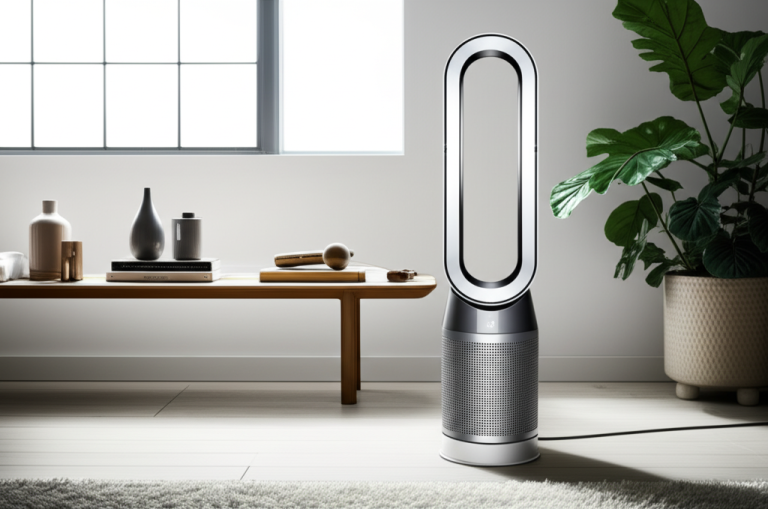
The visual appeal of an air purifier shouldn’t be overlooked, especially when it’s a permanent fixture in your home. Panasonic often opts for a sleek, minimalist design that blends seamlessly into modern interiors. Sharp’s designs can vary, with some models featuring a more contemporary look and others a more functional aesthetic.
Noise Levels: Ensuring a Peaceful Environment
Air purifier noise can be a significant concern, particularly for bedrooms or quiet living spaces. Both Panasonic and Sharp generally produce models with low noise levels, especially on their lower fan settings. Look for decibel (dB) ratings in the product specifications to compare.
Price Point and Value for Money: Budgeting for Clean Air
The air purifier Panasonic vs Sharp price comparison reveals a range of options. Generally, both brands offer mid-range to premium models. Your budget will play a significant role in your decision, but consider the long-term value, including filter replacement costs and energy efficiency.
Filter Replacement and Maintenance: Long-Term Costs
Understanding the ongoing costs of filter replacement is crucial for any air purifier purchase. Both Panasonic and Sharp recommend periodic filter replacements to maintain optimal performance. The frequency and cost of these filters can vary between models and brands, so factor this into your overall budget.
User Reviews and Expert Opinions: Real-World Experiences
When making a significant purchase, consulting user reviews and expert opinions is invaluable. Look for consistent feedback regarding the effectiveness of the air purifier Panasonic vs Sharp models you’re considering. Websites like Wirecutter or Consumer Reports often provide detailed comparisons and testing.
Panasonic Air Purifier Strengths
Panasonic air purifiers are often lauded for their advanced technologies, such as the nanoe™ X generator, which is designed to neutralize a wide range of airborne pollutants. They frequently feature intelligent sensor systems that automatically adjust purification levels based on detected air quality. Many users appreciate their quiet operation and energy efficiency.
nanoe™ X Technology Explained
Panasonic’s proprietary nanoe™ X technology generates hydroxyl radicals (•OH), which are known for their powerful oxidizing capabilities. These radicals can effectively decompose pollutants like viruses, bacteria, allergens, and odors at a molecular level. This technology aims to create a healthier and fresher indoor environment.
Sensor Technology and Auto Mode
The sophisticated sensor suite in many Panasonic air purifiers allows them to detect various pollutants, including fine dust, VOCs, and odors. This enables the “auto mode” to function intelligently, automatically adjusting fan speed and purification intensity to maintain optimal air quality without manual intervention. This convenience is a major plus for many users.
Energy Efficiency and Quiet Operation
Panasonic models often score well on energy efficiency, utilizing advanced motor technology and intelligent power management. They are also designed for quiet operation, with many models featuring a “sleep mode” that significantly reduces noise levels during nighttime use. This ensures that your air purification doesn’t disrupt your peace.
Sharp Air Purifier Strengths
Sharp air purifiers are renowned for their Plasmacluster Ion technology, which is patented and widely recognized for its ability to combat airborne microbes and odors. Many Sharp models also offer integrated humidification, providing a dual benefit for indoor air quality and comfort, especially in dry climates. Their designs are often robust and functional.
Plasmacluster Ion Technology
Sharp’s Plasmacluster Ion technology works by releasing positive and negative ions into the air. When these ions come into contact with airborne pollutants like bacteria, viruses, and mold spores, they form hydroxyl radicals, which then neutralize these contaminants. This active purification method complements the passive filtration process.
Integrated Humidification Functionality
A standout feature for many Sharp air purifiers is their built-in humidifier. This is particularly beneficial for individuals living in arid regions or during winter months when indoor air tends to become dry. Maintaining optimal humidity levels can alleviate dry skin, sore throats, and other respiratory discomforts.
Powerful Airflow and Coverage
Sharp often designs its air purifiers with powerful airflow capabilities, ensuring efficient circulation and rapid purification of larger spaces. Their CADR ratings are frequently competitive, making them a strong choice for rooms where quick air cleaning is desired. This makes them effective for tackling common household allergens.
Direct Comparison: Air Purifier Panasonic vs Sharp
Let’s break down the air purifier Panasonic vs Sharp comparison into specific categories to make your decision easier. We’ll look at how each brand stacks up in terms of core features, performance, and overall user experience.
Filtration Effectiveness: HEPA and Beyond
Both Panasonic and Sharp utilize high-quality HEPA filters, which are essential for capturing 99.97% of particles as small as 0.3 microns. Where they differ is in their complementary technologies. Panasonic’s nanoe™ X aims for molecular decomposition, while Sharp’s Plasmacluster Ions actively neutralize microbes. Both are effective, but their mechanisms are distinct.
Odor and VOC Removal
Activated carbon filters are standard in most high-end air purifiers from both brands, effectively trapping odors from cooking, pets, and smoke, as well as volatile organic compounds (VOCs) emitted from household products. The effectiveness can depend on the density and quality of the carbon filter used in specific models.
Allergen and Pollen Capture
For allergy sufferers, both Panasonic and Sharp air purifiers excel at capturing common airborne allergens like pollen, dust mites, and pet dander. The HEPA filtration is the primary mechanism for this, ensuring that these irritants are removed from the air you breathe.
Smart Home Integration and App Control
The level of smart home integration can vary greatly by model within each brand. Newer Panasonic and Sharp units often offer app control, allowing you to monitor air quality, adjust settings, and set schedules remotely. Check specific model specifications for Wi-Fi capabilities and app compatibility.
Noise Levels in Operation
Generally, both brands offer models with quiet operation, especially on lower fan speeds. However, noise levels can increase significantly on higher settings when the unit is working harder. It’s always advisable to check the decibel (dB) ratings for specific models you are considering.
Cost of Ownership: Initial Purchase and Filters
The initial purchase price for Panasonic and Sharp air purifiers can be comparable, often falling into the mid to high-end range. The long-term cost of ownership is heavily influenced by filter replacement frequency and price. It’s wise to research the cost and availability of replacement filters for any model you consider.
Humidification vs. Ion Technology Focus
If you require humidification alongside air purification, Sharp often has a broader range of models that integrate this feature. If your primary concern is tackling a wide spectrum of pollutants and odors with advanced molecular decomposition, Panasonic’s nanoe™ X technology might be more appealing.
Comparing Specific Models (Illustrative Examples)
To further illustrate the air purifier Panasonic vs Sharp differences, let’s consider hypothetical popular models. (Note: Specific model numbers and features change, so always check the latest offerings.)
Example Panasonic Model: F-VXJ70A
This model might feature advanced sensors, nanoe™ X technology, a 3-layer composite filter (pre-filter, HEPA, activated carbon), and a coverage area suitable for medium to large rooms. It would likely offer smart app connectivity for remote control and monitoring.
Example Sharp Model: KI-L65Y
A comparable Sharp model might boast Plasmacluster Ion technology, a HEPA filter, an activated carbon filter, and an integrated humidifier. It would also likely offer app control and be designed for efficient air circulation in larger spaces.
Choosing the Right Air Purifier for Your Needs
The “best” air purifier Panasonic vs Sharp ultimately depends on your specific requirements and priorities. Consider the size of the room, your primary concerns (allergies, odors, dry air), your budget, and your preference for specific technologies.
For Allergy Sufferers
If your main concern is airborne allergens like pollen, dust, and pet dander, both brands offer excellent HEPA filtration. Panasonic’s nanoe™ X might offer an additional layer of allergen neutralization, while Sharp’s Plasmacluster Ions also target airborne irritants.
For Odor Control
Both brands excel at odor removal thanks to their activated carbon filters. If you have significant odor issues from pets, cooking, or smoke, ensure the model you choose has a substantial activated carbon component.
For Humidification Needs
If you live in a dry climate or suffer from dry air-related discomforts, a Sharp air purifier with an integrated humidifier would be a more practical choice. Panasonic typically focuses solely on air purification.
For Smart Home Enthusiasts
If seamless integration with your smart home ecosystem is a priority, carefully review the app capabilities and connectivity features of specific Panasonic and Sharp models. Most modern units from both brands offer this.
Frequently Asked Questions (FAQ)
Are Panasonic air purifiers better than Sharp air purifiers?
It’s not a matter of one being definitively “better,” but rather which is better suited to your needs. Both offer excellent air purification with different signature technologies.
Does Sharp’s Plasmacluster Ion technology work?
Yes, numerous studies and user testimonials suggest that Sharp’s Plasmacluster Ion technology is effective in neutralizing airborne bacteria, viruses, mold, and odors.
Is Panasonic’s nanoe™ X technology effective?
Yes, Panasonic’s nanoe™ X technology has been shown in laboratory tests to decompose pollutants like allergens, viruses, and bacteria, contributing to improved air quality.
How often do I need to replace filters for Panasonic and Sharp air purifiers?
Filter replacement frequency varies by model and usage, but typically ranges from 6 months to 2 years. Always refer to your specific model’s manual for recommended replacement schedules.
Which brand is more energy-efficient, Panasonic or Sharp?
Both brands produce energy-efficient models. Look for Energy Star certification and compare the power consumption (in watts) of specific models you are considering.
Do air purifiers with humidifiers actually work well?
Yes, air purifiers with integrated humidifiers can effectively improve both air purity and humidity levels, especially in smaller to medium-sized rooms.
Is it worth buying an air purifier with smart features?
Smart features like app control and scheduling can add convenience and allow for better management of your air purifier, making them a valuable addition for many users.
Conclusion: Your Healthiest Air Awaits
When comparing air purifier Panasonic vs Sharp, you’re looking at two industry leaders offering robust solutions for cleaner indoor air. Panasonic often leads with its advanced nanoe™ X technology and intelligent sensor systems, providing a comprehensive approach to neutralizing pollutants. Sharp stands out with its widely recognized Plasmacluster Ion technology and the added benefit of integrated humidification in many of its models.
Your final decision should be based on a careful assessment of your home’s specific needs. Do you prioritize advanced pollutant decomposition, or is the dual function of purification and humidification more important? By understanding the unique strengths of each brand and considering your personal health goals, you can confidently select the air purifier that will best serve you and your family, ensuring a healthier and more comfortable living environment.