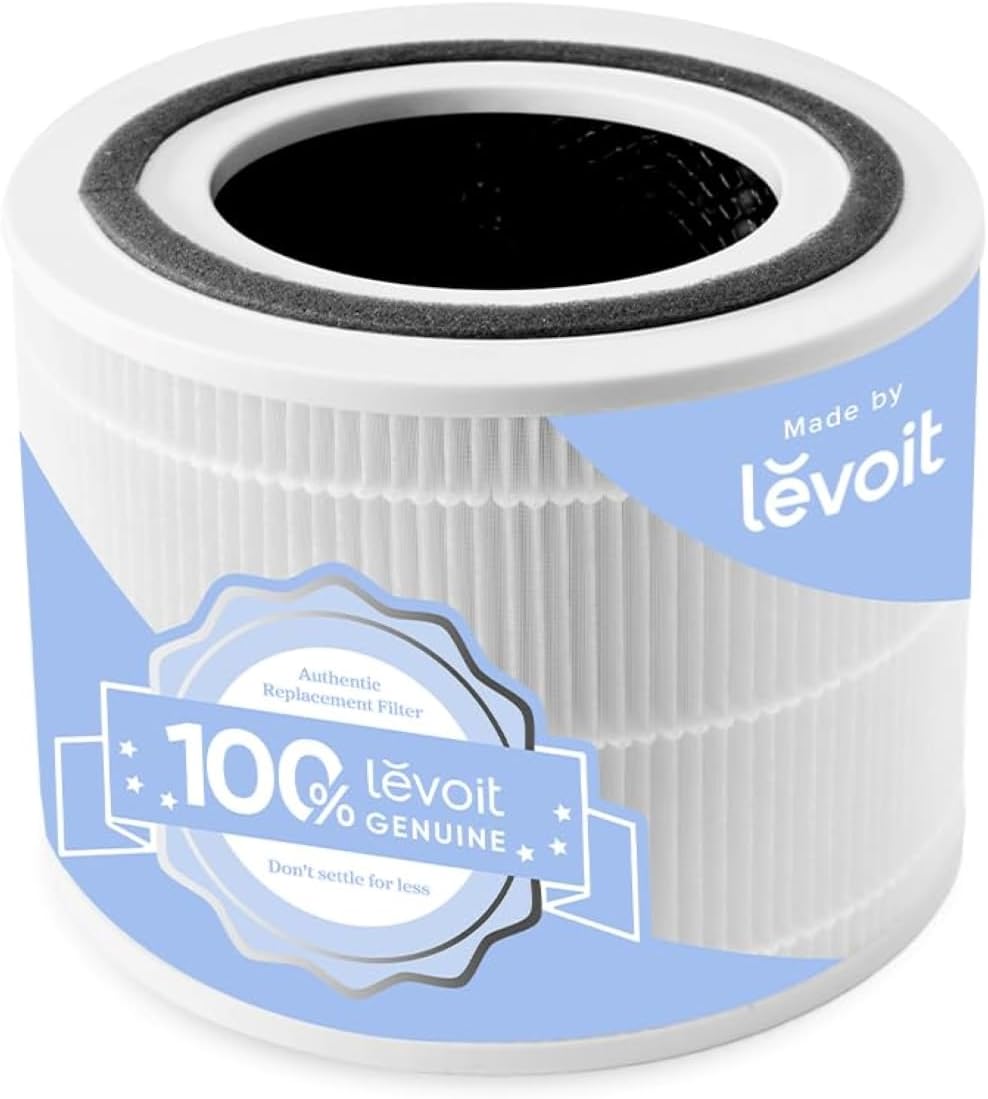
Air Purifier How Often to Change Filter: Essential Guide

Understanding how often to change your air purifier filter is crucial for optimal performance and air quality. This guide provides clear answers and actionable advice to ensure your device works efficiently, keeping your home healthy.
Is your air purifier working as hard as it should be? Many people wonder about air purifier how often to change filter, a common question that can significantly impact your home’s air quality. Overlooked filter changes can reduce efficiency and even recirculate pollutants. Don’t worry, I’m here to demystify this process. We’ll cover everything you need to know, from understanding filter types to knowing when it’s time for a replacement, ensuring your air stays fresh and clean.
Why Air Purifier Filter Replacement Matters
An air purifier’s effectiveness hinges entirely on its filter. When a filter becomes clogged with dust, pollen, pet dander, and other airborne particles, it struggles to pull in air. This reduced airflow means fewer pollutants are captured, diminishing the unit’s ability to purify your environment. Regularly replacing your air purifier filter is therefore essential for maintaining optimal performance and ensuring you’re breathing the cleanest air possible.
The Role of the Air Purifier Filter
Think of your air purifier filter as the lungs of the machine. It’s the primary component responsible for trapping microscopic particles that circulate in your home’s air. Without a clean filter, the purifier can’t effectively remove allergens, smoke, odors, and other irritants, rendering the entire device less beneficial for your health and comfort.
How Often to Change Your Air Purifier Filter: The General Rule
The most common recommendation for air purifier how often to change filter is every 6 to 12 months. However, this is a broad guideline. Several factors can influence this frequency, meaning your specific needs might differ. Paying attention to your unit’s indicators and your home environment will help you determine the precise timing for replacement.
Understanding Your Air Purifier’s Manual
Your air purifier’s user manual is the most reliable source for specific filter replacement recommendations. Manufacturers design their units with particular filter types and performance expectations in mind. Always consult your manual first to get the most accurate information tailored to your specific model. This ensures you follow the manufacturer’s guidelines for optimal function and warranty validity.
Factors Influencing Air Purifier Filter Lifespan
Several environmental and usage factors dictate how often you’ll need to change your air purifier filter. Understanding these can help you predict and manage replacement schedules more effectively. By assessing these conditions, you can better gauge the lifespan of your filters.
Usage Frequency and Intensity
An air purifier that runs continuously, especially on higher settings, will accumulate dust and pollutants much faster than one used intermittently. If your purifier is on 24/7, particularly in a busy household, expect to replace filters more frequently. High-intensity use means the filter works harder and gets saturated quicker.
Air Quality in Your Home
The level of pollutants in your home environment plays a significant role. Homes with pets, smokers, frequent cooking, or located in areas with high outdoor pollution (like near busy roads or industrial zones) will cause filters to clog faster. A higher pollutant load directly translates to a shorter filter life.
Type of Air Purifier Filter
Different air purifier filter technologies have varying lifespans. HEPA filters, for example, are highly effective but can become saturated sooner than some other types. Activated carbon filters, often used for odor control, also have a lifespan dependent on the amount of odor molecules they absorb. Understanding your filter type is key to knowing its expected duration.
HEPA Filters
True HEPA filters are designed to capture 99.97% of airborne particles as small as 0.3 microns. Due to their fine mesh, they can become clogged relatively quickly, especially in dusty environments. Most manufacturers recommend replacing HEPA filters every 6 to 12 months, though heavy use may necessitate earlier changes.
Activated Carbon Filters
Activated carbon filters excel at adsorbing odors, gases, and volatile organic compounds (VOCs). Their lifespan depends on the concentration of these substances in the air. In homes with strong odors or chemical sensitivities, these filters may need replacement every 3 to 6 months. They are often combined with HEPA filters for comprehensive purification.
Pre-filters
Pre-filters are typically washable and designed to catch larger particles like hair and lint. This protects the more delicate HEPA and carbon filters, extending their life. While they don’t usually have a strict replacement schedule, they should be cleaned regularly, often monthly. A dirty pre-filter can significantly impede airflow and reduce overall efficiency.
Signs Your Air Purifier Filter Needs Changing
Beyond the recommended schedule, several observable signs indicate it’s time to change your air purifier filter. Recognizing these cues ensures you don’t run your purifier with a compromised filter. Acting on these signals will maintain optimal air purification.
Reduced Airflow from the Unit
One of the most noticeable signs is a significant decrease in the amount of air being expelled from the purifier. If you feel less air coming out, even on the highest setting, the filter is likely clogged and restricting airflow. This indicates the motor is working harder, but less air is being cleaned.
Increased Noise Levels
When a filter is clogged, the air purifier’s motor has to work harder to draw air through it. This extra strain can often result in a noticeable increase in the noise level of the unit. If your purifier suddenly sounds louder or more strained than usual, it’s a strong indicator that the filter needs attention.
Lingering Odors or Allergens
If you notice that odors in your home are no longer being effectively removed, or if allergy symptoms seem to be worsening despite using the air purifier, the filter may be saturated. A dirty filter can no longer effectively capture odor-causing molecules or allergens. This suggests the filter has reached its capacity.
Visible Dirt or Discoloration on the Filter
If your air purifier has a washable pre-filter, you can often see the accumulated dirt and dust. For internal filters, if you can access them, a dark, grimy appearance is a clear sign they are full. Some HEPA filters might also change color as they trap pollutants. This visual cue is a straightforward indicator for replacement.
Indicator Lights on the Purifier
Many modern air purifiers come equipped with filter change indicator lights. These lights are designed to alert you when the filter has reached the end of its effective lifespan, based on usage hours or internal sensors. While these are helpful, it’s still wise to check the filter visually and consider your home environment.
How to Properly Change an Air Purifier Filter
Changing your air purifier filter is typically a straightforward process, designed for user convenience. Following these steps will ensure a smooth and effective replacement, getting your purifier back to peak performance. Always ensure the unit is unplugged before you begin any maintenance.
Step-by-Step Filter Replacement Guide
- Unplug the Air Purifier: Always disconnect the power cord from the electrical outlet before starting. Safety first is paramount when dealing with any electrical appliance.
- Access the Filter Compartment: Most units have a back or side panel that can be opened, often by releasing latches or unscrewing a few small screws. Consult your manual if you’re unsure.
- Remove the Old Filter: Carefully slide or pull out the old filter. Be mindful not to release any trapped dust into the air; you can often seal the old filter in a plastic bag.
- Install the New Filter: Unwrap the new filter and insert it into the compartment, ensuring it’s oriented correctly according to the unit’s design or markings.
- Secure the Compartment: Close and secure the filter compartment panel, ensuring all latches are fastened or screws are tightened.
- Plug In and Power On: Reconnect the power cord and turn on your air purifier. You may need to reset the filter indicator light manually (check your manual for instructions).
Cleaning vs. Replacing Filters
It’s crucial to distinguish between filters that can be cleaned and those that must be replaced. Pre-filters are often washable and reusable. However, HEPA and activated carbon filters are typically designed for single use and cannot be effectively cleaned. Washing these filters can damage their structure and compromise their ability to trap fine particles, rendering them ineffective or even harmful.
Best Practices for Maintaining Your Air Purifier
Beyond just changing the filter, a few best practices can help your air purifier perform optimally and last longer. These simple habits contribute to better air quality and a more efficient appliance. Consistent maintenance ensures you get the most out of your investment.
Regularly Clean the Exterior and Interior
Wipe down the exterior of your air purifier regularly with a damp cloth to remove dust. Periodically, when changing the filter, gently vacuum the interior components or use a soft brush to remove any dust that may have bypassed the pre-filter. This prevents dust buildup from affecting the motor and internal workings.
Proper Filter Storage
If you purchase replacement filters in advance, store them in their original, sealed packaging in a cool, dry place. This prevents them from absorbing moisture or ambient odors before they are installed. Proper storage ensures the new filter is ready to perform at its best when you need it.
Consider a Filter Subscription Service
Many manufacturers and third-party retailers offer filter subscription services. This can be a convenient way to ensure you never forget to replace your filter. Filters are automatically shipped to you at recommended intervals, often with a slight discount. It takes the guesswork out of reordering and guarantees you always have a clean filter on hand.
Air Purifier Filter Lifespan Comparison Table
To provide a clearer picture, here’s a table summarizing the typical lifespan of different air purifier filter types. Remember, these are general estimates, and your actual experience may vary based on the factors discussed earlier.
| Filter Type | Typical Lifespan | Notes |
|---|---|---|
| Pre-filter | Washable (clean monthly) | Catches large particles; extends life of other filters. |
| HEPA Filter | 6-12 months | Captures fine particles; lifespan depends heavily on usage and air quality. |
| Activated Carbon Filter | 3-6 months (for odors) | Adsorbs gases and odors; saturated faster in odor-rich environments. |
| Combination Filters | 6-12 months | Varies based on the dominant filter type (HEPA or Carbon) and usage. |
This table offers a quick reference for understanding how often to change your air purifier filter based on its type. Always prioritize your specific model’s recommendations and your home’s conditions.
Common Air Purifier Brands and Their Filter Recommendations
Different brands have varying filter recommendations, often reflecting their unique filter technology and intended use. Knowing these specifics can help you manage maintenance for popular models. Here are a few examples from well-known brands, but always refer to your specific model’s manual for the most accurate information.
Coway
Coway air purifiers, known for their multi-stage filtration systems, typically recommend replacing their HEPA filters every 12 months. Their activated carbon filters, designed for odor and gas removal, may need replacement sooner, often around 6 months, depending on environmental factors. Their indicator lights are generally reliable for signaling replacement needs.
Blueair
Blueair units often use a combination of mechanical and electrostatic filtration. Their HEPASilent™ technology filters usually have a lifespan of around 6 months. Some of their models also feature activated carbon sheets that should be replaced concurrently with the main filter to maintain optimal odor and gas filtration.
Levoit
Levoit air purifiers commonly feature a three-stage filtration system including a pre-filter, True HEPA filter, and an activated carbon filter. For most Levoit models, the manufacturer suggests replacing the HEPA filter combination every 6 to 8 months for optimal performance. This timeframe can be shorter in very dusty or polluted environments.
Winix
Winix air purifiers often include True HEPA filters, activated carbon filters, and their PlasmaWave® technology. Their True HEPA filters are generally recommended for replacement every 12 months. The activated carbon filters, which are often washable for extended use, might need replacement every 3 months if significant odors are present.
When to Consider Upgrading Your Air Purifier
While filter replacement is key, sometimes the age or efficiency of the unit itself warrants an upgrade. If you find yourself constantly replacing filters, or if your current unit struggles to keep up with your air quality needs, it might be time for a newer, more advanced model. Investing in a better unit can lead to more cost-effective filter replacements and superior air purification.
Aging Units and Decreased Efficiency
Older air purifiers may simply not be as efficient as newer models, even with a new filter. Motors can degrade, and designs may not incorporate the latest filtration technologies. If your unit is many years old and performance has noticeably declined, consider its overall lifespan and the potential benefits of an upgrade.
Changing Air Quality Needs
Your air quality needs can change over time. You might develop new allergies, bring a pet into your home, or move to an area with different pollution challenges. If your current air purifier is no longer meeting these evolving needs, it’s a good time to explore models with higher CADR ratings or specialized filtration for your specific concerns. For instance, if you’re dealing with wildfire smoke, a unit with enhanced carbon filtration would be beneficial.
Frequently Asked Questions About Air Purifier Filters
How do I know if my air purifier filter needs changing?
Look for signs like reduced airflow, increased noise, lingering odors, visible dirt on the filter, or a filter change indicator light. These are all strong indicators that replacement is due.
Can I wash and reuse a HEPA filter?
No, HEPA filters are not designed to be washed. Washing can damage the filter media, rendering it ineffective and potentially releasing trapped particles back into the air. Only pre-filters are typically washable.
How long do activated carbon filters last?
Activated carbon filters usually last between 3 to 6 months, depending on how much odor and gas the filter is adsorbing. In heavily odorous environments, they may need replacement more frequently.
What happens if I don’t change my air purifier filter?
If you don’t change your air purifier filter, its efficiency will significantly decrease. It will struggle to capture pollutants, potentially recirculate dust, and the motor may work harder, leading to reduced performance and a shorter lifespan for the unit.
Are filter replacement costs a significant ongoing expense?
The cost of replacement filters can add up over time, but it’s a necessary expense for maintaining clean air. Some units have more expensive filters than others, so it’s worth considering the long-term cost of ownership when purchasing an air purifier.
Can I use a generic filter instead of the brand-name one?
Generic filters can be a more affordable option, but their quality and fit may vary. It’s best to use filters specifically designed for your model to ensure optimal performance and to avoid voiding your warranty. Always check compatibility.
Conclusion: Breathe Easier with Timely Filter Changes
Understanding air purifier how often to change filter is fundamental to maximizing your device’s benefits. By paying attention to your air purifier’s indicators, considering your home environment, and following the general guidelines of 6 to 12 months for HEPA filters and 3 to 6 months for activated carbon filters, you can ensure consistently clean air. Remember to consult your manual for precise recommendations and don’t hesitate to replace filters sooner if you notice reduced performance or increased allergens. Taking these simple steps will help you and your family breathe easier, creating a healthier and more comfortable living space.