
Air Purifier Whole House UV Light: Essential Clean Air

Breathe easier with an air purifier whole house UV light system, your ultimate defense against airborne pollutants for truly essential clean air throughout your entire home. This advanced technology tackles viruses, bacteria, mold, and allergens, ensuring a healthier living environment for everyone.
Air Purifier Whole House UV Light: Essential Clean Air for Your Home
Do you worry about the air you breathe indoors? It’s a common concern, especially with increasing awareness of allergens, viruses, and other microscopic threats. The air inside our homes can often be more polluted than the air outside, leading to allergies, respiratory issues, and general discomfort. Fortunately, there’s a powerful solution: an air purifier whole house UV light system. This article will guide you through understanding how these systems work and why they are essential for achieving truly clean air throughout your entire home.
What is a Whole House UV Air Purifier?
A whole house UV air purifier is an integrated system designed to sanitize the air circulating throughout your entire HVAC ductwork. Unlike portable units that focus on a single room, this system treats all the air that passes through your furnace or air handler, ensuring comprehensive purification. It uses ultraviolet (UV-C) light to neutralize airborne contaminants as they travel through your home’s ventilation.
This technology offers a proactive approach to maintaining air quality, targeting pathogens that portable purifiers might miss. It works silently in the background, providing continuous protection for all occupants. Investing in this system means investing in the long-term health and well-being of your family.
The Science Behind UV-C Light for Air Purification
UV-C light, specifically at a wavelength of 254 nanometers, is highly effective at germicidal irradiation. This wavelength disrupts the DNA and RNA of microorganisms, rendering them unable to reproduce and effectively killing them. It’s a natural and chemical-free method of sterilization used in hospitals and water treatment facilities for decades.
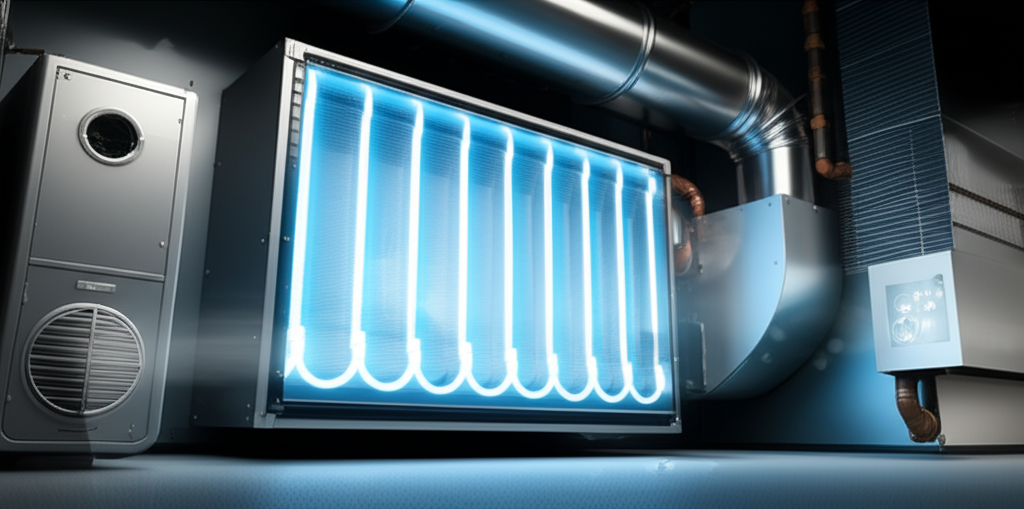
When integrated into your HVAC system, UV-C lamps are typically installed near the evaporator coil or in the main ductwork. As air passes by the illuminated bulbs, any viruses, bacteria, mold spores, or other pathogens are exposed to the germicidal rays. This process significantly reduces the microbial load in your home’s air.
How a Whole House UV Air Purifier Works Within Your HVAC System
Your home’s HVAC system continuously circulates air, drawing it in, conditioning it, and distributing it back out. A whole house UV air purifier capitalizes on this existing circulation. The UV-C lamps are strategically placed within the ductwork, often near the air handler or furnace.
As air flows through the ducts, it passes directly in front of the UV-C bulbs. This exposure inactivates airborne microorganisms, preventing them from multiplying and spreading throughout your home. It acts as a continuous sanitation process for all the air entering your living spaces.
Key Benefits of Installing a Whole House UV Air Purifier
The advantages of a whole house UV air purifier extend far beyond simple air filtration. They offer a robust defense against a wide range of airborne threats, contributing to a healthier and more comfortable living environment. This comprehensive approach ensures that every breath you take is cleaner.
Eliminating Airborne Pathogens
One of the primary benefits is the inactivation of viruses, bacteria, and mold spores. This is crucial for reducing the spread of common illnesses like colds and flu, as well as mitigating the impact of allergens and irritants that can trigger asthma and other respiratory conditions. Regular exposure to UV-C light significantly reduces the viability of these harmful microorganisms.
Reducing Mold and Mildew Growth
Mold and mildew thrive in damp environments, and the coils of your HVAC system can be a breeding ground. UV-C light effectively prevents mold and mildew from growing on these surfaces and in your ductwork. This not only improves air quality but also helps protect your HVAC equipment from damage.
Neutralizing Odors
Volatile organic compounds (VOCs) and other odor-causing molecules can linger in the air. While not its primary function, UV-C light can help break down some of these compounds, contributing to a fresher-smelling home. This complements other air purification methods by tackling microscopic odor sources.
Improving Allergy and Asthma Symptoms
For individuals suffering from allergies or asthma, airborne irritants like pollen, dust mites, and pet dander can be a constant problem. By neutralizing bacteria and mold spores, UV-C light reduces the triggers that exacerbate these conditions. This leads to fewer allergy flare-ups and a more comfortable breathing experience.
Protecting Your HVAC System
By preventing mold and bacteria from growing on your HVAC system’s coils and in the ductwork, UV-C light helps maintain the efficiency and longevity of your equipment. Cleaner components mean your system runs more effectively and requires less frequent maintenance. This protects your investment in your home’s climate control.
Types of Whole House UV Air Purifiers
There are generally two main types of whole house UV air purification systems, distinguished by their placement and function within the HVAC system. Understanding these differences can help you choose the best option for your needs. Both aim to deliver germicidal UV light to the circulating air.
In-Duct UV Systems
These are the most common type of whole house UV air purifier. They consist of one or more UV-C lamps mounted directly inside the air ductwork, typically near the air handler or furnace. The UV light shines on the air as it passes through, sanitizing it continuously.
These systems are designed for easy integration into existing HVAC setups. They offer broad-spectrum disinfection as air moves through the treated zone. Installation is usually straightforward for a qualified HVAC professional.
Coil Sterilization UV Systems
Specifically designed to target the evaporator coil of your air conditioner or furnace, these UV lamps are mounted to shine directly on the coil surface. This is particularly effective at preventing mold and bacteria growth that can accumulate on the damp coil. By keeping the coil clean, it enhances both air quality and system efficiency.
These systems focus on a critical area prone to microbial contamination. They indirectly contribute to better air quality by preventing the coil itself from becoming a source of pollutants.
Factors to Consider When Choosing a Whole House UV Air Purifier
Selecting the right whole house UV air purifier involves considering several important factors to ensure optimal performance and compatibility with your home. It’s not a one-size-fits-all solution. A thorough assessment will lead to the best choice for your specific needs.
HVAC System Size and Airflow
The size of your HVAC system and the volume of air it circulates are critical. A system that is too small may not provide sufficient UV exposure, while an oversized system might be unnecessarily expensive. Professionals will measure airflow to recommend appropriate UV lamp wattage and placement.
Lamp Wattage and Effectiveness
UV lamp wattage directly impacts its germicidal power. Higher wattage lamps provide more intense UV radiation, leading to more effective pathogen inactivation. Ensure the system you choose has adequate wattage for the volume of air being treated.
Installation Complexity and Professional Expertise
While some UV systems are designed for simpler installation, most require professional expertise to ensure proper placement and electrical connection. It’s crucial to hire a qualified HVAC technician experienced with UV air purification systems. This guarantees safe and effective operation.
Maintenance Requirements and Bulb Lifespan
UV bulbs have a limited lifespan and will need replacement periodically, typically every 1-2 years. Consider the ease of access for bulb replacement and the ongoing cost of replacement bulbs. Some systems offer indicator lights to signal when a bulb needs changing.
Additional Features and Certifications
Look for systems with features like indicator lights for bulb status, durable construction, and safety interlocks that turn off the UV light when the HVAC system is not running. Certifications from reputable organizations can also indicate product quality and safety standards.
Installation Process of a Whole House UV Air Purifier
The installation of a whole house UV air purifier is a task best left to qualified HVAC professionals. They have the knowledge and tools to ensure the system is installed safely and effectively within your existing ductwork and electrical system. A proper installation is key to its performance.
Step 1: Assessment and Planning
A technician will first assess your HVAC system, including ductwork size, airflow, and electrical capacity. They will determine the optimal location for the UV lamp(s) to ensure maximum exposure to the circulating air. This might be near the air handler, in the main supply plenum, or near the return duct.
Step 2: Mounting the UV Lamp Assembly
The UV lamp assembly, which includes the bulb and housing, is securely mounted into the ductwork. This usually involves cutting a small opening in the duct to insert the assembly. Safety precautions are taken to prevent air leaks and ensure a secure fit.
Step 3: Electrical Wiring
The UV lamp requires a power source. The technician will connect the lamp to your home’s electrical system, often tapping into the power supply of your furnace or air handler. Safety switches are typically installed to ensure the UV light only operates when the HVAC system is running.
Step 4: Testing and Verification
Once installed, the technician will test the system to ensure the UV lamp is functioning correctly and that there are no air leaks. They will confirm that the UV light activates and deactivates as expected with the HVAC system’s operation. You’ll receive instructions on maintenance.
Maintenance and Replacement of UV Bulbs
Consistent maintenance is essential to ensure your whole house UV air purifier operates at peak efficiency. The primary maintenance task involves the periodic replacement of the UV-C bulbs. Neglecting this can significantly reduce the system’s effectiveness.
Bulb Lifespan and Replacement Schedule
Most UV-C bulbs are designed to last between 9,000 and 12,000 hours of use, which typically translates to about one to two years depending on your HVAC system’s run time. Manufacturers usually provide a recommended replacement schedule. It’s wise to mark your calendar or set reminders.
Signs a Bulb Needs Replacement
Many UV systems come with indicator lights that signal when a bulb is nearing the end of its life or has burned out. If your system doesn’t have this feature, you might notice a decrease in air freshness or a recurrence of issues the UV light was intended to combat. Visual inspection of the bulb, if possible, might reveal if it’s no longer emitting light.
The Replacement Process
Replacing a UV bulb is usually a straightforward process, but it’s important to follow the manufacturer’s instructions carefully. Always turn off the power to the UV system at the breaker before attempting replacement. Wear gloves to avoid touching the new bulb with bare hands, as oils from your skin can reduce its lifespan and effectiveness.
UV Light vs. Other Air Purification Methods
While UV light is a powerful tool, it’s beneficial to understand how it compares to other common air purification methods. Each technology has its strengths and weaknesses, and sometimes a combination of methods provides the most comprehensive air quality solution. Knowing these differences helps in making informed decisions.
HEPA Filters
HEPA (High-Efficiency Particulate Air) filters are excellent at capturing physical particles like dust, pollen, and pet dander. They work by physically trapping these particles in a dense filter medium. However, HEPA filters do not kill or inactivate viruses, bacteria, or mold spores.
Activated Carbon Filters
Activated carbon filters excel at adsorbing odors, gases, and VOCs. They are effective at removing smells from cooking, pets, or chemicals. While they improve air freshness, they do not address airborne pathogens or particulate matter.
Ozone Generators
Ozone generators produce ozone gas to neutralize odors and pollutants. However, ozone is a lung irritant and can be harmful to health, especially for individuals with respiratory conditions. Many health organizations advise against their use in occupied spaces.
UV-C Light Comparison
UV-C light specifically targets and inactivates living microorganisms. It complements HEPA filters by killing what the filter can’t eliminate and activated carbon filters by not addressing odors directly. A whole house UV air purifier works within the HVAC system to treat all circulating air, offering a distinct advantage over single-room or filter-only solutions.
Is a Whole House UV Air Purifier Right for You?
Deciding whether a whole house UV air purifier is the best investment for your home depends on your specific needs and concerns. Consider the health of your household members, the prevalence of allergies or respiratory issues, and your overall desire for optimal indoor air quality. This system offers a robust, whole-home solution.
If you or family members suffer from allergies, asthma, or frequent respiratory infections, the germicidal capabilities of UV-C light can provide significant relief and protection. It’s also a great choice for those seeking to reduce the risk of airborne illness transmission within the home. Furthermore, it’s an excellent preventative measure for maintaining a healthier living environment.
Frequently Asked Questions About Whole House UV Air Purifiers
Here are answers to some common questions about whole house UV air purifiers.
Q1: How long does a UV bulb last?
A: Most UV-C bulbs have a lifespan of 9,000 to 12,000 hours, typically needing replacement every 1-2 years, depending on usage.
Q2: Do UV air purifiers produce ozone?
A: High-quality UV-C air purifiers designed for germicidal purposes do not produce ozone. Ozone production is typically associated with certain types of UV-A or UV-B lamps or faulty ozone generators.
Q3: Can I install a UV air purifier myself?
A: While some basic UV units might seem simple, proper installation within an HVAC system requires professional knowledge and tools. It’s recommended to hire a qualified HVAC technician for safe and effective installation.
Q4: Will a UV air purifier kill all germs?
A: UV-C light is highly effective at inactivating a wide range of viruses, bacteria, and mold spores. However, complete sterilization depends on factors like UV intensity, exposure time, and the specific type of microorganism.
Q5: How does a whole house UV system compare to portable air purifiers?
A: A whole house system treats all the air circulating through your HVAC system, providing comprehensive coverage. Portable units are limited to purifying the air in a single room.
Q6: Is UV light safe for my family and pets?
A: When properly installed within the HVAC ductwork, the UV-C light is contained and does not pose a direct exposure risk to occupants. The light only shines when air is circulating through the ducts.
Conclusion: Embracing Essential Clean Air with Whole House UV Light
An air purifier whole house UV light system represents a significant step towards achieving essential clean air for your entire home. By effectively neutralizing airborne viruses, bacteria, mold, and other pathogens, it creates a healthier living environment, reduces the risk of illness, and alleviates allergy and asthma symptoms. This integrated approach offers continuous, silent protection that portable units cannot match. Investing in a whole house UV system is an investment in the well-being of your family and the longevity of your HVAC equipment. Consider this advanced technology to ensure every breath you take indoors is as clean and healthy as possible.
