
Can Air Purifier Make You Cough? Proven Relief!

Yes, an air purifier can sometimes make you cough, but it’s usually a sign of improper use or a specific issue, not an inherent flaw. This article explains why that might happen and provides proven ways to find relief and enjoy cleaner air.
When you invest in an air purifier, the expectation is clear: cleaner air and a healthier living space. However, some users report an unexpected side effect – coughing. This can be confusing and even alarming, especially if you’re relying on the device for relief from allergies or respiratory issues. But don’t worry; this is a solvable problem. We’ll dive into the common reasons why an air purifier might cause coughing and guide you through the simple steps to ensure yours provides comfort, not irritation. Let’s find out how to get the most out of your air purification system.
Why Might an Air Purifier Cause Coughing?
An air purifier, when functioning correctly, should alleviate respiratory symptoms, not cause them. However, several factors can lead to an air purifier making you cough. Understanding these potential triggers is the first step toward resolving the issue and enjoying the benefits of cleaner air. It often boils down to the type of purifier, its maintenance, or how it’s being used in your environment.
New Air Purifier Coughing: The Initial Break-In Period
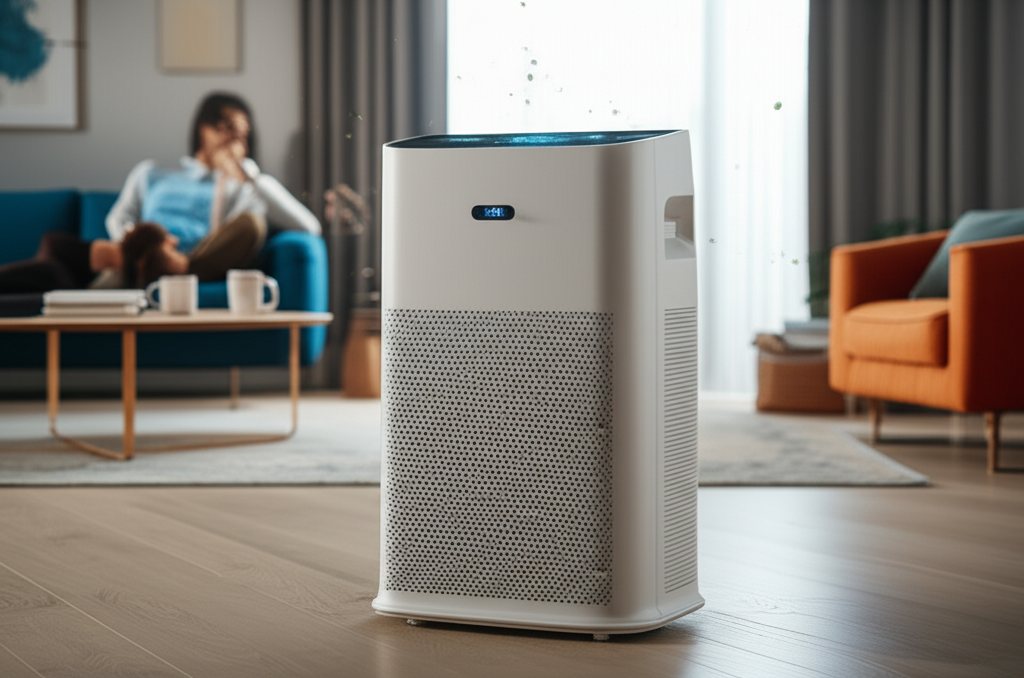
When you first unbox a brand-new air purifier, you might notice a slight odor or even experience mild irritation. This is often due to the manufacturing process, lubricants used on the motor, or new filter materials off-gassing volatile organic compounds (VOCs). These initial emissions are usually temporary and should dissipate within a few days of continuous operation. Running the purifier in a well-ventilated area during this initial phase can help clear the air more quickly.
Filter Issues: The Most Common Culprit
The filters are the heart of any air purifier, trapping pollutants. However, if these filters are damaged, not properly seated, or of poor quality, they can inadvertently cause coughing. A cracked filter casing or a filter that isn’t sealed correctly can allow air to bypass the filtration media, circulating unfiltered air and potential irritants. Always ensure your filters are the correct size and model for your purifier and are installed according to the manufacturer’s instructions.
Over-Filtration and Ionizer Emissions
Some air purifiers use ionization or ozone generation as part of their purification process. While effective at trapping particles, these technologies can sometimes produce small amounts of ozone. Ozone is a lung irritant and can cause coughing, shortness of breath, and throat irritation, especially in sensitive individuals. If your purifier has an ionizer or ozone generator, consider disabling it or opting for a model that doesn’t use these features.
Sizing and Placement Matters
An air purifier that is too small for the room it’s in won’t be effective and might even struggle, potentially leading to increased fan noise and less efficient cleaning. Conversely, placing a purifier too close to where you spend a lot of time, especially a high-powered unit, could expose you to concentrated levels of cleaned air or residual emissions. Ensure your air purifier is appropriately sized for your space and placed in a location where it can circulate air effectively without being directly in your breathing zone.
Air Purifier Making Me Cough: Understanding Your Symptoms
It’s crucial to differentiate between a temporary, minor irritation and a persistent cough. If your coughing is severe, accompanied by chest tightness, or doesn’t improve after a few days, it’s essential to investigate further. Pay attention to when the coughing occurs – is it only when the purifier is on? Does it happen immediately, or after some time? This information can help pinpoint the cause.
Troubleshooting Your Air Purifier for Cough Relief
If you’ve found yourself asking, “Can air purifier make you cough?” and experiencing this yourself, the good news is that relief is often just a few troubleshooting steps away. By systematically checking the common causes, you can identify the problem and restore your air purifier to its intended function of providing clean, comfortable air. Let’s systematically address potential issues.
1. Check and Replace Filters Regularly
The most frequent reason for an air purifier causing coughing is related to its filters. Clogged filters can restrict airflow, making the unit work harder, and may even release trapped particles back into the air.
Pre-filter: This captures larger particles like dust and hair. Clean it according to the manufacturer’s instructions, usually by vacuuming or gentle washing.
HEPA Filter: This is the primary filter for fine particles. HEPA filters typically need replacement every 6-12 months, depending on usage and air quality.
Activated Carbon Filter: This filter absorbs odors and VOCs. It also has a lifespan of 6-12 months and may need replacement along with the HEPA filter.
Always use genuine replacement filters from the manufacturer to ensure proper fit and filtration efficiency. Using third-party filters can sometimes lead to performance issues or even damage the unit.
2. Ensure Proper Filter Installation
Even the best filters won’t work if they aren’t installed correctly. A filter that isn’t seated snugly can allow air to bypass the filtration media, rendering the purifier less effective and potentially releasing irritants.
Unpack new filters: Remove all protective plastic packaging before installation.
Secure fit: Make sure the filter clicks or locks into place firmly.
Check seals: Ensure there are no gaps around the filter edges.
Refer to your air purifier’s manual for specific installation instructions. Improper installation is a surprisingly common oversight that can lead to unexpected symptoms.
3. Assess Ionizer and Ozone Settings
As mentioned earlier, some air purifiers incorporate ionizers or ozone generators. If your model has these features, try disabling them to see if your coughing subsides. Many modern air purifiers offer adjustable settings, allowing you to turn these functions off.
Consult your manual: Locate the controls for the ionizer or ozone feature.
Test without ionization: Run the purifier for a day or two with these settings off.
Monitor symptoms: Observe if your coughing improves or disappears.
If disabling the ionizer resolves the issue, it suggests that ozone or excessive negative ions might be the cause. You may need to consider a different type of air purifier or ensure the feature is only used in unoccupied spaces if it cannot be fully disabled. The Environmental Protection Agency (EPA) has information on the health effects of ozone.
4. Clean the Air Purifier Unit Itself
Beyond the filters, the main unit of the air purifier can also accumulate dust and debris, especially around the intake and exhaust vents. This can recirculate dust or create an environment where the purifier works less efficiently.
Unplug the unit: Always disconnect power before cleaning.
Wipe down exterior: Use a soft, damp cloth to clean the casing.
Vacuum vents: Gently vacuum the intake and exhaust grilles to remove accumulated dust.
Regular cleaning of the unit ensures optimal airflow and prevents the buildup of contaminants that could be dispersed back into the air.
5. Verify Air Purifier Size and Room Coverage
Using an air purifier that’s too small for the room it’s in means it will run constantly at high speeds, potentially creating more noise and less effective air cleaning. Conversely, a unit that’s too powerful for a small space might recirculate air too rapidly, leading to a sensation of dryness or irritation for some.
Check CADR ratings: Ensure the Clean Air Delivery Rate (CADR) of your purifier is appropriate for the square footage of your room.
Consider room layout: Place the purifier where it can draw in air from different parts of the room and distribute clean air effectively.
Avoid direct airflow: Try not to position the purifier directly blowing air onto where you sleep or sit for extended periods.
A properly sized and placed air purifier will operate more quietly and efficiently, providing consistent air cleaning without causing discomfort.
6. Monitor Humidity Levels
While air purifiers primarily target airborne particles and gases, very dry air can sometimes contribute to throat irritation and coughing. If your air purifier is running in a room with already low humidity, it might exacerbate these symptoms.
Use a hygrometer: Measure the humidity levels in your room.
Ideal range: Aim for humidity between 40% and 60%.
Consider a humidifier: If the air is too dry, a humidifier can help alleviate throat irritation.
Maintaining optimal humidity levels can complement the benefits of your air purifier, creating a more comfortable respiratory environment.
7. Evaluate Air Purifier Technology
Different air purification technologies exist, each with its pros and cons. Some technologies, like those involving UV-C light or certain types of electrostatic precipitation, might produce byproducts that could irritate sensitive individuals.
HEPA + Activated Carbon: This is generally considered the safest and most effective combination for most users, trapping particles and absorbing gases without producing harmful byproducts.
Avoid ozone generators: As discussed, these can be problematic.
* Research UV-C: While UV-C is used for sterilization, ensure the unit is designed to contain the UV light and doesn’t produce harmful byproducts.
Choosing a purifier with proven, safe technologies like HEPA filtration is key to avoiding unexpected respiratory issues.
When to Seek Professional Help
If you’ve tried all the troubleshooting steps and continue to experience coughing or other respiratory symptoms, it’s important to consult a medical professional. Persistent coughing could be a sign of an underlying medical condition that needs attention. Your doctor can help diagnose the cause of your symptoms and recommend appropriate treatment.
Additionally, if you suspect the air purifier itself is faulty or is not performing as advertised after following all troubleshooting guides, contact the manufacturer’s customer support. They can offer specific advice for your model or arrange for repairs or replacements if necessary. Documenting your troubleshooting steps will be helpful when speaking with them.
Frequently Asked Questions About Air Purifiers and Coughing
Here are answers to some common questions people have when their air purifier seems to be causing them to cough.
Q1: Is it normal for a new air purifier to make me cough?
A1: While some minor initial off-gassing from new components is possible, a persistent or severe cough from a new unit is not typical. Ensure the unit is properly ventilated during its first few days of operation, and if symptoms persist, check the filters and settings.
Q2: Can a dirty air filter cause coughing?
A2: Yes, a dirty or clogged air filter can reduce the purifier’s efficiency and potentially release trapped particles back into the air, which can trigger coughing or worsen respiratory symptoms. Regular cleaning and replacement of filters are essential.
Q3: Should I turn off the ionizer on my air purifier if I’m coughing?
A3: If your air purifier has an ionizer and you are experiencing coughing, it’s highly recommended to turn it off and see if your symptoms improve. Ionizers can produce ozone, which is a lung irritant for some individuals.
Q4: My air purifier smells strange, and now I’m coughing. What should I do?
A4: A strange smell, especially when combined with coughing, often indicates an issue with the filters or the unit itself. Check if the filters are installed correctly, if they need replacing, or if there’s any foreign material in the unit. If the smell persists and is unpleasant, contact the manufacturer.
Q5: Can an air purifier dry out the air and cause a cough?
A5: Air purifiers themselves don’t typically dry out the air. However, if you are in an environment with already low humidity, the circulation of air might make the dryness more noticeable, leading to throat irritation and coughing. Using a humidifier alongside your air purifier can help maintain optimal humidity levels.
Q6: What is the best type of air purifier if I’m sensitive to air quality?
A6: For sensitive individuals, air purifiers that use a multi-stage filtration system, including a true HEPA filter and an activated carbon filter, are generally recommended. These systems effectively trap particles and adsorb gases without producing ozone or other potentially irritating byproducts.
Conclusion: Breathe Easier with the Right Air Purifier Use
Ultimately, the question “Can air purifier make you cough?” has a nuanced answer: yes, under certain circumstances, but it’s usually preventable and fixable. By understanding the potential causes, from filter maintenance to specific technologies like ionizers, you can effectively troubleshoot and ensure your air purifier is a source of relief, not irritation. Regularly checking and replacing filters, ensuring proper installation, and being mindful of your unit’s features are key steps. If symptoms persist, remember to consult healthcare professionals and the manufacturer. With the right care and attention, your air purifier can significantly improve your indoor air quality and your respiratory comfort, allowing you to breathe easier and healthier.
