
Best VOC Air Purifier Consumer Reports: Essential Guide

Find the best VOC air purifiers reported by consumers to improve your indoor air quality. This guide covers what VOCs are, why they matter, and how to choose a unit based on expert advice and user experiences, ensuring a healthier home environment.
Breathing clean air at home is more important than ever, especially with the invisible threat of Volatile Organic Compounds (VOCs). These chemicals, often found in everyday household items, can impact your health and well-being. If you’re searching for the “best VOC air purifier consumer reports,” you’ve come to the right place. We’ll guide you through understanding VOCs, what to look for in an air purifier, and highlight top-rated models based on consumer feedback and expert reviews to help you make an informed decision.
What Are VOCs and Why Should You Care?
Volatile Organic Compounds (VOCs) are gases emitted from many household products and building materials. They can come from paints, cleaning supplies, furniture, air fresheners, and even new carpets. Exposure to VOCs can cause a range of health issues, from headaches and dizziness to more severe long-term respiratory and neurological problems.
Understanding the sources and effects of VOCs empowers you to take proactive steps toward a healthier living space. Identifying these airborne irritants is the first step in finding effective solutions like a quality air purifier.
Common Sources of VOCs in Your Home
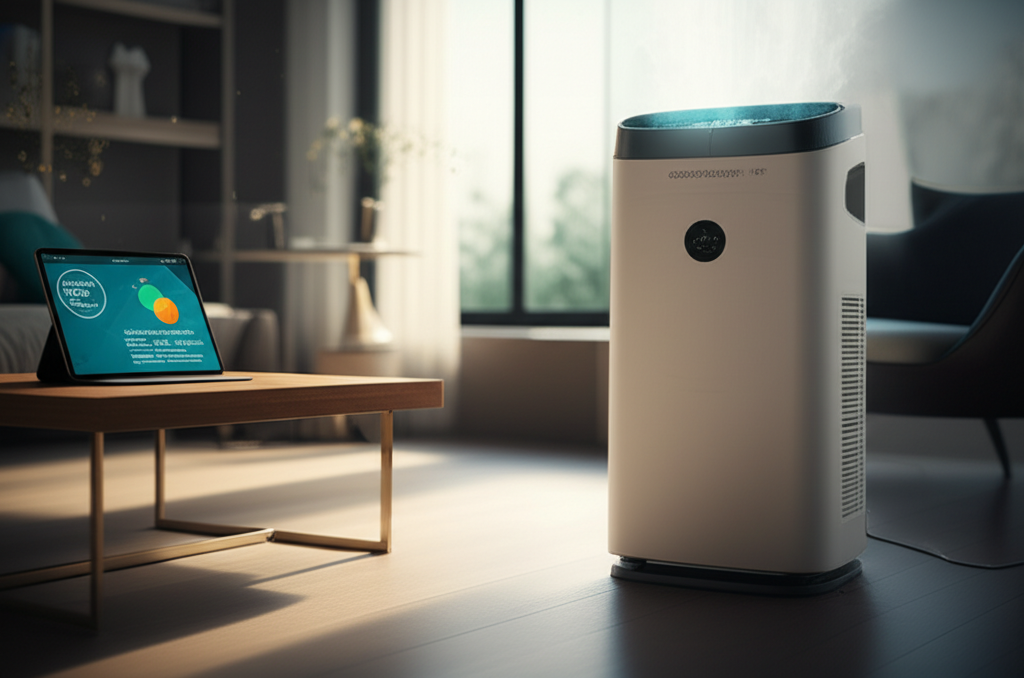
Many common household items release VOCs, often without us realizing it. Recognizing these sources is crucial for minimizing exposure and choosing the right air purification technology.
- Building Materials: New or renovated homes can off-gas VOCs from paints, varnishes, adhesives, and insulation.
- Household Products: Cleaning agents, air fresheners, disinfectants, and even scented candles are significant contributors.
- Furnishings: Furniture, carpets, upholstery, and mattresses can release formaldehyde and other VOCs, especially when new.
- Personal Care Products: Hairspray, perfumes, and cosmetics can also contribute to indoor VOC levels.
Being aware of these common culprits helps you make informed purchasing decisions and ventilation choices to reduce your home’s VOC load.
Health Impacts of VOC Exposure
The effects of VOCs on health can vary greatly depending on the type of chemical, the concentration, and individual sensitivity. Short-term exposure might lead to immediate discomfort, while prolonged exposure can have more serious consequences.
- Short-term symptoms: Eye, nose, and throat irritation, headaches, nausea, dizziness, and worsening of asthma symptoms.
- Long-term effects: Some VOCs are known carcinogens, and chronic exposure can lead to liver, kidney, and central nervous system damage.
Prioritizing air quality is a direct investment in your family’s long-term health and comfort.
How Air Purifiers Tackle VOCs: The Science Behind It
Air purifiers designed to combat VOCs typically employ activated carbon filters, which are highly effective at adsorbing these gaseous pollutants. Unlike HEPA filters that capture particles, activated carbon has a porous structure that traps gas molecules, neutralizing odors and harmful chemicals.
When air passes through the activated carbon filter, VOC molecules are attracted to and held within the carbon’s surface. This process effectively removes them from the air you breathe, making your indoor environment significantly healthier.
The Role of Activated Carbon Filters
Activated carbon is the workhorse for VOC removal in air purifiers. Its incredible surface area, achieved through a process called activation, allows it to capture a wide range of chemical pollutants.
- High Adsorption Capacity: A single gram of activated carbon can have a surface area equivalent to a football field, providing ample space for VOCs to bind.
- Effectiveness Against Gases: It excels at removing odors, smoke, cooking fumes, and the harmful gases associated with VOCs.
- Lifespan and Replacement: Activated carbon filters become saturated over time and require regular replacement to maintain their effectiveness.
Choosing an air purifier with a substantial activated carbon filter is essential for targeting VOCs effectively.
HEPA vs. Activated Carbon: Understanding the Difference
It’s important to distinguish between HEPA filters and activated carbon filters, as they serve different purposes in air purification. Most high-quality air purifiers combine both technologies for comprehensive air cleaning.
While HEPA filters are excellent at capturing airborne particles like dust, pollen, and pet dander, they are largely ineffective against gases and odors. Activated carbon filters, on the other hand, specialize in adsorbing these volatile compounds. Therefore, for VOC removal, an air purifier with a robust activated carbon component is non-negotiable.
Key Features to Look for in a VOC Air Purifier
When seeking the best VOC air purifier, consumer reports often highlight specific features that contribute to performance and user satisfaction. Prioritizing these elements will help you find a unit that truly addresses your needs for cleaner indoor air.
Beyond just having an activated carbon filter, consider the unit’s coverage area, noise levels, energy efficiency, and ease of maintenance. These factors play a significant role in how well the purifier integrates into your daily life and its overall long-term value.
Filter Quality and Capacity
The effectiveness of an air purifier hinges on its filtration system, especially for VOCs. A larger, denser activated carbon filter generally means better performance and longer filter life.
- Amount of Activated Carbon: Look for purifiers that specify the weight or thickness of their carbon filter. More carbon means better VOC absorption.
- Multi-Stage Filtration: A pre-filter to catch larger particles, a HEPA filter for fine particulates, and a substantial activated carbon filter offer complete air cleaning.
- Filter Lifespan: Check the recommended replacement intervals for each filter type, as this impacts ongoing costs.
Investing in a unit with a high-capacity activated carbon filter ensures more efficient and sustained removal of harmful VOCs.
Coverage Area and CADR Ratings
An air purifier’s effectiveness is directly tied to its ability to clean the air in a specific room size. Understanding coverage area and Clean Air Delivery Rate (CADR) ratings is crucial for making an informed purchase.
Ensure the purifier’s stated coverage area matches or exceeds the square footage of the room you intend to use it in. Higher CADR ratings for smoke, dust, and pollen indicate a more powerful unit capable of cleaning air faster.
Noise Level and Energy Efficiency
For units intended for bedrooms or living areas, noise level is a significant consideration. Energy efficiency also impacts your running costs and environmental footprint.
- Decibel (dB) Ratings: Look for models with low dB ratings, especially on their lower fan speeds, for quiet operation.
- ENERGY STAR Certification: This indicates the unit meets strict energy efficiency guidelines set by the EPA, saving you money on electricity bills.
- Smart Modes: Auto modes that adjust fan speed based on air quality can optimize both performance and energy consumption.
Balancing powerful VOC removal with quiet operation and energy savings ensures a comfortable and cost-effective solution.
Top-Rated VOC Air Purifiers Based on Consumer Reports
Compiling a list of the best VOC air purifier consumer reports requires sifting through user experiences and expert analyses. While specific models and rankings can change, certain brands and types consistently receive high marks for their performance in tackling VOCs.
We’ve identified models frequently praised for their robust activated carbon filters, effective air cleaning, and overall user satisfaction. These selections are based on recurring positive feedback and independent testing results, aiming to guide you toward a reliable choice.
Model Spotlight: Coway Airmega Series
The Coway Airmega series consistently earns accolades for its powerful performance and advanced filtration systems. Many users report a noticeable difference in air freshness and a reduction in odors, pointing to its effectiveness against VOCs.
These units often feature a multi-stage filtration process, including a substantial activated carbon filter, along with a True HEPA filter. Their smart features and user-friendly design make them a popular choice for those serious about indoor air quality.
Model Spotlight: Blueair Classic Series
Blueair purifiers are known for their quiet operation and sleek design, but they also deliver strong performance in removing VOCs. Their proprietary filtration technology, often combining electrostatic and mechanical filtration with activated carbon, tackles a broad spectrum of pollutants.
Consumers often praise the Blueair Classic series for its ability to eliminate strong odors and chemical smells quickly. The units are also recognized for their energy efficiency and durable construction, making them a long-term investment in a healthier home.
Model Spotlight: Austin Air HealthMate Series
For those prioritizing robust VOC and odor removal, Austin Air purifiers are frequently recommended. These units are engineered with exceptionally large activated carbon filters, designed for maximum adsorption capacity and longevity.
While often larger and less aesthetically focused than some competitors, their performance in air purification, particularly for chemical sensitivities and strong odors, is highly regarded. Consumer reports often cite their effectiveness in homes with significant VOC sources.
Understanding Consumer Reports and Ratings
Consumer Reports and similar organizations provide invaluable, unbiased testing and reviews to help consumers make informed purchasing decisions. Their evaluations are based on rigorous laboratory tests and real-world usage scenarios.
When looking at “best VOC air purifier consumer reports,” pay attention to the specific metrics they use, such as VOC reduction percentages, filter longevity, noise levels, and ease of use. These objective data points are crucial for comparing different models effectively.
How to Interpret VOC Performance Data
Consumer reports often detail how well an air purifier performs in reducing specific VOCs. Look for data on how quickly and effectively a unit can clear common indoor air pollutants like formaldehyde, benzene, and toluene.
- Reduction Percentages: High percentages (e.g., 90%+) indicate strong performance.
- Time to Clean: Shorter times to reach a target reduction level are better.
- Filter Saturation: Information on how long the carbon filter remains effective is key for ongoing costs and performance.
Understanding these metrics helps you gauge the real-world effectiveness of a purifier beyond marketing claims.
What Users Say: Real-World Experiences
Beyond lab tests, user reviews offer practical insights into an air purifier’s daily performance and potential quirks. Real-world experiences can highlight aspects like ease of setup, filter replacement, and long-term reliability.
Look for patterns in user feedback regarding odor removal, allergy relief, and overall satisfaction. While individual experiences vary, consistent themes across numerous reviews can be a strong indicator of a product’s true value.
Installation and Maintenance for Optimal Performance
Getting the most out of your chosen VOC air purifier involves proper setup and consistent maintenance. Following these guidelines ensures your unit operates efficiently and effectively for years to come.
Incorrect installation or neglected maintenance can significantly diminish an air purifier’s ability to remove VOCs. Regular attention to these details is key to maintaining clean, healthy air in your home.
Setting Up Your Air Purifier Correctly
Proper placement is crucial for maximizing air circulation and filtration efficiency. Avoid placing the unit directly against walls or furniture that could obstruct airflow.
- Room Size: Ensure the purifier is rated for the room’s square footage.
- Placement: Position it in a central location, away from obstructions, to allow for optimal air intake and output.
- Initial Run: Allow the unit to run on its highest setting for a few hours upon initial setup to clear any residual manufacturing odors.
Correct initial setup lays the foundation for consistent, effective air purification.
Filter Replacement Schedule and Tips
Activated carbon filters have a finite lifespan and must be replaced to continue effectively adsorbing VOCs. Adhering to the manufacturer’s recommended schedule is vital.
When replacing filters, ensure you purchase genuine manufacturer parts to maintain the purifier’s performance and warranty. Consider setting calendar reminders or subscribing to filter replacement services for convenience.
Are Air Purifiers the Only Solution for VOCs?
While air purifiers are excellent tools for reducing existing VOCs, they are part of a broader strategy for improving indoor air quality. Source control and proper ventilation play equally important roles.
Combining an effective VOC air purifier with source reduction and enhanced ventilation creates a powerful defense against indoor air pollutants, leading to a healthier living environment for everyone.
Source Reduction: Minimizing VOC Emissions
The most effective way to combat VOCs is to reduce their presence in your home from the outset. Making conscious choices about the products you bring into your home can significantly lower indoor air pollution.
- Choose Low-VOC Products: Opt for paints, cleaning supplies, and furnishings labeled “low-VOC” or “zero-VOC.”
- Ventilate When Using Products: Always use strong-smelling or chemical-heavy products in well-ventilated areas, ideally with windows open.
- Air Out New Items: Allow new furniture, carpets, or mattresses to off-gas in a garage or well-ventilated space before bringing them indoors.
Proactively minimizing VOC sources is a foundational step in creating a healthier home atmosphere.
The Importance of Ventilation
Regular ventilation is critical for diluting and removing indoor air pollutants, including VOCs. Opening windows and doors allows fresh outdoor air to circulate, pushing out stale, contaminated air.
Even in colder months, short periods of opening windows (e.g., 10-15 minutes daily) can make a significant difference in indoor air quality. Consider using exhaust fans in kitchens and bathrooms to remove pollutants at their source.
Frequently Asked Questions About VOC Air Purifiers
What is the best VOC air purifier consumer reports recommend for a new furniture smell?
Consumer reports often highlight units with substantial activated carbon filters for new furniture odors. Models from Coway, Blueair, and Austin Air are frequently praised for their ability to quickly absorb chemical smells associated with off-gassing.
How long does it take for a VOC air purifier to work?
The time it takes for a VOC air purifier to work varies depending on the unit’s power, the room size, and the concentration of VOCs. Many users notice a reduction in odors and improved air freshness within a few hours to a couple of days of continuous operation.
Do I need a special air purifier for VOCs, or will a regular HEPA purifier work?
A standard HEPA air purifier is designed to capture particulate matter like dust and pollen, but it is not effective against VOCs. For VOC removal, you need an air purifier that specifically includes a robust activated carbon filter, often in combination with a HEPA filter.
How often do I need to replace the activated carbon filter in a VOC air purifier?
The replacement frequency for activated carbon filters typically ranges from 6 to 12 months, depending on the purifier model and the level of VOCs in your environment. Always refer to the manufacturer’s guidelines for specific recommendations.
Can air purifiers completely eliminate VOCs from my home?
While air purifiers can significantly reduce VOC levels, they may not completely eliminate them, especially in environments with continuous new sources. They are most effective when used in conjunction with source reduction and proper ventilation.
What are the best brands for VOC air purifiers according to consumer reviews?
Based on numerous consumer reports and reviews, brands like Coway, Blueair, Austin Air, Levoit, and Winix are consistently recognized for their effective VOC air purifiers, particularly those featuring substantial activated carbon filtration.
Conclusion: Investing in Cleaner Air with the Best VOC Air Purifier
Finding the best VOC air purifier consumer reports can significantly enhance your home’s air quality and your overall well-being. By understanding what VOCs are, how air purifiers tackle them, and what features to prioritize, you can make a confident choice.
Remember that an air purifier with a high-quality, substantial activated carbon filter is key for effective VOC removal. Combining this technology with mindful source reduction and regular ventilation creates a comprehensive approach to a healthier indoor environment. Invest in your health today by choosing a top-rated VOC air purifier.
