
Can Air Purifier Kill You? The Dangerous Truth

While the idea of an air purifier harming you is alarming, the truth is that when used correctly, air purifiers are safe and beneficial. However, improper use or choosing the wrong type can lead to potential health concerns, including the release of harmful byproducts. This article will guide you through the real risks and how to avoid them, ensuring your air purifier enhances your health, not threatens it.
Can Air Purifier Kill You? The Dangerous Truth About Air Purifiers and Your Health
It’s a question that might send a shiver down your spine: “Can an air purifier kill you?” The thought of a device designed to improve your air quality actually posing a threat is unsettling. While the short answer is no, under normal and intended use, an air purifier is not designed to kill anyone, the long answer is a bit more nuanced. Certain types of air purifiers, when misused or poorly maintained, can indeed create hazardous conditions or emit harmful substances that negatively impact your health. This guide will demystify the potential dangers and empower you to use your air purifier safely and effectively.
Understanding the Core Function of Air Purifiers
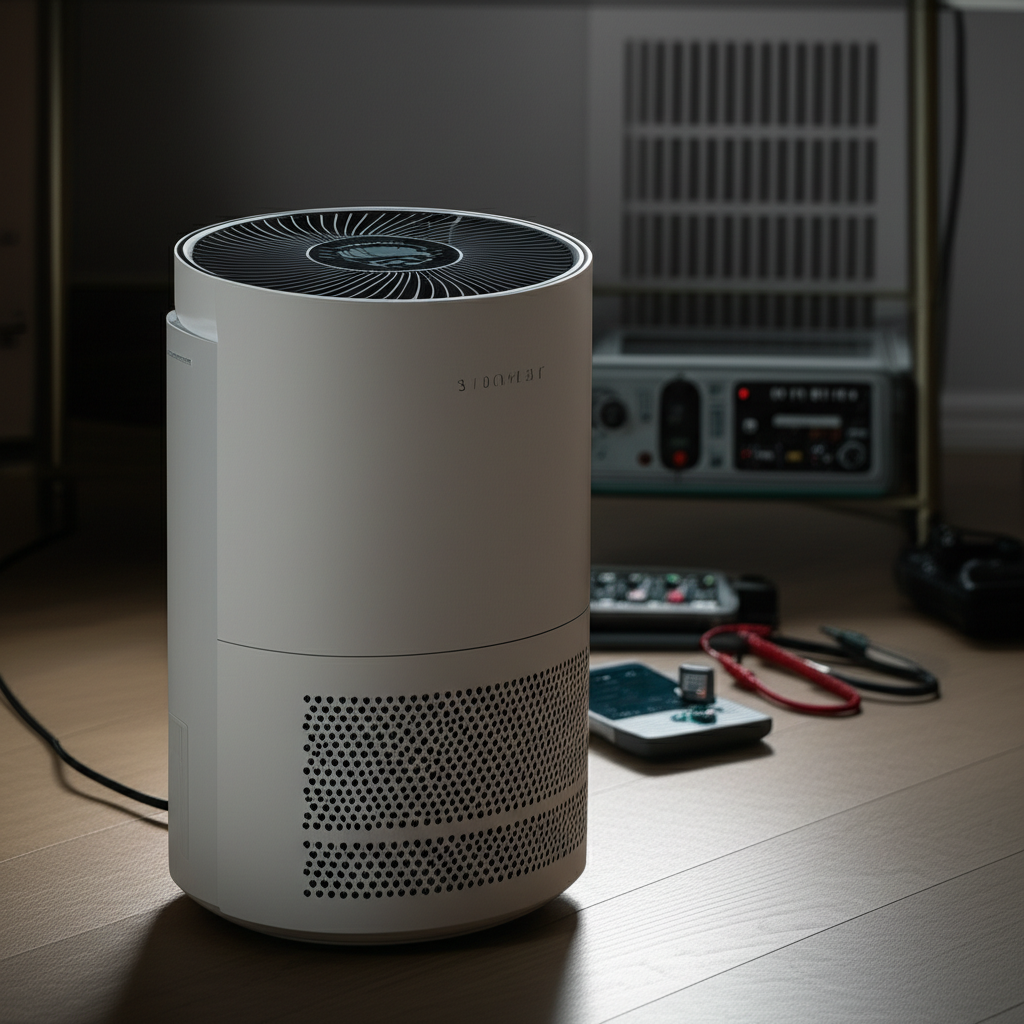
Air purifiers are designed to remove pollutants from the air inside your home. They typically use a fan to draw air through a filter, trapping particles like dust, pollen, pet dander, mold spores, and even some volatile organic compounds (VOCs). By removing these allergens and irritants, they can significantly improve indoor air quality, offering relief for allergy sufferers and those with respiratory conditions.
The Primary Concern: Ozone Production
One of the most significant potential dangers associated with some air purifiers is their ability to produce ozone. Ozone is a gas that can be harmful to the lungs, even at low concentrations. While ozone is a natural component of the atmosphere, high levels of it indoors can cause chest pain, coughing, shortness of breath, and throat irritation.
What is Ozone and Why is it Harmful?
Ozone (O3) is a molecule made up of three oxygen atoms. In the upper atmosphere, it forms a protective layer that shields us from harmful ultraviolet (UV) radiation. However, at ground level, ozone is a pollutant. The U.S. Environmental Protection Agency (EPA) has identified ozone as a harmful air pollutant that can damage lung tissue and worsen respiratory diseases like asthma and bronchitis.
Which Air Purifier Types Produce Ozone?
Ionizers and electrostatic precipitators are the types of air purifiers most commonly associated with ozone production. These devices work by creating charged ions that attach to airborne particles, causing them to clump together and fall out of the air or stick to collection plates. This process can also generate ozone as a byproduct.
The Dangers of Ozone for Specific Groups
Children, the elderly, and individuals with pre-existing respiratory conditions are particularly vulnerable to the harmful effects of ozone. Even healthy individuals can experience adverse effects from prolonged exposure to high ozone levels, which can include reduced lung function and increased susceptibility to respiratory infections.
The Risk of Toxic Byproducts from Air Purifiers
Beyond ozone, some air purifiers can inadvertently create other harmful byproducts. This often stems from the materials used in their construction or the way they operate, especially when malfunctioning or poorly maintained.
Formaldehyde and Other VOCs
Certain types of air purifiers, particularly those that use UV-C light to sanitize the air, can sometimes produce small amounts of formaldehyde and other VOCs. These chemicals are known irritants and can contribute to indoor air pollution, ironically defeating the purpose of the air purifier. It’s crucial to choose purifiers that have been tested and certified to produce minimal or no harmful byproducts.
Carbon Monoxide from Faulty Units
While rare, malfunctioning air purifiers that rely on heating elements or electrical components could potentially pose a risk of carbon monoxide (CO) emission. CO is an odorless, colorless gas that is highly toxic. Ensuring your air purifier is from a reputable brand and is regularly inspected for any signs of damage or malfunction is vital.
When Can Air Purifiers Be Truly Dangerous?
The question “can air purifier kill you?” becomes more relevant when considering specific scenarios of misuse or inherent design flaws. It’s not the act of purifying air itself, but the accompanying processes or product failures that pose risks.
Over-reliance and Neglecting Ventilation
Some people may become so reliant on their air purifiers that they neglect the importance of proper ventilation. While purifiers clean the air, they don’t bring in fresh oxygen or remove excess carbon dioxide. Stale indoor air can lead to symptoms like headaches, fatigue, and reduced cognitive function. Good indoor air quality involves both purification and adequate fresh air exchange.
Using the Wrong Purifier for the Space
An air purifier that is too small for the room it’s in will struggle to effectively clean the air, leading to disappointment and potentially increased fan noise. Conversely, an oversized unit might be unnecessarily loud and consume more energy. More importantly, a unit not designed for specific pollutants (e.g., a HEPA filter without activated carbon for VOCs) won’t address all your air quality concerns.
The Importance of HEPA Filters
High-Efficiency Particulate Air (HEPA) filters are widely considered the gold standard for air purification. A true HEPA filter can capture at least 99.97% of airborne particles 0.3 microns in size. These filters are crucial for removing allergens, dust, and other fine particles without producing harmful byproducts. Always look for the “True HEPA” certification.
Choosing the Right Air Purifier: Safety First
Selecting an air purifier involves more than just looking at CADR ratings. Prioritizing safety features and understanding the technology used is paramount.
Understanding Different Air Purification Technologies
HEPA Filters: Mechanical filters that trap particles. Generally considered the safest and most effective for particle removal.
Activated Carbon Filters: Absorb gases, odors, and VOCs. Often used in conjunction with HEPA filters.
Ionizers: Release negative ions to charge particles. Can produce ozone as a byproduct.
UV-C Light: Uses ultraviolet light to kill bacteria and viruses. Can produce ozone and other byproducts if not properly designed.
Electrostatic Precipitators: Use an electric charge to capture particles. Can produce ozone.
Certifications to Look For
When purchasing an air purifier, look for certifications from reputable organizations. The California Air Resources Board (CARB) has strict standards for ozone emissions, so CARB-certified purifiers are a good choice for minimizing this risk. Energy Star certification indicates energy efficiency, and UL or ETL certification assures the product has met safety standards.
Avoiding Ozone-Generating Features
If you are particularly sensitive to ozone or have respiratory issues, it’s best to avoid air purifiers that prominently feature ionizers or UV-C sanitization without clear evidence of ozone-free operation. Many modern purifiers offer these features as optional settings that can be turned off.
Maintenance is Key: Preventing Potential Dangers
Even the best air purifier can become a source of problems if not properly maintained. Regular cleaning and filter replacement are essential for both performance and safety.
When and How to Replace Filters
Air purifier filters have a limited lifespan and will become clogged with pollutants over time. A clogged filter can reduce the unit’s efficiency and even become a breeding ground for mold or bacteria, which can then be released back into the air. Always follow the manufacturer’s recommendations for filter replacement, which typically ranges from 6 months to 2 years depending on the filter type and usage.
Cleaning Your Air Purifier Regularly
Beyond filter replacement, the exterior and interior components of your air purifier should be cleaned periodically. Dust buildup on the fan or internal parts can reduce airflow and efficiency. Refer to your owner’s manual for specific cleaning instructions, which usually involve using a soft, dry cloth or a vacuum cleaner with a brush attachment.
Real-World Dangers: What the Experts Say
Health organizations and regulatory bodies have voiced concerns about ozone-producing air purifiers. The American Lung Association, for instance, advises consumers to be cautious of devices that intentionally produce ozone. They emphasize that ozone can irritate and damage the lungs, even at levels below those that cause noticeable symptoms.
EPA’s Stance on Ozone Generators
The EPA has stated that “ozone is a lung irritant, even at low levels.” They recommend avoiding air purifiers that intentionally generate ozone. While some manufacturers claim their ozone-generating units can effectively clean the air at low ozone concentrations, the scientific evidence supporting these claims is often weak, and the risks to lung health remain a significant concern.
Research on Air Purifier Safety
Numerous studies have investigated the safety and efficacy of different air purification technologies. Research has consistently shown that ozone-generating devices can release harmful levels of ozone into indoor environments. Conversely, HEPA-filtered air purifiers are generally recognized as safe and effective for removing particulate matter.
Can Air Purifier Kill You? The Verdict
So, to directly answer the question: Can an air purifier kill you? In a literal sense, no, an air purifier is not designed to be lethal. However, the dangerous truth is that certain types of air purifiers, particularly those that produce ozone, can cause significant harm to your respiratory system and overall health, especially with prolonged exposure or for sensitive individuals.
Minimizing Risks and Maximizing Benefits
The key to enjoying the benefits of air purification without incurring risks lies in informed choices and proper usage. By selecting a HEPA-filtered air purifier from a reputable brand, ensuring it’s appropriately sized for your space, and committing to regular maintenance, you can create a healthier indoor environment. Always prioritize safety certifications like CARB compliance and avoid ozone-generating features if possible.
Frequently Asked Questions (FAQ)
Do air purifiers emit harmful chemicals?
Some air purifiers, especially those that use UV-C light or ionizers, can emit small amounts of harmful byproducts like ozone and formaldehyde. HEPA-filtered purifiers are generally safe and do not emit harmful chemicals.
Is ozone from air purifiers dangerous?
Yes, ozone is a lung irritant and can cause respiratory problems, even at low concentrations. It’s best to avoid air purifiers that intentionally produce ozone.
Should I buy an air purifier with an ionizer?
It’s generally recommended to avoid ionizers if you are concerned about ozone production. If you do choose one, ensure it has a low-ozone emission certification or an option to turn the ionizer off.
How often should I replace air purifier filters?
Filter replacement frequency varies by model and filter type. Typically, HEPA filters should be replaced every 6-12 months, while activated carbon filters may need replacement more often. Always check your manufacturer’s recommendations.
Can air purifiers make allergies worse?
When functioning correctly, air purifiers are designed to improve* allergy symptoms by removing allergens like pollen, dust, and pet dander. However, a poorly maintained unit or one that emits ozone could potentially worsen respiratory irritation.
What is the safest type of air purifier?
Air purifiers that primarily use True HEPA filters to capture particles and activated carbon filters to absorb gases and odors are generally considered the safest and most effective for improving indoor air quality.
Can a dirty air purifier harm me?
Yes, a dirty air purifier with clogged filters can reduce airflow, become less effective, and potentially recirculate trapped dust, mold, or bacteria back into the air, which can be harmful.
Conclusion: Breathe Easy with Informed Choices
The question “Can air purifier kill you?” is a valid concern for many seeking cleaner air. While the answer is a resounding no if you choose wisely and use your device correctly, there are indeed risks associated with certain technologies. By understanding the potential dangers of ozone and other byproducts, and by prioritizing HEPA filtration and proper maintenance, you can ensure your air purifier is a tool for health, not a hazard. Invest in quality, stay informed about certifications, and always follow manufacturer guidelines to breathe confidently in your home.


