Can Air Purifier Give Sore Throat? Avoid This Danger

While air purifiers are designed to improve air quality, a malfunctioning or improperly maintained unit can ironically lead to a sore throat. Understanding the potential causes and how to prevent them is crucial for enjoying the benefits of cleaner air without discomfort.
Air purifiers are fantastic tools for creating a healthier home environment, especially for those with allergies or respiratory sensitivities. However, a common question that arises is: can air purifier give sore throat? It might seem counterintuitive, but under certain circumstances, your air purifier could be the very thing causing throat irritation. This isn’t a reason to abandon air purification altogether, but rather a call to understand how to use and maintain these devices correctly to avoid this frustrating side effect. Let’s explore the potential culprits and how you can ensure your air purifier works for you, not against you.
Understanding How Air Purifiers Work
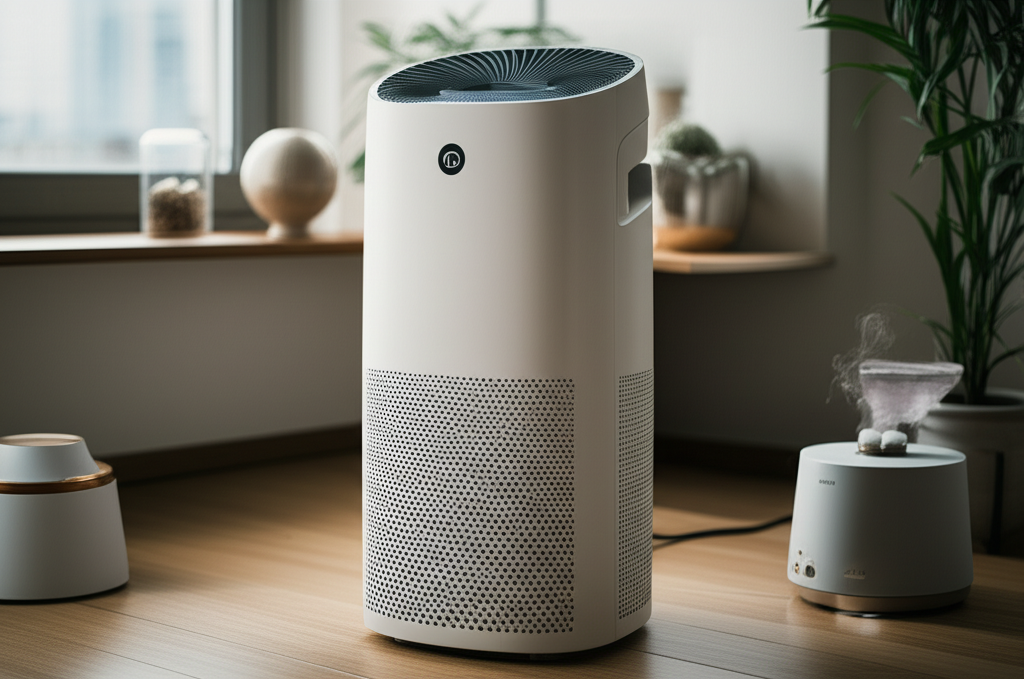
Air purifiers function by drawing in ambient air, passing it through a series of filters, and then recirculating the cleaner air back into the room. Different types of purifiers use various technologies, including HEPA filters, activated carbon, UV-C light, and ionization. HEPA filters are designed to capture at least 99.97% of airborne particles as small as 0.3 microns, such as dust, pollen, and pet dander. Activated carbon filters excel at absorbing odors and volatile organic compounds (VOCs). UV-C light can help neutralize airborne pathogens, while ionizers release negative ions that attach to particles, making them fall to the ground or stick to surfaces.
The Link Between Air Purifiers and Sore Throats
While the goal of an air purifier is to remove irritants, improper use or maintenance can introduce new ones, leading to symptoms like a sore throat. This can happen if the purifier itself becomes a source of airborne contaminants or if it alters the air in a way that dries out your throat. It’s important to recognize that the issue isn’t with the concept of air purification, but rather with specific operational or maintenance aspects that can inadvertently cause discomfort.
Common Culprits: Dirty Filters
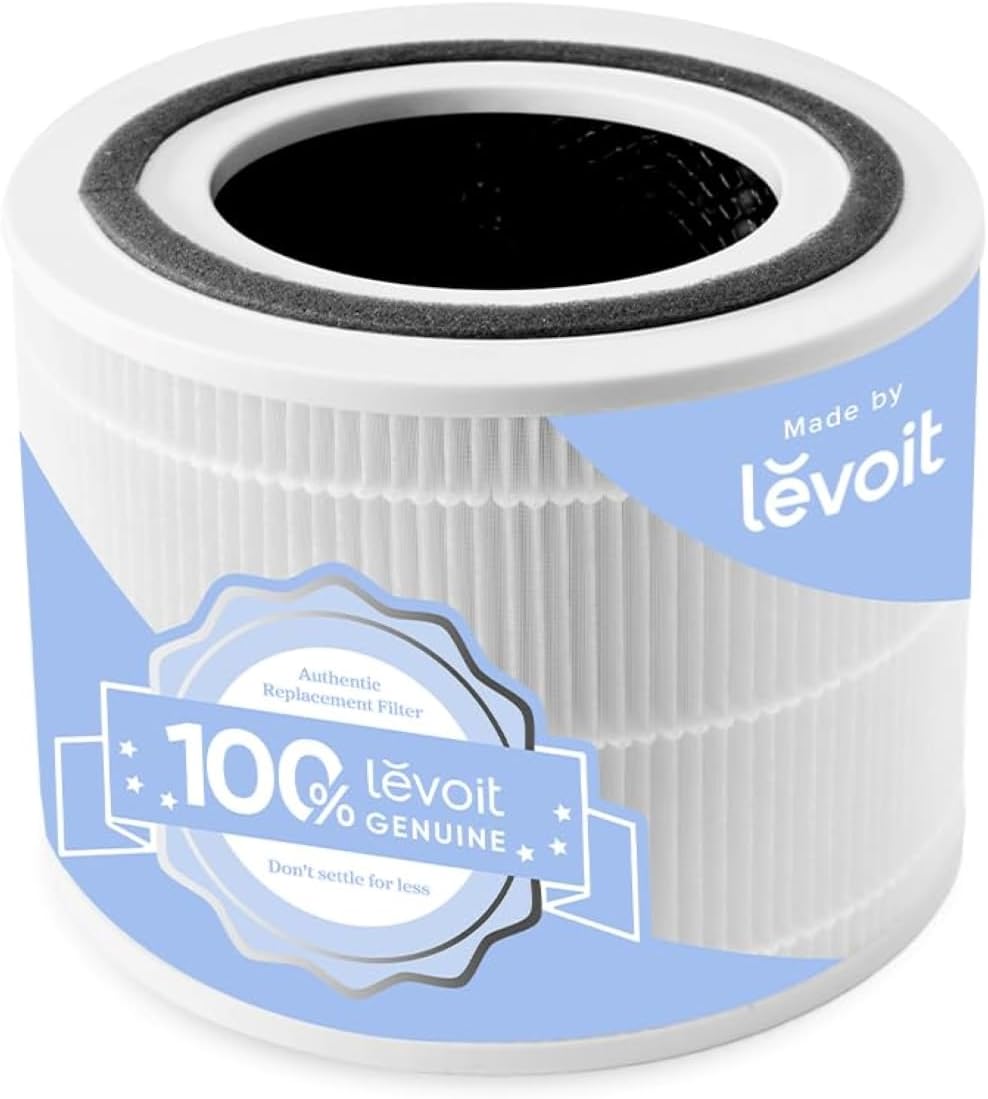
Dirty filters are perhaps the most common reason an air purifier might cause a sore throat. Over time, filters become saturated with the pollutants they’ve captured. If these filters are not cleaned or replaced according to the manufacturer’s recommendations, they can become breeding grounds for bacteria and mold. When the purifier’s fan blows air through these contaminated filters, it can recirculate these microorganisms back into the air, irritating your throat and airways.
Why Dirty Filters Matter
When filters are overloaded, their efficiency drops significantly. Instead of trapping particles, they can start to release them back into the air, along with any mold or bacteria that have accumulated. This creates a cycle where the purifier, intended to clean, is now actively polluting your indoor air, directly impacting respiratory comfort.
The Role of Humidity Levels
Air purifiers, especially those with strong fans or in very dry climates, can sometimes contribute to a decrease in indoor humidity. Low humidity can dry out the mucous membranes in your nose and throat, making them feel scratchy and sore. This is particularly noticeable if you spend a lot of time in a room where a purifier is running continuously.
Managing Indoor Humidity
Maintaining optimal indoor humidity levels, typically between 40% and 60%, is crucial for respiratory comfort. If you suspect your air purifier is contributing to dryness, consider using a humidifier in conjunction with it. This ensures that the air is not only cleaner but also adequately moist, preventing throat irritation.
Over-Ionization and Ozone Production
Some air purifiers, particularly older models or those with specific ionization technologies, can produce ozone as a byproduct. Ozone is a gas that, while sometimes used for air purification in industrial settings, can be a significant respiratory irritant at higher concentrations. Inhaling ozone can cause coughing, shortness of breath, and a sore throat.
Choosing Ozone-Free Purifiers
Many modern air purifiers are designed to be ozone-free, or they produce negligible amounts of ozone that meet safety standards. When purchasing an air purifier, look for certifications like CARB (California Air Resources Board) compliance, which ensures the unit meets strict ozone emission limits. If your current purifier is an older ionizing model, consider upgrading to a certified ozone-free option.
Air Purifier Placement and Airflow
Incorrect placement of your air purifier can also indirectly affect your comfort. If the unit is placed too close to where you sleep or spend most of your time, the constant stream of air, even if clean, might cause dryness or irritation. It’s also important to ensure the purifier has adequate space around it for proper airflow and filtration.
Optimal Placement Strategies
Position your air purifier in a location where it can effectively circulate air throughout the room without directly blowing air onto occupants. Placing it in a corner or near the center of the room, away from direct airflow paths, is often recommended. Ensure there’s at least a foot of clearance around the unit for unobstructed intake and output.
Potential for VOC Release from Filters
While activated carbon filters are excellent at absorbing VOCs, they can eventually become saturated. In some cases, particularly with cheaper or older carbon filters, there’s a possibility of VOCs being released back into the air as the filter degrades or becomes overloaded. This can contribute to indoor air pollution and potential throat irritation.
The Importance of Filter Quality
The quality of the activated carbon filter plays a significant role in its effectiveness and longevity. High-quality carbon filters are more porous and have a greater capacity to absorb and trap VOCs. When replacing filters, opt for genuine manufacturer replacements or reputable third-party brands known for their quality.
Bacterial or Mold Growth on Components
Beyond the filters, other components of the air purifier, such as the pre-filter or internal surfaces, can accumulate dust and moisture. If not cleaned regularly, these areas can become breeding grounds for bacteria and mold. This can lead to the release of spores or bacteria into the purified air, causing throat discomfort.
Regular Cleaning Schedule
Establish a routine for cleaning all accessible parts of your air purifier. This typically includes washing or vacuuming the pre-filter weekly or bi-weekly, and wiping down the exterior and any internal components you can safely access. This preventative measure is vital for maintaining a healthy output.
Signs Your Air Purifier Needs Attention
Recognizing the signs that your air purifier might be causing issues is key to preventing a sore throat. These signs can include an unusual odor emanating from the unit, a noticeable decrease in air quality despite the purifier running, or the onset of respiratory symptoms like coughing or a sore throat shortly after the purifier is turned on. Pay attention to how you feel in the room where the purifier is located.
Troubleshooting Common Issues
If you experience a sore throat, the first step is to check your air purifier’s filters. Ensure they are clean or have been replaced recently. Verify that the unit is not producing any strange smells and that you are using it in an appropriate location. Checking the humidity levels in your home can also help pinpoint the cause.
How to Choose the Right Air Purifier
Selecting an air purifier that is less likely to cause a sore throat involves looking for specific features and certifications. Prioritize units with true HEPA filters, which are highly effective at capturing small particles. Opt for models that are certified ozone-free, especially if you are sensitive to air quality.
Key Features to Look For:
True HEPA Filter: Captures 99.97% of particles down to 0.3 microns.
Activated Carbon Filter: For odor and VOC removal. Look for substantial amounts of carbon.
Ozone-Free Certification: Such as CARB compliance, ensures minimal to no ozone production.
Multiple Fan Speeds: Allows you to adjust airflow and noise levels.
Filter Replacement Indicator: Helps you stay on track with maintenance.
Low Energy Consumption: For cost-effectiveness and environmental friendliness.
For example, brands like Coway and Blueair are often praised for their effective filtration systems and commitment to producing healthier air without harmful byproducts. Researching specific models and their user reviews can provide valuable insights into their performance and potential side effects.
Maintaining Your Air Purifier for Optimal Health
Proper maintenance is non-negotiable if you want to avoid a sore throat from your air purifier. This includes regularly cleaning or replacing filters, wiping down the unit, and ensuring it’s placed correctly. Adhering to the manufacturer’s guidelines for maintenance will maximize the purifier’s effectiveness and minimize potential health risks.
A Simple Maintenance Checklist:
1. Pre-filter: Clean or vacuum weekly/bi-weekly.
2. HEPA Filter: Replace every 6-12 months, or as per indicator.
3. Activated Carbon Filter: Replace every 6-12 months, or as per indicator.
4. Exterior/Internal Surfaces: Wipe down monthly.
5. Sensor Check: Clean air quality sensors periodically.
Following this routine ensures your air purifier continues to deliver clean air without becoming a source of irritation. Regular upkeep is the most direct way to answer the question of can air purifier give sore throat with a resounding “no.”
Can Air Purifier Give Sore Throat? The Verdict
So, can air purifier give sore throat? Yes, it’s possible, but it’s almost always preventable. The key lies in understanding that air purifiers require diligent maintenance and correct usage. Dirty filters, low humidity, ozone production, or improper placement are the usual culprits behind a sore throat experienced when using an air purifier. By choosing the right unit, understanding its components, and sticking to a regular maintenance schedule, you can harness the power of air purification to create a healthier, more comfortable living space, free from irritation.
Frequently Asked Questions About Air Purifiers and Sore Throats
What are the most common symptoms of an air purifier causing a sore throat?
Common symptoms include a scratchy or irritated throat, dry mouth, coughing, and nasal irritation. These usually appear shortly after using the purifier or spending time in the room where it’s active.
How often should I replace my air purifier’s HEPA filter?
HEPA filters typically need replacement every 6 to 12 months, depending on usage and the air quality in your home. Many units have a filter replacement indicator to help you know when it’s time.
Is it normal for an air purifier to make a lot of noise?
While air purifiers do make some noise from the fan, excessive or unusual noise could indicate a problem. It might be worth checking if the fan is obstructed or if a component is loose.
Can an air purifier help with a sore throat caused by allergies?
Yes, an air purifier can significantly help by removing allergens like pollen, dust mites, and pet dander from the air, which are common triggers for sore throats and other allergy symptoms.
What should I do if my air purifier smells bad?
A bad smell usually indicates a dirty filter or potential mold/bacteria growth. Immediately check and clean or replace your filters, and wipe down accessible internal components.
Are ionizer air purifiers safe?
Ionizer air purifiers can be safe if they produce very low levels of ozone and meet safety standards like CARB certification. However, if you are sensitive or concerned, ozone-free purifiers are a safer bet.
How can I improve indoor air quality without an air purifier?
You can improve indoor air quality by regularly ventilating your home, cleaning frequently to reduce dust, using natural cleaning products, and controlling humidity levels.
Final Words on Air Purification and Comfort
Ensuring your air purifier contributes positively to your health means being an informed and active user. The potential for an air purifier to cause a sore throat is a real concern, but one that is largely addressable through proactive care and informed choices. By understanding the mechanisms at play and diligently following maintenance protocols, you can confidently use your air purifier to breathe easier and enjoy a cleaner, healthier home environment. Remember, a well-maintained air purifier is a partner in your wellness, not a source of discomfort.