
Can Air Purifier Go Bad? Essential Warning Revealed

Yes, air purifiers can go bad, primarily due to filter degradation and component wear. Ignoring this can lead to reduced effectiveness, increased energy consumption, and potential health risks from recirculating pollutants. This guide reveals the essential warnings and signs to watch for to ensure your air purifier continues to protect your home’s air quality.
Can Air Purifier Go Bad? Essential Warning Revealed
Air purifiers are trusted allies in the battle for cleaner indoor air, but like any appliance, they aren’t immortal. The crucial question many homeowners ponder is: can air purifier go bad? The answer is a definitive yes, and understanding when and why this happens is paramount to maintaining a healthy living environment. Ignoring the signs of a declining air purifier can negate its benefits, turning a health-conscious purchase into a silent source of frustration. Let’s uncover the essential warnings and how to keep your unit performing at its peak.
Why Air Purifiers Degrade Over Time
Air purifiers work tirelessly to remove pollutants, but this constant effort takes a toll on their components. The most significant factor is the filter, which traps microscopic particles like dust, pollen, and smoke. As these filters become saturated, their ability to capture new contaminants diminishes.
The Lifespan of an Air Purifier Filter
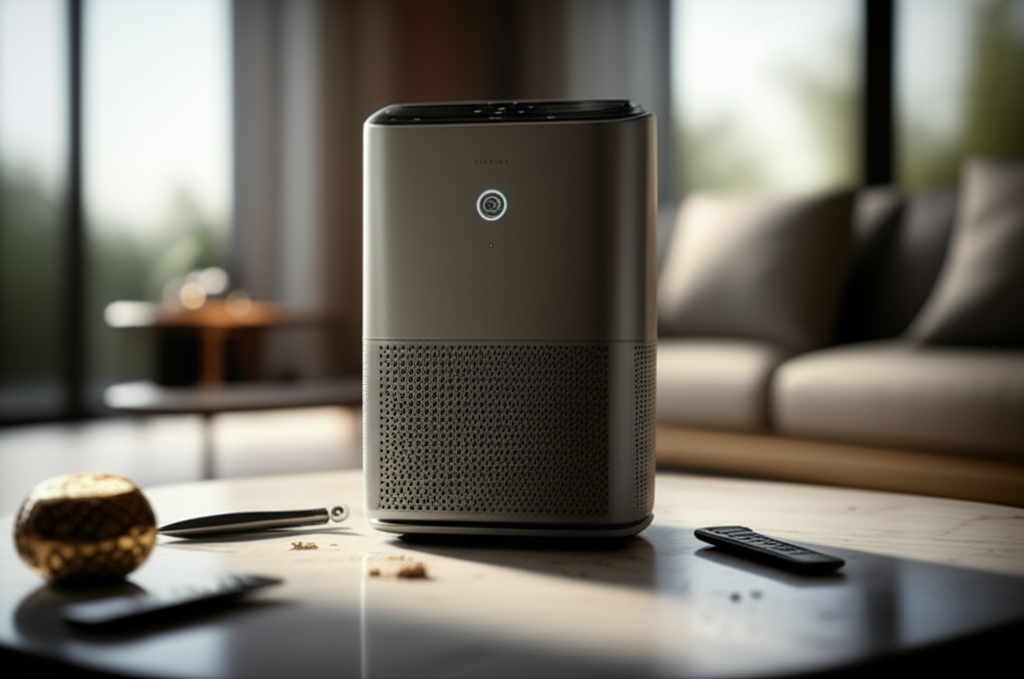
HEPA filters, the gold standard in air purification, are designed to capture 99.97% of particles as small as 0.3 microns. However, they have a finite lifespan, typically ranging from six months to two years, depending on usage and air quality. Activated carbon filters, used for odor and VOC removal, also degrade as their pores become clogged.
When to Replace Your Air Purifier Filter
Regular filter replacement is the most critical maintenance task. Manufacturers usually provide a recommended replacement schedule. However, visual inspection and a noticeable drop in air quality are also strong indicators. Many modern purifiers feature filter life indicators to simplify this process.
Wear and Tear on Other Components
Beyond the filters, other parts of an air purifier can degrade. The fan motor can wear out over time, leading to reduced airflow or unusual noises. The internal electronics, including sensors and control boards, can also fail, affecting the unit’s functionality.
Signs Your Air Purifier Might Be “Going Bad”
Recognizing the subtle (and not-so-subtle) signs that your air purifier is no longer performing optimally is key. These indicators often manifest as a decline in performance or changes in the unit’s behavior. Paying attention to these clues can prevent you from relying on a malfunctioning device.
Reduced Airflow or Weak Performance
One of the most noticeable signs is a significant decrease in the amount of air the purifier is moving. If you feel less air being expelled from the unit, even on its highest setting, it’s likely due to clogged filters or a struggling fan. This reduced airflow means fewer pollutants are being captured.
Unpleasant Odors from the Unit
While air purifiers are meant to eliminate odors, a malfunctioning unit can sometimes emit them. This can happen if mold or bacteria begin to grow on a neglected, saturated filter, or if the activated carbon filter has reached its saturation point and is no longer absorbing smells effectively.
The Role of Activated Carbon Filters in Odor Control
Activated carbon filters are porous materials that adsorb odor molecules. When these pores fill up, the filter loses its ability to trap smells, and in some cases, the trapped odors can even be re-released. This is a clear indication that the filter needs replacing.
Increased Noise Levels
An air purifier that has suddenly become much louder, or is making unusual grinding or rattling noises, often indicates a mechanical issue. This could be a worn-out fan motor or debris accumulating in the fan blades. Such noises are a warning sign that internal components are failing.
The Air Quality Isn’t Improving
Despite running the purifier consistently, if you notice no improvement in your home’s air quality – perhaps you’re still experiencing allergies, or lingering smells persist – it’s a strong signal that the unit isn’t working as it should. This is often due to exhausted filters or other internal problems.
Filter Indicator Lights Not Resetting
Many purifiers have indicator lights that signal when it’s time to change the filters. If you’ve replaced the filters but the indicator light remains on, it could mean the unit’s internal system isn’t recognizing the change, or there’s a more significant electronic issue.
Understanding Different Air Purifier Technologies
Different types of air purifiers use various methods to clean the air, and each technology has its own lifespan and maintenance requirements. Knowing what kind of purifier you have can help you anticipate potential issues.
HEPA and Pre-Filter Systems
A standard HEPA purifier typically includes a pre-filter for larger particles and a HEPA filter for finer ones. The pre-filter is often washable, extending the life of the main HEPA filter. However, both will eventually need replacement.
HEPA Filter Efficiency: What You Need to Know
True HEPA filters are highly effective, but their efficiency is directly tied to their physical integrity. A clogged or damaged HEPA filter will not only reduce airflow but can also become a breeding ground for bacteria, potentially recirculating them into your air.
Activated Carbon Filters
These filters are crucial for removing gases, odors, and volatile organic compounds (VOCs). Their effectiveness depends on the amount of carbon and the surface area available for adsorption. Like HEPA filters, they become saturated and lose their effectiveness over time.
Other Technologies and Their Lifespans
UV-C Light Purifiers: The UV-C bulb has a limited lifespan, typically around 10,000 hours of use, after which it needs replacement to maintain germicidal effectiveness.
Ionizers and Ozone Generators: While some ionizers are safe, ozone generators can produce harmful ozone gas. Their effectiveness can also diminish, and concerns about their long-term health impacts persist. It’s wise to research thoroughly if your purifier uses these technologies.
The Impact of Poor Air Purifier Maintenance
Neglecting regular maintenance is the primary reason an air purifier “goes bad” prematurely. This neglect not only reduces the unit’s effectiveness but can also create new problems. Consistent upkeep is your best defense against a failing purifier.
Clogged Filters and Reduced Airflow
As mentioned, clogged filters severely restrict airflow. This forces the fan motor to work harder, consuming more energy and potentially leading to premature motor failure. It also means the air isn’t circulating and being cleaned as efficiently.
Diminished Purification Performance
When filters are saturated, they can no longer trap pollutants effectively. This means dust, allergens, and other airborne irritants continue to circulate in your home, defeating the purpose of the air purifier. In some cases, a heavily saturated filter might even release trapped particles back into the air.
Potential for Mold and Bacteria Growth
Damp environments combined with trapped organic matter (like dust and pollen) on a filter can create an ideal breeding ground for mold and bacteria. If this occurs, the air purifier could inadvertently spread these contaminants throughout your home, worsening air quality.
Essential Maintenance Steps to Keep Your Purifier Working
Preventing your air purifier from going bad is all about consistent, proper maintenance. Following these steps will ensure your unit operates efficiently for years to come.
Regular Filter Checks and Replacements
This is non-negotiable. Consult your manufacturer’s manual for the recommended filter replacement schedule. Visually inspect filters regularly; if they appear heavily soiled or discolored, replace them sooner.
How to Properly Replace Air Purifier Filters
1. Unplug the unit: Always disconnect the power before performing any maintenance.
2. Access the filter compartment: This usually involves removing a back panel or cover.
3. Remove the old filter: Note its orientation for correct installation of the new one.
4. Install the new filter: Ensure it’s seated correctly and securely.
5. Close the compartment: Reattach the cover or panel.
6. Plug in and reset: Reconnect the power and reset any filter indicator lights according to the manual.
Cleaning the Exterior and Interior Components
Wipe down the exterior of the unit with a damp cloth regularly. Periodically, you may need to clean the fan blades and the inside of the housing to remove accumulated dust. Use a vacuum cleaner with a brush attachment for these tasks.
Cleaning Washable Pre-Filters
If your unit has a washable pre-filter, remove it and gently wash it with mild soap and water. Ensure it is completely dry before reinstalling it. This can significantly extend the life of your primary HEPA filter.
Checking and Cleaning Sensors
Many air purifiers have air quality sensors. These can become covered in dust, leading to inaccurate readings. Gently clean the sensor lens with a dry cotton swab or a soft, dry cloth. Refer to your manual for the specific location and cleaning instructions for your model.
When to Consider Replacing the Entire Unit
Sometimes, despite your best efforts, an air purifier reaches the end of its functional life. Knowing when to cut your losses and invest in a new unit is important.
Major Component Failures
If the fan motor fails completely, or if there are significant issues with the control board or internal wiring, repairing the unit might be more expensive than buying a new one. Major electrical or mechanical failures often signal the end of the line.
Cost-Effectiveness of Repairs vs. Replacement
Obtain a quote for any major repair. If the repair cost is a substantial percentage of the price of a new, comparable air purifier, replacement is usually the more sensible option. Consider the age of the unit as well; older models may use more energy or lack newer, more efficient technologies.
Obsolete Technology or Inefficiency
Older air purifiers may not meet current energy efficiency standards or may use outdated purification technologies that are less effective or even potentially harmful (like some ozone generators). Upgrading to a newer model can offer better performance, lower energy bills, and improved safety.
Persistent Odors or Malfunctions After Maintenance
If you’ve replaced filters and performed all recommended maintenance, but the unit continues to emit odors, make strange noises, or perform poorly, it’s a strong indicator that the core components are failing and the unit is no longer reliable.
The Dangers of Using a “Bad” Air Purifier
Using an air purifier that has gone bad isn’t just ineffective; it can actively harm your indoor air quality and your health. Understanding these risks is crucial.
Circulating Mold, Bacteria, and Allergens
A neglected or malfunctioning unit can become a source of pollutants rather than a solution. Moldy filters can release spores, and a saturated HEPA filter can become a reservoir for bacteria, which can then be dispersed into your living space.
Increased Energy Consumption
A struggling unit, particularly one with clogged filters or a worn motor, will consume more electricity to perform at a reduced capacity. This leads to higher energy bills without the benefit of clean air.
Potential for Respiratory Issues
Exposing yourself to recirculated mold, bacteria, or even ozone (from certain types of purifiers) can trigger or worsen respiratory conditions like asthma, allergies, and other breathing difficulties.
Extending the Life of Your Air Purifier: Expert Tips
To ensure your air purifier serves you well for its intended lifespan, consider these expert recommendations. They focus on proactive care and smart usage.
Choose the Right Air Purifier for Your Needs
Selecting a unit appropriately sized for your room and equipped with the right filter types (e.g., HEPA and activated carbon for general use) is the first step. Overworking a small unit in a large space will shorten its lifespan.
Proper Placement and Ventilation
Ensure your air purifier has adequate space around it for optimal airflow. Avoid placing it directly against walls or furniture. Also, ensure the room it’s in is properly ventilated, as this reduces the overall pollutant load the purifier needs to handle.
Regularly Monitor Air Quality Readings
If your purifier has an air quality sensor and display, pay attention to it. If it consistently shows poor air quality despite the purifier running, investigate why – it might be time for a filter change or a deeper clean.
Invest in Quality Replacement Filters
Always use genuine replacement filters recommended by the manufacturer. Aftermarket filters may not fit correctly or offer the same level of filtration, potentially reducing the purifier’s effectiveness and even causing damage. For example, [Brand X] HEPA filters are specifically designed for their purifiers to ensure optimal performance.
Frequently Asked Questions (FAQs)
How often should I replace the HEPA filter in my air purifier?
Most manufacturers recommend replacing HEPA filters every 6 to 12 months, but this can vary based on usage and your home’s air quality. Some high-quality filters, like those from [Brand Y], might last up to two years with proper maintenance. Always check your user manual.
Can I wash a HEPA filter?
Generally, no. True HEPA filters are made of a dense paper-like material that cannot be washed without damaging its structure and filtration capabilities. Only pre-filters are typically designed to be washable.
My air purifier smells musty. What should I do?
A musty smell usually indicates a saturated filter, possibly with mold or bacteria growth. Immediately unplug the unit, replace the filters, and clean the interior components according to the manufacturer’s instructions. If the smell persists, the unit may have a more serious issue.
How do I know if my air purifier is still working effectively?
Look for signs like reduced airflow, increased noise, or a persistent lack of improvement in air quality. Many modern purifiers also have indicator lights or app notifications to signal filter life and performance.
What’s the difference between a HEPA filter and an activated carbon filter?
A HEPA filter captures tiny solid particles like dust, pollen, and pet dander. An activated carbon filter adsorbs gases, odors, and volatile organic compounds (VOCs) from the air. Many purifiers use both for comprehensive air cleaning.
Can an air purifier’s motor go bad?
Yes, like any appliance, the fan motor in an air purifier can wear out over time. Signs of motor failure include unusual noises, reduced airflow, or the unit completely failing to turn on.
Conclusion: Keep Your Air Purifier in Top Shape
So, can air purifier go bad? Absolutely. The primary culprits are degraded filters and wear on internal components. Recognizing the signs—like reduced airflow, strange noises, or a lack of improvement in air quality—is crucial. By adhering to a consistent maintenance schedule, including regular filter replacement and cleaning, you can significantly extend your air purifier’s lifespan and ensure it continues to provide the clean, healthy air you rely on. Don’t let your investment become a silent pollutant; proactive care is the key to breathing easy.
