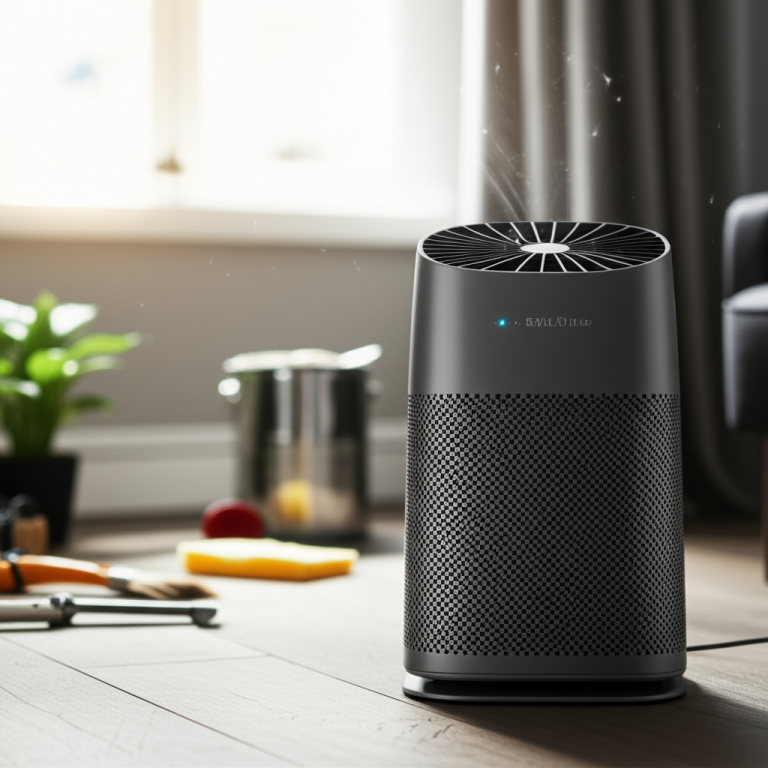
Can Air Purifier Give Headache? Proven Relief!

Yes, an air purifier can sometimes cause headaches, often due to ozone production, filter issues, or improper placement. This guide offers proven relief strategies to ensure your air purifier benefits your health without causing discomfort.
Headaches can be a frustrating and unwelcome side effect when trying to improve your home’s air quality. You invested in an air purifier to breathe easier and feel better, only to experience a persistent dull ache or throbbing pain. It’s a common concern, and understanding the potential causes is the first step toward finding relief. Don’t worry; we’ll explore why this happens and provide practical, proven solutions so you can enjoy clean air without the headache.
Understanding Why Air Purifiers Might Cause Headaches
An air purifier, while designed for health, can inadvertently trigger headaches through several mechanisms. These devices work by filtering or neutralizing airborne pollutants, but sometimes the process itself can introduce new irritants or exacerbate existing sensitivities. Pinpointing the exact reason is key to resolving the issue and reclaiming a pain-free environment.
Ozone Production: The Silent Culprit

Some air purifiers, particularly older models or those using ionization or UV-C light without proper filtration, can produce ozone as a byproduct. Ozone is a lung irritant that can cause respiratory problems, chest pain, coughing, and yes, headaches. Even low levels of ozone can be problematic for sensitive individuals.
Ozone irritates the respiratory tract and can lead to symptoms like headaches and nausea. If your air purifier uses ionization or UV, check if it’s certified to be ozone-free.
Improper Filter Maintenance and Choice
Dirty or clogged filters can recirculate allergens and irritants back into the air, potentially triggering headaches in sensitive people. Conversely, some filters, especially those with strong chemical scents or made from materials that off-gas volatile organic compounds (VOCs), can also be a source of headaches. Using the wrong type of filter for your specific needs can also be problematic.
Regularly cleaning or replacing filters is crucial for optimal performance and preventing headaches. Always choose high-quality filters designed for your specific air purifier model.
Incorrect Placement and Airflow Issues
Placing an air purifier too close to where you spend most of your time, like your bed or desk, can concentrate any potential irritants it might be producing or recirculating. Poor airflow around the unit can also lead to inefficient purification, making the device work harder and potentially increasing the emission of byproducts. Ensuring adequate space allows the purifier to work effectively and disperse purified air.
Ensure your air purifier has at least a foot of clearance on all sides for optimal airflow. Avoid placing it directly in your main breathing zone.
VOCs and Off-Gassing from the Unit Itself
New air purifiers, or even older ones with worn-out components, can sometimes emit VOCs from their plastic casings or internal parts. These chemicals can be released into the air and, for some individuals, trigger headaches and other sensitivities. The scent of new plastic or a chemical odor from the unit is a red flag.
Allow new air purifiers to run in a well-ventilated room for a few days before using them in your bedroom or main living area. This helps dissipate any initial off-gassing.
High-Frequency Sounds or Vibrations
While less common, some air purifiers can produce high-frequency sounds or vibrations that, while perhaps inaudible to many, can cause discomfort and headaches in sensitive individuals. These subtle noises can be particularly bothersome in quiet environments like bedrooms. If you notice a persistent hum or feel vibrations, it might be contributing to your discomfort.
Check the decibel rating of your air purifier and consider models known for quiet operation. Placing the unit on a soft mat can also dampen vibrations.
Proven Strategies for Headache Relief
Now that we understand the potential causes, let’s dive into actionable steps to eliminate headaches associated with your air purifier. These strategies focus on optimizing your device, choosing the right one, and ensuring it works harmoniously with your environment.
1. Opt for Ozone-Free Certified Air Purifiers
The most direct way to avoid ozone-related headaches is to select an air purifier that is certified ozone-free. Look for certifications from reputable organizations like the California Air Resources Board (CARB). These certifications indicate that the unit meets strict standards for ozone emissions.
Many modern HEPA air purifiers are designed without ionizers or UV components that produce ozone. Always check the product specifications for ozone-free claims and certifications.
2. Choose the Right Filtration Technology
Different filtration technologies suit different needs. For most people prone to headaches, a high-quality HEPA filter is the best choice. HEPA filters are highly effective at capturing particulate matter like dust, pollen, and pet dander without producing harmful byproducts.
Activated carbon filters are also excellent for adsorbing odors and VOCs, which can also contribute to headaches. Combining HEPA and activated carbon filtration offers comprehensive air cleaning.
| Filtration Type | Best For | Potential Headache Trigger |
| :————– | :————————————— | :————————- |
| HEPA | Allergens, dust, pet dander | Very Low |
| Activated Carbon | Odors, VOCs, smoke | Low (if unscented) |
| Ionizer | Fine particles, odor control | High (ozone production) |
| UV-C Light | Germs, mold spores | Moderate (ozone potential) |
Activated carbon filters are excellent for adsorbing odors and VOCs, which can also contribute to headaches. Combining HEPA and activated carbon filtration offers comprehensive air cleaning.
3. Regular Filter Replacement and Cleaning
Neglecting filter maintenance is a common pitfall. Clogged filters reduce efficiency and can become breeding grounds for mold or bacteria, releasing them back into your air. Follow the manufacturer’s recommendations for filter replacement schedules, typically every 6-12 months for HEPA and carbon filters.
Pre-filters, which capture larger particles, should be cleaned regularly, often weekly or bi-weekly, depending on your air quality. This extends the life of your main filters.
4. Proper Unit Placement and Operation
Where you place your air purifier significantly impacts its effectiveness and your comfort. Avoid placing it directly next to your bed, sofa, or desk where you spend prolonged periods. Instead, position it in a corner of the room, allowing purified air to circulate freely.
Running your air purifier on a medium setting during the day and a quieter, lower setting at night can help maintain air quality without being intrusive. Some units have “auto” modes that adjust fan speed based on detected air quality.
5. Ventilate Your Space Appropriately
While air purifiers clean indoor air, fresh outdoor air is also vital. On days with good outdoor air quality, opening windows for a short period can help flush out any lingering VOCs or byproducts from the purifier itself. This also helps dilute indoor pollutants.
Check local air quality reports before opening windows. On days with high pollen counts or pollution, keeping windows closed and relying on your air purifier is best.
6. Consider the Unit’s Scent Features
Some air purifiers come with built-in scent diffusers or use scented filters. If you’re sensitive to fragrances, these can be a significant headache trigger. Opt for units without these features or choose unscented filters.
If your current purifier has a scent feature, disable it or remove the scented component entirely. Many air purifiers offer models with and without these extras.
7. Test Different Air Purifier Brands and Models
Not all air purifiers are created equal. If you’ve tried the above steps and still experience headaches, it might be time to explore different brands and models. Research units known for their quiet operation, low ozone emissions, and high-quality, durable filters.
Reading reviews from users who also report sensitivities can be incredibly helpful in finding a suitable unit. Look for brands that prioritize user health and air quality research.
Troubleshooting Common Headache Triggers
Let’s address some specific scenarios and how to troubleshoot them to ensure your air purifier works for you, not against you.
My New Air Purifier Gives Me a Headache
If a brand-new unit is causing discomfort, it’s likely due to initial off-gassing. As mentioned, run it in a well-ventilated, unoccupied room for 24-48 hours. Ensure all protective packaging has been removed from the filters before installation.
Also, check the unit’s manual to confirm it doesn’t use ozone-generating technologies like ionizers or UV-C unless explicitly certified safe.
My Air Purifier Started Causing Headaches After a Filter Change
This often points to a new filter that might be off-gassing or is not the correct type. Ensure you’re using genuine replacement filters from the manufacturer. Generic filters might contain different materials that could trigger sensitivities.
If the headache persists, try running the purifier without the new filter for a short period (if safe to do so according to the manual) to see if the headache subsides. If it does, the new filter is the likely culprit.
I Suspect the Ozone from My Air Purifier
If your air purifier has an ionizer or UV-C light, it might be producing ozone. Check your unit’s specifications or the manufacturer’s website for information on ozone output. Look for CARB certification.
Consider turning off the ionizer or UV-C function if your unit allows. If the headache stops, you’ve found your answer. In this case, switching to an ozone-free HEPA purifier is recommended.
Frequently Asked Questions (FAQs)
Can an air purifier with a HEPA filter cause headaches?
Generally, no. True HEPA filters capture particles and do not produce ozone or other byproducts that typically cause headaches. If you experience headaches with a HEPA purifier, the cause might be off-gassing from the unit’s casing, a scented filter, or an integrated feature like an ionizer.
What type of air purifier is best for someone prone to headaches?
An air purifier with a multi-stage filtration system, featuring a true HEPA filter and an activated carbon filter, is typically the best choice. Ensure it is certified ozone-free and does not have ionizers or UV-C lights unless proven safe.
How long does it take for off-gassing from a new air purifier to stop?
Initial off-gassing typically reduces significantly within 24 to 72 hours of continuous operation in a well-ventilated area. However, for highly sensitive individuals, it might take longer, or some units may continue to emit low levels of VOCs.
Should I run my air purifier continuously?
Running your air purifier continuously on a low setting can help maintain optimal air quality. However, if you suspect it’s contributing to headaches, try running it only when you’re not in the room or for specific periods. Monitor your symptoms closely.
Can air purifiers make headaches worse if I have allergies?
While air purifiers are designed to help allergy sufferers by removing allergens, a malfunctioning unit or one with ozone production can indeed exacerbate symptoms, including headaches. Ensuring your unit is functioning correctly and is ozone-free is crucial for allergy relief.
What are the signs that my air purifier is causing a headache?
Common signs include the onset of a headache shortly after turning on the purifier, the headache disappearing when the purifier is turned off, or experiencing a persistent dull ache or throbbing pain when the unit is active.
Conclusion: Breathe Easy with the Right Air Purifier
The question “can air purifier give headache?” often arises from specific issues rather than the technology itself. By understanding the potential culprits like ozone, improper filter maintenance, off-gassing, or even placement, you can take targeted steps to find relief. Choosing an ozone-free, certified HEPA air purifier with a good activated carbon filter, maintaining it diligently, and placing it thoughtfully in your space are key to enjoying cleaner air without the unwelcome side effect of headaches. Your journey to better indoor air quality should be a comfortable one, and with the right approach, your air purifier can be a powerful ally for your well-being.