
Can Air Purifier Dry Clothes? Genius Essential Answer

Yes, while not their primary function, certain air purifiers can assist in drying clothes, especially in small spaces or when used in conjunction with other drying methods. This guide explores how and when an air purifier might help you dry laundry.
Have you ever found yourself with damp laundry and no dryer, wondering if your trusty air purifier could lend a hand? It’s a common predicament, especially in apartments or during humid weather when clothes seem to take forever to dry. The good news is that while air purifiers are designed to clean your air, their fan and dehumidifying capabilities can sometimes be leveraged for drying. Let’s delve into how this works and what you need to know.
Understanding How Air Purifiers Work
Air purifiers are designed to circulate air through a filtration system, capturing airborne particles like dust, pollen, and pet dander. They achieve this using fans that draw air in and push it out after it passes through filters. This constant air movement is key to their potential for drying clothes.
The Role of the Fan in Air Circulation
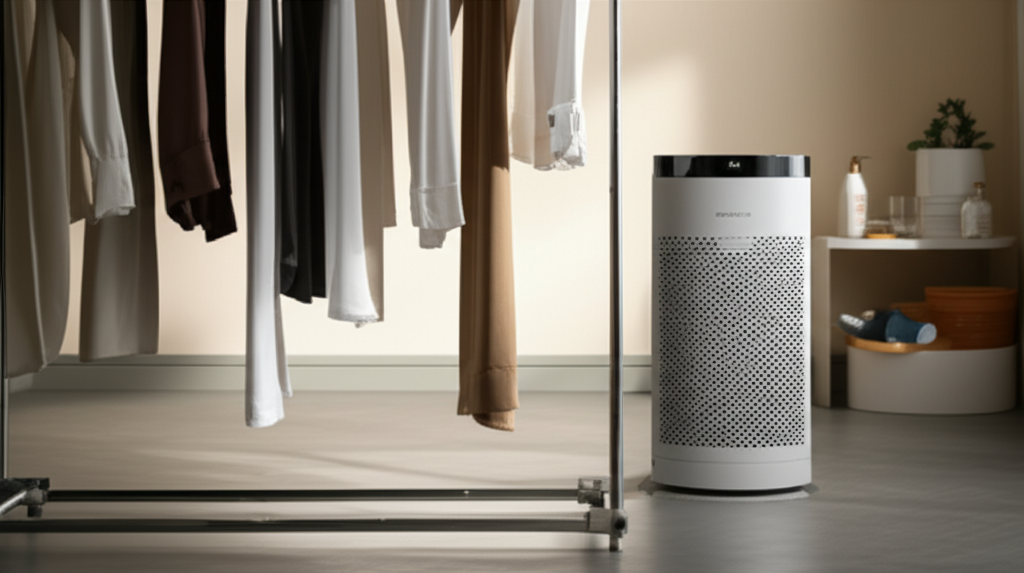
The built-in fan within an air purifier is its primary tool for moving air. By continuously circulating the air in a room, it helps to evaporate moisture from surfaces, including damp fabrics. This process is similar to how a fan can help dry a spill on the floor.
Filtration Systems and Their Impact
While HEPA filters and activated carbon filters focus on air purification, they don’t directly contribute to drying. However, some air purifiers incorporate additional features like dehumidifier or cooling functions that can indirectly aid in drying. These integrated functions are what make some purifiers more effective for this secondary purpose.
Can Air Purifier Dry Clothes: The Direct Answer
So, can an air purifier dry clothes? In a limited capacity, yes. It’s not their intended purpose, and they won’t dry clothes as quickly or efficiently as a dedicated clothes dryer or even a conventional fan. However, for small items or to speed up the drying process in a pinch, they can offer some assistance.
The Mechanics of Air Purifier Drying
An air purifier dries clothes by circulating air around them. The fan draws moist air away from the fabric, and the cleaner, drier air is then expelled back into the room. This constant airflow helps to increase the rate of evaporation.
Limitations and What to Expect
It’s crucial to manage expectations. An air purifier is not a substitute for a dryer. You’ll likely see a significant difference in drying time only for very small items or if you have a particularly powerful unit. For larger loads, it will likely only slightly speed up air drying.
Leveraging Your Air Purifier for Faster Drying
To maximize the drying potential of your air purifier, strategic placement and preparation are key. Think of it as using your air purifier to support the natural drying process.
Optimal Placement for Drying
Position the air purifier close to your damp clothes, ensuring the air outlet is directed towards them. Avoid placing it directly against the fabric, as this can restrict airflow and potentially overheat the unit. A distance of a few feet is usually sufficient.
Creating the Right Environment
For best results, ensure the room where you are drying clothes is well-ventilated but not overly humid. Opening a window slightly can help expel moist air, though this can be counterproductive in very humid outdoor conditions. Closing doors and windows can help contain the circulating air.
Air Purifiers with Dehumidifier Functionality
Some advanced air purifiers come equipped with a dehumidifier function. These units are significantly more effective at drying clothes because they actively remove moisture from the air.
How Dehumidifier Air Purifiers Work
A dehumidifier air purifier works by drawing air over a cold coil, causing moisture to condense and collect in a reservoir. The drier air is then reheated and circulated back into the room. This process directly tackles the humidity that slows down drying.
Benefits of Dual-Function Units
Using a dual-function air purifier and dehumidifier can offer several benefits. It not only helps dry your clothes faster but also combats excess humidity in your home, which can prevent mold and mildew growth. Brands like LG and Coway often feature such integrated technologies.
Are There Specific Air Purifier Types Better Suited for Drying?
While most air purifiers can offer some drying assistance, units with stronger fans and larger coverage areas will naturally perform better.
Fan Power and Airflow Volume
Air purifiers with higher CFM (cubic feet per minute) ratings generally move more air. This increased airflow is directly beneficial for evaporating moisture from clothes. Look for specifications that indicate strong airflow if drying is a secondary consideration.
Coverage Area Considerations
A larger coverage area often correlates with a more powerful fan. If you’re looking to dry clothes in a larger room, an air purifier designed for a bigger space will be more effective than a small unit intended for a bedroom.
When to Consider Using Your Air Purifier for Drying
There are specific scenarios where employing your air purifier for drying makes the most sense. It’s about finding the right balance of convenience and efficiency.
Small Laundry Items and Delicates
Small items like socks, underwear, or delicate fabrics are ideal candidates for air purifier drying. They have a larger surface area relative to their volume, allowing moisture to evaporate more readily. This is where you’ll likely see the most noticeable benefit.
Emergency Situations and Quick Fixes
If you need a specific item of clothing dried quickly and have no other options, your air purifier can be a helpful tool. It’s a solution for those “need it now” moments when a dryer isn’t available or practical.
Complementing Other Drying Methods
An air purifier can also be used to supplement other drying methods. For instance, if you’re air-drying a larger load, placing an air purifier nearby can help reduce the overall drying time by circulating air more effectively.
Potential Drawbacks and What to Watch Out For
While using an air purifier for drying can be helpful, it’s not without its potential downsides. Being aware of these can help you avoid issues.
Energy Consumption
Running an air purifier continuously, especially a powerful one, will consume electricity. While generally more energy-efficient than a clothes dryer, it’s still an added energy cost to consider.
Wear and Tear on the Unit
Constantly running the fan at high speeds for extended periods, especially with damp air circulating, could potentially lead to increased wear and tear on the motor over time. It’s advisable not to over-rely on this function.
Effectiveness Compared to Dedicated Devices
As mentioned, an air purifier will never be as effective as a dedicated clothes dryer or even a standard oscillating fan for drying clothes. The results will be much slower and less thorough.
Air Purifier vs. Clothes Dryer: A Comparative Look
It’s important to understand the fundamental differences between these two appliances. Their primary functions and capabilities are distinct.
Primary Function and Design
Air purifiers are designed for air quality improvement, focusing on filtration and circulation. Clothes dryers are designed for rapid moisture removal from fabrics using heat and tumbling action. Their engineering reflects these different purposes.
Drying Speed and Efficiency
Clothes dryers are engineered for speed and efficiency in drying large loads of laundry quickly. Air purifiers, when used for drying, offer a much slower and less efficient process, best suited for smaller items or partial drying.
Energy Use Comparison
While both use electricity, a typical clothes dryer uses significantly more energy than an air purifier. However, if you run an air purifier 24/7 for drying, its cumulative energy use could become substantial.
Table: Air Purifier vs. Clothes Dryer for Drying Clothes
| Feature | Air Purifier (for drying) | Clothes Dryer |
| :—————- | :——————————————————- | :—————————————————- |
| Primary Purpose | Air purification | Drying clothes |
| Drying Speed | Slow, best for small items | Fast, for all laundry types |
| Efficiency | Low for drying large loads | High for drying large loads |
| Energy Use | Moderate (continuous operation adds up) | High (short, intense bursts) |
| Capacity | Very limited (small items) | High (full laundry loads) |
| Heat Usage | None (relies on airflow) | Yes (uses heat to speed drying) |
Alternatives for Drying Clothes Without a Dryer
If your air purifier isn’t cutting it, or you want to explore other options, several effective methods exist for drying clothes without a conventional dryer.
Traditional Air Drying (Clothesline/Drying Rack)
The classic method of using a clothesline or a drying rack remains highly effective. It utilizes natural airflow and sunlight (if available) to dry your clothes. This is the most energy-efficient method.
Using a Fan or Ventilator
A simple oscillating fan or even a powerful window fan can significantly speed up the air-drying process. Position it to blow air directly onto your drying clothes. This is often more effective than relying solely on an air purifier’s fan.
Dehumidifier as a Dedicated Drying Tool
A standalone dehumidifier is specifically designed to remove moisture from the air and is a far more efficient appliance for drying clothes than an air purifier. Many people use their dehumidifier to dry laundry indoors, especially during damp weather.
Frequently Asked Questions (FAQ)
Can I leave my air purifier running overnight to dry clothes?
Yes, you can, but monitor the unit and ensure adequate airflow. It’s best for small items, and continuous use might increase wear.
Will my air purifier get damaged if I use it to dry clothes?
Generally, no, if used properly. Avoid direct contact with wet fabric and ensure the unit has proper ventilation. Excessive moisture buildup in the room might affect electronics over very long periods.
How close should I place the air purifier to my wet clothes?
Place it a few feet away, with the air outlet directed towards the clothes. This ensures good air circulation without obstructing the purifier’s intake or outlet.
Can an air purifier dry a whole load of laundry?
An air purifier is not designed for large loads. It can help speed up the drying of a few small items, but it won’t effectively dry a full load of laundry.
Is it more energy-efficient to use an air purifier or a clothes dryer?
For drying clothes, a clothes dryer is generally more energy-efficient per load because it dries clothes much faster. However, running an air purifier continuously for drying will consume energy over time.
Should I use a HEPA air purifier or one with an activated carbon filter for drying?
The type of filter (HEPA or carbon) doesn’t directly impact drying capability. The fan strength and any dehumidifying features are more important.
What if my air purifier has a ‘boost’ or ‘high’ fan setting?
Using the highest fan setting will maximize airflow and thus improve the drying potential of your air purifier. However, be mindful of noise levels and potential increased wear.
Conclusion
Ultimately, the answer to “can air purifier dry clothes?” is a qualified yes. While not their primary purpose, air purifiers, particularly those with robust fans or integrated dehumidifier functions, can indeed assist in drying laundry, especially small items or in emergency situations. They work by circulating air to speed up evaporation. However, it’s essential to understand their limitations and not expect the same speed or efficiency as a dedicated clothes dryer. For optimal results, position the unit strategically, manage the room’s environment, and consider alternatives like fans or standalone dehumidifiers for more demanding drying needs. Your air purifier is a valuable tool for air quality, and it can offer a bit of drying help when needed most.
