
Are Dracaena Plant Air Purifier: Essential Benefits

Yes, Dracaena plants are excellent air purifiers, offering significant benefits for indoor environments by removing common toxins and improving air quality.
Are Dracaena Plants Air Purifiers? Unveiling Their Essential Benefits
Many of us seek ways to enhance our living spaces, and the question of whether Dracaena plants can purify the air is a common one. These popular houseplants are known for their striking foliage and relatively easy care, but their ability to contribute to a healthier indoor environment is often overlooked. This article delves into the science behind their air-purifying capabilities and explores the essential benefits they bring to your home.
The NASA Clean Air Study and Dracaena’s Role
The foundation for understanding Dracaena’s air-purifying potential lies in the groundbreaking NASA Clean Air Study. This research, conducted in the early 1980s, aimed to identify plants capable of removing volatile organic compounds (VOCs) from sealed environments, like space stations. The study found that several common houseplants, including various Dracaena species, were remarkably effective at filtering out toxins such as formaldehyde, benzene, and xylene.
Key findings from the NASA study highlighted Dracaena’s ability to absorb these harmful chemicals through their leaves and roots. This research remains a cornerstone in understanding the natural air-cleaning capabilities of indoor plants.
Formaldehyde Removal: A Key Benefit
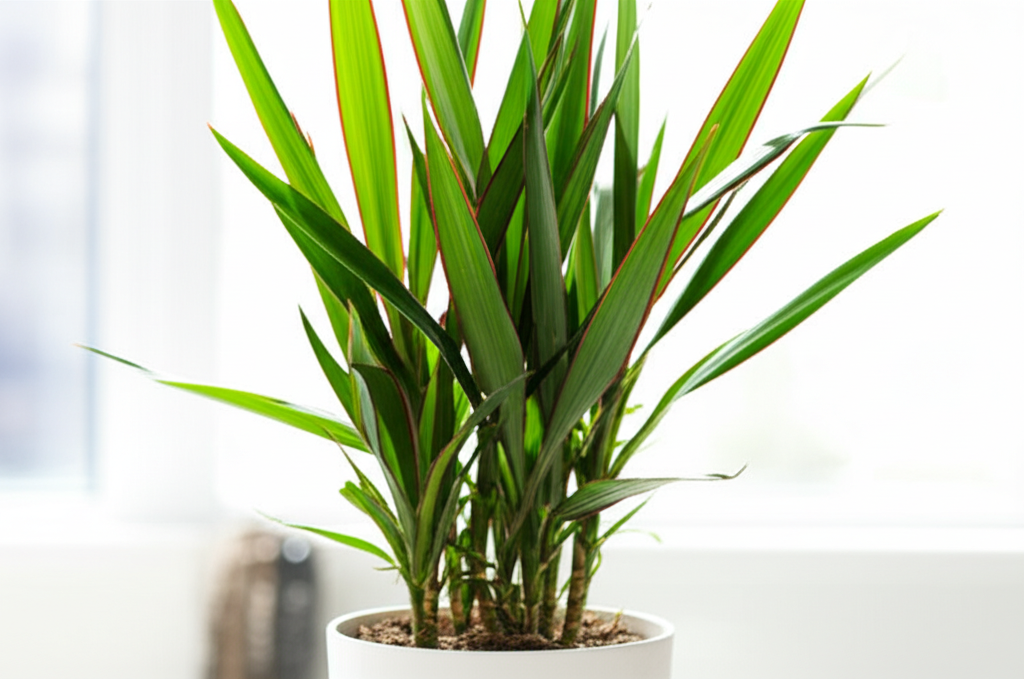
Formaldehyde is a prevalent indoor air pollutant found in many common household items, including furniture, carpets, and cleaning products. Exposure to formaldehyde can lead to respiratory irritation, headaches, and other health concerns. Dracaena plants actively absorb formaldehyde from the air, converting it into less harmful substances through their metabolic processes.
This absorption process helps reduce the concentration of formaldehyde in your home, contributing to a safer and more comfortable living environment.
Benzene and Xylene Filtration
Beyond formaldehyde, Dracaena plants also demonstrate efficacy in filtering out benzene and xylene. Benzene, a known carcinogen, is often found in plastics, synthetic fibers, and tobacco smoke. Xylene, another VOC, is commonly present in paints, varnishes, and printing inks.
By removing these toxins, Dracaena plants contribute to a cleaner indoor atmosphere, reducing potential health risks associated with prolonged exposure.
Beyond Toxins: Other Air-Purifying Advantages
While toxin removal is a primary benefit, Dracaena plants offer additional advantages that contribute to improved indoor air quality. Their natural process of photosynthesis involves absorbing carbon dioxide and releasing oxygen, a fundamental aspect of maintaining a healthy atmosphere.
This oxygen production, though modest, adds to the overall freshness and vitality of your indoor space.
Humidity Regulation
Plants release water vapor into the air through a process called transpiration. This natural humidification can be particularly beneficial in dry indoor environments, helping to alleviate issues like dry skin, irritated sinuses, and static electricity. Dracaena plants, like other houseplants, contribute to this process, albeit to a lesser extent than plants with larger leaf surface areas.
Maintaining optimal humidity levels can create a more comfortable and healthy living space.
Aesthetic and Psychological Benefits
The presence of Dracaena plants can also have a positive impact on your well-being. Their vibrant green foliage adds a touch of nature to your home, creating a more calming and aesthetically pleasing environment. Studies have shown that interacting with plants can reduce stress, improve mood, and boost productivity.
These psychological benefits, combined with their air-purifying qualities, make Dracaena plants a valuable addition to any home.
Popular Dracaena Varieties for Air Purification
Several Dracaena varieties are particularly well-suited for indoor air purification. Each offers unique aesthetic qualities while sharing the common benefit of filtering indoor air pollutants.
Here are some of the most effective Dracaena species:
Dracaena fragrans (Corn Plant): Known for its cane-like stems and arching leaves, the Corn Plant is a robust air purifier, effective against formaldehyde and benzene.
Dracaena marginata (Dragon Tree): Easily recognizable by its slender, sword-like leaves often edged with red, the Dragon Tree excels at removing formaldehyde, benzene, and xylene.
Dracaena deremensis (e.g., ‘Janet Craig’, ‘Warneckii’): These varieties are highly efficient at removing a range of VOCs, including trichloroethylene, a solvent found in some cleaning products.
Dracaena reflexa (Song of India): With its glossy, variegated leaves, this Dracaena variety also contributes to filtering common indoor air pollutants.
Dracaena Care for Optimal Air Purification
To maximize the air-purifying benefits of your Dracaena plants, proper care is essential. Healthy plants are more efficient at absorbing toxins and producing oxygen.
Here’s a basic guide to caring for your Dracaena:
1. Light: Most Dracaena varieties prefer bright, indirect light. Avoid direct sunlight, which can scorch their leaves.
2. Watering: Allow the top inch or two of soil to dry out between waterings. Overwatering can lead to root rot.
3. Soil: Use a well-draining potting mix.
4. Temperature: Maintain average room temperatures between 65-80°F (18-27°C).
5. Humidity: While they tolerate average humidity, occasional misting can be beneficial, especially in dry environments.
Understanding the Limitations
While Dracaena plants are effective air purifiers, it’s important to understand their limitations. The NASA study was conducted in sealed chambers, and the rate of air purification in a typical home with ventilation may be slower. For significant improvements in air quality, especially in heavily polluted environments, a large number of plants or mechanical air purifiers might be necessary.
However, even a few Dracaena plants can contribute positively to your indoor air quality and overall well-being.
Dracaena vs. Other Air-Purifying Plants
When comparing Dracaena to other popular air-purifying plants, they hold their own effectively. For instance, the Spider Plant (Chlorophytum comosum) is also known for removing formaldehyde, while the Snake Plant (Sansevieria trifasciata) is unique for converting CO2 into oxygen at night.
Dracaena’s broad-spectrum removal of multiple VOCs, including benzene and xylene, makes it a versatile choice for improving indoor air.
Comparative Air Purification Efficacy
| Plant Type | Primary Toxins Removed | Ease of Care | Aesthetic Appeal |
| :—————- | :—————————————————- | :———– | :————— |
| Dracaena | Formaldehyde, Benzene, Xylene, Trichloroethylene | Easy | High |
| Spider Plant | Formaldehyde, Xylene | Easy | Moderate |
| Snake Plant | Formaldehyde, Benzene, Xylene, Trichloroethylene, CO2 | Very Easy | High |
| Peace Lily | Formaldehyde, Benzene, Trichloroethylene, Ammonia | Moderate | High |
This table illustrates that Dracaena plants offer a comprehensive range of toxin removal, making them a strong contender in the realm of natural air purification.
Frequently Asked Questions About Dracaena Air Purifiers
Q1: How many Dracaena plants do I need to purify my air?
The exact number varies depending on room size and pollution levels. However, a good starting point is one medium-sized plant per 100 square feet of living space. For noticeable improvements, consider grouping several plants together.
Q2: Can Dracaena plants remove all indoor air pollutants?
No, while effective against common VOCs, Dracaena plants cannot remove all indoor air pollutants, such as fine particulate matter or certain gases. They are a beneficial part of a broader air quality strategy.
Q3: Are Dracaena plants toxic to pets?
Yes, Dracaena plants are mildly toxic to cats and dogs if ingested. They contain saponins that can cause vomiting, lethargy, and drooling. It’s best to keep them out of reach of pets.
Q4: Do Dracaena plants need special soil for air purification?
No, standard well-draining potting soil is sufficient. The plant’s natural biological processes are responsible for air purification, not the soil type itself.
Q5: How often should I clean the leaves of my Dracaena plant?
Wipe the leaves with a damp cloth every 2-4 weeks. This removes dust, allowing the plant to photosynthesize and absorb pollutants more efficiently.
Q6: Can Dracaena plants help with allergies?
By removing irritants like formaldehyde and benzene, Dracaena plants can indirectly help alleviate allergy symptoms triggered by these specific pollutants. However, they do not filter out allergens like pollen or dust mites.
Conclusion: Embracing Dracaena for a Fresher Home
In conclusion, the question “are Dracaena plants air purifiers?” is answered with a resounding yes. Backed by scientific research, these resilient houseplants actively contribute to a healthier indoor environment by filtering common VOCs like formaldehyde, benzene, and xylene. Their ability to release oxygen and potentially regulate humidity further enhances their value. While not a sole solution for all air quality concerns, incorporating Dracaena plants into your home offers tangible benefits for both your physical surroundings and your overall well-being. Embrace the natural power of Dracaena to create a fresher, more vibrant living space.
