80s Vacuum Cleaner: Genius & Essential Guide

Explore the enduring appeal and clever designs of 80s vacuum cleaners, essential tools that combined power and innovation for a cleaner home. Discover why these vintage machines are still relevant today.
Did you know that the humble 80s vacuum cleaner was a marvel of its time? Many of these machines were built to last. They often featured powerful suction and clever attachments that made cleaning easier. If you’re curious about these vintage cleaning powerhouses or looking for a reliable, robust option, you’ve come to the right place. We’ll guide you through what made them so special and how to find the best 80s vacuum cleaner for your needs.
Why 80s Vacuum Cleaners Still Matter Today
80s vacuum cleaners represent a golden age of appliance engineering. They were built with durability and performance as top priorities. Many users today seek out these models for their robust construction and impressive cleaning power. They often outlast modern, less durable alternatives. This makes the 80s vacuum cleaner a smart choice for those who value longevity.
The Ingenious Designs of 80s Vacuum Cleaners
Many 80s vacuum cleaners featured smart design elements. They often had larger dust bags for longer cleaning sessions. Motor technology was also advancing, offering stronger suction. Some models even included innovative features like onboard tool storage. These thoughtful details made cleaning less of a chore for many households.
Key Design Features to Look For
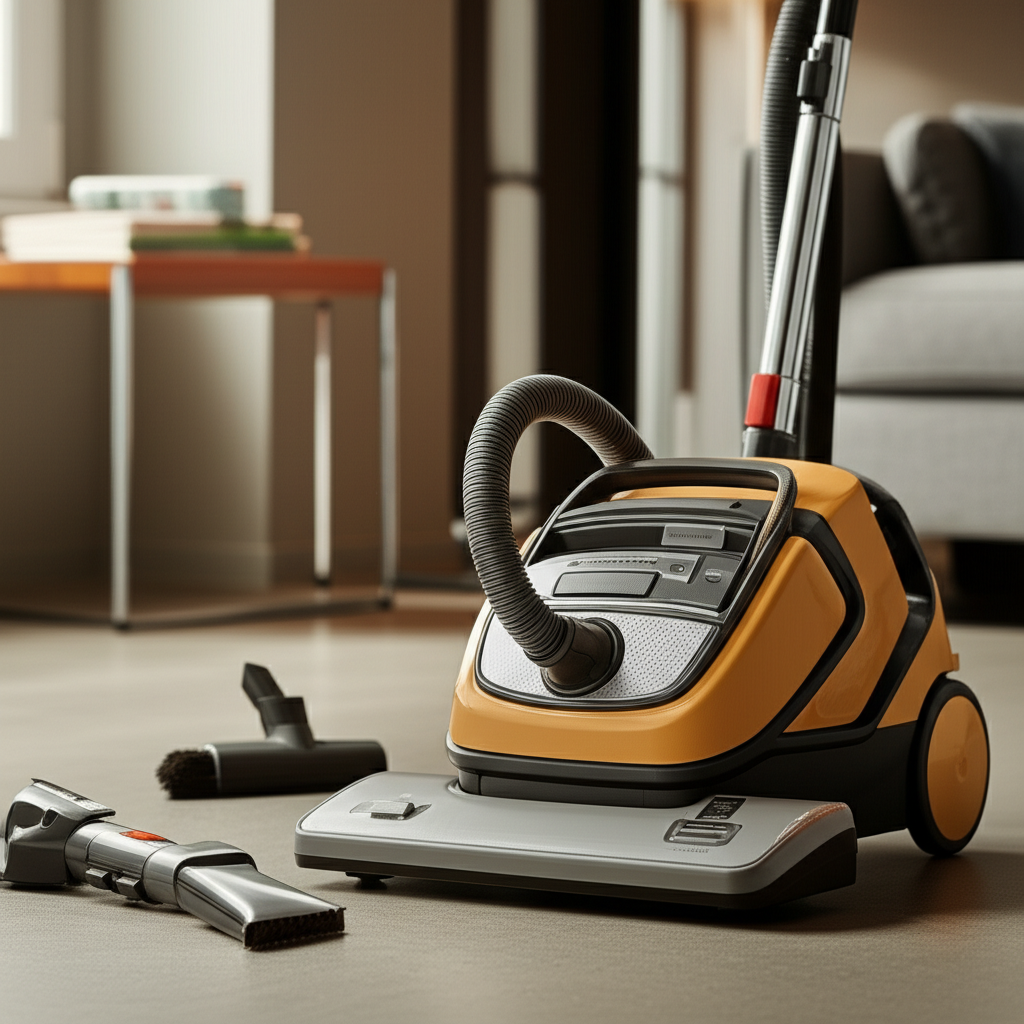
Powerful Motors: Built for sustained performance.
Durable Construction: Often made with metal parts.
Large Dust Capacity: Less frequent emptying.
Effective Filtration: Trapped dust and allergens well.
Thoughtful Attachments: For various cleaning tasks.
These features combined to create a superior cleaning experience compared to earlier models. They set a high standard for what a vacuum cleaner could achieve.
Top Brands and Models from the 1980s
The 1980s saw several iconic vacuum cleaner brands shine. Companies like Hoover, Eureka, and Kirby were household names. Each offered models known for their reliability and cleaning prowess. Many of these machines are still found in homes or available on the used market. Finding an 80s vacuum cleaner from a reputable brand often means getting a well-made appliance.
Notable 80s Vacuum Cleaner Brands and Their Strengths
| Brand | Known For | Common Features in 80s Models |
| :—— | :——————————————– | :—————————————- |
| Hoover | Wide availability, good all-around performance | Powerful suction, durable build |
| Eureka | Affordable, reliable | Lightweight options, easy to use |
| Kirby | High-end, powerful, versatile | Deep cleaning capabilities, many attachments |
| Rainbow | Excellent filtration, deep cleaning | Multi-stage water filtration system |
These brands focused on delivering consistent results. They understood the core needs of homeowners for effective cleaning.
Understanding 80s Vacuum Cleaner Technology
The technology in 80s vacuum cleaners was focused on core functionality. Motors were designed for strong, consistent suction. Filtration systems, while not as advanced as today’s HEPA filters, were still effective for their time. Many models used a bag system to contain dirt and dust. This technology was robust and built for longevity.
Motor Power and Suction Strength
The motors in 80s vacuum cleaners were often over-engineered. This meant they could deliver significant suction power. This strong suction was crucial for picking up dirt from carpets and floors. It’s a key reason why many of these machines are still effective today.
Filtration Systems of the Era
While not always labeled as “HEPA,” 80s vacuum cleaners had effective filtration. They used layered bags and internal filters to trap debris. This helped improve indoor air quality to a degree. For many homes, this was sufficient for everyday cleaning needs.
The Versatility of 80s Vacuum Cleaner Attachments
80s vacuum cleaners came with a range of attachments. These tools were designed to tackle different cleaning challenges. You could find crevice tools for tight spaces. Upholstery tools helped clean furniture. Brush attachments were great for dusting surfaces. This versatility made the 80s vacuum cleaner a true all-in-one cleaning solution.
Common Attachments and Their Uses
Crevice Tool: For narrow gaps and corners.
Upholstery Tool: For furniture and fabric surfaces.
Dusting Brush: For delicate items and surfaces.
Extension Wand: To reach high or low areas.
These attachments expanded the functionality of the main vacuum unit. They allowed for a more thorough clean of the entire home.
Maintenance and Repair of Vintage Vacuums
Maintaining an 80s vacuum cleaner is often straightforward. Regular emptying of the dust bag is key. Checking and replacing filters as needed also helps. Belts can wear out and need occasional replacement. Many parts are still available, or repairs can be done by a local appliance shop. This ease of maintenance is a major advantage.
Simple Maintenance Steps
1. Empty the Dust Bag: Do this regularly to maintain suction.
2. Clean or Replace Filters: Follow the manufacturer’s recommendations.
3. Check the Brush Roll: Remove tangled hair or debris.
4. Inspect the Belt: Replace if it looks worn or broken.
Keeping your 80s vacuum cleaner well-maintained ensures it runs efficiently. It also extends its already impressive lifespan.
Are 80s Vacuum Cleaners Still Available?
Yes, you can still find 80s vacuum cleaners. Many are available through online marketplaces like eBay or Facebook Marketplace. Local antique shops or flea markets might also have them. Sometimes, people sell them at garage sales. When looking for one, inspect it carefully for signs of wear.
Where to Find an 80s Vacuum Cleaner
Online Auction Sites: eBay is a popular choice.
Second-Hand Marketplaces: Facebook Marketplace, Craigslist.
Garage Sales & Flea Markets: Local finds can be treasures.
Appliance Repair Shops: Sometimes they sell refurbished units.
Finding a working 80s vacuum cleaner can take some searching. Patience often pays off with these durable machines.
Pros and Cons of Owning an 80s Vacuum Cleaner
Owning an 80s vacuum cleaner has its benefits and drawbacks. Their durability and powerful suction are huge pluses. However, they can be heavier and noisier than modern units. They may also lack some of the advanced features found in newer models. Weighing these factors is important.
Advantages
Exceptional Durability: Built to last for decades.
Powerful Suction: Excellent cleaning performance.
Repairability: Easier to fix than many modern vacuums.
Cost-Effective: Often available at low prices.
Disadvantages
Weight: Can be heavier and harder to maneuver.
Noise Level: Often louder than current models.
Limited Features: May lack HEPA filtration or smart technology.
* Bagged System: Requires purchasing replacement bags.
The choice depends on your priorities for cleaning and convenience. An 80s vacuum cleaner offers a different kind of value.
Comparing 80s Vacuums to Modern Models
Modern vacuum cleaners often boast lighter designs and advanced features like HEPA filters and cordless operation. They are typically quieter and more energy-efficient. However, the robust build quality and raw power of many 80s vacuum cleaners are hard to match. Many modern vacuums are designed for planned obsolescence, meaning they may not last as long. An 80s vacuum cleaner prioritizes longevity.
Key Differences
| Feature | 80s Vacuum Cleaner | Modern Vacuum Cleaner |
| :—————- | :—————————– | :——————————- |
| Build Quality | Very Durable, often metal | Lighter, more plastic |
| Suction Power | Consistently High | Varies, can be very strong |
| Noise | Often Louder | Generally Quieter |
| Filtration | Good for the era, bag-based | Advanced (HEPA), bagless options |
| Features | Basic, effective | Smart tech, cordless, bagless |
| Lifespan | Decades | Varies, often shorter |
While modern vacuums offer convenience, the 80s vacuum cleaner provides a different kind of satisfaction. It’s the satisfaction of owning a tool built for serious work.
Frequently Asked Questions About 80s Vacuum Cleaners
Are 80s vacuum cleaners better than new ones?
They are often more durable and powerful, but newer models have advanced features and better energy efficiency. It depends on what you value most.
Can I still find parts for an 80s vacuum cleaner?
Yes, for many popular brands and models, replacement parts like belts and bags are still available online. Some repair shops may also stock older parts.
Are 80s vacuum cleaners heavy?
Many 80s models are heavier than modern vacuums due to their robust construction and metal components. This can make them harder to carry upstairs.
How do I maintain an 80s vacuum cleaner?
Regularly empty the dust bag, clean or replace filters, and check the brush roll and belt for wear. Keep the intake clear of blockages.
Are 80s vacuum cleaners noisy?
Generally, yes. The powerful motors in 80s vacuum cleaners often produce more noise than their modern counterparts.
What is the best 80s vacuum cleaner brand?
Brands like Hoover, Eureka, and Kirby were highly regarded. The “best” often depends on specific model features and personal preference.
Are 80s vacuum cleaners good for allergies?
While they had decent filtration for their time, they typically lack the HEPA filters found in modern vacuums, which are better for severe allergies.
Conclusion: The Enduring Legacy of the 80s Vacuum Cleaner
The 80s vacuum cleaner stands as a testament to robust engineering and effective design. These machines were built to tackle tough cleaning jobs and have proven their longevity. While they may lack the flashy features of today’s models, their powerful suction and durable construction remain highly desirable. If you appreciate a tool that gets the job done reliably, an 80s vacuum cleaner is an excellent, essential choice. Consider exploring these vintage powerhouses for a truly effective clean.