
Best Mops for Vinyl Plank Flooring: Effortless Shine

Discover the best mops for vinyl plank flooring to achieve an effortless shine. This guide covers top picks, cleaning tips, and what to avoid, ensuring your floors look their best without damage.
Vinyl plank flooring is a popular choice for many homes. It looks great and is quite durable. However, keeping it clean and shiny can sometimes feel like a chore. You might worry about using the wrong cleaning tools. Water can seep into seams, and harsh chemicals can dull the finish. The good news is that with the right mop, cleaning vinyl plank floors becomes simple and effective. We’ll guide you through finding the perfect mop to make your floors gleam.
Why Choosing the Right Mop Matters for Vinyl Plank Flooring
Selecting the correct mop is crucial for maintaining the beauty and longevity of your vinyl plank floors. Unlike some other flooring types, vinyl plank can be sensitive to excessive moisture and abrasive cleaning. Using a mop designed for this material prevents water damage, scratches, and dulling of the protective wear layer. This ensures your floors remain vibrant and protected for years to come.
What Makes a Mop “Best” for Vinyl Plank Floors?
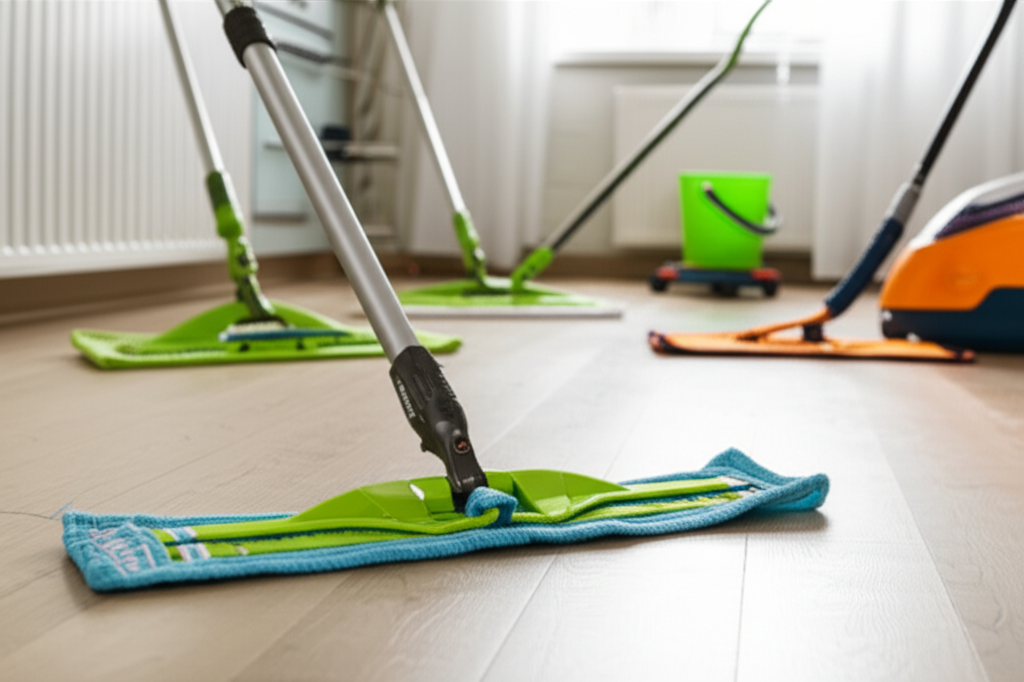
The best mops for vinyl plank flooring are those that offer controlled moisture, effective dirt pickup, and gentle cleaning action. They should have soft, absorbent pads that won’t scratch the surface. Features like adjustable water spray or a wringing mechanism help manage moisture levels. Lightweight designs also make them easier to maneuver around furniture.
Top-Rated Mops for Vinyl Plank Floors in 2024
After thorough research and considering user feedback, several mops stand out for their performance on vinyl plank flooring. These options balance effectiveness with gentleness, ensuring a spotless and streak-free finish. We’ve identified models that excel in ease of use, durability, and cleaning power.
1. Microfiber Flat Mops: The All-Around Champion
Microfiber flat mops are incredibly popular for a reason. Their flat head covers a large area, and the microfiber material is excellent at trapping dirt and dust. They use very little water, which is ideal for vinyl plank floors. You can easily find replacement pads, and they are generally very affordable.
This type of mop is excellent for daily cleaning. The fine fibers grab onto grime without pushing it around. They also dry quickly, reducing the risk of water damage to your vinyl planks.
2. Spray Mops: For Quick, Targeted Cleaning
Spray mops offer convenience for quick cleanups. They have a built-in reservoir for your cleaning solution and a trigger to spray a fine mist. This allows you to control exactly how much liquid you use. Many spray mops come with reusable microfiber pads, making them an eco-friendly choice.
A spray mop is perfect for spills or high-traffic areas. You can use a simple water-vinegar solution or a cleaner specifically made for vinyl floors. The targeted spray means less water overall.
3. Steam Mops (with Caution): For Deep Sanitization
Steam mops can sanitize your floors without chemicals, which is appealing. However, they must be used with extreme care on vinyl plank flooring. Always check the manufacturer’s recommendations. Excessive heat and moisture can damage the adhesive or the planks themselves.
If you choose a steam mop, ensure it has a low-steam setting and a microfiber pad. Never let the steam linger in one spot. This method is best for occasional deep cleaning, not everyday use.
4. Spin Mops: With a Smart Wringing System
Spin mops are known for their effective wringing system. You place the mop head into a bucket with a spinner, and it removes excess water. This gives you great control over moisture levels. Many spin mop buckets also have a foot pedal for easy spinning.
The ability to control water is key for vinyl plank floors. A well-wrung-out spin mop head will be damp, not soaking wet. This minimizes the risk of water damage.
5. Bucketless Mops: The Modern Approach
Bucketless mops, often combined with spray functions, eliminate the need for a separate bucket. They are self-contained and ready to use. This makes them very convenient for smaller spaces or quick touch-ups.
These mops are designed for efficiency. You fill the handle with your chosen cleaning solution. Then, you simply spray and mop. They are lightweight and easy to store.
Key Features to Look For in a Vinyl Plank Floor Mop
When shopping for the best mops for vinyl plank flooring, focus on specific features. These will ensure your mop is effective and safe for your floors. Think about how the mop cleans and how much water it uses.
Moisture Control is Paramount
Vinyl plank flooring can be damaged by too much water. Look for mops that allow you to control moisture levels. This includes spray mops, well-designed spin mops, and flat mops that can be wrung out effectively. Excessive water can seep into seams and cause swelling or lifting.
Soft, Absorbent Cleaning Pads
The mop head material is very important. Microfiber pads are ideal. They are soft, absorbent, and excellent at capturing dirt and debris without scratching. Ensure the pads are machine washable for easy cleaning.
Lightweight and Maneuverable Design
You’ll be moving the mop around furniture and into corners. A lightweight mop makes this task much easier. A swivel head is also a great feature. It allows you to reach tight spots and navigate around obstacles effortlessly.
Durability and Build Quality
A good mop should last a long time. Look for mops made from sturdy materials. Aluminum or strong plastic frames are usually good indicators of quality. Check reviews for comments on how well the mop holds up over time.
Best Mops for Vinyl Plank Flooring: Our Top Picks
Here are some of the best mops for vinyl plank flooring, based on features and user reviews. These will help you achieve that effortless shine.
| Mop Type | Brand Example | Key Features | Best For |
| :—————- | :——————- | :———————————————– | :—————————– |
| Microfiber Flat | O-Cedar EasyWring | Triangular head, reusable pads, effective wringer | Daily cleaning, dust, grime |
| Spray Mop | Bona Hardwood Floor Mop | Built-in spray, refillable cartridge, gentle cleaner | Quick spills, spot cleaning |
| Spin Mop | O-Cedar ProMist MAX | Dual-chamber bucket, easy wringing, maneuverable | Controlled moisture, deep clean |
| Steam Mop (Use Cautiously) | Bissell PowerFresh | High-heat sanitization, adjustable steam | Occasional deep sanitizing |
O-Cedar EasyWring Microfiber Mop
The O-Cedar EasyWring mop is a fan favorite. Its microfiber head is great for trapping dirt. The bucket has a built-in wringer that lets you control how wet the mop gets. This is perfect for vinyl plank floors. It’s also very budget-friendly.
This mop is a great all-around choice. It cleans effectively without leaving too much water behind. The triangular head helps you reach corners easily.
Bona Hardwood Floor Mop
While named for hardwood, the Bona mop is excellent for vinyl plank too. It comes with a pH-neutral cleaner that is safe for vinyl. The spray function lets you control moisture. It’s easy to use and leaves floors looking clean and streak-free.
The gentle cleaning solution is a big plus. It won’t damage the wear layer of your vinyl planks. This makes it a reliable option for maintaining shine.
O-Cedar ProMist MAX Spray Mop
This spray mop is another excellent choice for vinyl. It features a dual-chamber bucket. One side holds clean water, and the other holds dirty water. This keeps your cleaning water cleaner for longer. The spray nozzle is also very effective.
The dual-chamber system helps prevent re-soiling. You’re always mopping with cleaner water. This leads to a better overall clean for your vinyl floors.
How to Clean Vinyl Plank Flooring Effectively
Cleaning your vinyl plank floors properly ensures they stay looking new. It’s not complicated, but a few tips make a big difference. Always start with dry cleaning to remove loose debris.
Step 1: Sweep or Vacuum First
Before you introduce any liquid, sweep or vacuum your floors. This removes dust, dirt, and grit. Using a vacuum with a soft brush attachment or a hard floor setting is best. This prevents scratching the vinyl surface.
Removing loose debris ensures your mop doesn’t just push dirt around. It also prevents grit from scratching the floor when you start mopping.
Step 2: Prepare Your Cleaning Solution
For most vinyl plank floors, a simple solution works best. Mix a gallon of warm water with a few drops of mild dish soap or a cup of white vinegar. Avoid abrasive cleaners or anything with ammonia. Always check your flooring manufacturer’s recommendations.
Using the right cleaner is vital for protecting your vinyl. Harsh chemicals can break down the finish over time. A simple, pH-neutral solution is usually safest.
Step 3: Mop with Minimal Moisture
Damp mop your floors. Wring out your mop thoroughly so it’s just damp, not wet. Work in sections, overlapping slightly. Avoid letting water pool on the floor.
The key is to use as little water as possible. This protects the seams of your vinyl planks from moisture damage.
Step 4: Allow Floors to Air Dry
Let your vinyl plank floors air dry completely. This usually takes only a few minutes. Do not walk on the floors until they are fully dry. This prevents streaks and water spots.
Quick drying is another benefit of using minimal moisture. It also means you can get back to enjoying your clean floors faster.
What to Avoid When Mopping Vinyl Plank Floors
Certain cleaning methods and products can damage your vinyl plank flooring. Knowing what to avoid is just as important as knowing what to use. This will save you from costly repairs.
Avoid Excessive Water
As mentioned, too much water is the enemy of vinyl plank flooring. It can seep into the seams, causing the planks to swell, warp, or even lift. Always use a well-wrung-out mop.
Excess water can compromise the adhesive and the integrity of the planks. It’s better to be conservative with moisture.
Avoid Harsh Chemicals and Abrasives
Strong cleaners, ammonia-based products, and abrasive scrubbing pads can strip the wear layer off your vinyl planks. This can dull the finish and make the floor look worn out. Always opt for gentle, pH-neutral cleaners.
These harsh products can permanently damage the protective coating. Stick to mild solutions for the best results.
Avoid Steam Mops (Unless Manufacturer Approved)
While steam mops sanitize effectively, their high heat and moisture can be detrimental to vinyl plank flooring. The heat can soften the adhesive, and excessive moisture can cause damage. Always consult your flooring manufacturer’s guide before using a steam mop.
Some manufacturers explicitly advise against steam cleaning. Always err on the side of caution.
Avoid Wax-Based Cleaners
Wax-based cleaners can build up on vinyl plank floors over time. This creates a slippery surface and makes the floor difficult to clean properly. It can also leave a dull residue.
Wax buildup is hard to remove and can ruin the appearance of your vinyl. Stick to water-based cleaners.
Frequently Asked Questions About Mopping Vinyl Plank Floors
Here are some common questions people have about cleaning vinyl plank floors.
Can I use a Swiffer WetJet on vinyl plank floors?
Yes, many Swiffer WetJets are safe for vinyl plank floors. They use a fine mist and a cleaning pad, which controls moisture well. Always check the specific Swiffer solution to ensure it’s safe for vinyl.
How often should I mop vinyl plank floors?
You should sweep or vacuum your vinyl plank floors daily or every other day. Mopping can be done weekly or as needed, depending on traffic and spills. Spot clean spills immediately.
Can I use a regular mop and bucket on vinyl plank floors?
A traditional mop and bucket can be used, but you must wring it out extremely well. The mop head should be damp, not soaking wet. A spin mop or a well-wrung-out microfiber mop is a safer bet.
What is the best DIY cleaner for vinyl plank floors?
A simple DIY cleaner can be made by mixing one cup of white vinegar with a gallon of warm water. You can also use a few drops of mild dish soap in warm water. Always test in an inconspicuous area first.
Can I use a steam mop on my LVP (Luxury Vinyl Plank) flooring?
It depends on the LVP manufacturer. Many advise against steam mops due to heat and moisture. Always check your flooring’s warranty and care instructions. If using one, select a low-steam setting and move quickly.
Conclusion: Effortless Shine for Your Vinyl Plank Floors
Keeping your vinyl plank floors clean and shiny doesn’t have to be difficult. By choosing the right tools, like a microfiber flat mop or a controlled spray mop, you can easily maintain their beauty. Remember to always sweep first, use minimal moisture, and opt for gentle cleaning solutions. Avoiding excessive water and harsh chemicals will protect your investment. With these simple tips and the best mops for vinyl plank flooring, you’ll achieve a brilliant, effortless shine that lasts.
We hope this guide helps you find the perfect mop. For more home cleaning tips, follow us on [Your Social Media Link Here]!
