
90s Vacuum Cleaner: Essential Guide

This guide helps you understand and appreciate 90s vacuum cleaners. Learn about their unique features, why they were popular, and how they compare to modern models. Find out if a classic 90s vacuum cleaner is right for you.
The 90s vacuum cleaner might seem like a relic, but many homes still rely on these sturdy machines. You might be wondering what made them special or if they’re still worth considering. Perhaps your old 90s vacuum cleaner is still chugging along, or you’re curious about the technology of the past. This guide will walk you through everything you need to know about these iconic appliances. We’ll explore their design, performance, and lasting appeal, making it easy to understand their place in home cleaning history.
The Rise of the 90s Vacuum Cleaner: What Made Them Stand Out?
The 90s vacuum cleaner represented a peak in durability and straightforward functionality. These machines were built to last, often featuring robust plastic casings and powerful, no-nonsense motors. They focused on core cleaning tasks without the complex digital interfaces seen today. This era also saw a greater emphasis on user-friendly designs, with more ergonomic handles and easier-to-empty bags or canisters.
Many 90s vacuums were designed with specific cleaning needs in mind, offering versatile attachments for different surfaces. They prioritized suction power and effective filtration, ensuring a thorough clean. The simplicity of their operation made them accessible to everyone.
Iconic Brands and Models of the Era
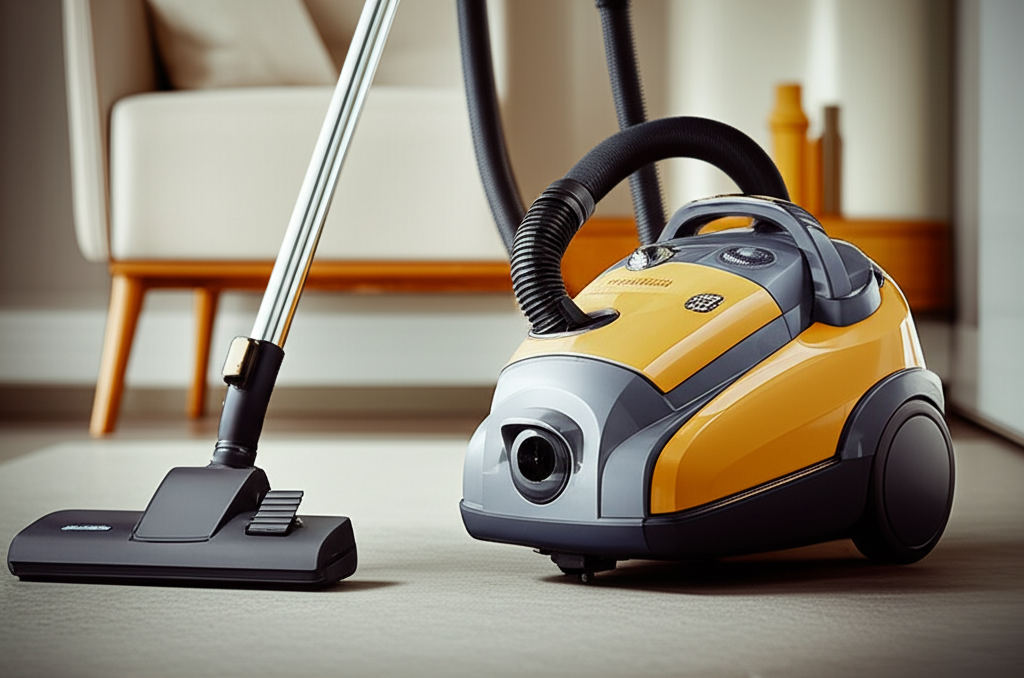
The 1990s were home to several enduring vacuum cleaner brands that produced memorable models. Companies like Hoover, Eureka, and Dirt Devil were household names. Their upright and canister vacuums were staples in homes across the country.
Remember the classic Hoover WindTunnel or the powerful Eureka Boss? These were not just appliances; they were workhorses. Many of these models are still in use today, a testament to their solid construction.
Key Features That Defined 90s Vacuums
What made a 90s vacuum cleaner so distinct? Think powerful suction and simple controls. Many featured bag systems that, while sometimes messy, offered good filtration. Edge-cleaning capabilities were often a highlight, allowing for cleaning close to baseboards.
Some models offered adjustable height settings for different carpet types. The focus was on mechanical effectiveness rather than smart technology. This meant fewer parts to break and a generally longer lifespan.
Design and Durability: Built to Last
The design philosophy of the 90s vacuum cleaner was all about robustness. Manufacturers used strong plastics and metal components. This meant they could withstand years of regular use without much fuss.
These vacuums were not designed for obsolescence. They were built as long-term investments for the home. This focus on durability is a key reason why many 90s models are still functional today.
Materials and Construction
You’ll often find thicker plastic shells and sturdy metal parts in 90s vacuums. The motors were typically powerful and designed for longevity. They didn’t rely on lightweight, easily breakable components.
This solid construction meant they were heavier than many modern counterparts. However, this weight contributed to their stability and the feeling of robust performance. It was a trade-off for superior build quality.
Ergonomics and User Experience
While not as sleek as today’s models, 90s vacuums often had practical ergonomic features. Handles were designed for a comfortable grip during extended cleaning sessions. Controls were usually simple switches or levers, easy to understand and operate.
Bag changes were a common maintenance task. While not always the cleanest job, the bags themselves often provided good dust containment. The overall user experience was focused on getting the job done efficiently.
Performance and Suction Power: The Core of Cleaning
When it comes to cleaning power, 90s vacuum cleaners did not hold back. They were engineered for strong, consistent suction. This allowed them to pick up dirt, dust, and debris effectively from carpets and hard floors.
The motors were often larger and more powerful than those found in some lighter modern units. This translated into a deep clean that many users still appreciate. They were true workhorses for tackling household messes.
Suction Strength and Motor Technology
The motors in these vacuums were designed for raw power. They pushed a lot of air, creating strong suction. This was crucial for lifting embedded dirt from carpet fibers.
While not always the most energy-efficient by today’s standards, their motors delivered reliable performance. They were built for demanding tasks and frequent use. This focus on motor strength was a defining characteristic.
Filtration Systems: What Did They Offer?
Most 90s vacuum cleaners used disposable or reusable dust bags. These bags served as the primary filtration system. They captured dust and allergens, preventing them from recirculating into the air.
While not as advanced as HEPA filters found in many modern vacuums, these bag systems were effective for their time. They provided a decent level of air purification for the average home. Some higher-end models might have included basic post-motor filters.
Attachments and Versatility: Tackling Every Nook and Cranny
The versatility of a 90s vacuum cleaner often came from its attachments. Crevice tools, upholstery brushes, and extension wands were common. These allowed users to clean more than just floors.
You could reach high corners, clean furniture, and get into tight spaces. This made them a complete cleaning solution for many households. They were designed to handle a variety of cleaning challenges.
Common Accessories and Their Uses
Crevice Tool: Perfect for narrow gaps, like between sofa cushions or along baseboards.
Upholstery Brush: Gently cleans fabric surfaces like curtains, furniture, and car interiors.
Dusting Brush: Features soft bristles to whisk away dust from delicate surfaces like lampshades or blinds.
Extension Wand: Adds reach for cleaning high areas or under furniture.
These tools extended the reach and effectiveness of the main vacuum unit. They were essential for a thorough home clean.
Adapting to Different Surfaces
Many 90s vacuums offered adjustable brush rolls or suction settings. This allowed them to transition between carpeted areas and hard floors. You could often turn the brush roll off for delicate hardwood or laminate.
This adaptability made them a practical choice for homes with mixed flooring. They provided a good balance of performance across different surfaces. This thoughtful design made cleaning more efficient.
Maintenance and Longevity: Keeping Your 90s Vacuum Running
Maintaining your 90s vacuum cleaner is key to its long life. Simple tasks can prevent major issues. Regularly emptying the dust bag and cleaning the filters are crucial.
Checking for blockages in the hose or brush roll also helps maintain optimal suction. A little care goes a long way with these robust machines. They are designed to be repaired, not replaced.
Simple Maintenance Steps
1. Empty the Dust Bag: Replace or empty the bag when it’s about two-thirds full. This ensures consistent suction.
2. Clean or Replace Filters: Check the pre-motor and post-motor filters regularly. Wash reusable ones or replace disposable ones as needed.
3. Inspect the Brush Roll: Remove any tangled hair, threads, or debris from the brush roll.
4. Check the Hose and Wand: Look for any obstructions that might be reducing airflow.
Following these steps will keep your 90s vacuum cleaner performing its best. It’s a straightforward process that extends the life of the appliance significantly.
Troubleshooting Common Issues
If suction decreases, the first things to check are the dust bag and any blockages. A clogged hose or brush roll is a frequent culprit. If the motor sounds strained, it might be overheating due to poor airflow.
For persistent problems, consulting the original manual can be helpful. Many issues are easily resolved with basic maintenance. These vacuums are often more repairable than complex modern ones.
90s Vacuum Cleaners vs. Modern Alternatives: A Comparison
The biggest difference between a 90s vacuum cleaner and a modern one lies in technology and features. Today’s vacuums often boast lighter designs, advanced HEPA filtration, and smart capabilities. They might also be quieter and more energy-efficient.
However, 90s models often win in terms of raw power and sheer durability. Their simpler mechanical designs mean fewer electronic components that can fail. This makes them a reliable choice for core cleaning tasks.
Pros and Cons: A Snapshot
| Feature | 90s Vacuum Cleaner | Modern Vacuum Cleaner |
| :————— | :—————————————— | :——————————————— |
| Durability | Excellent; built to last | Varies; some are less robust |
| Suction Power| Generally very strong | Can be strong, but varies by model |
| Filtration | Bag-based, effective for its time | Often HEPA, superior allergen capture |
| Weight | Heavier, more robust feel | Lighter, easier to maneuver |
| Technology | Simple, mechanical | Advanced, smart features, digital interfaces |
| Noise | Can be louder | Often quieter |
| Energy Use | Can be higher | Generally more energy-efficient |
| Maintenance | Straightforward, fewer complex parts | Can be more complex with advanced parts |
| Cost (Used) | Very affordable | Varies widely |
This table highlights that the “better” vacuum depends on your priorities. If you value long-term reliability and raw power, a 90s vacuum cleaner might be appealing. For cutting-edge features and lighter weight, modern options are often preferred.
The Appeal of Simplicity
There’s a certain charm to the straightforward operation of a 90s vacuum cleaner. No apps, no complicated settings, just plug it in and go. This simplicity appeals to many who prefer a no-fuss approach to cleaning.
It’s a return to basics, focusing on the essential task of removing dirt. This can be a refreshing change from the complexity of some contemporary appliances. The reliability of a simple machine is a significant draw.
Are 90s Vacuum Cleaners Still Worth Buying?
For specific needs, a 90s vacuum cleaner can absolutely still be worth buying. If you find a well-maintained model at a good price, it can offer incredible value. They are excellent for deep cleaning carpets and handling tough jobs.
Their durability means they can serve you for many more years. If you prioritize power and longevity over the latest features, a classic 90s vacuum cleaner is a smart choice. You can often find them at thrift stores or online marketplaces for a fraction of their original cost.
Finding a Quality Used Model
When looking for a used 90s vacuum cleaner, inspect it carefully. Check for any cracks in the casing, ensure the motor runs smoothly, and test the suction. Ask about its maintenance history if possible.
Brands like Hoover, Eureka, and Kirby often produced very durable machines. A little research into specific models from the 90s can help you identify the best ones. Many of these are still considered excellent performers.
When a Modern Vacuum Might Be Better
If you have severe allergies, a modern vacuum with a true HEPA filter might be a better investment. Lighter weight and advanced maneuverability are also benefits of newer models, especially for those with mobility issues.
Features like cordless operation or specialized pet hair tools are also advantages of contemporary vacuums. Consider your specific cleaning challenges and personal preferences. The best vacuum is the one that best suits your home and lifestyle.
The Enduring Legacy of the 90s Vacuum Cleaner
The 90s vacuum cleaner era left an indelible mark on home cleaning. These machines combined power, durability, and straightforward functionality. They were built to tackle household chores effectively for years on end.
While technology has advanced, the core principles of good suction and robust construction remain relevant. The legacy of the 90s vacuum cleaner is one of reliability and effective cleaning. Many still operate today, proving their lasting quality.
A Testament to Quality Engineering
These appliances were a testament to quality engineering. They were designed with longevity in mind, using materials and methods that ensured they could withstand heavy use. This focus on build quality is something many consumers miss today.
The 90s vacuum cleaner is more than just an old appliance; it’s a symbol of a time when products were often made to last. This makes them a fascinating subject for anyone interested in home appliances.
Frequently Asked Questions About 90s Vacuum Cleaners
Q1: Are 90s vacuum cleaners still good for cleaning?
Yes, many 90s vacuum cleaners offer excellent suction power and durability. They can still be very effective for general cleaning tasks and deep carpet cleaning.
Q2: What makes a 90s vacuum cleaner different from newer models?
90s vacuums typically have simpler, more mechanical designs with powerful motors. Newer models often feature lighter materials, advanced HEPA filtration, smart technology, and energy efficiency.
Q3: Where can I find a 90s vacuum cleaner today?
You can often find them at thrift stores, garage sales, online marketplaces like eBay or Facebook Marketplace, or from individuals selling used appliances.
Q4: How do I maintain a 90s vacuum cleaner?
Regular maintenance includes emptying or replacing the dust bag, cleaning or replacing filters, and removing debris from the brush roll and hose.
Q5: Are 90s vacuum cleaners noisy?
Generally, 90s vacuum cleaners can be louder than many modern models due to their powerful, less insulated motors.
Q6: What are the best brands for durable 90s vacuum cleaners?
Brands like Hoover, Eureka, Kirby, and Miele were known for producing very durable and powerful vacuum cleaners during the 1990s.
Conclusion: The Enduring Power of the 90s Vacuum Cleaner
In summary, the 90s vacuum cleaner remains a powerful and reliable tool for home cleaning. Its robust construction, strong suction, and simple operation are qualities that many still seek. While modern vacuums offer advanced features and lighter designs, the classic 90s vacuum cleaner stands as a testament to enduring quality and effective performance. If you’re looking for a no-nonsense, durable cleaning companion, a well-maintained 90s vacuum cleaner is an excellent option that can serve you for years to come.
