What Type of Air Purifier Is Best For COVID: Essential Guide

The best air purifier for COVID uses HEPA filtration to capture tiny virus particles. Look for CADR ratings suitable for your room size and consider activated carbon for odors. Multi-stage filtration and a low noise level are also important for effective and comfortable use.
There’s a lot of worry about COVID-19 in the air. You might be wondering how to make your home safer. It’s a common concern for many families. We all want to breathe cleaner air, especially with viruses around. This guide will help you understand which air purifier is best for COVID. We’ll break down the important features so you can choose wisely. You’ll learn what to look for and why it matters.
Why Air Purifiers Matter for COVID-19
Air purifiers help clean the air inside your home. They work by pulling air through filters. These filters trap tiny particles, including dust, pollen, and even viruses. Viruses like COVID-19 can travel through the air in tiny droplets. An air purifier can help reduce the amount of these virus particles in a room. This can add an extra layer of protection for you and your family.
The U.S. Environmental Protection Agency (EPA) explains that air cleaners can help reduce airborne contaminants. They are a useful tool, especially when combined with other prevention methods. This means they are not a replacement for washing hands or social distancing, but a helpful addition.
Understanding Air Purifier Technologies
Air purifiers use different technologies to clean the air. The most important one for viruses is High-Efficiency Particulate Air (HEPA) filtration. HEPA filters are designed to capture at least 99.97% of particles that are 0.3 microns in size. Viruses, including SARS-CoV-2 (the virus that causes COVID-19), are often in this size range or attached to larger droplets. Other technologies include activated carbon filters, UV-C light, and ionizers.
Activated carbon filters are great for removing odors and gases. UV-C light can help kill germs. Ionizers release charged ions that can help particles clump together. However, HEPA filters are the most critical component for capturing virus particles.
HEPA Filters: The Gold Standard for COVID
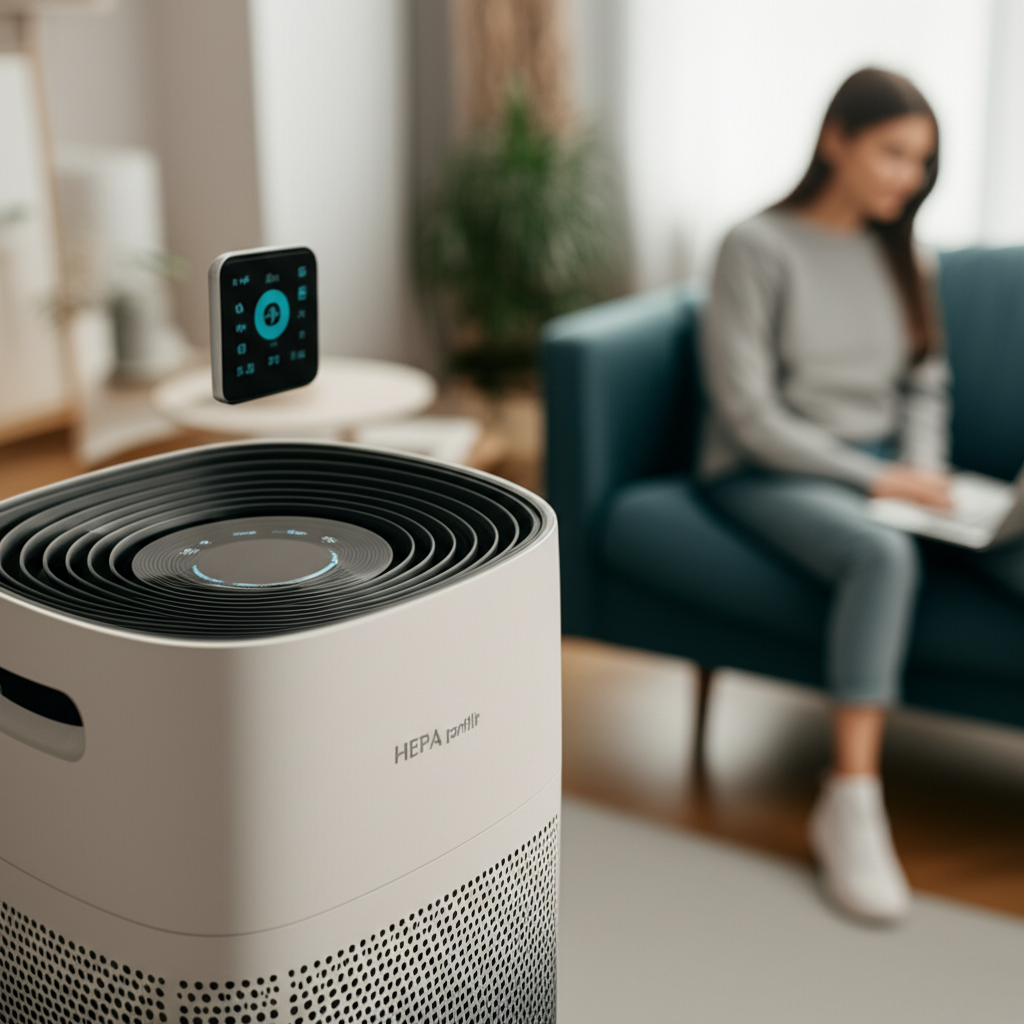
HEPA filters are the most effective type of filter for capturing airborne particles, including virus-sized ones. They are a dense mesh that physically traps contaminants. For dealing with COVID-19, a true HEPA filter is essential. Make sure the air purifier you choose specifically states it has a “True HEPA” filter.
Some purifiers might claim “HEPA-like” or “HEPA-type” filters. These are not as effective as True HEPA filters. They may not capture the smallest particles that can carry viruses. Always look for the “True HEPA” certification for the best protection.
Activated Carbon for Odors and Gases
While HEPA filters tackle particles, activated carbon filters handle gases and odors. COVID-19 itself doesn’t have a strong smell, but a good air purifier can make your home smell fresher. Activated carbon filters use charcoal that has been treated to be very porous. This porous surface traps volatile organic compounds (VOCs), smoke, and other gases.
If someone in your household is sick and there are strong odors, an activated carbon filter can help. It also removes common household smells like cooking odors or pet smells. This makes your living space more comfortable.
CADR: How Fast It Cleans
CADR stands for Clean Air Delivery Rate. This rating tells you how quickly an air purifier can clean the air in a room. There are separate CADR ratings for dust, pollen, and smoke. A higher CADR means the purifier works faster and is more effective for larger rooms.
When choosing an air purifier for COVID, you want a CADR that matches your room size. A good rule of thumb is to pick a purifier with a CADR that is at least two-thirds of the room’s square footage. For example, for a 150-square-foot room, look for a CADR of at least 100. This ensures it can effectively clean the air in that space.
What Type of Air Purifier Is Best For COVID: Key Features to Look For
When selecting an air purifier to help combat COVID-19, several features are crucial. You need a robust filtration system, appropriate room coverage, and user-friendly operation. Prioritizing these aspects will ensure you get the most effective device for your needs. Consider your budget and any specific sensitivities you or your family members may have.
Here’s a breakdown of essential features:
True HEPA Filter: Absolutely non-negotiable for capturing virus particles.
High CADR: Ensure it matches or exceeds your room size for efficient cleaning.
Activated Carbon Filter: Useful for removing odors and gases, improving air quality.
Low Noise Level: Important for bedrooms and living areas where quiet is preferred.
Coverage Area: Match the purifier’s stated coverage to your room dimensions.
Filter Replacement Indicator: Helps you know when to change filters for optimal performance.
* Energy Efficiency: Look for ENERGY STAR certified models to save on electricity bills.
Room Size and Placement Matters
The size of the room where you plan to use the air purifier is very important. An air purifier designed for a small bedroom won’t be effective in a large living room. Always check the manufacturer’s recommended room coverage area. This is usually listed in square feet.
For maximum effectiveness against airborne viruses like COVID-19, place the air purifier in the room where you spend the most time. This could be your bedroom, living room, or home office. Ensure the purifier has enough space around it to draw in air and release clean air freely. Avoid placing it in corners or too close to furniture.
Comparing Air Purifier Models for COVID-19
Choosing the right model can feel overwhelming. It’s helpful to compare different options based on their features and performance. Many reputable brands offer air purifiers suitable for dealing with airborne viruses. Websites like Wirecutter and Consumer Reports often test and review air purifiers, providing valuable insights.
Here’s a comparison of common air purifier types and their suitability for COVID-19:
| Feature | HEPA Air Purifier | Activated Carbon Purifier | UV-C Light Purifier | Ionizer Purifier |
| :—————- | :—————- | :———————— | :—————— | :————— |
| Particle Capture | Excellent | Poor | Moderate | Moderate |
| Virus Capture | Excellent | Poor | Moderate | Moderate |
| Odor/Gas Removal| Poor | Excellent | Poor | Poor |
| Best for COVID| Yes | No (as primary) | No (as primary) | No (as primary) |
A multi-stage filtration system, combining True HEPA and activated carbon, offers the most comprehensive solution for homes concerned about COVID-19. This approach addresses both airborne particles and common household odors.
How Air Purifiers Help Reduce COVID-19 Transmission
Air purifiers can help reduce the risk of COVID-19 transmission indoors. When an infected person coughs, sneezes, or talks, they release tiny droplets containing the virus. These droplets can remain suspended in the air for some time. An air purifier with a HEPA filter can capture these virus-laden droplets.
By continuously cleaning the air, purifiers lower the concentration of virus particles. This is especially beneficial in shared indoor spaces. While not a foolproof solution, it adds a significant layer of protection. The Centers for Disease Control and Prevention (CDC) acknowledges that ventilation and air cleaning technologies can help reduce virus transmission.
Important Considerations: Beyond the Filter
Beyond the core filtration technology, other factors contribute to an air purifier’s effectiveness and your satisfaction. Noise levels are important, especially for bedrooms or quiet workspaces. Check the decibel (dB) rating, with lower numbers being quieter. Energy consumption is another factor; look for ENERGY STAR certified models to save money and be eco-friendly.
The cost of replacement filters is also a recurring expense to consider. Some filters need replacing every 6-12 months. Factor this into your overall budget. User reviews can offer real-world insights into a purifier’s performance and reliability.
Frequently Asked Questions
Can an air purifier kill the COVID-19 virus?
While some purifiers use UV-C light to kill germs, the primary way they help with COVID-19 is by physically trapping virus particles. True HEPA filters are most effective at capturing these tiny particles from the air.
How many air changes per hour (ACH) do I need for COVID-19?
For reducing the risk of airborne viruses like COVID-19, aiming for 4-6 air changes per hour (ACH) is recommended. This means the purifier should be able to cycle all the air in the room that many times each hour.
Do I need a special air purifier for COVID-19?
You don’t necessarily need a “special” COVID-19 air purifier. However, you do need one with a True HEPA filter. This is the most critical feature for capturing virus particles. A purifier with both HEPA and activated carbon filters offers broader air cleaning benefits.
Where is the best place to put an air purifier for COVID-19?
Place the air purifier in the room where you spend the most time. This is often a bedroom or living area. Ensure it has space around it to draw in air and circulate clean air effectively. Avoid placing it in tight corners.
How long does it take for an air purifier to work against COVID-19?
An air purifier works continuously to clean the air. It starts reducing virus particle concentration as soon as it’s turned on. However, it takes time for it to significantly lower the overall number of particles in a room, especially if the room is large or has poor ventilation.
Can an air purifier alone protect me from COVID-19?
No, an air purifier is not a standalone solution for COVID-19 protection. It should be used in conjunction with other preventive measures like handwashing, vaccination, wearing masks when necessary, and good ventilation. It’s an additional layer of defense.
Conclusion: Choosing the Right Air Purifier for Cleaner Air
When deciding what type of air purifier is best for COVID, prioritize a model with a True HEPA filter. This is the most crucial component for capturing virus particles. Look for a suitable CADR rating for your room size to ensure efficient cleaning. An activated carbon filter is a valuable addition for removing odors and gases, enhancing overall air quality.
By focusing on these key features and understanding how air purifiers work, you can make an informed choice. Investing in a good air purifier provides peace of mind and contributes to a healthier indoor environment for you and your loved ones. Consider models from brands like Coway, Levoit, or Blueair for reliable performance.