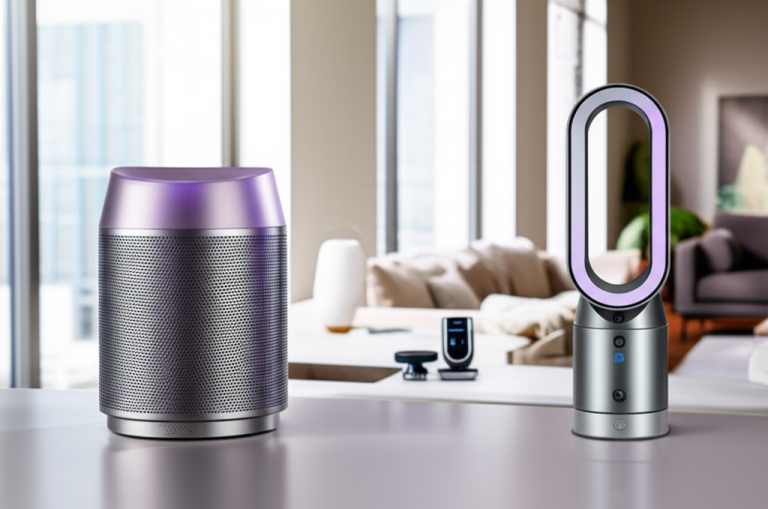
What Is The Difference Between Dehumidifier And Air Purifier: Essential Guide

A dehumidifier removes moisture from the air, while an air purifier cleans the air by removing pollutants. Understanding what is the difference between dehumidifier and air purifier helps you choose the right device for your home’s specific needs, ensuring a healthier and more comfortable living space.
In many homes, the air can feel a little “off.” Maybe it’s stuffy, or perhaps you notice condensation on windows. You might have heard about dehumidifiers and air purifiers as solutions. But what exactly do they do, and what is the difference between dehumidifier and air purifier? It’s a common question, and finding the right answer can make a big difference in your home’s comfort and health. Don’t worry, I’m here to guide you through it step-by-step. We’ll explore what each device does, how they work, and how to pick the best one for you.
What is a Dehumidifier?
A dehumidifier is a machine designed to reduce the level of humidity in the air. It pulls moisture out of the air, making the environment feel drier and more comfortable. This is especially useful in damp or humid climates, or in areas of your home prone to moisture buildup, like basements or bathrooms.
How Does a Dehumidifier Work?
Dehumidifiers typically work by drawing in moist air using a fan. Inside the unit, this air passes over cold coils. As the air cools, the water vapor in it condenses into liquid water, much like dew forming on a cold glass. This collected water then drips into a reservoir or is drained away. The drier air is then reheated slightly and released back into the room.
Key Benefits of Using a Dehumidifier
Using a dehumidifier offers several advantages for your home environment. It helps prevent the growth of mold and mildew, which thrive in moist conditions. This can also reduce musty odors and alleviate allergy symptoms triggered by mold spores. A drier home often feels cooler, potentially reducing your reliance on air conditioning.
When is a Dehumidifier Most Useful?
A dehumidifier is most useful in areas with high humidity levels. This includes humid summer months, coastal regions, or specific rooms like bathrooms, kitchens, and basements. If you notice condensation on windows, damp spots on walls, or a musty smell, a dehumidifier could be a great solution. It’s also beneficial for storing items sensitive to moisture, like books or electronics.
What is an Air Purifier?
An air purifier is a device that removes contaminants and pollutants from the air. Its main goal is to clean the air you breathe by filtering out particles like dust, pollen, pet dander, smoke, and even some microscopic organisms. This can lead to healthier indoor air quality.
How Does an Air Purifier Work?
Air purifiers use a system of filters to clean the air. Most have a fan that pulls in room air. This air then passes through one or more filters. A common type is a HEPA (High-Efficiency Particulate Air) filter, which captures at least 99.97% of airborne particles 0.3 micrometers in size. Other filters, like activated carbon, can remove odors and gases.
Key Benefits of Using an Air Purifier
The primary benefit of an air purifier is improved indoor air quality. For individuals with allergies, asthma, or other respiratory conditions, this can significantly reduce symptoms. Removing allergens like pollen and pet dander can make your home a more comfortable place to live. Purifiers also help eliminate unpleasant odors from cooking, smoke, or pets.
When is an Air Purifier Most Useful?
An air purifier is most useful in any indoor environment where air quality is a concern. This is particularly true for homes with pets, smokers, or individuals suffering from allergies or asthma. If you live in an area with high outdoor pollution, an air purifier can help keep your indoor air cleaner. It’s also beneficial for general well-being, providing fresher, cleaner air for everyone.
What is The Difference Between Dehumidifier and Air Purifier?
The core of understanding what is the difference between dehumidifier and air purifier lies in their primary function. A dehumidifier targets moisture, while an air purifier targets airborne particles and pollutants. They address different issues within your home’s air quality.
| Feature | Dehumidifier | Air Purifier |
| :————– | :———————————————– | :———————————————— |
| Primary Goal | Reduces humidity (moisture) in the air. | Removes pollutants, allergens, and odors from air. |
| Mechanism | Condenses moisture onto cold coils. | Filters air through HEPA, carbon, or other filters. |
| Output | Drier air, collected water. | Cleaner air. |
| Best For | Damp environments, mold prevention, musty odors. | Allergies, asthma, pet dander, smoke, odors. |
Addressing Moisture vs. Air Purity
Think of it this way: if your house feels damp, sticky, or you see condensation, you likely need to address moisture. This is where a dehumidifier shines. If your house has dust, smells, or triggers allergies, you need to clean the air itself. That’s the job of an air purifier. They solve distinct problems, though sometimes the effects can overlap slightly.
Can a Dehumidifier Improve Air Quality?
While a dehumidifier’s main job isn’t air purification, reducing high humidity can indirectly improve air quality. By preventing mold and mildew growth, it stops the release of these allergens into the air. A drier environment is less hospitable to dust mites as well. However, it does not filter out existing dust, pollen, or smoke particles.
Can an Air Purifier Reduce Humidity?
No, an air purifier cannot reduce humidity. Its filters are designed to capture solid particles and sometimes gases, not water vapor. Running an air purifier in a humid room will not make it feel any drier. For humidity control, a dehumidifier is the necessary tool.
Combined Solutions: Humidifier-Purifier Combos
Some devices aim to tackle both issues by combining humidification and purification. However, it’s important to note that these are typically humidifiers with added purification features, not dehumidifiers with purification. True dehumidifier-purifier combinations are less common and complex. For distinct needs, separate, specialized units often perform better.
Choosing the Right Device for Your Home
Deciding between a dehumidifier and an air purifier, or if you need both, depends entirely on your specific home environment and concerns. Start by identifying the main problem you want to solve: excess moisture or airborne pollutants. Many people find that addressing both issues leads to the most comfortable and healthy living space.
When You Might Need Both
You might need both a dehumidifier and an air purifier if your home experiences both high humidity and concerns about air purity. For example, a basement might be both damp and prone to dust and allergens. Similarly, in a humid climate, homes with pets or allergy sufferers would benefit from both. You can purchase separate units or look for advanced systems that offer integrated solutions.
Expert Recommendations and Considerations
When selecting either a dehumidifier or an air purifier, several factors are important. For dehumidifiers, consider the size of the space it needs to cover and its water removal capacity (measured in pints per day). For air purifiers, look at the CADR (Clean Air Delivery Rate) and the type of filters used, especially if you have specific allergies.
Dehumidifier Capacity and Coverage
The capacity of a dehumidifier is crucial. A small unit might struggle in a large, very damp room. Manufacturers typically provide recommendations based on room size (e.g., small, medium, large, extra-large). Check reviews and specifications carefully to ensure the unit is powerful enough for your needs. For instance, a 20-pint dehumidifier is often suitable for medium-sized rooms.
Air Purifier Filter Types and Room Size
Air purifiers come with various filter types. HEPA filters are standard for capturing fine particles. Activated carbon filters are excellent for odors and VOCs (Volatile Organic Compounds). Ensure the air purifier is rated for the square footage of your room. A unit that’s too small won’t effectively clean the air. Websites like the Environmental Protection Agency (EPA) offer guidance on indoor air quality.
Common Misconceptions
One common misunderstanding is that a dehumidifier makes air “cleaner” by removing moisture. While it removes water vapor, it doesn’t filter out the particles that cause allergies or respiratory issues. Conversely, an air purifier doesn’t affect the moisture content of the air. Understanding these distinctions is key to making the right purchase.
Frequently Asked Questions
What is the main difference between a dehumidifier and an air purifier?
A dehumidifier removes excess moisture from the air, while an air purifier removes pollutants like dust, pollen, and smoke. They address different air quality issues.
Can I use a dehumidifier and an air purifier at the same time?
Yes, you can use both devices in the same room. They address different problems and can complement each other for optimal air quality.
Which is better for allergies: a dehumidifier or an air purifier?
An air purifier is generally better for allergies because it directly removes allergens like pollen, dust mites, and pet dander. A dehumidifier can help by reducing mold and dust mites, which thrive in moisture.
Do dehumidifiers help with musty smells?
Yes, dehumidifiers can help reduce musty smells by removing the excess moisture that allows mold and mildew to grow. Mold and mildew are common sources of musty odors.
How do I know if I need a dehumidifier or an air purifier?
If your home feels damp, sticky, or you see condensation, you likely need a dehumidifier. If you have allergies, asthma, notice dust, or have pet odors, an air purifier is probably what you need.
Are there devices that do both?
While some devices combine humidification and purification, true dehumidifier-purifier combination units are rare. Most offer either humidity control or air purification, or sometimes humidification with purification.
Conclusion
Understanding what is the difference between dehumidifier and air purifier is essential for creating a healthy and comfortable home. A dehumidifier tackles excess moisture, preventing mold and musty smells, while an air purifier cleans the air by removing allergens and pollutants. By identifying your home’s specific needs, whether it’s controlling humidity or improving air purity, you can choose the right device. For many, a combination of both offers the best solution for a truly fresh and healthy living environment.