Top Personal Air Purifiers: Essential Guide

Discover the top personal air purifiers for cleaner air in your immediate space. This guide covers essential features, types, and top-rated models to help you breathe easier anywhere.
Breathing clean air is important. But sometimes, the air around us isn’t as fresh as we’d like. This can happen at home, at work, or even in your car. You might notice dust, pet dander, or unpleasant smells. These things can make you feel less comfortable. Luckily, personal air purifiers can help. They are small devices designed to clean the air right where you are. This guide will show you the best personal air purifiers. We will look at what makes them great and how to pick the right one for you.
Why You Need a Personal Air Purifier
A personal air purifier is a small device. It cleans the air in your immediate surroundings. Think of it as a tiny fan with a special filter. This filter catches tiny particles you can’t see. These particles include dust, pollen, and even smoke. Many people find they breathe easier with one. It can also help reduce odors. Having one at your desk can make your workday more pleasant. It can also be useful in a small bedroom.
Understanding Air Purifier Technologies
Air purifiers use different methods to clean air. The most common is HEPA filtration. HEPA stands for High-Efficiency Particulate Air. This type of filter traps at least 99.97% of particles that are 0.3 microns in size. This includes allergens like dust mites and pet dander. Another technology is activated carbon filtration. This filter is great for removing odors and gases. Some purifiers use UV-C light. This light can kill bacteria and viruses. It’s important to know these technologies to choose the best one.
HEPA Filters: The Gold Standard
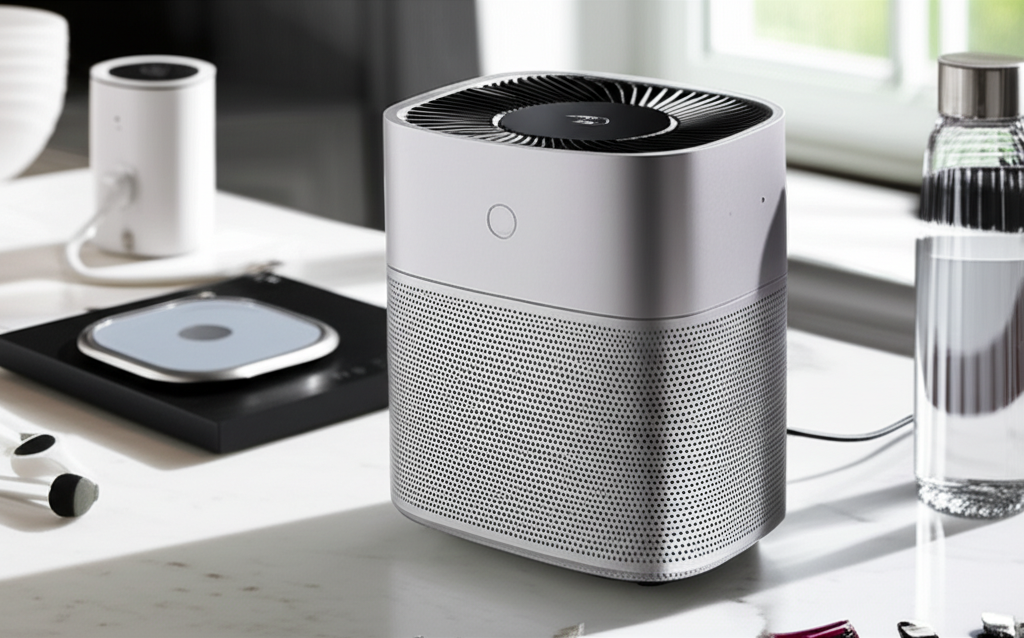
HEPA filters are the most effective for removing tiny particles. They are made of a mat of randomly arranged fibers. These fibers trap particles as air passes through. A true HEPA filter meets strict standards for particle removal. This makes them excellent for allergy and asthma sufferers. They are a key feature in many top personal air purifiers.
Activated Carbon: For Odor and Gas Removal
Activated carbon filters are different. They are made from carbon that has been treated to be very porous. This porosity allows them to absorb gases and odors. Think of it like a sponge for smells. If you are bothered by cooking smells, pet odors, or smoke, a filter with activated carbon is very helpful. Many personal air purifiers combine HEPA and activated carbon.
Other Technologies: UV-C and Ionizers
Some purifiers use UV-C light. This light can break down the DNA of microorganisms like bacteria and viruses. This helps to neutralize them. Ionizers release negative ions into the air. These ions attach to particles, making them heavier. They then fall to the ground or stick to surfaces. Some people prefer to avoid ionizers. This is because they can sometimes produce ozone. Ozone can be harmful to breathe. Always check product details for safety information.
Key Features to Look for in Personal Air Purifiers
When choosing a personal air purifier, several features matter. The size and portability are important if you plan to move it. Look at the filter type and its effectiveness. The noise level is also a big factor, especially if you use it in a quiet space. Some purifiers have extra features like multiple fan speeds or air quality sensors. Understanding these will help you find the best fit.
Size and Portability
Personal air purifiers are meant to be small. They should fit easily on a desk or nightstand. Many are lightweight and can be powered by USB. This makes them easy to move from room to room or even take with you. If you plan to travel, look for models that are compact and battery-operated. This gives you clean air wherever you go.
Filter Replacement and Cost
Filters don’t last forever. They need to be replaced regularly. Check how often you need to change the filter. Also, find out how much replacement filters cost. This is an ongoing expense. Some purifiers have filter indicator lights that tell you when it’s time to change them. This makes maintenance easy.
Noise Level (dB)
Air purifiers have a fan. This fan makes noise. Most personal air purifiers are designed to be quiet. They often operate at around 30-50 decibels. This is similar to a quiet library or a soft whisper. If you are sensitive to noise, look for models that specify their decibel levels. Lower numbers mean quieter operation.
Coverage Area and CADR
While personal air purifiers focus on your immediate space, they still have a coverage area. This is the size of the room they can effectively clean. The Clean Air Delivery Rate (CADR) is a measure of how quickly a purifier can clean the air. Higher CADR numbers mean faster cleaning. For a personal unit, focus on its effectiveness for a small space, like your desk area.
Top Personal Air Purifier Models Reviewed
After researching many options, I’ve found some excellent personal air purifiers. These models stand out for their performance, features, and value. I’ve looked at their filtration systems, ease of use, and user feedback. Here are some of the best choices for clean air in your personal space.
1. Levoit Core 300: A Popular All-Rounder
The Levoit Core 300 is a very popular choice. It uses a 3-stage filtration system. This includes a pre-filter, a HEPA filter, and an activated carbon filter. It’s compact and relatively quiet. It’s good for small rooms and personal spaces. Many users praise its effectiveness for the price.
| Feature | Levoit Core 300 |
| :—————– | :———————————————- |
| Filtration | 3-Stage (Pre-filter, True HEPA, Activated Carbon) |
| Noise Level | 22–50 dB |
| Coverage Area | Up to 219 sq ft (for room cleaning) |
| Power Source | AC Power |
| Special Features | Sleep Mode, Filter Life Indicator |
The Levoit Core 300 is a strong contender for its balanced performance. It effectively tackles common air pollutants. Its quiet operation makes it suitable for bedrooms and offices.
2. Coway AP-1512HH Mighty: Powerful for its Size
The Coway AP-1512HH Mighty is a bit larger than some personal units. However, it offers powerful purification for its size. It features a multi-stage filtration system. This includes a washable pre-filter, a True HEPA filter, and an odor filter. It also has an air quality sensor. This sensor adjusts the fan speed automatically. It’s a great option if you need robust cleaning.
| Feature | Coway AP-1512HH Mighty |
| :—————– | :———————————————- |
| Filtration | 4-Stage (Pre-filter, HEPA, Carbon, Ionizer) |
| Noise Level | 24–53 dB |
| Coverage Area | Up to 361 sq ft |
| Power Source | AC Power |
| Special Features | Eco Mode, Air Quality Indicator, Auto Mode |
Note: The ionizer can be turned off.*
The Coway AP-1512HH Mighty is a reliable performer. Its automatic features make it easy to use. It’s a good investment for cleaner air in a medium-sized personal space.
3. Blueair Blue Pure 411: Stylish and Simple
Blueair is known for its sleek designs. The Blue Pure 411 is a good example. It uses a unique filter technology called HEPASilent. This combines electrostatic charging and mechanical filtration. It’s very effective at capturing particles. It’s also surprisingly quiet and energy-efficient. It comes with a fabric exterior that can be changed.
| Feature | Blueair Blue Pure 411 |
| :—————– | :———————————————- |
| Filtration | 2-Stage (HEPASilent, Activated Carbon Mesh) |
| Noise Level | 17–48 dB |
| Coverage Area | Up to 161 sq ft |
| Power Source | AC Power |
| Special Features | One-Button Control, Washable Fabric Exterior |
The Blueair Blue Pure 411 is a great choice for those who value design. It offers quiet and efficient air purification. Its simple operation is a big plus.
4. Winix 5500-2: A Well-Rounded Performer
The Winix 5500-2 is another excellent option. It features a True HEPA filter. It also has an activated carbon filter and their PlasmaWave technology. PlasmaWave can break down pollutants. The unit also has an air quality sensor and an auto mode. It’s a solid choice for general air cleaning.
| Feature | Winix 5500-2 |
| :—————– | :———————————————- |
| Filtration | 4-Stage (Pre-filter, True HEPA, Carbon, PlasmaWave) |
| Noise Level | 28–54 dB |
| Coverage Area | Up to 360 sq ft |
| Power Source | AC Power |
| Special Features | Air Quality Indicator, Auto Mode, Sleep Mode |
The Winix 5500-2 offers comprehensive air cleaning. Its features provide flexibility for different needs. It’s a reliable purifier for many home environments.
Factors to Consider for Your Specific Needs
Choosing the right personal air purifier depends on you. Think about where you will use it most. Consider what type of air issues you want to address. Are you concerned about dust, allergies, odors, or something else? Your budget also plays a role. By thinking about these things, you can narrow down your choices.
Allergy and Asthma Sufferers
If you have allergies or asthma, a True HEPA filter is essential. Look for purifiers that capture at least 99.97% of particles. These include pollen, dust mites, and pet dander. Some units also have pre-filters to catch larger particles. This helps the main HEPA filter last longer. Checking the CADR for allergens is also a good idea.
Pet Owners
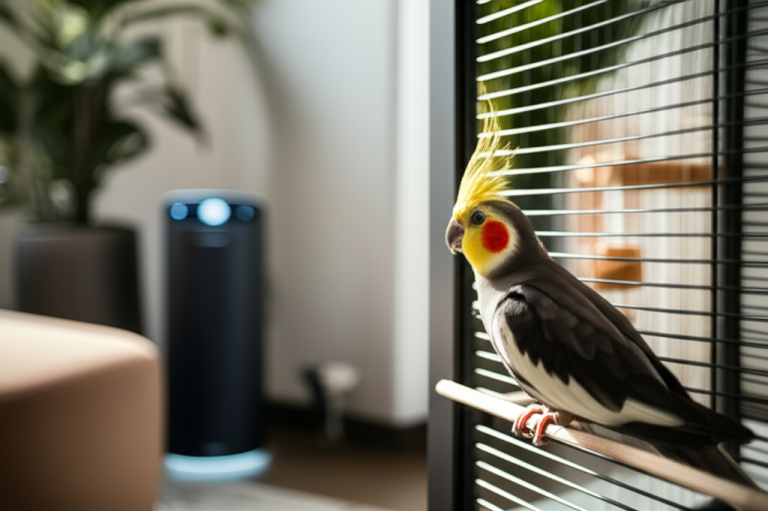
Pet owners often deal with dander and odors. A good personal air purifier for pets needs a strong HEPA filter. It also needs an effective activated carbon filter. The carbon filter will help neutralize pet odors. Some purifiers have special filters designed for pet dander. These can be very effective.
Odor and Smoke Concerns
If odors or smoke are your main concern, focus on the activated carbon filter. The more carbon a filter has, the better it can absorb smells. Some air purifiers use a thick layer of activated carbon. These are often labeled as odor-reducing. For smoke, both HEPA and carbon filters are important. HEPA catches smoke particles. Carbon absorbs smoke odors.
Budget and Value
Personal air purifiers range in price. Some basic models are quite affordable. Others with more advanced features can be more expensive. Consider the long-term cost of replacement filters. Sometimes, a slightly more expensive unit with cheaper filters can be a better value. Read reviews to see if the performance justifies the cost.
How to Place Your Personal Air Purifier for Best Results
Where you place your personal air purifier matters. For desk use, place it within a few feet of where you sit. This ensures the clean air is directed towards you. If using it in a bedroom, place it on a nightstand or dresser. Avoid placing it directly on the floor or too close to walls. This can block airflow.
For maximum effectiveness, allow for good air circulation. Don’t put it behind furniture or curtains. Keep it in an open area where air can easily enter and exit the unit. This helps the purifier work efficiently.
Maintaining Your Personal Air Purifier
To keep your personal air purifier working well, regular maintenance is key. The most important task is changing the filters. Follow the manufacturer’s recommendations for filter replacement. This is usually every 6-12 months, depending on usage and air quality.
Keep the exterior of the unit clean. Wipe it down with a damp cloth. Make sure the air intake and outlet vents are clear of dust. If your pre-filter is washable, clean it regularly. This will help extend the life of your main HEPA filter.
Frequently Asked Questions About Personal Air Purifiers
Q1: What is the main benefit of a personal air purifier?
A personal air purifier cleans the air directly around you. It helps you breathe fresher, cleaner air in your immediate space. This can reduce exposure to allergens and pollutants.
Q2: How often do I need to replace the filters?
Filter replacement frequency varies. It depends on the model and how much you use it. Most manufacturers recommend replacing filters every 6 to 12 months. Always check your purifier’s manual.
Q3: Can a personal air purifier help with allergies?
Yes, many personal air purifiers with True HEPA filters can help. They capture allergens like pollen, dust mites, and pet dander. This can provide relief from allergy symptoms.
Q4: Are personal air purifiers noisy?
Most personal air purifiers are designed to be quiet. They typically operate between 20 and 50 decibels. This is comparable to a whisper or a quiet library. Some models have sleep modes for even quieter operation.
Q5: Do personal air purifiers use a lot of electricity?
No, personal air purifiers are generally energy-efficient. They use much less electricity than larger room air purifiers. Many can even be powered by a USB port.
Q6: Can I turn off the ionizer or UV light on my air purifier?
Some air purifiers allow you to turn off these features. It’s best to check the product specifications or manual. This is especially important if you have concerns about ozone production.
Conclusion: Breathe Easier with the Right Personal Air Purifier
Finding the top personal air purifiers can make a big difference in your daily comfort. These small devices offer a powerful way to improve the air quality in your personal space. Whether you’re at your desk, in your bedroom, or on the go, a good personal air purifier can help you breathe cleaner air. Consider your specific needs, like allergies or odor concerns. Look at features such as HEPA filtration, activated carbon, and noise levels. By choosing wisely, you can enjoy a fresher environment. This will help you feel better and more focused throughout your day.
If you found this guide helpful, consider subscribing for more tips on creating a healthier home environment.