
Can You Get a Whole House Air Purifier: Essential Solution

Yes, you can get a whole house air purifier, and it’s an essential solution for breathing cleaner air throughout your entire home. These systems integrate directly into your HVAC, offering comprehensive air purification by tackling pollutants at their source. Discover how this effective strategy can transform your indoor air quality.
The air inside our homes can often be more polluted than the air outside, filled with allergens, dust, pet dander, and even volatile organic compounds (VOCs) from everyday products. This can lead to a range of health issues, from allergies and asthma to general discomfort. Many people wonder if there’s a way to tackle this pervasive problem effectively across their entire living space. The good news is, the answer is a resounding yes.
Understanding Whole House Air Purification
Can you get a whole house air purifier? Absolutely. These advanced systems are designed to be installed directly into your existing HVAC ductwork, purifying the air as it circulates throughout your entire home. This provides a consistent and comprehensive solution to indoor air pollution.
Whole house air purifiers work by treating the air at a central point, your HVAC system. As your furnace or air conditioner draws air in and distributes it, the purifier captures and removes airborne contaminants. This means every room, from your bedroom to your kitchen, benefits from cleaner, healthier air.
How Whole House Air Purifiers Work
The magic of a whole house air purifier lies in its integration with your HVAC system. Unlike portable units that only clean a single room, these systems leverage your home’s existing infrastructure for maximum coverage. They effectively transform your central air system into a powerful air cleaning machine.
The Mechanics of HVAC Integration
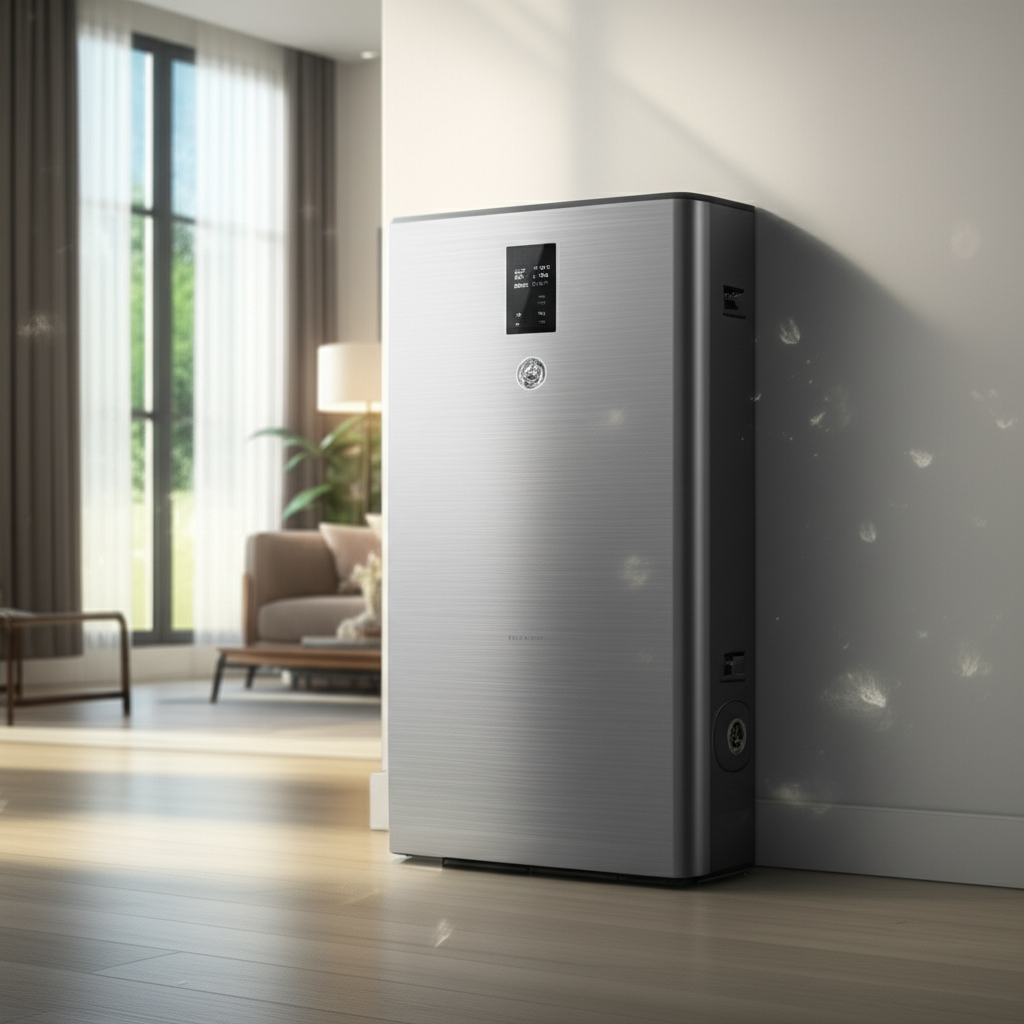
When your HVAC system kicks on, it pulls air from your home through return vents. This air then passes through your furnace or air handler, where it’s heated or cooled. A whole house air purifier is typically installed in the return air duct or within the air handler itself, intercepting the air before it’s conditioned and redistributed.
This process ensures that all the air being circulated is treated. Whether you’re heating in the winter or cooling in the summer, the air purifier is actively working to remove pollutants. This continuous filtration is key to maintaining consistently clean indoor air.
Types of Whole House Air Purification Technologies
Several technologies are employed in whole house air purifiers, each with its own strengths in capturing different types of airborne particles. Understanding these can help you choose the best fit for your home’s specific needs.
HEPA Filters: High-Efficiency Particulate Air (HEPA) filters are renowned for their ability to capture at least 99.97% of airborne particles 0.3 microns in size. This includes common allergens like dust mites, pollen, and pet dander.
Activated Carbon Filters: These filters are excellent at adsorbing odors, gases, and VOCs. They use a porous material that traps chemical pollutants, making them ideal for homes with pets, smokers, or those concerned about off-gassing from furniture and cleaning products.
UV-C Light Sterilizers: Ultraviolet germicidal irradiation (UV-C) uses specific wavelengths of light to kill or inactivate airborne bacteria, viruses, and mold spores. This technology adds a layer of biological purification to the system.
Electronic Air Cleaners: These use electrostatic charges to attract and trap particles. While effective, they can sometimes produce ozone, which can be an irritant for some individuals.
The Role of MERV Ratings
When considering whole house air purification, the MERV (Minimum Efficiency Reporting Value) rating of filters is crucial. MERV ratings range from 1 to 20, with higher numbers indicating a greater ability to capture smaller particles. For most residential HVAC systems, MERV 8-13 filters offer a good balance of filtration efficiency and airflow.
A higher MERV rating means more efficient particle capture, but it can also restrict airflow, potentially straining your HVAC system. It’s essential to choose a filter that provides effective purification without compromising your system’s performance. Consulting with an HVAC professional can help determine the optimal MERV rating for your specific setup.
Benefits of a Whole House Air Purifier
Investing in a whole house air purifier offers a comprehensive approach to improving your indoor environment, impacting health, comfort, and even the longevity of your HVAC system. The benefits extend far beyond simply reducing dust.
Enhanced Respiratory Health
For individuals suffering from allergies, asthma, or other respiratory conditions, a whole house air purifier can be a game-changer. By consistently removing allergens like pollen, dust mites, mold spores, and pet dander from the air, these systems significantly reduce triggers that can cause uncomfortable symptoms and exacerbations. This means fewer sneezes, less coughing, and easier breathing for everyone in the household.
Elimination of Odors and VOCs
Beyond allergens, whole house air purifiers, especially those with activated carbon filters, excel at neutralizing unpleasant odors. Whether it’s cooking smells, pet odors, or smoke, these systems can effectively adsorb them, leaving your home smelling fresh. They also tackle VOCs released from paints, cleaning supplies, and furnishings, contributing to a healthier indoor air environment.
Protection for Your HVAC System
By trapping dust and debris before they reach your HVAC system’s internal components, whole house air purifiers act as a primary filter. This not only helps maintain the efficiency of your furnace and air conditioner but also reduces the frequency of costly repairs and extends the lifespan of your equipment. Cleaner air means less strain on your system’s motor and coils.
Improved Sleep Quality
Breathing cleaner air can directly contribute to better sleep. Reduced exposure to allergens and irritants means less nighttime congestion, coughing, or wheezing. This allows for more restful sleep, leading to increased energy and improved overall well-being during the day.
A Cleaner Home Environment
With a whole house air purifier, you’ll notice less dust settling on surfaces throughout your home. This means less frequent dusting and a generally cleaner living space, saving you time and effort on household chores. The reduction in airborne particles contributes to a more pristine and comfortable home.
Can You Get a Whole House Air Purifier? The Installation Process
Yes, you can get a whole house air purifier, and its installation is typically handled by a qualified HVAC professional. The process involves integrating the purifier into your home’s central ductwork, ensuring efficient and seamless operation with your existing heating and cooling system.
The installation is a crucial step that ensures the system works effectively and safely. While it might seem daunting, it’s a standard procedure for HVAC technicians.
Professional Installation is Key
While the concept is simple, proper installation is paramount for the effectiveness and longevity of your whole house air purifier. It requires knowledge of HVAC systems, ductwork, and electrical connections. For this reason, it’s highly recommended to have a certified HVAC technician perform the installation.
They will ensure the unit is correctly sized for your home and HVAC system, properly sealed within the ductwork to prevent air leaks, and connected safely to power. Incorrect installation can lead to reduced efficiency, increased energy consumption, or even damage to your HVAC unit.
Where is it Installed?
Whole house air purifiers are generally installed in one of two main locations within your HVAC system:
In the Return Air Duct: Many units are placed in the main return air duct before the air enters the furnace or air handler. This location captures pollutants as air is drawn into the system.
Inside the Air Handler: Some purifiers are designed to fit directly inside the air handler unit itself, treating the air after it passes through the heating or cooling coils.
The specific location will depend on the type of purifier and the configuration of your HVAC system. Your technician will assess your system to determine the optimal placement.
What to Expect During Installation
The installation process typically takes a few hours. The technician will first turn off your HVAC system. They will then cut an opening in the ductwork (if necessary) to install the purifier unit, ensuring a tight seal.
They will also make any required electrical connections. Once installed, they will turn the system back on and test its operation to ensure everything is working correctly and that there are no air leaks. They will also guide you on filter maintenance and replacement.
Choosing the Right Whole House Air Purifier
With various options available, selecting the right whole house air purifier involves considering your home’s specific needs, your budget, and the types of pollutants you want to target. A thoughtful approach ensures you invest in a solution that provides maximum benefit.
Assessing Your Home’s Needs
Consider the size of your home, the type of HVAC system you have, and the primary air quality concerns you face. If you have pets, a system with robust filtration for dander and odors is essential. For those with severe allergies or asthma, HEPA filtration and UV-C light might be priorities.
Key Features to Look For
When comparing models, pay attention to the following features:
Filtration Technology: HEPA, activated carbon, UV-C, etc.
MERV Rating: Ensure it’s compatible with your HVAC system.
Coverage Area: While whole house, some units are rated for specific square footage ranges.
Maintenance Requirements: How often do filters need changing? Are they easily accessible?
Energy Efficiency: Look for Energy Star certified models if available.
Ozone Production: Opt for models that are certified ozone-free, especially if you have sensitivities.
Comparing Top Brands and Models
Researching reputable brands is a good starting point. Companies like Aprilaire, Honeywell, and Carrier offer a range of whole house air purification solutions. Reading reviews and comparing specifications for models such as the Aprilaire 2210 or Honeywell Whole House Air Cleaner can help you make an informed decision.
| Feature | Aprilaire 2210 | Honeywell Whole House Air Cleaner |
| :—————– | :—————————— | :——————————– |
| Filtration Type | Media Filter | Electronic (Electrostatic) |
| MERV Rating | MERV 13 | High (captures small particles) |
| Odor/VOC Control | Limited (can add carbon pre-filter) | Limited |
| Particle Capture | Excellent | Excellent |
| Maintenance | Filter replacement (1-2 years) | Cell cleaning (periodic) |
| Ozone Production | No | Potential (ensure ozone-free model) |
Note: Specific model features and performance can vary. Always check the latest product specifications.
Maintenance and Filter Replacement
To ensure your whole house air purifier continues to operate at peak efficiency, regular maintenance and timely filter replacement are crucial. Neglecting these tasks can significantly reduce its effectiveness and potentially harm your HVAC system.
The Importance of Regular Maintenance
A well-maintained air purifier provides consistent clean air and protects your HVAC equipment. The primary maintenance task involves checking and replacing filters or cleaning components as per the manufacturer’s instructions. This ensures optimal airflow and filtration performance.
Filter Replacement Schedule
The frequency of filter replacement depends on the type of filter and the air quality in your home. Media filters, like those in the Aprilaire 2210, typically need replacement every 6 to 12 months, or sometimes up to 2 years for high-capacity filters. Electronic air cleaner cells usually require cleaning every 3 to 6 months.
Always refer to the manufacturer’s guidelines for your specific model. Many systems have indicator lights or reminders to help you know when maintenance is due.
Signs Your Filter Needs Changing
Several signs indicate that your air purifier’s filter needs attention:
Reduced Airflow: If you notice weaker airflow from your vents, the filter may be clogged.
Increased Dust: A sudden increase in dust accumulation around your home can signify a saturated filter.
Visible Dirt/Discoloration: Inspecting the filter can reveal heavy soiling or discoloration.
Unpleasant Odors: If odors persist or worsen, the activated carbon component of the filter may be saturated.
Addressing these signs promptly will keep your system running efficiently.
Cost Considerations for Whole House Air Purifiers
The investment in a whole house air purifier includes the initial purchase price, installation costs, and ongoing expenses for filter replacements. Understanding these factors helps in budgeting for this essential home improvement.
Initial Purchase and Installation Costs
The cost of a whole house air purifier unit can range from $200 to $1,000 or more, depending on the brand, technology, and features. Professional installation adds to the upfront cost, typically ranging from $300 to $800, depending on the complexity of the job and your location.
This makes the total initial investment for a whole house air purifier system anywhere from $500 to $1,800+. While this is a significant investment, the long-term benefits for your health and home comfort often justify the expense.
Ongoing Operational and Maintenance Costs
Beyond the initial setup, you’ll incur ongoing costs for filter replacements. Media filters can cost $30 to $100 each, and you might need them annually or bi-annually. Electronic air cleaner cells may require cleaning but generally don’t need replacement as frequently, though some components might eventually need servicing.
Energy consumption for these systems is typically low, as they integrate with your existing HVAC fan. However, running your HVAC system more often for air purification will naturally increase your electricity bill.
Frequently Asked Questions (FAQs)
Can a whole house air purifier remove all allergens?
While whole house air purifiers are highly effective at removing a vast majority of allergens like pollen, dust mites, and pet dander, they may not capture 100% of microscopic particles. However, they significantly reduce allergen levels, providing substantial relief.
How often do I need to replace the filters in a whole house air purifier?
Filter replacement schedules vary by model and filter type. Media filters typically last 6-12 months, while some high-capacity filters can last up to two years. Electronic air cleaner cells usually need cleaning every 3-6 months. Always check the manufacturer’s recommendations.
Will a whole house air purifier increase my energy bill?
A whole house air purifier itself consumes very little energy. However, if you run your HVAC fan more frequently to continuously circulate air for purification, your energy bill may see a slight increase. The overall impact depends on your usage patterns.
Are whole house air purifiers noisy?
Most whole house air purifiers are designed to be quiet, as they integrate into your HVAC system. The primary sound you’ll hear is the normal operation of your HVAC fan. Any additional noise is usually minimal and often unnoticeable.
Can I install a whole house air purifier myself?
While some DIY enthusiasts might attempt it, professional installation by a certified HVAC technician is strongly recommended. Proper installation ensures the system is correctly integrated, sealed, and functioning efficiently without risking damage to your HVAC unit or reducing its performance.
What is the difference between a whole house air purifier and portable air purifiers?
Portable air purifiers clean the air in a single room. Whole house air purifiers, integrated into your HVAC system, clean the air throughout your entire home as it circulates, offering a much broader and more consistent level of air purification.
How do I know if my HVAC system can accommodate a whole house air purifier?
Most modern HVAC systems can accommodate a whole house air purifier. However, it’s best to consult with an HVAC professional. They can assess your system’s capacity, ductwork, and airflow to ensure compatibility and recommend the most suitable purifier.
Conclusion
Yes, you can get a whole house air purifier, and it’s an essential solution for achieving superior indoor air quality across your entire home. By integrating directly into your HVAC system, these purifiers offer comprehensive filtration, removing allergens, odors, and pollutants for a healthier living environment. This investment provides a continuous, effective way to breathe easier and enjoy a cleaner, more comfortable home.
