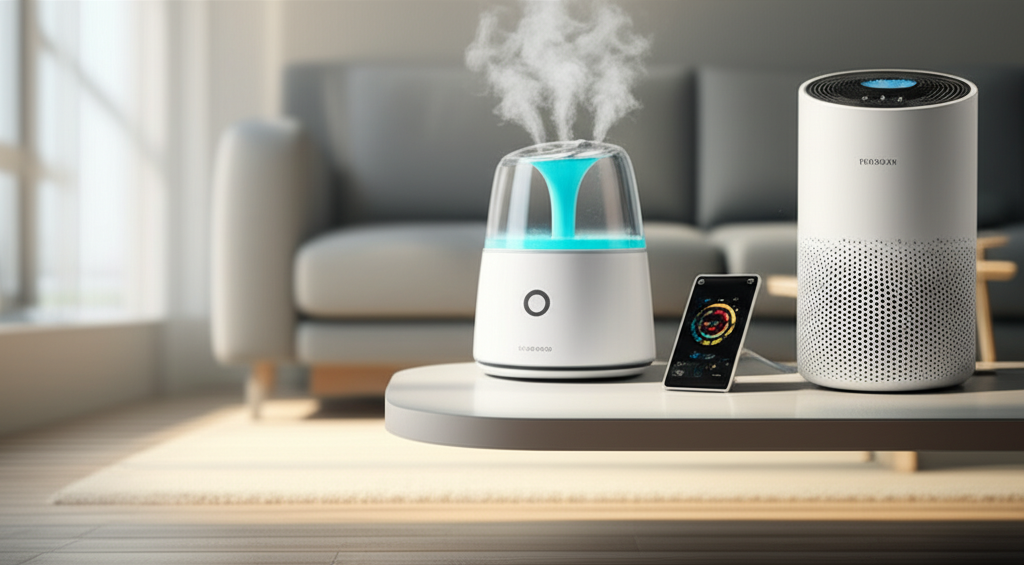
Is An Air Purifier Better Than A Humidifier: Proven Choice

An air purifier cleans your air, while a humidifier adds moisture. Neither is universally “better”; the right choice depends on your specific air quality issues. Air purifiers tackle pollutants, while humidifiers combat dryness. Understanding your needs is key to making the proven choice for your home.
Is An Air Purifier Better Than A Humidifier: The Proven Choice For Your Home Air Quality
Do you ever feel like your home’s air just isn’t right? Maybe it’s stuffy, dry, or you notice more dust than usual. It’s a common problem many people face, leading to confusion about how to fix it. You might be wondering, “Is an air purifier better than a humidifier?” This article will clear up the confusion. I’ll guide you through what each device does, who needs them, and how to choose the best one for your unique situation.
What Does an Air Purifier Do?
An air purifier is a device designed to remove pollutants from the air inside your home. It works by drawing in air, passing it through a filter system, and then releasing cleaner air back into the room. These filters trap tiny particles that can cause health problems and discomfort. Think of it as a vacuum cleaner for your air, but much more powerful and effective at capturing small things.
Air purifiers are excellent at removing allergens like pollen, pet dander, and dust mites. They also capture smoke, mold spores, and even some volatile organic compounds (VOCs) released from household products. This can make a big difference for people with allergies, asthma, or other respiratory sensitivities.
What Does a Humidifier Do?
A humidifier is a device that adds moisture to the air. It does this by releasing water vapor into your living space. This is especially helpful in dry climates or during winter months when heating systems tend to dry out the air. Dry air can lead to a variety of uncomfortable symptoms and even damage your home.
Humidifiers can help alleviate dry skin, chapped lips, and sore throats. They can also soothe irritated nasal passages and reduce snoring caused by dryness. For plants and wooden furniture, adding moisture can prevent them from drying out and cracking.
Air Purifier vs. Humidifier: The Core Difference
The fundamental difference lies in their primary function. An air purifier removes things from the air, while a humidifier adds something to the air. This distinction is crucial when deciding which one is right for you. You wouldn’t use a vacuum cleaner to water your plants, and you wouldn’t use a watering can to clean your floors.
Choosing between them depends entirely on the problem you are trying to solve. Are you dealing with airborne irritants, or is the air simply too dry? Understanding this core difference will guide you to the correct choice.
When is an Air Purifier the Proven Choice?
An air purifier is the proven choice when your main concern is the quality of the air you breathe. If you or someone in your household suffers from allergies or asthma, an air purifier can significantly improve symptoms. It’s also a good option if you live in an area with high pollution levels or frequently deal with smoke from wildfires or cooking.
People with pets often find air purifiers indispensable for controlling dander and odors. Even if you don’t have specific health concerns, an air purifier can help reduce the amount of dust that settles on your furniture. This leads to a cleaner living environment overall.
When is a Humidifier the Proven Choice?
A humidifier is the proven choice when the air in your home is too dry. This is often most noticeable during colder months when indoor heating systems run constantly. Dry air can cause discomfort, from itchy skin and dry eyes to a scratchy throat. It can also make you more susceptible to colds and other respiratory infections because dry mucous membranes are less effective at trapping germs.
Low humidity can also affect your home. It can cause wooden furniture, floors, and musical instruments to warp or crack. Plants may struggle to thrive in overly dry conditions. A humidifier helps maintain a comfortable and healthy humidity level.
Understanding Your Air Quality: The First Step
Before you buy anything, it’s important to understand what’s wrong with your air. You can often tell by how you feel. Do you sneeze more indoors? Is your skin dry and flaky? Does your throat feel sore in the morning? These are clues. You can also use a simple tool called a hygrometer to measure the humidity level. For air quality, consider your environment. Are there many trees and pollen? Do you live near a busy road?
A good starting point for indoor humidity is between 30% and 50%. Levels below 30% are considered dry and can cause problems. Levels above 50% can encourage mold growth. Knowing these numbers helps you decide if you need more moisture or cleaner air.
Key Features to Look For in an Air Purifier
When choosing an air purifier, look for a HEPA filter. HEPA stands for High-Efficiency Particulate Air, and these filters are certified to capture at least 99.97% of airborne particles 0.3 microns in size. This includes dust, pollen, pet dander, and mold spores. Many purifiers also include activated carbon filters, which are great for removing odors and gases, like smoke or cooking smells.
Check the CADR (Clean Air Delivery Rate) for the room size you intend to use it in. A higher CADR means the purifier works faster. Also, consider noise levels, especially if you plan to use it in a bedroom. Energy efficiency is another important factor for long-term savings.
Key Features to Look For in a Humidifier
Humidifiers come in different types, including cool mist and warm mist. Cool mist humidifiers are generally safer for homes with children and pets, as they don’t produce heat. Warm mist humidifiers boil water, which can help kill bacteria and minerals, but they pose a burn risk. Ultrasonic humidifiers use vibrations to create mist, and evaporative humidifiers use a fan to blow air through a wet wick.
Consider the size of the room the humidifier will be used in and its water tank capacity. A larger tank means less frequent refilling. Look for features like adjustable mist levels, an automatic shut-off when the water runs out, and an easy-to-clean design. Regular cleaning is vital to prevent mold and bacteria growth.
Can You Use Both an Air Purifier and a Humidifier?
Yes, you can absolutely use both an air purifier and a humidifier in your home. In fact, for many people, this is the ideal solution for comprehensive air quality control. They address different issues and work together to create a more comfortable and healthier environment. For example, if you have allergies and live in a dry climate, an air purifier can tackle allergens while a humidifier combats dryness.
Using both devices ensures that you are not only breathing cleaner air but also breathing air with a comfortable moisture level. This dual approach can significantly improve indoor air quality, especially for individuals with respiratory conditions or sensitivities. It’s a powerful combination for overall well-being.
Comparing Air Purifiers and Humidifiers: A Quick Look
Here’s a simple way to see the main differences at a glance.
| Feature | Air Purifier | Humidifier |
| :—————- | :———————————————– | :———————————————– |
| Primary Goal | Removes pollutants from the air | Adds moisture to the air |
| How it Works | Filters trap particles (dust, pollen, dander) | Releases water vapor into the air |
| Best For | Allergies, asthma, smoke, odors, dust | Dry skin, sore throat, static electricity, plants |
| Key Component | HEPA filter, activated carbon filter | Water tank, misting mechanism |
| Maintenance | Filter replacement | Cleaning the tank, descaling |
| Potential Issue | Can dry out air if humidity is already low | Can promote mold if humidity is too high |
This table highlights that they are designed for entirely different purposes. They are not interchangeable but rather complementary tools for managing indoor air.
Expert Insights: What the Science Says
Studies have consistently shown the benefits of both air purification and proper humidity levels. For instance, research published in the Journal of Allergy and Clinical Immunology has demonstrated that HEPA air purifiers can reduce indoor allergen levels and improve asthma control in children. According to the U.S. Environmental Protection Agency (EPA), maintaining indoor humidity levels between 30% and 50% is recommended to prevent mold growth and control dust mites.
“When you have poor indoor air quality, it can affect everything from your sleep to your overall health,” notes Dr. Anya Sharma, an environmental health specialist. “Understanding whether the issue is pollutants or dryness is the first step to finding an effective solution.”
Making the Proven Choice for Your Needs
To make the proven choice, you need to assess your home environment and your personal health. If you experience sneezing, itchy eyes, or breathing difficulties indoors, especially during allergy seasons, an air purifier is likely your best bet. If your skin feels dry, your lips chap easily, or you notice static electricity, a humidifier is probably what you need.
For many, the ideal solution is to use both. An air purifier tackles airborne irritants like dust, pollen, and pet dander, while a humidifier ensures the air isn’t too dry, which can exacerbate respiratory issues and cause discomfort. This combined approach offers the most comprehensive solution for a healthy indoor environment.
Frequently Asked Questions
Q1: Can an air purifier make my air too dry?
While some air purifiers might slightly reduce humidity, their primary function is not to dry out the air. If you have a humidifier, they can work together without issue.
Q2: Can a humidifier help with allergies?
A humidifier doesn’t remove allergens. However, by keeping nasal passages moist, it can make them less sensitive to allergens and ease symptoms like congestion.
Q3: How often should I clean my air purifier?
Check your manufacturer’s instructions. Generally, you should clean pre-filters weekly and replace HEPA filters every 6-12 months, depending on usage and air quality.
Q4: How often should I clean my humidifier?
It’s important to clean humidifiers frequently, ideally every 1-3 days, to prevent mold and bacteria growth. Empty, rinse, and dry the tank daily.
Q5: Which is better for a baby’s room, an air purifier or a humidifier?
Both can be beneficial, but for different reasons. An air purifier can help remove allergens and irritants. A cool-mist humidifier can help with congestion and dry coughs. Ensure both are kept clean and used appropriately.
Q6: Do air purifiers remove viruses and bacteria?
Some advanced air purifiers with specific filters (like UV-C light or HEPA filters) can capture or neutralize some viruses and bacteria. However, their primary effectiveness is against larger particles.
Q7: Can I use essential oils in an air purifier or humidifier?
Never add essential oils to an air purifier; it can damage the filters and the unit. Some humidifiers are designed to diffuse essential oils, but always check the manufacturer’s guide.
Conclusion
Deciding whether an air purifier is better than a humidifier comes down to your specific needs. If your problem is airborne irritants like dust, pollen, or smoke, an air purifier is the proven choice. If your issue is dry air causing discomfort, a humidifier is the answer. For many, the ultimate solution for optimal indoor air quality is using both devices in tandem. By understanding their distinct roles and your home’s unique conditions, you can make the right choice to breathe easier and live more comfortably. Consider your health and environment carefully to find the best fit for you.