
Is an Air Purifier Better Than a Dehumidifier? Essential Guide

Is an air purifier better than a dehumidifier? An air purifier cleans your air, while a dehumidifier removes moisture. Neither is universally “better”; the best choice depends entirely on your specific air quality needs and the problems you’re trying to solve in your home.
Breathing fresh air at home is important for your health. But sometimes, our homes have invisible problems. You might worry about dust, allergens, or even too much dampness. This can make you wonder, “Is an air purifier better than a dehumidifier?” Many people get confused because both devices aim to improve your home’s environment. I’m here to clear things up. We’ll explore what each machine does, who needs one, and how to choose the right one for you.
What Does an Air Purifier Do?
An air purifier cleans the air you breathe indoors. It uses filters to trap tiny particles like dust, pollen, pet dander, and smoke. Some advanced purifiers can also remove odors and gases. They work by pulling air through a series of filters. The clean air is then released back into the room. This helps people with allergies or asthma feel better.
How Air Purifiers Work: The Filtration Process
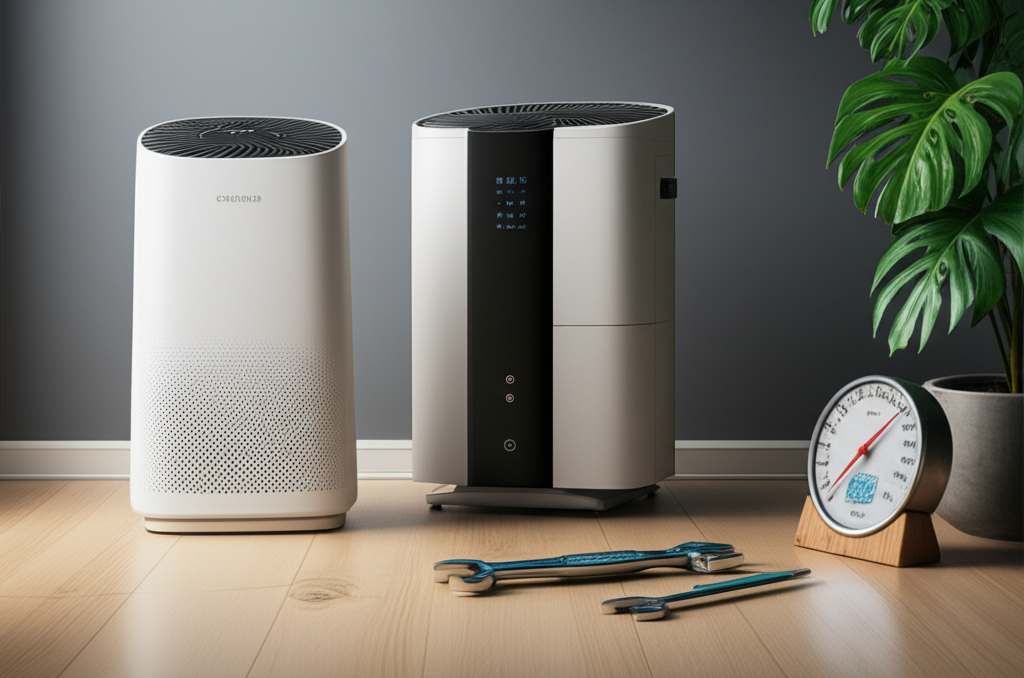
Air purifiers use different types of filters. The most common is a HEPA filter. HEPA stands for High-Efficiency Particulate Air. A true HEPA filter must capture at least 99.97% of particles that are 0.3 microns in size. Other filters include activated carbon filters for odors and gases. Some purifiers use UV light to kill germs.
Who Benefits Most from an Air Purifier?
People with allergies, asthma, or respiratory issues often find relief with air purifiers. If you have pets, an air purifier can reduce pet dander and dander-related allergens. It’s also useful for people living in areas with high air pollution or wildfire smoke. Anyone who wants cleaner, fresher indoor air can benefit.
What Does a Dehumidifier Do?
A dehumidifier removes excess moisture from the air. It works like a mini air conditioner. It pulls moist air over cold coils. Water vapor condenses on these coils and collects in a tank or drains away. This process lowers the humidity level in a room. High humidity can lead to mold growth and a musty smell.
How Dehumidifiers Work: Condensation and Collection
Dehumidifiers draw in humid air. Inside the unit, a fan pulls air over a cold surface, like the evaporator coils in a refrigerator. When warm, moist air hits the cold coils, the moisture turns into liquid water. This water drips into a collection tank or a drain hose. The now drier air is then reheated slightly and blown back into the room.
Who Benefits Most from a Dehumidifier?
A dehumidifier is essential for homes in humid climates or damp areas like basements. It helps prevent mold and mildew growth. This is crucial for people with mold allergies or respiratory problems. It can also make your home feel cooler and more comfortable. It stops that sticky, damp feeling.
Is an Air Purifier Better Than a Dehumidifier? The Core Difference
An air purifier cleans the air by removing particles and pollutants. A dehumidifier removes excess moisture from the air. They address different problems. You need an air purifier for cleaner air, and a dehumidifier for drier air.
The main difference lies in their function. Air purifiers tackle airborne contaminants. Dehumidifiers tackle excess water vapor. You wouldn’t use an air purifier to dry out a damp basement. Similarly, you wouldn’t use a dehumidifier to remove smoke from the air. Understanding these distinct roles is key to choosing the right device.
When to Choose an Air Purifier
You should consider an air purifier if you experience symptoms like sneezing, coughing, or itchy eyes indoors. These could be signs of allergens in the air. If you notice dust settling quickly, an air purifier can help. It’s also a good idea if you live near a busy road or in a polluted area.
Common Air Quality Issues Addressed by Purifiers
Allergens: Pollen, dust mites, pet dander, mold spores.
Pollutants: Smoke (from cooking, fireplaces, wildfires), car exhaust fumes.
Odors: Pet odors, cooking smells, cigarette smoke.
VOCs: Volatile Organic Compounds from paints, cleaning products, and furniture.
Signs You Might Need an Air Purifier
Frequent dust accumulation.
Unexplained allergy symptoms or breathing difficulties indoors.
Lingering odors that won’t go away.
Living with pets that shed a lot.
Concerns about outdoor air quality affecting your home.
When to Choose a Dehumidifier
A dehumidifier is your go-to if your home feels damp or clammy. Look for condensation on windows or pipes. A musty smell, especially in basements or bathrooms, is a strong indicator. If you see signs of mold or mildew, a dehumidifier is essential. It helps maintain a healthy humidity level.
Common Moisture-Related Issues Addressed by Dehumidifiers
Mold and Mildew Growth: Prevents growth on walls, ceilings, and fabrics.
Musty Odors: Eliminates the smell associated with dampness.
Dust Mite Infestations: Reduces humidity that dust mites thrive in.
Condensation: Stops water buildup on windows and pipes.
Damage to Belongings: Protects furniture, books, and electronics from moisture damage.
Signs You Might Need a Dehumidifier
A consistently damp or sticky feeling in the air.
Visible mold or mildew spots.
A persistent musty or earthy smell.
Water stains on walls or ceilings.
Condensation on windows, mirrors, or pipes.
Can You Use Both an Air Purifier and a Dehumidifier?
Yes, you can absolutely use both an air purifier and a dehumidifier in your home. They work together to create a healthier living environment. An air purifier tackles airborne particles, while a dehumidifier controls moisture. This combination is ideal for tackling multiple indoor air quality issues simultaneously.
Synergistic Benefits of Combined Use
Using both devices can provide comprehensive air care. The dehumidifier reduces mold and dust mite populations by lowering humidity. The air purifier then captures any remaining mold spores or dust particles. This dual approach offers superior comfort and health benefits. It’s a powerful strategy for a truly clean and healthy home.
Key Differences Summarized in a Table
Here’s a simple way to see the main differences:
| Feature | Air Purifier | Dehumidifier |
| :————— | :—————————————– | :——————————————- |
| Primary Goal | Remove airborne particles and pollutants. | Remove excess moisture from the air. |
| How it Works | Filters air (HEPA, carbon, etc.). | Condenses water vapor from the air. |
| Problems Solved | Allergies, asthma, smoke, odors, dust. | Mold, mildew, musty smells, dampness. |
| Ideal Use Case | Rooms with poor air quality, allergies. | Humid areas, basements, bathrooms, kitchens. |
| Output | Cleaner, fresher air. | Drier, less humid air. |
Choosing the Right Device for Your Needs
To decide if an air purifier is better than a dehumidifier for you, assess your home’s specific problems. If your main concern is allergies, dust, or smoke, an air purifier is likely your best bet. If you struggle with dampness, mold, or a musty smell, a dehumidifier is the answer. Sometimes, the best solution is to have both.
Factors to Consider When Deciding
Your Symptoms: Are they related to dust/allergens or dampness/mold?
Home Environment: Is it generally dry or humid? Do you live in a polluted area?
Specific Rooms: Is a particular room (like a basement) the main problem area?
Budget: Both devices come in various price ranges.
Maintenance: Both require filter or tank cleaning.
Popular Brands and Models to Consider
Many reputable brands offer excellent air purifiers and dehumidifiers. For air purifiers, brands like Coway, Blueair, and Levoit are popular. They offer various models with different features. For dehumidifiers, Frigidaire, GE, and Honeywell are well-regarded. Always check reviews and specifications for your specific needs.
Top Air Purifier Brands
Coway: Known for effective HEPA filtration and smart features.
Blueair: Offers sleek designs and quiet operation.
Levoit: Popular for affordable and effective models.
Top Dehumidifier Brands
Frigidaire: Offers a wide range of capacities for different room sizes.
GE Appliances: Reliable and energy-efficient options.
Honeywell: Known for durable and effective dehumidifiers.
Maintenance and Care for Your Devices
Both air purifiers and dehumidifiers require regular maintenance. For air purifiers, this means cleaning or replacing the filters as recommended by the manufacturer. A dirty filter won’t work well. For dehumidifiers, you need to empty the water tank regularly or ensure the drain hose is clear. Cleaning the coils also helps efficiency.
Air Purifier Maintenance
Filter Replacement: HEPA and carbon filters need regular replacement, typically every 6-12 months.
Pre-filter Cleaning: Washable pre-filters catch larger particles and should be cleaned weekly.
Unit Wiping: Gently wipe down the exterior and fan intake with a damp cloth.
Dehumidifier Maintenance
Emptying the Tank: Do this daily or when the indicator light comes on.
Cleaning the Tank: Wash the tank weekly with mild soap and water to prevent mold.
Coil Cleaning: Gently vacuum or brush the coils annually to maintain efficiency.
Understanding Humidity Levels: The Ideal Range
The ideal indoor humidity level is generally between 30% and 50%. Levels above 50% can encourage mold and dust mites. Levels below 30% can lead to dry skin, irritated sinuses, and static electricity. A hygrometer can measure your home’s humidity. This helps you know if you need a dehumidifier or humidifier. According to the Environmental Protection Agency (EPA), keeping indoor humidity below 60% is crucial to prevent mold growth.
Using a Hygrometer for Measurement
A hygrometer is a simple device that measures humidity. You can place it in different rooms to get an accurate reading. Knowing your humidity levels helps you make informed decisions about air treatment. It’s a small investment for better home comfort and health.
Frequently Asked Questions
Q1: Can an air purifier help with damp smells?
No, an air purifier is not designed to remove moisture. It can help with odors caused by mold, but it won’t solve the underlying dampness problem. You would need a dehumidifier for that.
Q2: Can a dehumidifier remove dust from the air?
A dehumidifier primarily removes water vapor. It does not have filters to capture dust particles. For dust removal, an air purifier is the correct device.
Q3: Is an air purifier better than a dehumidifier for allergies?
It depends on the allergy. If your allergies are triggered by dust, pollen, pet dander, or smoke, an air purifier is better. If your allergies are triggered by mold or dust mites, a dehumidifier that reduces their growth is more effective.
Q4: How often should I run my air purifier or dehumidifier?
It’s often recommended to run air purifiers continuously for best results. Dehumidifiers should be run when humidity levels are too high, which might be continuous in very humid climates or seasonal.
Q5: Can I use a dehumidifier in winter?
Yes, you can, but be cautious. In very cold temperatures, dehumidifiers can freeze up. Look for models with auto-defrost features or use them only in warmer parts of your home.
Q6: What’s the difference between a humidifier and a dehumidifier?
A humidifier adds moisture to the air, while a dehumidifier removes it. They do opposite jobs. You need a humidifier for dry air and a dehumidifier for damp air.
Conclusion
So, is an air purifier better than a dehumidifier? The answer is that they serve different, vital purposes. An air purifier excels at cleaning the air of allergens, smoke, and odors. A dehumidifier is your ally against mold, mildew, and that uncomfortable sticky feeling caused by excess moisture. For many homes, especially those with varied environmental challenges, using both an air purifier and a dehumidifier offers the most comprehensive solution for a healthy and comfortable living space. Evaluate your home’s specific needs carefully to make the right choice.
