
Are Ionic Air Purifiers Safe for Pets? Essential Guide

The short answer to “are ionic air purifiers safe for pets?” is: Yes, when used correctly and with certain considerations, but potential ozone production requires careful attention and research into specific models.
The air in our homes is something we often take for granted, yet it can be filled with unseen pollutants that affect both our health and the well-being of our beloved pets. As pet owners, we want the very best for our furry companions, which naturally extends to the air they breathe. This is where air purifiers come in, with ionic models being a popular choice for many. However, a common concern arises: are ionic air purifiers safe for pets? It’s a valid question, and understanding the nuances is crucial for making an informed decision. This guide will break down everything you need to know to ensure your pet breathes easy and safely.
Understanding Ionic Air Purifiers and Pet Safety
Ionic air purifiers, also known as electrostatic precipitators, work by emitting negatively charged ions into the air. These ions attach themselves to airborne particles like dust, pollen, dander, and smoke, giving them a negative charge. These charged particles are then attracted to positively charged collection plates within the purifier or to surfaces in the room, effectively removing them from the air. While this process can be effective at cleaning the air, the method of ion generation can sometimes lead to a byproduct that warrants careful consideration when pets are around.
How Ionic Air Purifiers Function
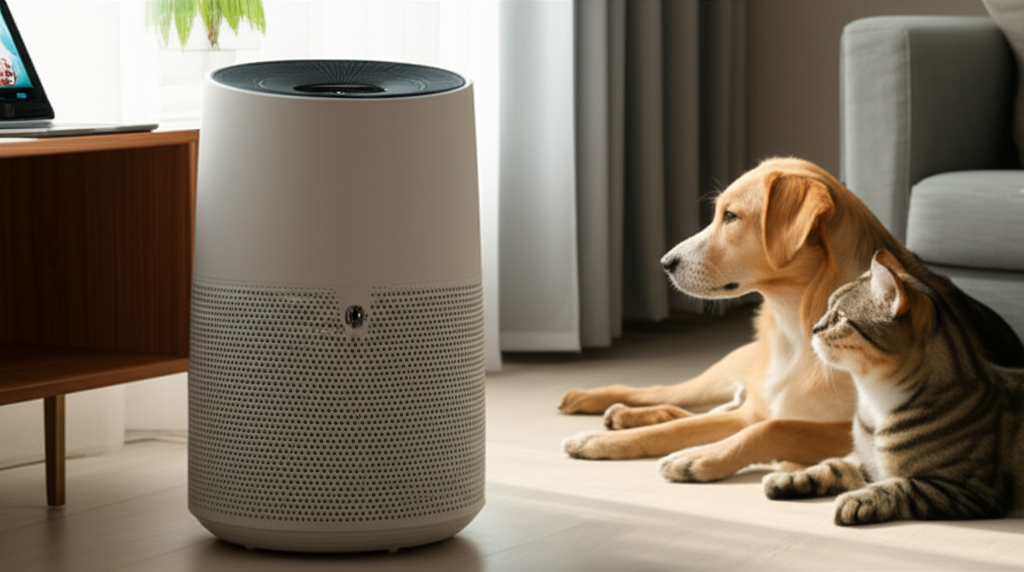
These devices utilize a high-voltage current to charge the air molecules. This electrical discharge is what generates the negative ions. The positively charged plates inside the unit then attract the newly charged particles. This mechanism is what makes them distinct from other air purification technologies like HEPA filters or activated carbon filters.
The Ozone Concern with Ionic Purifiers
The primary safety concern associated with some ionic air purifiers is their potential to produce ozone (O3). Ozone is a highly reactive gas that, at high concentrations, can be harmful to respiratory systems, including those of pets. While low levels of ozone are naturally present, manufactured ozone from purifiers can exacerbate existing respiratory conditions or even cause new ones in sensitive individuals, including animals.
Why Pets Are Particularly Vulnerable
Pets, especially those with pre-existing respiratory issues like asthma or allergies, can be more susceptible to the effects of ozone. Their smaller lung capacity and closer proximity to the floor, where some heavier particles may settle, can increase their exposure. This makes understanding the ozone output of an ionic air purifier a critical factor in ensuring pet safety.
Key Safety Considerations for Pets
When considering an ionic air purifier for a pet-friendly home, several factors come into play. It’s not just about the technology itself, but how it’s implemented and the specific unit you choose. Focusing on units with verifiable low ozone output is paramount.
Ozone Emission Standards and Certifications
Reputable manufacturers will often test their units for ozone emissions and adhere to strict standards. Look for certifications from organizations like the California Air Resources Board (CARB). CARB has specific limits for ozone emissions from air cleaning devices, making their certification a strong indicator of a safer product.
Low-Ozone or Ozone-Free Models
The market now offers many ionic air purifiers specifically designed to be low-ozone or even ozone-free. These models often employ advanced technology to minimize or eliminate ozone production altogether. Always check the product specifications and manufacturer claims regarding ozone output.
HEPA vs. Ionic: A Comparative Look
While ionic purifiers can be effective, they are not the only option. HEPA (High-Efficiency Particulate Air) filters are widely recognized for their ability to trap at least 99.97% of airborne particles down to 0.3 microns. Many purifiers combine HEPA filtration with other technologies, including ionic purification, to offer a comprehensive solution.
| Air Purifier Type | How it Works | Pros | Cons | Pet Safety Consideration |
| :——————— | :————————————————— | :——————————————————————- | :———————————————————————- | :————————————————————————————– |
| Ionic (Electrostatic) | Emits ions to charge particles, which then collect. | Effective at capturing fine particles, no filter replacement costs. | Potential for ozone production, plates need regular cleaning. | Choose CARB-certified or low-ozone models; monitor pets for respiratory irritation. |
| HEPA Filter | Physically traps particles in a dense filter medium. | Highly effective at removing allergens and pollutants, no ozone. | Filters need regular replacement, can be less effective on gases/odors. | Generally considered very safe for pets as they don’t produce ozone. |
| Activated Carbon | Adsorbs gases, odors, and VOCs. | Excellent for odor and chemical removal. | Less effective on particulate matter, carbon needs replacement. | Safe for pets, often used in conjunction with HEPA filters for comprehensive cleaning. |
| UV-C Light | Uses ultraviolet light to kill microorganisms. | Can neutralize bacteria, viruses, and mold spores. | Effectiveness varies; direct UV-C exposure can be harmful. | Generally safe, but ensure the unit is enclosed and not emitting direct UV light. |
Choosing the Right Ionic Air Purifier for Your Pet
When selecting an ionic air purifier, prioritize models that have undergone rigorous testing for safety and effectiveness, especially concerning ozone output. Reading reviews from other pet owners can also provide invaluable insights into real-world performance and potential issues.
Look for CARB Certification
As mentioned, the California Air Resources Board (CARB) sets strict standards for ozone emissions from air purifiers. If a unit is CARB-certified, it means it meets these stringent safety requirements, producing minimal to no harmful ozone. This is a crucial indicator of safety for your pets.
Read Product Specifications Carefully
Manufacturers should clearly state the ozone output of their devices. Look for terms like “ozone-free,” “virtually ozone-free,” or specific measurements in parts per billion (ppb). Be wary of vague claims; seek concrete data.
Consider a Hybrid Model
Many effective air purifiers combine multiple technologies. A hybrid unit might feature an ionic component for particle capture alongside a true HEPA filter for allergens and an activated carbon filter for odors and VOCs. This approach can offer comprehensive air purification while mitigating the risks associated with pure ionic systems.
Proper Usage and Placement for Pet Safety
Even with a safe model, how you use and place your ionic air purifier can significantly impact your pet’s well-being. Proper ventilation and strategic placement are key to maximizing benefits and minimizing risks.
Ensure Adequate Ventilation
Never operate an air purifier in a completely sealed room, especially if it’s an ionic model. Good airflow helps to dilute any potential byproducts, including trace amounts of ozone. Ensure there’s some exchange of air with other parts of your home.
Strategic Placement in the Home
Place the air purifier in a location where your pet spends a significant amount of time, such as their favorite resting spot or a common living area. Avoid placing it directly in a corner or against a wall, as this can impede airflow and its effectiveness. Ensure it’s out of reach of curious paws to prevent accidental damage or tipping.
Regular Maintenance is Crucial
Ionic air purifiers often have collection plates that need regular cleaning to maintain efficiency. Neglecting this can lead to reduced performance and, in some cases, increased ozone production. Follow the manufacturer’s instructions for cleaning and maintenance diligently.
Signs Your Pet Might Be Affected by Air Purifier Byproducts
While most modern, certified ionic air purifiers are designed with safety in mind, it’s always wise to be observant of your pet’s behavior. Subtle changes can sometimes indicate that something in their environment, including air quality, might be causing discomfort.
Respiratory Symptoms to Watch For
Keep an eye out for increased coughing, sneezing, wheezing, or difficulty breathing. Excessive panting or a general reluctance to exercise could also be indicators. If you notice any of these symptoms, consult your veterinarian immediately.
Behavioral Changes
Some pets might exhibit behavioral changes if they are experiencing respiratory irritation. This could include lethargy, hiding more often, or a decrease in appetite. These are often general signs of discomfort and warrant a closer look at their environment.
When to Consider Alternatives to Ionic Purifiers
If you have a pet with severe respiratory issues, or if you are particularly concerned about ozone, you might consider alternative air purification technologies. HEPA filters are a very popular and safe choice for pet owners.
HEPA Filters: A Proven Safe Option
True HEPA filters are mechanical filters that trap particles without producing any byproducts like ozone. They are highly effective at removing pet dander, allergens, and other airborne irritants, making them a top recommendation for pet owners. Many purifiers combine HEPA with activated carbon for a comprehensive solution.
Activated Carbon for Odors and Gases
If your primary concern is pet odors or volatile organic compounds (VOCs), an air purifier with a substantial activated carbon filter is essential. Activated carbon is excellent at adsorbing these airborne contaminants, leaving your home smelling fresher and the air cleaner.
Combining Technologies for Maximum Benefit
The most effective air purifiers often use a multi-stage filtration system. This can include a pre-filter for larger particles, a HEPA filter for fine particulates, an activated carbon filter for gases and odors, and sometimes a low-ozone ionic component or UV-C light. This layered approach ensures broad-spectrum air cleaning.
Frequently Asked Questions (FAQ)
Are all ionic air purifiers unsafe for pets?
No, not all ionic air purifiers are unsafe. The concern lies with ozone production. Many modern units are designed to be low-ozone or ozone-free and are certified safe for use around pets.
How can I tell if my ionic air purifier is producing ozone?
You might notice a faint “electrical” or “clean” smell, which can be an indicator of ozone. However, the most reliable way is to check for certifications like CARB or the manufacturer’s stated ozone emission levels.
Can ionic air purifiers help with pet dander and allergies?
Yes, ionic air purifiers can help capture pet dander and other allergens from the air. However, it’s crucial to choose a model that does not produce harmful levels of ozone, as this can worsen respiratory allergies.
What is the safest type of air purifier for pets with asthma?
For pets with asthma, air purifiers that use true HEPA filtration and activated carbon are generally considered the safest. These types effectively remove allergens and pollutants without producing ozone, which can trigger asthma attacks.
How often should I clean the collection plates on an ionic air purifier?
Cleaning frequency depends on the model and the air quality in your home, but typically, collection plates should be cleaned every 2-4 weeks. Always refer to your specific air purifier’s manual for detailed instructions.
Can I run an ionic air purifier in a small, enclosed space with my pet?
It’s not recommended to run any ionic air purifier, especially older or uncertified models, in a small, enclosed space with your pet due to potential ozone buildup. Ensure good ventilation if using any air purifier in such an area.
Conclusion: Breathing Easier with Informed Choices
The question of “are ionic air purifiers safe for pets?” doesn’t have a simple yes or no answer. While the technology itself can be effective, the potential for ozone production is a significant factor that requires careful consideration, especially for our animal companions. By prioritizing CARB-certified models, understanding ozone emission standards, and opting for hybrid systems that combine ionic technology with HEPA and activated carbon filtration, you can significantly mitigate risks. Always monitor your pet for any signs of respiratory distress and ensure proper usage and maintenance of your chosen air purifier. With informed choices and diligent care, you can create a healthier, cleaner breathing environment for both yourself and your beloved pets, ensuring they can thrive safely in your home.


