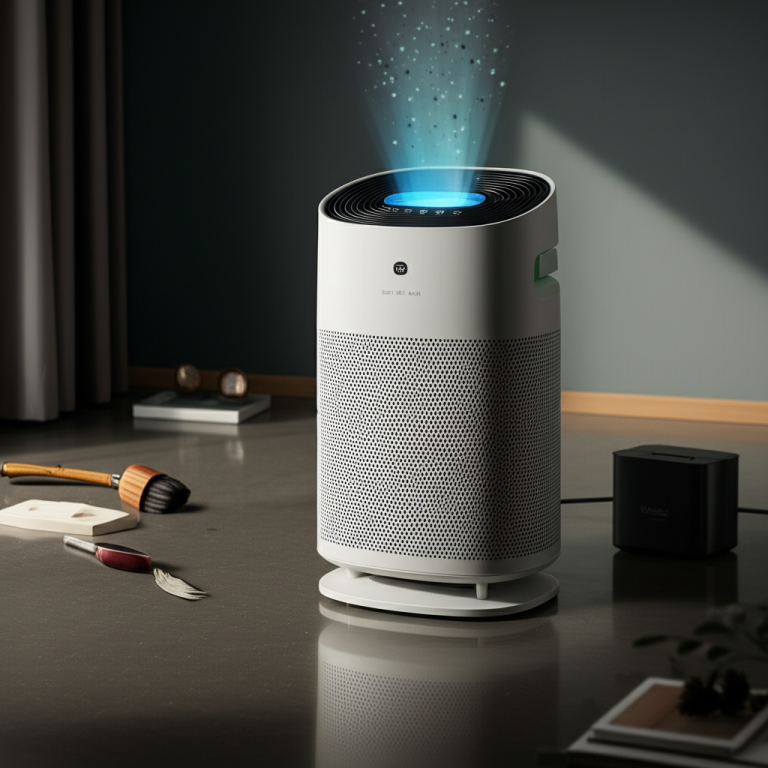
Ionic Air Purifier With HEPA Filter: Essential Clean Air

An ionic air purifier with HEPA filter is a powerful tool for achieving essential clean air in your home. It combines advanced technologies to capture tiny particles, allergens, and pollutants, creating a healthier living environment. This guide explains how this essential clean air solution works and why it’s vital for your well-being.
For many of us, breathing fresh, clean air at home feels like a luxury we can’t always achieve. Dust, pollen, pet dander, and even tiny viruses can float around unseen, impacting our health and comfort. It can be frustrating to constantly battle these airborne irritants, leading to allergies, breathing difficulties, and general discomfort. But what if there was a simple, effective way to significantly improve your indoor air quality? This guide will walk you through the benefits and workings of an ionic air purifier with a HEPA filter, showing you how it can bring essential clean air into your life.
Why Clean Air Matters for Your Home
Clean air is more than just the absence of bad smells. It’s about the quality of the air you and your family breathe every single day. Indoor air can often be more polluted than outdoor air, due to common household items and activities. This poor air quality can lead to a range of health issues, from headaches and fatigue to more serious respiratory problems. Ensuring your home has essential clean air is a proactive step towards a healthier lifestyle.
Understanding Air Purifier Technologies
Air purifiers use different methods to clean the air. Some use fans to pull air through filters. Others use technologies like UV light or activated carbon. An ionic air purifier with HEPA filter combines two powerful approaches. It uses an ionizer to release charged particles into the air. These particles then attach to airborne pollutants. A HEPA filter then captures these larger, now-charged particles.
How an Ionic Air Purifier Works
An ionic air purifier uses a process called ionization. It emits negative ions into the air. These negative ions are like tiny magnets for airborne particles. They attach themselves to dust, pollen, mold spores, and other irritants. This process helps to clump these particles together. This makes them heavier and causes them to fall to the ground. It also makes them easier for a filter to capture.
The Power of a HEPA Filter
HEPA stands for High-Efficiency Particulate Air. A true HEPA filter is designed to capture at least 99.97% of airborne particles. These particles must be as small as 0.3 microns. This includes common allergens like dust mites, pet dander, pollen, and mold spores. When used in an ionic air purifier with HEPA filter, it provides a robust defense against a wide range of indoor air pollutants.
Combining Ionization and HEPA Filtration
The real magic of an ionic air purifier with HEPA filter lies in its combined approach. The ionizer helps to electrically charge particles, making them stick together and to surfaces. The HEPA filter then acts as a physical barrier, trapping these charged particles and other microscopic debris. This dual action ensures a more thorough cleaning of your indoor air than either technology could achieve alone. This creates truly essential clean air.
Benefits of an Ionic Air Purifier with HEPA Filter
Using an ionic air purifier with HEPA filter offers numerous advantages. It can significantly reduce allergens in your home, providing relief for allergy sufferers. It also helps to eliminate odors from pets, cooking, and smoke. By removing airborne bacteria and viruses, it can contribute to a healthier environment, especially during cold and flu seasons. This leads to better sleep and overall well-being.
Key Benefits:
Allergen Reduction: Captures dust, pollen, pet dander, and mold spores.
Odor Elimination: Neutralizes unpleasant smells from various sources.
Health Protection: Removes airborne bacteria and viruses.
Improved Sleep: Cleaner air can lead to more restful nights.
* Reduced Dusting: Traps particles before they settle on surfaces.
Potential Downsides and Considerations
While beneficial, it’s important to be aware of potential downsides. Some ionic purifiers can produce ozone as a byproduct. Ozone can be harmful to respiratory health in larger quantities. Look for models that are certified as low-ozone or ozone-free. Also, HEPA filters need regular replacement. This is an ongoing cost to consider. Always check the manufacturer’s recommendations for filter life and replacement frequency.
Choosing the Right Ionic Air Purifier with HEPA Filter
When selecting an ionic air purifier with HEPA filter, several factors are important. Consider the size of the room you need to purify. Look for a unit with a Clean Air Delivery Rate (CADR) appropriate for your space. Check for certifications like ENERGY STAR for energy efficiency. Also, read reviews to gauge performance and user satisfaction. Some models offer additional features like air quality sensors and smart connectivity.
How to Use and Maintain Your Air Purifier
Proper use and maintenance are key to getting the most from your ionic air purifier with HEPA filter. Place the unit in a central location in the room. Ensure it has space around it for good airflow. Regularly clean the pre-filter if your model has one. This can extend the life of the main HEPA filter. Replace the HEPA filter according to the manufacturer’s instructions. This is usually every 6-12 months.
Comparing Air Purifier Types
| Type of Air Purifier | How it Works | Best For | Considerations |
| :————————– | :—————————————————- | :——————————————————————– | :————————————————————————– |
| Ionic Air Purifier | Releases ions to charge particles, causing them to settle | Small particles, odors | Potential ozone production, requires filter for effectiveness. |
| HEPA Air Purifier | Filters air through a dense mesh to trap particles | Allergens, dust, smoke, pet dander | Filters need regular replacement, can be noisy. |
| Activated Carbon Filter | Absorbs gases and odors | VOCs, smoke, cooking smells | Doesn’t remove particles, needs replacement. |
| Ionic with HEPA Filter | Combines ionization with HEPA filtration | Comprehensive cleaning of allergens, odors, and fine particles | Choose low-ozone models, filter replacement cost. |
This table highlights how an ionic air purifier with HEPA filter offers a comprehensive solution. It addresses both particle removal and the clumping of smaller particles for easier capture.
Real-World Impact: Cleaner Air, Healthier Lives
Many users report significant improvements after using an ionic air purifier with HEPA filter. Allergy symptoms like sneezing and itchy eyes often decrease. People sensitive to pet dander notice a difference. Homes feel fresher, and lingering odors are reduced. This technology contributes to a more comfortable and healthier living space for everyone. A study by the U.S. Environmental Protection Agency (EPA) highlights the benefits of air filtration in improving indoor air quality.
Frequently Asked Questions
What is the main benefit of an ionic air purifier with HEPA filter?
The main benefit is its dual-action approach to cleaning air. It uses ions to help clump particles, making them easier for the HEPA filter to trap, leading to cleaner air.
Can an ionic air purifier with HEPA filter remove viruses?
Yes, a true HEPA filter can capture very small particles, including many airborne viruses. The ionization process also helps to deactivate some microorganisms.
How often do I need to replace the HEPA filter?
This depends on the model and usage. Typically, HEPA filters need replacement every 6 to 12 months. Always check your manufacturer’s manual for specific recommendations.
Is ozone from ionic purifiers dangerous?
Some ionic purifiers can produce ozone. High levels of ozone can be harmful. Look for models certified as low-ozone or ozone-free to ensure safety.
Where is the best place to put an ionic air purifier with HEPA filter?
Place it in the room where you spend the most time, like a bedroom or living room. Ensure it has at least a foot of clearance around it for optimal airflow.
Do ionic air purifiers with HEPA filters work for smoke?
Yes, they are very effective at removing smoke particles and associated odors. The HEPA filter captures the soot and particulate matter, while the ionizer can help with some odor molecules.
Conclusion: Invest in Your Home’s Health
An ionic air purifier with HEPA filter is an excellent investment for anyone seeking essential clean air. It effectively tackles a wide range of indoor pollutants, from common allergens to microscopic irritants. By combining the power of ionization with the proven efficiency of HEPA filtration, these units offer a comprehensive solution for a healthier home environment. Remember to choose a reputable brand, consider your room size, and follow maintenance guidelines for optimal performance. Bringing an effective air purifier into your home is a vital step towards better health and well-being for your family.