
HVAC Air Purifier Reviews: Essential Guide

HVAC air purifier reviews are essential for understanding how these systems can significantly improve your home’s air quality by integrating directly into your existing heating and cooling. This guide provides a comprehensive look at the best options, features to consider, and expert insights to help you make an informed decision for a healthier living environment.
Breathing cleaner air at home is more important than ever, and your HVAC system can be a powerful ally in this mission. Many homeowners struggle with common indoor air pollutants like dust, pollen, pet dander, and even microscopic viruses. The frustration of constantly battling allergies or worrying about airborne contaminants can be overwhelming. Fortunately, integrating an HVAC air purifier offers a whole-house solution that goes beyond portable units. This guide will walk you through everything you need to know about HVAC air purifier reviews, helping you choose the right system for your needs.
Why Consider an HVAC Air Purifier?
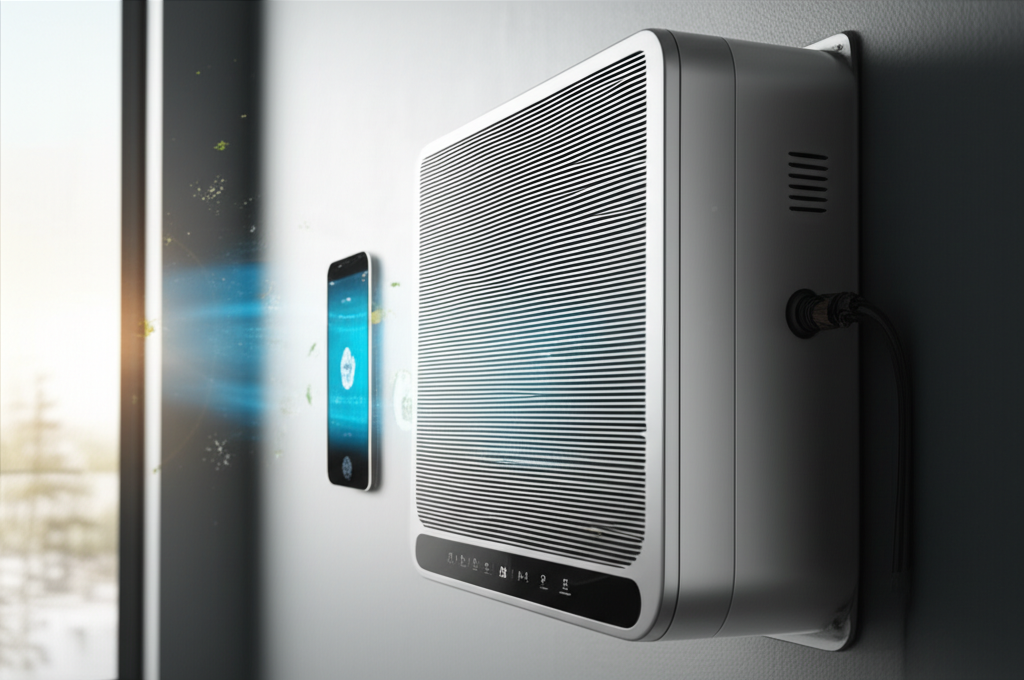
An HVAC air purifier, also known as an air cleaner or whole-house air filter, works by trapping airborne particles as your heating and cooling system circulates air. Unlike portable purifiers that only treat the air in a single room, an HVAC unit cleans the air throughout your entire home. This offers a more comprehensive and convenient approach to improving indoor air quality.
The Environmental Protection Agency (EPA) highlights that indoor air can be two to five times more polluted than outdoor air, making effective filtration crucial for health. Investing in an HVAC air purifier means you’re addressing the root of air circulation in your home, leading to fewer allergens, reduced odors, and a generally healthier living space.
Understanding HVAC Air Purifier Technologies
HVAC air purifiers employ various technologies to capture pollutants. Understanding these can help you make a more informed choice based on your specific air quality concerns. Each method has its strengths and weaknesses in terms of effectiveness, maintenance, and cost.
HEPA Filters: The Gold Standard
High-Efficiency Particulate Air (HEPA) filters are widely recognized for their effectiveness. True HEPA filters are certified to capture at least 99.97% of airborne particles 0.3 microns in size. This includes common allergens like pollen, dust mites, and pet dander.
These filters are mechanical, meaning they physically trap particles as air passes through them. While highly effective, they can be more restrictive to airflow, potentially impacting your HVAC system’s efficiency if not properly selected. Regular replacement is key to maintaining their performance.
Activated Carbon Filters: Tackling Odors and VOCs
Activated carbon filters excel at removing gases, odors, and volatile organic compounds (VOCs) from the air. They work through adsorption, where gas molecules chemically bond to the porous surface of the carbon. This makes them excellent for homes with pets, smokers, or those concerned about chemical off-gassing from furniture and cleaning products.
Often used in conjunction with HEPA filters, activated carbon provides a dual-action approach to air purification. The effectiveness of carbon filters depends on the amount of carbon used and the contact time air has with it. They also require periodic replacement to remain effective.
Electrostatic Filters: Reusable and Effective
Electrostatic filters use static electricity to attract and capture particles. They typically consist of self-charging media that generates an electrical charge as air passes through. This charge attracts oppositely charged particles, pulling them out of the airstream.
A significant advantage of electrostatic filters is their reusability; they can often be washed and reused, reducing long-term costs. However, their efficiency can sometimes be lower than HEPA filters, and they may not be as effective against the smallest particles. Some models may also produce small amounts of ozone.
UV-C Light Purifiers: Sanitizing the Air
Ultraviolet germicidal irradiation (UV-C) purifiers use UV light to kill or inactivate airborne microorganisms like bacteria, viruses, and mold spores. The UV-C light damages the DNA or RNA of these pathogens, rendering them harmless. These systems are typically installed within the HVAC ductwork.
UV-C light is effective at sanitizing the air but does not physically remove particles like dust or pollen. Therefore, they are often used in combination with other filtration methods to provide comprehensive air treatment. The effectiveness depends on the UV bulb’s intensity and the exposure time.
Key Features to Look for in HVAC Air Purifier Reviews
When sifting through HVAC air purifier reviews, certain features consistently stand out as critical for performance, convenience, and value. Focusing on these aspects will help you narrow down your options and find a system that truly meets your needs.
MERV Rating: Measuring Filtration Efficiency
The MERV (Minimum Efficiency Reporting Value) rating is a standard used to measure the effectiveness of air filters. Ratings range from 1 to 20, with higher numbers indicating better filtration. For residential HVAC systems, MERV ratings between 8 and 13 are generally recommended for a good balance of filtration and airflow.
Higher MERV ratings, like those found in HEPA-grade filters (often expressed as MPR or FPR), offer superior particle capture. However, it’s crucial to ensure your HVAC system can handle the increased airflow resistance associated with higher MERV filters. Consulting your HVAC technician is advisable.
Airflow Resistance (Pressure Drop)
Airflow resistance, often measured as pressure drop, indicates how much the filter impedes the airflow from your HVAC system. A high pressure drop can strain your system, reduce its efficiency, and potentially lead to premature wear. This is why selecting a filter with an appropriate MERV rating for your system is vital.
Manufacturers often provide pressure drop data for their filters. It’s essential to compare this with your HVAC system’s specifications. A filter that’s too restrictive can negate the benefits of improved air quality by making your system work harder.
Filter Lifespan and Replacement Costs
The lifespan of an HVAC air purifier filter varies significantly based on the type of filter, the amount of air pollution in your home, and how often your HVAC system runs. Some filters last only a few months, while others, particularly more robust media filters, can last up to a year.
Consider the ongoing cost of replacement filters. While a more expensive initial unit might have cheaper replacement filters, or vice versa, it’s the total cost of ownership that matters. Factor in how easy it is to access and replace the filter.
Ease of Installation and Maintenance
While professional installation is often recommended for whole-house HVAC air purifiers, some simpler filter upgrades can be a DIY project. For integrated systems, the installation complexity can vary. After installation, maintenance usually involves periodic filter replacement.
The accessibility of the filter housing within your ductwork is a key consideration. If it’s difficult to reach, replacing the filter can become a more involved and costly process, even if you do it yourself.
Top HVAC Air Purifier Reviews & Recommendations
Based on expert opinions and user feedback, several HVAC air purifier options stand out for their performance and reliability. These recommendations cover different needs and budgets, providing a starting point for your search.
Carrier Infinity Air Purifier
The Carrier Infinity Air Purifier is a highly regarded whole-house solution known for its advanced filtration capabilities. It utilizes a Captures & Kills technology that traps particles and then uses an electrical charge to neutralize captured microbes. This system is designed to work seamlessly with compatible Carrier Infinity® systems.
Its multi-stage filtration process effectively captures a wide range of airborne contaminants, from dust and pollen to bacteria and viruses. The system is designed for low maintenance, with filters that typically last up to a year. It offers excellent protection for the entire home.
Honeywell Whole House Air Cleaner
Honeywell offers a range of whole-house air cleaning solutions, with models like the F300E Electronic Air Cleaner being popular choices. These electronic air cleaners use an electrostatic process to capture particles. They are known for their effectiveness in trapping fine dust, pollen, and other allergens.
A key benefit of Honeywell’s electronic air cleaners is their reusable filter media, which can be washed. This significantly reduces long-term replacement costs. While they require regular cleaning, they provide a cost-effective way to improve indoor air quality throughout the home.
Filtrete Whole House Air Filters
Filtrete, a brand from 3M, offers a line of high-efficiency whole-house air filters designed to fit standard HVAC systems. Their filters often feature a high MERV rating, providing excellent particle capture. They are a popular choice for homeowners looking for a straightforward upgrade to their existing air filtration.
These filters are designed for easy replacement and are widely available. They offer a significant improvement over standard 1-inch furnace filters, effectively reducing dust, dander, and other common indoor pollutants. Their performance makes them a solid option for general air quality improvement.
Aprilaire Whole-Home Air Purifiers
Aprilaire is a well-respected name in indoor air quality solutions, and their whole-home air purifiers are no exception. Their models, such as the Aprilaire 5000 Series Air Purifier, offer robust filtration with high MERV ratings, often approaching HEPA-level performance without excessive airflow resistance.
These systems are designed for long-term use and effective whole-house coverage. They are known for their durability and the significant reduction in airborne particles they provide. Aprilaire purifiers are a strong investment for those prioritizing comprehensive air cleaning.
Comparing HVAC Air Purifier Technologies
To help visualize the differences, here’s a comparison of the common HVAC air purifier technologies:
| Technology | Primary Function | Particle Removal Efficiency (Typical) | Odor/Gas Removal | Maintenance | Cost (Initial/Ongoing) |
| :——————- | :——————————————— | :———————————— | :————— | :———————– | :——————— |
| HEPA Filters | Traps particles (dust, pollen, dander) | ≥99.97% of 0.3 microns | Low | Replace (3-12 months) | Moderate/Moderate |
| Activated Carbon | Adsorbs odors, gases, VOCs | N/A (for gases) | High | Replace (3-12 months) | Low/Moderate |
| Electrostatic | Uses static charge to attract particles | Moderate to High (depends on model) | Low | Wash/Clean (monthly) | Moderate/Low |
| UV-C Light | Inactivates/kills microbes (bacteria, viruses) | N/A (for particles) | N/A | Replace bulb (1-2 years) | Moderate/Moderate |
This table illustrates that often, the most effective solutions involve a combination of technologies, such as a HEPA filter paired with an activated carbon stage, or an electronic filter supplemented with UV-C light.
Factors Affecting Your Decision
Choosing the right HVAC air purifier involves more than just looking at the highest MERV rating. Several personal and home-specific factors should influence your decision. Understanding these will lead to a more satisfactory outcome.
Your Specific Air Quality Concerns
Are you primarily concerned about allergies, or do you have pets that contribute to odors? Perhaps you live near a busy road and worry about outdoor pollutants entering your home. Identifying your main concerns will help you prioritize certain technologies. For instance, severe allergies might point towards HEPA, while pet odors suggest a strong need for activated carbon.
Your HVAC System’s Capabilities
Not all HVAC systems are designed to handle high-efficiency filters without adjustments. Older systems or those with weaker blower motors might struggle with filters that have high airflow resistance. It’s always best to consult with an HVAC professional to ensure compatibility and prevent potential damage.
Budget and Ongoing Costs
HVAC air purifiers range in price from a few hundred dollars for basic filter upgrades to several thousand for integrated electronic systems. Consider not only the upfront cost but also the ongoing expenses for replacement filters or bulb replacements. Some reusable options might have a higher initial cost but lower long-term expenses.
Home Size and Layout
A whole-house system is designed to cover your entire living space. However, the effectiveness can depend on your home’s size, layout, and how well your ductwork is sealed. For very large homes or those with complex duct systems, you might need a more powerful unit or professional consultation to ensure adequate coverage.
Expert Insights and User Experiences
Real-world experiences and expert opinions offer valuable perspectives that go beyond product specifications. Listening to both can provide a balanced view of what to expect.
“For many of my clients, especially those with respiratory issues, upgrading to a whole-house air purifier has been life-changing. The consistent improvement in air quality is noticeable and quantifiable.” – Sarah Chen, Certified Indoor Air Quality Specialist.
Many users report significant relief from allergy symptoms after installing a whole-house air purifier. Common feedback highlights a reduction in dust accumulation on surfaces and a fresher smell throughout the home. Some users mention a slight increase in their energy bills, which can be attributed to the HVAC system working slightly harder. However, the health benefits are often cited as outweighing this minor cost.
Installation and Maintenance Best Practices
Proper installation and consistent maintenance are crucial for the optimal performance of any HVAC air purifier. Neglecting these steps can reduce effectiveness and potentially harm your HVAC system.
Professional Installation Recommended
For integrated electronic air cleaners or complex filtration systems, professional installation by a qualified HVAC technician is highly recommended. They can ensure the unit is correctly sized for your system, properly sealed into the ductwork, and that your system’s airflow is not compromised. This also ensures any warranties remain valid.
Regular Filter Checks and Replacements
Adhere to the manufacturer’s recommended schedule for checking and replacing filters. This is often indicated by a visual indicator, a change in airflow, or a set timeframe (e.g., every 6-12 months). Overdue filters become clogged, reducing airflow and filtration efficiency, and can even become a source of mold growth.
Cleaning Electronic Air Cleaner Components
If you have an electronic air cleaner, follow the manufacturer’s instructions for cleaning the collector plates or media. This typically involves washing them periodically, often monthly. Ensure components are completely dry before reassembly to prevent electrical issues.
Frequently Asked Questions (FAQs)
What is the difference between a portable air purifier and an HVAC air purifier?
A portable air purifier cleans the air in a single room, while an HVAC air purifier is integrated into your home’s central heating and cooling system to clean air throughout the entire house.
How often do HVAC air purifier filters need to be replaced?
Filter lifespan varies greatly by type and usage, typically ranging from 3 months to over a year. Always check the manufacturer’s recommendations for your specific model.
Can an HVAC air purifier improve my allergy symptoms?
Yes, by effectively capturing allergens like pollen, dust mites, and pet dander from the circulated air, an HVAC air purifier can significantly reduce allergy triggers within your home.
Will an HVAC air purifier increase my energy bill?
While a high-efficiency filter can slightly increase the workload on your HVAC system, leading to a minor increase in energy consumption, modern designs aim to minimize this impact. The health benefits often outweigh this small cost.
Are UV-C light purifiers effective on their own?
UV-C lights are primarily for sanitizing air by killing microbes. They do not remove particles like dust or pollen, so they are most effective when used in conjunction with other filtration methods.
How do I know which MERV rating is best for my system?
For most residential systems, MERV 8-13 offers a good balance. However, it’s best to consult your HVAC technician to determine the highest MERV rating your specific system can safely handle without compromising airflow.
Conclusion: Breathe Easier with the Right HVAC Air Purifier
Investing in an HVAC air purifier is a proactive step towards a healthier home environment. By understanding the different technologies available, key features to look for in HVAC air purifier reviews, and your home’s specific needs, you can make an informed decision. Whether you’re battling allergies, concerned about pollutants, or simply seeking fresher air, a whole-house solution offers unparalleled convenience and effectiveness.
Take the time to research options, consult with professionals, and consider the long-term benefits. A cleaner, healthier home awaits.
To stay updated on the latest in home health technology and air quality solutions, consider subscribing to our newsletter.
