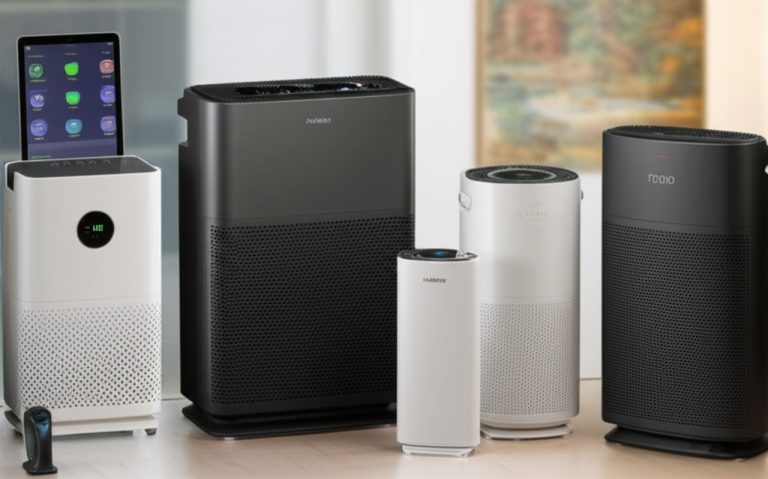
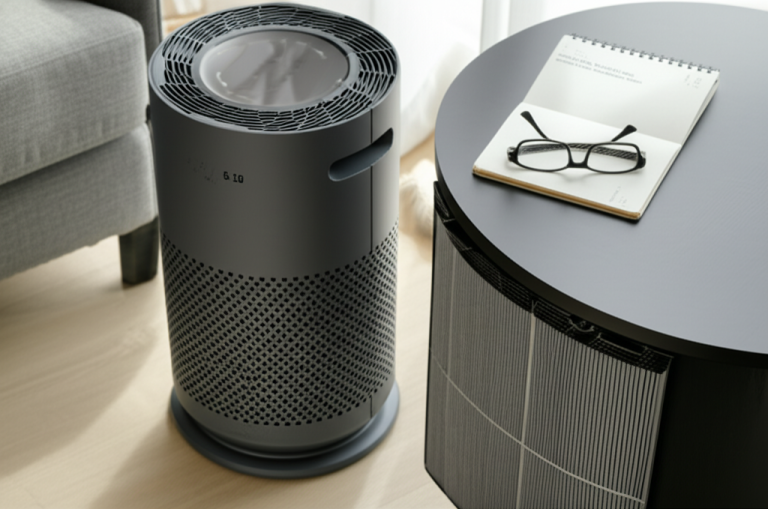
How To Pick The Best Air Purifier For Your Home: Genius Guide

To pick the best air purifier for your home, assess your specific needs regarding room size, allergen types, and budget. Understand HEPA filters for particles, activated carbon for gases, and CADR ratings for effectiveness. Consider noise levels and maintenance costs to make an informed, healthy choice.
Breathing clean air at home is more important than ever, yet the sheer variety of air purifiers can make choosing the right one feel overwhelming. You might be dealing with allergies, pet dander, or concerns about indoor air pollution, and you’re looking for a real solution. This guide will simplify the process, helping you understand exactly how to pick the best air purifier for your home with confidence. We’ll break down the key features and considerations so you can breathe easier.
Why an Air Purifier Matters for Your Home
An air purifier is designed to remove pollutants from the air in a specific room or area. These tiny devices can significantly improve indoor air quality by trapping allergens, dust, smoke, mold spores, and even certain viruses and bacteria. For households with allergy sufferers, asthmatics, or those concerned about general health, an air purifier can be a game-changer, creating a healthier living environment.
Investing in an air purifier can lead to fewer allergy flare-ups and a general sense of well-being. It’s a proactive step towards a healthier home.
Understanding Your Home’s Air Quality Needs
Before you start looking at specific models, it’s crucial to identify what you want your air purifier to achieve. Are you primarily concerned about seasonal allergies like pollen, or is it pet dander and odor control? Perhaps you live in an area with high outdoor pollution or have concerns about VOCs (volatile organic compounds) from household products. Pinpointing your main concerns will help narrow down the best type of filtration and features.
Knowing your specific air quality issues ensures you buy a device that effectively addresses them. This targeted approach prevents you from overspending on unnecessary features.
Key Air Purifier Technologies Explained
Air purifiers use various technologies to clean your air. The most common and effective is a High-Efficiency Particulate Air (HEPA) filter, which captures at least 99.97% of airborne particles 0.3 microns in size. Activated carbon filters are excellent for absorbing odors, gases, and VOCs. Other technologies include UV-C light for germicidal effects and ionizers, though the latter can sometimes produce ozone, which is a lung irritant.
HEPA Filters: Essential for trapping microscopic particles like dust mites, pollen, pet dander, and mold spores.
Activated Carbon Filters: Ideal for neutralizing odors from cooking, pets, smoke, and chemical fumes.
Pre-filters: Capture larger particles like hair and lint, extending the life of the main HEPA filter.
For a comprehensive approach, look for purifiers that combine HEPA and activated carbon filtration. This dual action tackles both particulate matter and gaseous pollutants effectively.
How to Choose the Right Size and CADR Rating
The effectiveness of an air purifier is often measured by its Clean Air Delivery Rate (CADR). This rating, provided by the Association of Home Appliance Manufacturers (AHAM), indicates how quickly the unit can filter the air in a room of a specific size. Higher CADR ratings mean faster air cleaning. You’ll typically find separate CADR ratings for smoke, dust, and pollen.
When selecting an air purifier, match its CADR to your room’s square footage. A common recommendation is to choose a unit with a CADR that is at least two-thirds of the room’s square footage. For example, a 150 sq ft room would benefit from a purifier with a CADR of at least 100 for smoke.
This table provides a general guideline for matching CADR to room size:
| Room Size (sq ft) | Recommended Smoke CADR | Recommended Dust CADR | Recommended Pollen CADR |
| :—————- | :——————– | :——————– | :———————- |
| 100–150 | 75–100 | 80–105 | 85–110 |
| 150–250 | 100–150 | 110–160 | 120–170 |
| 250–400 | 150–200 | 160–220 | 170–240 |
| 400–600 | 200–250 | 220–280 | 240–300 |
Always check the manufacturer’s specifications for room coverage recommendations. It’s often better to slightly oversize than undersize for optimal performance.
Filter Replacement and Maintenance Costs
Air purifiers require ongoing maintenance, primarily filter replacement. HEPA filters typically need to be replaced every 6 to 12 months, depending on usage and air quality, while activated carbon filters may need replacing more frequently. These replacement filters represent an ongoing cost that you should factor into your budget.
Always check the cost and availability of replacement filters before purchasing an air purifier. Some brands offer subscription services for filters, which can sometimes offer a discount.
A study by the Environmental Protection Agency (EPA) highlights the importance of regular filter changes for maintaining performance and avoiding increased energy consumption. Proper maintenance ensures your air purifier continues to operate effectively.
Noise Levels and Energy Consumption
Air purifiers operate with fans, which generate noise. The noise level is usually measured in decibels (dB) and is often listed for different fan speeds. For bedrooms or quiet living spaces, look for models with low decibel ratings on their lower settings, ideally below 50 dB. Many purifiers have a “sleep mode” that operates at a very low, unobtrusive sound level.
Energy consumption is another factor to consider, especially if you plan to run the purifier 24/7. Look for ENERGY STAR certified models, which are designed to be more energy-efficient. While higher CADR units might consume more power, efficient design can mitigate this.
Additional Features to Consider
Beyond the core filtration, many air purifiers come with a range of convenient features. Smart capabilities, such as Wi-Fi connectivity and app control, allow you to monitor air quality, adjust settings, and set schedules remotely. Some models include air quality sensors that automatically adjust fan speed based on detected pollution levels. Other useful features can include timers, filter replacement indicators, and child locks.
Air Quality Indicators: Real-time feedback on your indoor air.
Auto Mode: Adjusts fan speed automatically.
Smart Connectivity: Control via smartphone app.
* Timers: Set specific operating durations.
Decide which of these extra features are genuinely beneficial for your lifestyle and budget. Not all advanced features are essential for everyone.
Top Air Purifier Brands and Models
When you’re ready to explore specific products, several reputable brands consistently offer high-quality air purifiers. Companies like Coway, Blueair, Levoit, and Winix are frequently recommended for their performance, durability, and range of models. For instance, the Coway Airmega series is often praised for its effective multi-stage filtration and smart features. Blueair is known for its sleek design and quiet operation.
Researching reviews for specific models from trusted sources can provide valuable insights into real-world performance and user satisfaction. Look for reviews that detail performance in rooms similar to yours and address your primary concerns.
How to Pick the Best Air Purifier for Your Home: A Quick Checklist
To summarize how to pick the best air purifier for your home, follow these steps:
1. Assess Your Needs: Identify pollutants (allergens, odors, smoke) and room size.
2. Check Filtration: Prioritize True HEPA and activated carbon filters.
3. Review CADR: Match the Clean Air Delivery Rate to your room dimensions.
4. Consider Costs: Factor in initial purchase price and ongoing filter replacement expenses.
5. Evaluate Noise & Energy: Look for low dB ratings and ENERGY STAR certification.
6. Explore Features: Decide if smart controls or air quality sensors are important.
7. Research Brands: Read reviews for reputable manufacturers like Coway, Blueair, Levoit, and Winix.
By systematically going through these points, you can confidently select an air purifier that will make a noticeable difference in your home’s air quality.
Frequently Asked Questions About Air Purifiers
What is a “True HEPA” filter?
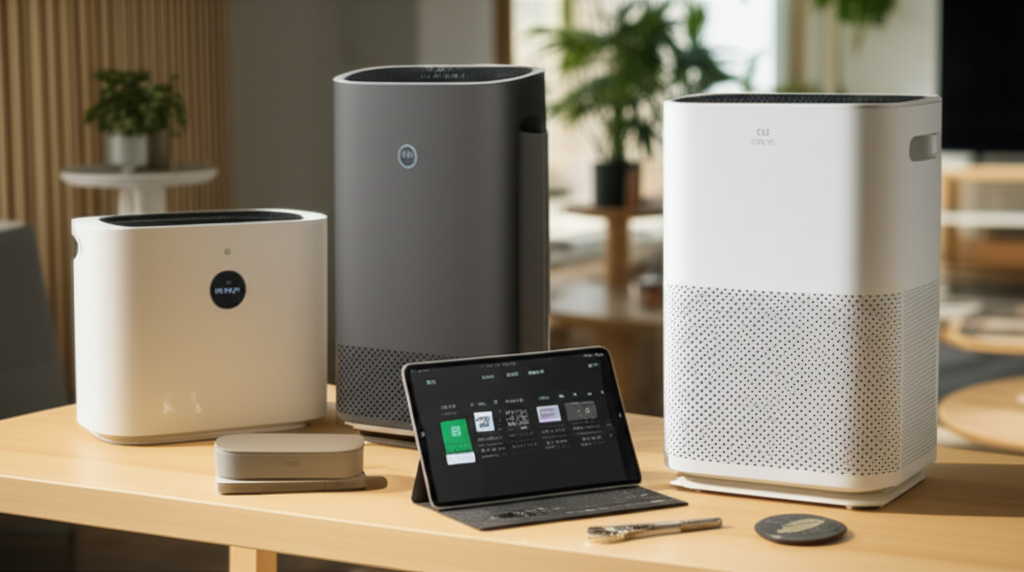
A “True HEPA” filter meets a strict standard, capturing at least 99.97% of airborne particles that are 0.3 microns in size. This is crucial for effectively removing allergens and fine dust.
How often should I replace the filters?
Filter replacement frequency varies by model and usage, but typically HEPA filters need changing every 6-12 months, and activated carbon filters every 3-6 months. Always check the manufacturer’s recommendations.
Can air purifiers help with pet odors?
Yes, air purifiers with activated carbon filters are very effective at absorbing and neutralizing pet odors. A good pre-filter also helps capture pet dander and hair.
Are air purifiers noisy?
Some air purifiers can be noisy on their highest settings, but many offer quieter modes or sleep functions. Look for models with low decibel ratings for peace and quiet.
Do air purifiers use a lot of electricity?
Energy consumption varies, but many modern air purifiers, especially ENERGY STAR certified models, are quite energy-efficient. Running them on lower settings significantly reduces power usage.
Is ozone from air purifiers dangerous?
Ozone can be a lung irritant. Air purifiers that intentionally produce ozone are generally not recommended by health organizations like the EPA. Opt for ozone-free technologies.
Conclusion
Choosing the best air purifier for your home doesn’t have to be complicated. By understanding your specific air quality concerns, the different filtration technologies available, and key performance metrics like CADR, you can make an informed decision. Remember to consider the ongoing costs of filter replacements and the unit’s noise and energy efficiency. With the right air purifier, you can create a healthier, more comfortable living space for you and your family.
For more information on improving your home’s air quality, explore our guides on indoor air pollutants and managing allergies at home.