Difference Between Air Purifier and Fan: Essential Guide

The main difference between an air purifier and a fan is their primary function: fans circulate air, while air purifiers clean it by removing pollutants. Understanding this distinction is crucial for improving your home’s air quality and comfort.
Ah, the age-old question for anyone looking to improve their home environment: air purifier or fan? It’s easy to get them confused because both involve moving air around. But trust me, their purposes are worlds apart, and choosing the right one can make a huge difference in how you breathe and feel. If you’ve ever wondered whether that whirring device is just cooling you down or actually cleaning your air, you’re in the right place. I’m here to break down the difference between air purifier and fan in a way that’s simple and clear, so you can make the best choice for your home. Let’s dive in and uncover what each appliance truly does.
What Exactly is a Fan?
A fan’s primary job is simple: to move air. It creates airflow, which can make you feel cooler by evaporating sweat from your skin and by pushing stagnant, warm air away. Think of it as a personal breeze generator, offering immediate relief on a hot day.
Fans don’t filter or change the air’s composition; they just redistribute what’s already there. This circulation can help prevent air from feeling stuffy. Many people find the gentle movement of air from a fan to be quite comforting.
How Does an Air Purifier Work?
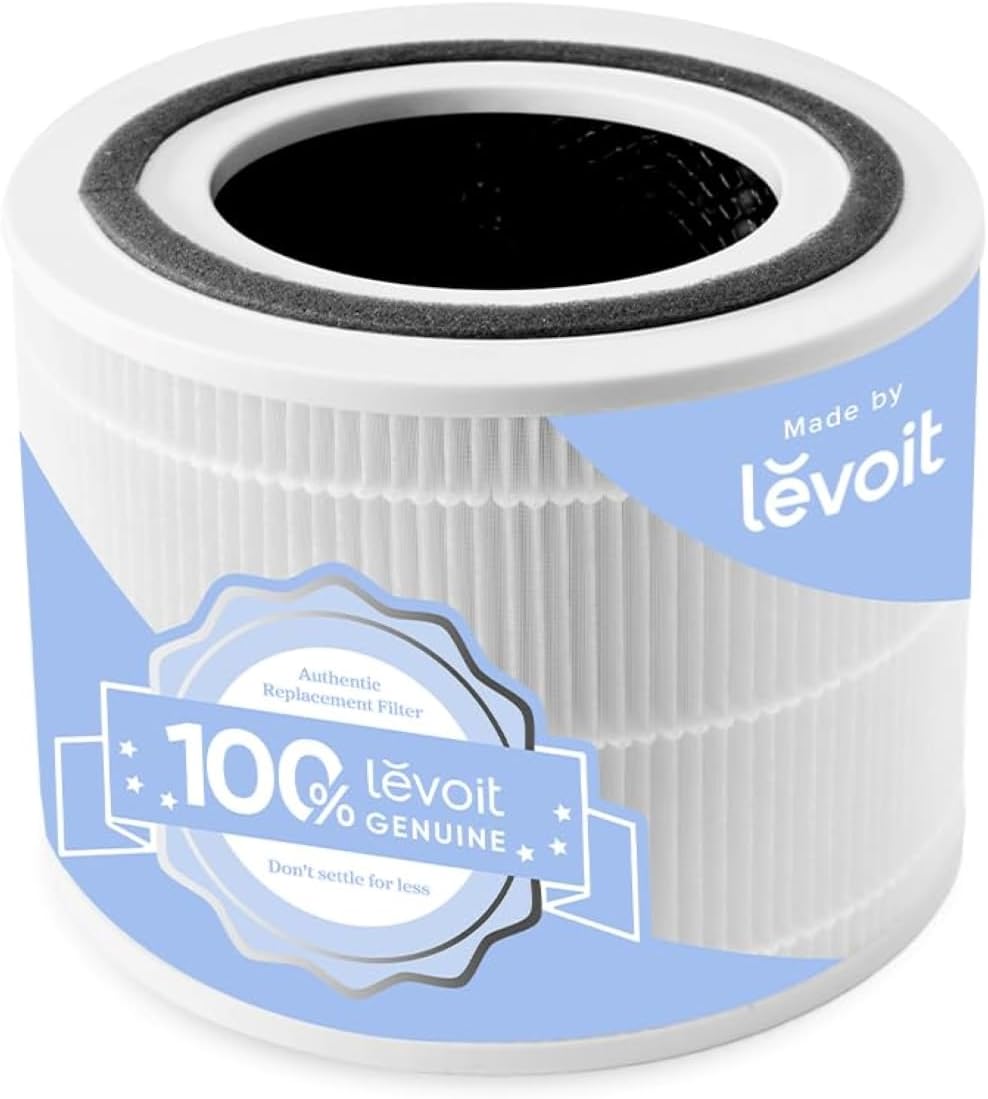
An air purifier, on the other hand, is designed to actively clean the air. It draws in air from your room and passes it through a series of filters. These filters trap airborne particles like dust, pollen, pet dander, mold spores, and even microscopic pollutants like smoke and VOCs.
The clean air is then released back into the room. This process significantly reduces the concentration of allergens and irritants, leading to healthier indoor air quality. Some purifiers also use technologies like activated carbon to remove odors and gases.
Key Differences at a Glance
| Feature | Fan | Air Purifier |
| :————— | :———————————– | :———————————————- |
| Primary Function | Air circulation, cooling effect | Air purification, pollutant removal |
| Mechanism | Blades move air | Filters trap particles, fan circulates air |
| Air Quality | No improvement, just movement | Improves by removing allergens and pollutants |
| Noise Level | Varies, can be noticeable | Varies, often quieter than high-speed fans |
| Energy Use | Generally lower | Varies, can be higher depending on features |
| Cost | Generally lower | Generally higher initial cost and filter replacement |
This table quickly highlights the core difference between air purifier and fan in terms of their function and impact on your environment.
The Cooling vs. Cleaning Conundrum
The most significant difference between air purifier and fan lies in their impact on air quality versus immediate comfort. A fan directly addresses the feeling of heat by creating airflow, offering a sensation of coolness. It’s about making the existing air feel better.
An air purifier, however, focuses on the quality of the air itself. It removes harmful or irritating particles that you might not even see, contributing to a healthier living space over time. It doesn’t necessarily cool the air, but it makes the air you breathe cleaner.
Understanding Airflow and Filtration
Fans are all about airflow volume. They use rotating blades to push air outwards, creating a breeze. The stronger the fan, the more air it moves, and the more pronounced the cooling sensation.
Air purifiers also use fans, but their core technology is filtration. They pull air through sophisticated filters, such as HEPA (High-Efficiency Particulate Air) filters, which are designed to capture a very high percentage of tiny particles. The fan in an air purifier is there to facilitate the filtration process.
When to Choose a Fan
You should opt for a fan when your primary concern is immediate cooling or simply circulating air in a stuffy room. If you’re feeling hot and need a quick way to feel more comfortable, a fan is your go-to solution. They are excellent for providing a personal cooling zone.
Fans are also a good choice for basic ventilation, helping to prevent odors from lingering or making a room feel less stagnant. They are generally more affordable and consume less energy than air purifiers.
When to Choose an Air Purifier
An air purifier is essential if you or someone in your household suffers from allergies, asthma, or other respiratory sensitivities. They are crucial for removing common allergens like dust mites, pollen, and pet dander from the air. The difference between air purifier and fan becomes critical here for health.
Consider an air purifier if you live in an area with poor outdoor air quality, near a busy road, or if you have concerns about indoor pollutants like smoke, mold spores, or volatile organic compounds (VOCs) from cleaning products and furniture. According to the Environmental Protection Agency (EPA), indoor air can be two to five times more polluted than outdoor air, making purifiers valuable.
The Role of HEPA Filters
HEPA filters are a hallmark of effective air purifiers and represent a key difference between air purifier and fan. A true HEPA filter is certified to remove at least 99.97% of airborne particles 0.3 microns in size. This includes tiny allergens and irritants that fans simply blow around.
Fans do not have filters designed to capture these microscopic particles. Their blades might move dust, but they don’t trap it. This ability to capture such small particles is what makes air purifiers so beneficial for health.
Beyond Filtration: Activated Carbon and Other Technologies
Many air purifiers go a step further than just HEPA filtration. They often include activated carbon filters, which are excellent at adsorbing odors, gases, and volatile organic compounds (VOCs). This is another significant difference between air purifier and fan.
Activated carbon works like a sponge for smells and chemicals. While a fan might just move the smell around, an air purifier with carbon filtration can actually neutralize it. Some advanced purifiers also use UV-C light or ionizers to further tackle airborne contaminants, though these technologies can sometimes produce ozone, which is a lung irritant.
Can an Air Purifier Cool a Room?
While an air purifier’s primary function is not cooling, some models do generate a slight cooling effect as a byproduct of their operation. The process of drawing air in and passing it through filters can slightly lower the temperature of the expelled air. However, this effect is minimal and not comparable to a fan or an air conditioner.
A fan’s entire purpose is to create a cooling sensation through airflow. So, if your main goal is to reduce the ambient temperature, a fan is the more effective choice. The difference between air purifier and fan in terms of cooling is substantial.
Cost Considerations: Initial Purchase and Ongoing Expenses
When comparing the difference between air purifier and fan, cost is a significant factor. Fans are typically much less expensive to purchase upfront, ranging from under $20 for a small desk fan to a few hundred dollars for a high-end tower fan. Their energy consumption is also generally lower.
Air purifiers, however, represent a larger initial investment, with prices often starting around $100 and going up to $500 or more for sophisticated models. Crucially, air purifiers require ongoing costs for filter replacements, which can add up significantly over time. HEPA filters usually need to be replaced every 6-12 months, depending on usage and air quality.
Maintenance: What’s Involved?
Maintaining a fan is usually straightforward. You might need to dust the blades occasionally and ensure the motor is free from debris. Some fans have washable filters, but this is less common.
Air purifiers require more diligent maintenance, primarily centered around filter replacement. Neglecting to change filters will render the purifier ineffective and can even lead to it blowing dust back into the air. Manufacturers provide specific guidelines for filter life and replacement schedules. Regular cleaning of the pre-filter (if present) can extend the life of the main filters.
When Might You Need Both?
It’s entirely possible and often beneficial to use both a fan and an air purifier in your home. For instance, during warmer months, you might use a fan for cooling and comfort while simultaneously running an air purifier to combat allergens and pollutants. This combination ensures both immediate comfort and long-term air quality improvement.
Using them together means you’re addressing different needs: the fan provides a cooling breeze, and the air purifier works to ensure that the air you’re breathing, even while feeling the breeze, is clean and healthy. This dual approach offers a comprehensive solution for a comfortable and healthy living environment.
Frequently Asked Questions
Can a fan help with allergies?
No, a fan primarily circulates air and does not filter out allergens like pollen, dust mites, or pet dander. For allergy relief, an air purifier with a HEPA filter is necessary.
Do air purifiers make noise?
Yes, air purifiers make noise as their internal fan circulates air. The noise level varies by model and fan speed, but many are designed to be relatively quiet, especially on lower settings.
How often should I replace air purifier filters?
This depends on the model and your home’s air quality, but generally, HEPA filters need replacement every 6 to 12 months, and activated carbon filters may need replacing more frequently. Always check your manufacturer’s recommendations.
Can I use a fan and an air purifier at the same time?
Absolutely! Using both can provide both cooling and air purification benefits simultaneously. The fan circulates air for comfort, while the purifier cleans it.
Are air purifiers effective against odors?
Many air purifiers are effective against odors, especially those equipped with activated carbon filters. These filters absorb odor-causing gases and VOCs from the air.
Is an air purifier the same as an air conditioner?
No, an air purifier cleans the air by removing pollutants and allergens. An air conditioner cools the air and also dehumidifies it, which is a different function.
Conclusion: Making the Right Choice for Your Home
Understanding the fundamental difference between air purifier and fan is key to making an informed decision for your home. While both devices move air, their purposes and effects are distinct. A fan is for immediate cooling and air circulation, providing comfort by creating a breeze. An air purifier, however, is designed to actively remove airborne contaminants, significantly improving your indoor air quality and offering health benefits, especially for those with respiratory issues.
For true air quality improvement, an air purifier is the essential appliance. If you’re struggling with allergies, asthma, or simply want cleaner air, investing in a quality air purifier with a HEPA filter is a wise choice. If your primary concern is beating the heat or making a stuffy room feel fresher, a fan will serve you well. Often, the best solution involves using both to achieve optimal comfort and health. Explore our range of air purifiers and fans to find the perfect fit for your needs.