
Are Air Purifier Good for Babies? Essential Protection

Yes, air purifiers can be very good for babies, offering essential protection against common indoor air pollutants that can trigger respiratory issues and allergies. They help create a healthier breathing environment for infants, especially in their sensitive early stages of development.
Are Air Purifiers Good for Babies? Essential Protection for Your Little One
As a new parent, ensuring your baby’s safety and well-being is paramount. You meticulously check their crib, choose safe toys, and monitor their feeding. But what about the air they breathe? Indoor air quality can be surprisingly poor, filled with invisible threats like dust, pet dander, mold spores, and volatile organic compounds (VOCs). This is where the question arises: are air purifiers good for babies? The answer is a resounding yes, and understanding why can provide much-needed peace of mind.
Why Indoor Air Quality Matters for Babies
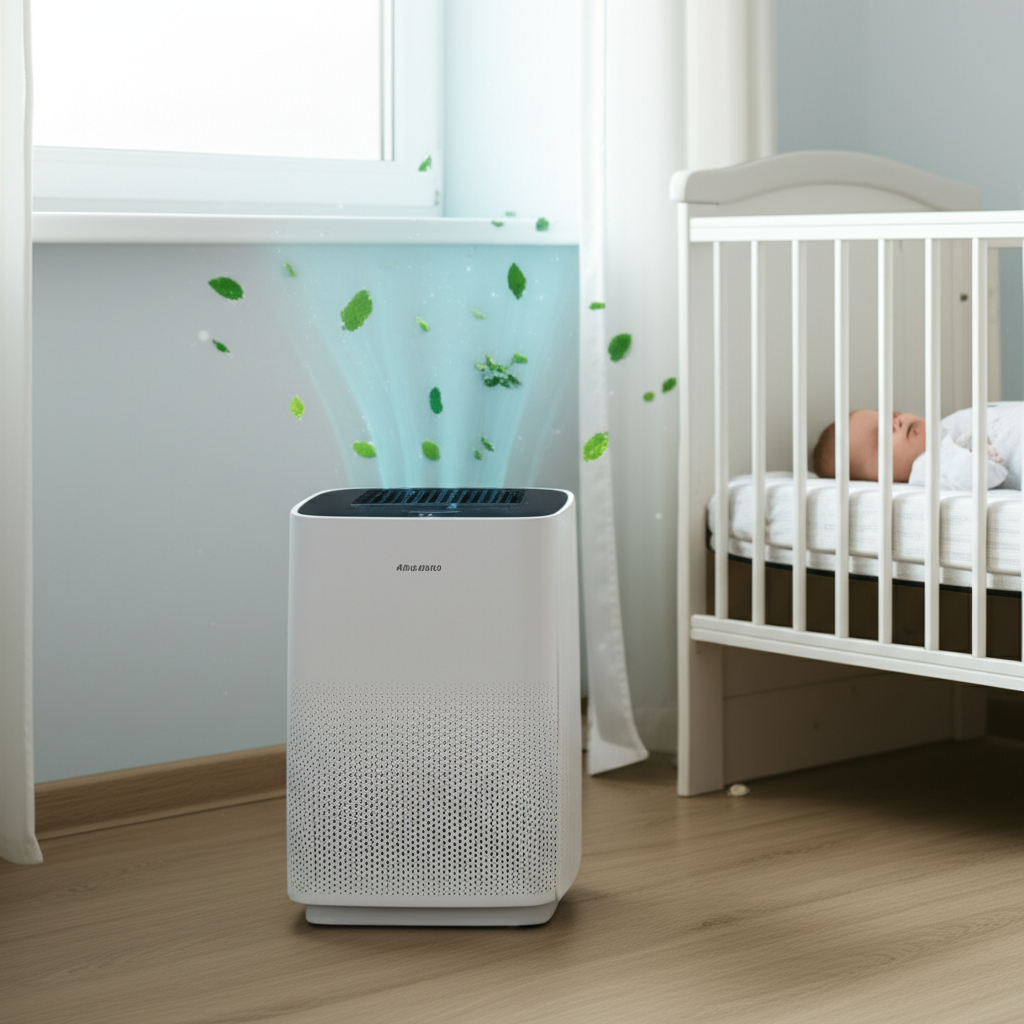
Babies are more vulnerable to air pollution than adults. Their lungs are still developing, and they breathe at a faster rate, meaning they inhale more pollutants relative to their body weight. Poor indoor air quality can lead to a range of health issues for infants, from common colds and coughs to more serious conditions like asthma and allergies. Protecting them from these airborne irritants is crucial for their healthy growth and development.
The Invisible Threats in Your Home
Common household items can release harmful particles into the air. Cleaning products, air fresheners, new furniture, and even cooking can all contribute to indoor air pollution. Pet dander, dust mites, and mold spores are also frequent culprits that can trigger allergic reactions and respiratory distress in sensitive infants.
Babies’ Developing Respiratory Systems
A baby’s respiratory system is delicate and still maturing. Exposure to pollutants can irritate their airways, leading to inflammation and making them more susceptible to infections. Creating a clean air environment helps support this crucial developmental stage, allowing their lungs to function optimally.
How Air Purifiers Help Protect Your Baby
Air purifiers work by drawing in air, filtering out pollutants, and releasing cleaner air back into the room. This process can significantly reduce the concentration of harmful particles, creating a healthier breathing space for your baby. They are particularly beneficial in nurseries and bedrooms where babies spend a significant amount of time.
The Role of HEPA Filters
High-Efficiency Particulate Air (HEPA) filters are the gold standard in air purification. A true HEPA filter can capture at least 99.97% of airborne particles as small as 0.3 microns. This includes common allergens like dust mites, pollen, pet dander, and mold spores, which are major triggers for respiratory problems in infants.
Activated Carbon for Odors and VOCs
Beyond particulate matter, many air purifiers also feature activated carbon filters. These filters are excellent at absorbing gases, odors, and volatile organic compounds (VOCs) released from paints, cleaning supplies, and furniture. Reducing VOCs is especially important for babies, as these chemicals can be particularly harmful.
Key Benefits of Using Air Purifiers for Infants
The advantages of using an air purifier for your baby extend beyond just cleaner air. They contribute to a more comfortable and healthier environment, potentially reducing the frequency and severity of common infant ailments.
Reducing Allergy and Asthma Triggers
If your family has a history of allergies or asthma, an air purifier can be a valuable tool. By removing allergens from the air, it can help prevent your baby from developing these conditions or experiencing flare-ups. This can lead to fewer doctor visits and a happier, more comfortable baby.
Improving Sleep Quality
Clean air can contribute to better sleep for your baby. When their airways are clear and free from irritants, they are less likely to wake up due to coughing, sneezing, or congestion. This means more restful sleep for both your baby and for you.
Minimizing Exposure to Secondhand Smoke and Other Pollutants
Even if you don’t smoke, smoke particles can linger in the air and on surfaces. Air purifiers with HEPA and carbon filters can help remove these harmful particles. They also help with other airborne pollutants like cooking fumes and VOCs, creating a safer environment overall.
Choosing the Right Air Purifier for Your Baby’s Room
Not all air purifiers are created equal, and selecting the right one for your baby’s nursery is important. Consider these factors to ensure you get the most effective and safest option.
Key Features to Look For
When shopping for an air purifier for your baby, prioritize models with true HEPA filters and activated carbon filters. Look for units that are ENERGY STAR certified for energy efficiency and have a low noise level, especially for use in a nursery. Avoid models that produce ozone, as ozone can be harmful to infants.
Placement and Coverage Area
Ensure the air purifier you choose is appropriately sized for the room it will be used in. Check the CADR (Clean Air Delivery Rate) to match the purifier’s capacity to your room size. For nurseries, placing the purifier in a corner, away from the crib, is generally recommended to ensure optimal air circulation.
Noise Levels and Certifications
A quiet operation is essential for a baby’s room. Look for air purifiers with low decibel ratings, especially on their lower settings. Certifications from organizations like the Asthma and Allergy Foundation of America (AAFA) or the California Air Resources Board (CARB) can indicate a product’s effectiveness and safety.
Understanding Air Purifier Technologies
Different air purifiers use various technologies to clean the air. Understanding these can help you make an informed decision about which type is best for your baby.
HEPA vs. Other Filtration Methods
While HEPA filters are highly effective for particles, other technologies exist. Ionizers and UV-C light can also be found in air purifiers. However, some ionizers can produce ozone, which is a lung irritant. UV-C light is primarily for killing germs and may not be as effective for common allergens.
The Importance of Activated Carbon
Activated carbon filters are crucial for tackling gases and odors that HEPA filters cannot capture. These include VOCs from household products, cooking smells, and pet odors. For a truly comprehensive air purification solution, a combination of HEPA and activated carbon is ideal.
Potential Downsides and Considerations
While air purifiers offer significant benefits, it’s also wise to be aware of potential downsides and make informed choices.
Ozone Production Concerns
Some air purification technologies, particularly certain types of ionizers and UV-C purifiers, can produce ozone as a byproduct. Ozone is a lung irritant and can be harmful to babies. Always choose ozone-free air purifiers or those that meet strict ozone emission standards, like those set by CARB.
Maintenance and Filter Replacement
Air purifiers require regular maintenance, primarily filter replacement. HEPA filters typically need to be replaced every 6-12 months, depending on usage and air quality. Activated carbon filters may need more frequent replacement. Neglecting filter changes can reduce the purifier’s effectiveness and even lead to the release of trapped pollutants.
Cost of Purchase and Operation
Air purifiers represent an initial investment, and ongoing costs include replacement filters and electricity. When choosing a model, consider its energy efficiency (look for ENERGY STAR certification) and the cost of replacement filters to factor into your budget.
Expert Recommendations and Safety Tips
Health organizations and experts often recommend air purifiers as part of a strategy to improve indoor air quality, especially for vulnerable populations like infants.
What Health Professionals Say
Many pediatricians and allergists recommend air purifiers for babies, particularly those with respiratory sensitivities or allergies. They emphasize the importance of choosing models that are certified ozone-free and have true HEPA filtration. For instance, the American Academy of Pediatrics highlights the benefits of reducing indoor allergens for children’s health.
Safety Guidelines for Nursery Use
When using an air purifier in your baby’s room, follow these safety tips:
Placement: Keep the purifier at least a few feet away from the crib and any electrical outlets.
Ozone-Free: Ensure the unit does not produce ozone.
Regular Cleaning: Clean the pre-filter regularly according to the manufacturer’s instructions.
Filter Replacement: Replace filters on schedule for optimal performance.
Supervision: Always supervise the operation of any electrical appliance around your baby.
Comparing Popular Air Purifier Brands for Babies
Several reputable brands offer air purifiers suitable for nurseries. Here’s a brief look at some popular choices and what makes them good options.
| Brand Name | Key Features for Babies | Considerations |
| :——— | :———————- | :————- |
| Coway | True HEPA, Activated Carbon, Quiet Operation, CARB Certified | Some models can be pricier |
| Levoit | True HEPA, Activated Carbon, Compact Design, Low Noise | Filter replacement cost |
| Blueair | HEPA-like filtration, Energy Efficient, Quiet | May not have as robust carbon filters as others |
| Winix | True HEPA, PlasmaWave (optional, can be turned off), Washable Filter | PlasmaWave technology can produce ozone if not managed |
Note: Always check the latest specifications and certifications for any model before purchasing.*
Frequently Asked Questions (FAQs)
Do I need an air purifier if my baby doesn’t have allergies?
Even if your baby doesn’t have diagnosed allergies, an air purifier can still be beneficial. It helps remove general indoor pollutants like dust, pet dander, and VOCs, creating a healthier environment for their developing lungs and potentially preventing future sensitivities.
How often should I run an air purifier in my baby’s room?
It’s generally recommended to run an air purifier in your baby’s room continuously, especially when they are sleeping or spending a lot of time in the room. This ensures a consistent supply of clean air.
Can an air purifier help with a baby’s congestion?
Yes, by removing irritants like dust, pollen, and pet dander that can cause inflammation and congestion, an air purifier can help alleviate a baby’s respiratory discomfort and improve breathing.
What is the best type of air purifier for a nursery?
The best type for a nursery is one with a true HEPA filter and an activated carbon filter. It should also be ozone-free, quiet, and appropriately sized for the room.
How close should the air purifier be to the crib?
It’s best to place the air purifier at least 3-5 feet away from the crib. This ensures good air circulation without being too close to the baby and allows the unit to draw air from the room effectively.
When should I consider getting an air purifier for my baby?
You can consider getting an air purifier for your baby from birth. It’s especially beneficial if you live in an area with high outdoor pollution, have pets, or if there’s a history of allergies or asthma in your family.
Conclusion: A Breath of Fresh Air for Your Little One
Ultimately, the question “are air purifiers good for babies?” receives a strong affirmative. By investing in a quality air purifier, you are taking a proactive step to safeguard your baby’s health and well-being. These devices offer essential protection against invisible airborne threats, contributing to a healthier nursery environment that supports your baby’s development and provides you with peace of mind. Choosing a unit with true HEPA and activated carbon filtration, ensuring it’s ozone-free, and maintaining it properly are key to maximizing its benefits. Give your baby the gift of cleaner air.
