
Coway vs Shark Air Purifier: Essential Guide

Choosing between Coway and Shark air purifiers? This guide breaks down key features, performance, and value to help you find the best fit for your home’s air quality.
Breathe easier knowing your home is free from allergens, dust, and pollutants. Deciding on the right air purifier can feel overwhelming, especially with top brands like Coway and Shark offering advanced solutions. Many people struggle to compare the nuanced differences between these popular models, leading to confusion and potentially a less-than-ideal purchase. I’m here to help you navigate this choice with a clear, step-by-step comparison of Coway vs Shark air purifiers. We’ll explore everything from their filtration technology and design to smart features and overall value, so you can make an informed decision for a healthier living space.
Coway vs Shark Air Purifier: Which is Right for You?
This detailed comparison will help you understand the core differences between Coway and Shark air purifiers. We’ll examine their strengths and weaknesses across several key areas to empower your decision-making process.
Understanding Air Purifier Technology
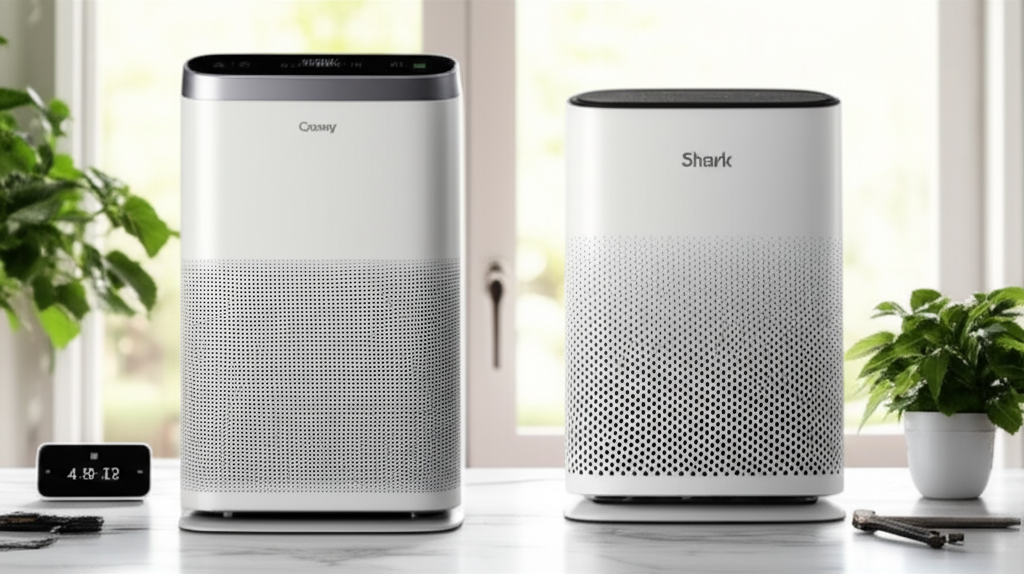
Air purifiers work by drawing in room air, passing it through a series of filters, and releasing cleaner air back into the environment. The effectiveness of an air purifier hinges on its filtration system, including pre-filters, HEPA filters, and activated carbon filters. Different brands prioritize different technologies and features.
Coway Air Purifiers: A Deep Dive
Coway is renowned for its multi-stage filtration systems and robust performance, often favored by those with allergies or respiratory concerns. They consistently receive high marks for their effectiveness in capturing fine particles. Many Coway models utilize advanced sensors to monitor air quality and automatically adjust fan speed.
Strengths: Superior filtration, quiet operation, durable build.
Weaknesses: Can be pricier, some models may have a larger footprint.
Coway’s commitment to air purification innovation is evident in their product lines, focusing on delivering clean air efficiently. Their dedication to research ensures their purifiers meet stringent performance standards.
Shark Air Purifiers: Innovation and Accessibility
Shark, a brand known for its household appliances, brings innovative features and often a more accessible price point to the air purifier market. They often incorporate unique designs and user-friendly interfaces. Shark purifiers are designed to tackle a wide range of air quality issues.
Strengths: User-friendly features, competitive pricing, often sleek designs.
Weaknesses: Filtration might be less robust than top-tier Coway models for extreme needs, noise levels can vary.
Shark aims to make advanced air purification accessible to more households. Their focus on practical innovation makes their products appealing to a broad consumer base.
Filtration Systems Compared: Coway vs Shark
Both brands employ multi-stage filtration, but the specifics can differ. Coway models typically feature a robust four-stage process: a washable pre-filter for larger particles, an odor-eliminating activated carbon filter, a True HEPA filter for allergens and fine dust, and sometimes an additional specialized filter. Shark also uses multiple stages, often including a HEPA filter and an activated carbon filter, with some models featuring proprietary technologies for enhanced odor removal.
Coway Filtration Stages (Typical):
1. Pre-filter: Captures large particles like pet hair and dust bunnies.
2. Activated Carbon Filter: Absorbs odors, VOCs, and smoke.
3. True HEPA Filter: Traps 99.97% of airborne particles as small as 0.3 microns.
4. Deodorization Filter (Optional): Further tackles persistent smells.
Shark’s filtration approach often prioritizes a balance of effectiveness and efficiency. While they may not always boast the same number of stages as some premium Coway units, their HEPA and carbon filters are designed to be highly effective for everyday air quality concerns.
Performance and Coverage Area
When comparing Coway vs Shark air purifier models, performance is measured by their ability to clean a given space, often indicated by the Clean Air Delivery Rate (CADR). Coway generally excels in this area, with many of their units offering high CADR ratings for smoke, dust, and pollen, suitable for larger rooms. Shark purifiers also provide good coverage, with specific models designed for various room sizes, ensuring they can effectively purify the air in most homes.
According to industry reports, True HEPA filters are crucial for capturing microscopic allergens. Both Coway and Shark utilize HEPA technology, but checking the specific CADR and room coverage recommendations for each model is essential. For instance, a Coway Airmega 200M is often cited for its excellent performance in medium to large rooms.
Design and Aesthetics
The visual appeal of an air purifier can be a significant factor for many users. Coway models often feature a modern, minimalist design, blending seamlessly into various home decors. They tend to be functional and understated. Shark purifiers also focus on aesthetics, with some models boasting a more contemporary or even futuristic look.
Consider the dimensions and weight of the unit, especially if you plan to move it between rooms. Some Coway units are more compact, while others are designed for maximum coverage and may be larger. Shark often strikes a good balance between performance and a visually appealing, less intrusive design.
Smart Features and Convenience
In today’s connected world, smart features are increasingly important. Many Coway air purifiers come equipped with Wi-Fi connectivity, allowing control via a mobile app. This enables remote operation, scheduling, and real-time air quality monitoring. Shark has also embraced smart technology, offering app control and integration with voice assistants like Alexa on select models.
These smart capabilities offer significant convenience, allowing you to adjust settings without being near the unit. You can check your home’s air quality from work or set the purifier to run on a schedule that suits your daily routine. This makes managing your home’s air quality effortless.
Noise Levels: A Critical Factor
For many users, the sound an air purifier makes is a crucial consideration, especially for bedrooms or living areas. Coway is generally praised for its quiet operation, with many models featuring a “sleep mode” that significantly reduces fan speed and noise. This makes them ideal for continuous use without disruption. Shark air purifiers offer a range of noise levels depending on the model and fan speed.
While specific decibel ratings can vary, it’s worth noting that quieter operation often comes with higher-end models. Always check user reviews and specifications for noise levels, particularly for the lowest fan settings. A quiet air purifier ensures you can enjoy clean air without the distraction of constant humming or whirring.
Ease of Use and Maintenance
Both Coway and Shark aim for user-friendly operation and maintenance. Filter replacement is a key aspect of maintenance, and both brands make this process relatively straightforward. Indicator lights typically alert you when it’s time to clean or replace filters. Coway’s washable pre-filters can save on replacement costs.
Shark often includes intuitive controls and clear instructions, simplifying the user experience. Regular maintenance, such as vacuuming the pre-filter and replacing HEPA and carbon filters as recommended, is essential for optimal performance. Following the manufacturer’s guidelines will ensure your air purifier continues to function effectively.
Price and Value for Money
The cost of an air purifier is a significant factor for most consumers. Coway models can sometimes come with a higher upfront cost, reflecting their advanced filtration and robust build quality. However, their durability and effectiveness often translate to good long-term value. Shark air purifiers often present a more budget-friendly option, offering competitive features at a lower price point.
When assessing value, consider not just the initial purchase price but also the cost of replacement filters, energy consumption, and the unit’s lifespan. A slightly more expensive unit that lasts longer and requires fewer filter changes might offer better overall value.
Coway vs Shark Air Purifier: Key Differences at a Glance
| Feature | Coway Air Purifiers | Shark Air Purifiers |
| :—————— | :————————————————— | :—————————————————- |
| Filtration | Typically robust 4-stage, highly effective HEPA | Multi-stage, effective HEPA, some proprietary tech |
| Performance | Excellent CADR, often for larger rooms | Good CADR, designed for various room sizes |
| Design | Modern, minimalist, functional | Contemporary, sleek, user-friendly aesthetics |
| Smart Features | Wi-Fi app control, scheduling, air quality monitoring | App control, voice assistant integration (select models) |
| Noise Levels | Generally very quiet, excellent sleep modes | Varies by model, generally acceptable |
| Maintenance | Washable pre-filters, easy filter changes | Straightforward filter replacement, clear indicators |
| Price Point | Mid to high | Mid to budget-friendly |
| Target User | Allergy sufferers, those prioritizing performance | Budget-conscious, tech-savvy users, general use |
This table offers a quick overview to help you pinpoint which brand might align better with your priorities. Remember to check specific model details for the most accurate comparison.
Which Brand Should You Choose?
Deciding between Coway vs Shark air purifier ultimately depends on your specific needs and budget. If you prioritize top-tier filtration, exceptional performance for allergies, and very quiet operation, a Coway model is likely your best bet. They are an investment in superior air quality.
If you are looking for a good balance of features, effective air purification, smart technology, and a more accessible price point, a Shark air purifier could be an excellent choice. Shark offers great value and user-friendly innovation for everyday air quality management.
Frequently Asked Questions
What is the most important factor when choosing an air purifier?
The most important factor is the True HEPA filter, which captures 99.97% of airborne particles down to 0.3 microns. Also, consider the CADR (Clean Air Delivery Rate) to ensure it’s suitable for your room size.
Are Coway air purifiers worth the price?
Yes, Coway air purifiers are often considered worth the price due to their superior filtration, quiet operation, durability, and advanced features. They provide excellent long-term value for those with significant air quality concerns.
How often do I need to replace air purifier filters?
Filter replacement frequency varies by model and usage, but generally, HEPA filters need replacing every 6-12 months, and activated carbon filters every 3-6 months. Always check your manufacturer’s recommendations.
Can air purifiers help with pet allergies?
Absolutely. Air purifiers with True HEPA filters are highly effective at capturing pet dander, hair, and other allergens that trigger pet allergies. Look for models with good CADR ratings for pet owners.
Do Shark air purifiers have HEPA filters?
Yes, most Shark air purifiers are equipped with True HEPA filters that effectively capture fine particles, allergens, and pollutants from the air. Always verify the specific filter type for the model you are considering.
Which brand is better for large rooms: Coway or Shark?
Coway generally offers models with higher CADR ratings and better room coverage, making them a strong choice for larger spaces. However, Shark also has specific models designed for larger rooms, so compare CADR ratings for both brands.
How do I know if an air purifier is working?
You’ll notice improved air quality, such as less dust settling, fewer odors, and reduced allergy symptoms. Many air purifiers also have air quality indicators that change color to show the current pollution level.
Conclusion: Your Path to Cleaner Air
Choosing between a Coway vs Shark air purifier involves weighing performance, features, and cost against your personal needs. Both brands offer effective solutions, but Coway often leads in advanced filtration and quiet operation, making it ideal for those with severe allergies or a preference for premium performance. Shark, on the other hand, provides excellent value, user-friendly designs, and smart features that make clean air more accessible. I personally lean towards Coway for its proven track record in air purification technology, especially if allergies are a primary concern.
Ultimately, the best air purifier for you is the one that fits your lifestyle and budget while delivering the clean air you deserve. Consider your room size, specific air quality concerns (like allergies, smoke, or odors), and desired features before making your final decision. By understanding the nuances of Coway vs Shark air purifier offerings, you’re well-equipped to create a healthier, more comfortable home environment. If you found this guide helpful, consider subscribing for more expert tips on home health and technology.