
Coway Vs Winix Air Purifier: Essential Choice

Choosing between Coway and Winix air purifiers involves comparing their filtration systems, coverage areas, smart features, and overall value to ensure you make the essential choice for your home’s air quality.
The air we breathe indoors can be surprisingly polluted, filled with allergens, dust, and even microscopic particles from everyday activities. This can impact our health, leading to respiratory issues and discomfort. When it comes to tackling these indoor air pollutants, two brands consistently rise to the top: Coway and Winix. Deciding between a Coway vs Winix air purifier can feel overwhelming with so many models and features available. But don’t worry, I’m here to guide you through a comprehensive comparison, helping you make the most informed decision for your specific needs. We’ll explore what sets these popular brands apart, so you can breathe easier knowing you’ve made the essential choice.
Coway vs Winix Air Purifier: A Direct Comparison
Both Coway and Winix are renowned for their effective air purification technologies, but they approach it with slightly different philosophies and feature sets. Understanding these differences is key to making the essential choice for your home. This comparison will delve into the core aspects that matter most to consumers seeking cleaner air.
Understanding Air Purifier Technologies
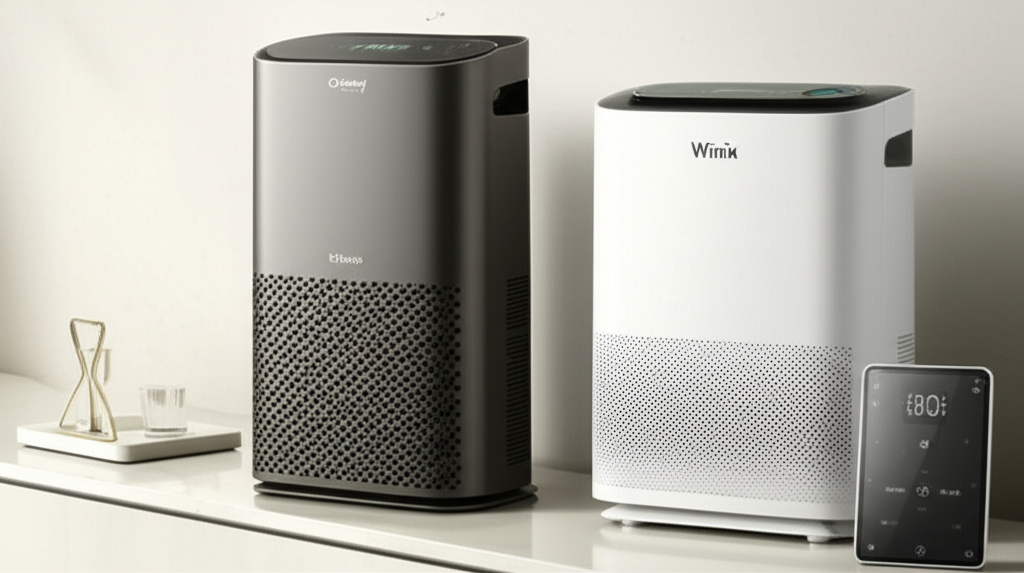
At their core, air purifiers work by drawing in air, filtering out pollutants, and releasing cleaner air back into the room. The effectiveness of this process hinges on the types of filters used and the design of the air purifier. Most units employ a multi-stage filtration system, which is crucial for capturing a wide range of airborne contaminants.
Pre-filter: Captures larger particles like dust, hair, and pet dander. This layer helps extend the life of the more advanced filters.
Activated Carbon Filter: Adsorbs odors, volatile organic compounds (VOCs), and gases. This is essential for tackling smells from cooking, pets, or household chemicals.
HEPA Filter: The gold standard for capturing fine particles. True HEPA filters are certified to capture 99.97% of airborne particles as small as 0.3 microns, including pollen, mold spores, and bacteria.
Many modern air purifiers also include additional technologies like ionizers or UV-C light, though their effectiveness and potential side effects are sometimes debated.
Coway Air Purifiers: Innovation and Performance
Coway has built a strong reputation for developing air purifiers that are not only highly effective but also incorporate thoughtful design and user-friendly features. They often focus on robust filtration systems and quiet operation, making them a popular choice for bedrooms and living spaces. Many Coway models are lauded for their sleek aesthetics, blending seamlessly into home decor.
The brand frequently emphasizes its commitment to air quality research and development, leading to innovations in filter technology and air circulation. This dedication often translates into a premium user experience, with intuitive controls and reliable performance.
Winix Air Purifiers: Value and Smart Features
Winix, on the other hand, is often recognized for offering excellent value, packing advanced features into competitively priced units. They are known for integrating multiple filtration stages, including their PlasmaWave technology, which aims to break down airborne pollutants at a molecular level. This makes Winix a strong contender for those seeking comprehensive air purification without a hefty price tag.
Winix models frequently boast smart capabilities, such as Wi-Fi connectivity for app control and integration with smart home ecosystems. This convenience factor is a major draw for tech-savvy consumers looking to automate their home environment.
Filtration Efficiency: HEPA vs. Advanced Technologies
When comparing Coway vs Winix air purifier, filtration is paramount. Both brands typically use True HEPA filters, which are essential for trapping microscopic allergens and pollutants. Coway often highlights its multi-stage filtration, ensuring a thorough cleaning process. Winix, in addition to HEPA, often features its proprietary PlasmaWave technology.
PlasmaWave is an ionizer that produces hydroxyls to neutralize viruses, bacteria, and gases. While effective, some users prefer to disable ionizers due to concerns about ozone production, though Winix units are designed to produce negligible amounts of ozone, often meeting UL safety standards.
Key Takeaway: Both brands offer excellent HEPA filtration. Consider your comfort level with ionizer technology when deciding between Coway’s traditional multi-stage approach and Winix’s PlasmaWave feature.
Coverage Area and Room Size
The effectiveness of any air purifier is directly tied to its ability to handle the size of the room it’s placed in. Manufacturers provide Clean Air Delivery Rate (CADR) ratings, which indicate how quickly an air purifier can filter out specific pollutants like smoke, dust, and pollen. A higher CADR means faster purification.
Coway offers a range of models suitable for small bedrooms to large living areas, often specifying their recommended room size and CADR for smoke, dust, and pollen. Winix also provides similar specifications, ensuring you can match a unit to your specific square footage. It’s crucial to match the purifier’s capacity to your room size for optimal performance.
Smart Features and Connectivity
In today’s connected world, smart features are becoming increasingly important. Many Winix air purifiers come equipped with Wi-Fi connectivity, allowing you to control the unit remotely via a smartphone app. This enables features like scheduling, filter life monitoring, and adjusting fan speeds from anywhere.
Coway is also incorporating more smart features into its higher-end models, offering app control and integration with voice assistants. However, Winix has historically been a leader in bringing these smart capabilities to a wider range of their product line, often at more accessible price points.
Design and Aesthetics
While functionality is key, the appearance of an air purifier can also influence your decision. Coway models often feature a more modern and minimalist design, with clean lines and premium finishes that can complement various interior styles. They tend to look more like a piece of furniture than an appliance.
Winix units also offer attractive designs, though they might lean more towards a functional aesthetic. Many Winix purifiers are compact and unobtrusive, fitting easily into different room layouts. The choice here often comes down to personal preference and how important the visual integration of the appliance is in your home.
Noise Levels
The sound an air purifier makes can be a significant factor, especially if it’s used in a bedroom or a quiet living space. Both Coway and Winix strive to offer quiet operation, particularly on their lower fan settings. Many Coway models are praised for their near-silent performance on the lowest speed, often referred to as a “sleep mode.”
Winix units also aim for quiet operation, but some users report slightly more noticeable fan noise on higher settings compared to comparable Coway models. It’s always a good idea to check user reviews and decibel ratings (dB) for specific models you’re considering.
Ease of Maintenance and Filter Replacement
Maintaining your air purifier is essential for its continued effectiveness. This typically involves cleaning the pre-filter regularly and replacing the HEPA and carbon filters at recommended intervals. Both Coway and Winix make filter replacement relatively straightforward.
Filter replacement costs can add up over time, so it’s wise to factor this into your long-term budget. Coway and Winix offer replacement filters directly, and many online retailers also carry them. You can usually find filter replacement reminders on the units themselves or through their companion apps.
Price Point and Value Proposition
When comparing Coway vs Winix air purifier, price is often a deciding factor. Winix generally offers a more budget-friendly entry point, providing excellent features and performance for the cost. This makes them a compelling option for consumers looking to maximize value.
Coway models can sometimes be priced higher, reflecting their premium design, advanced features, and often superior build quality. However, they also offer models at various price points, and their long-term durability can represent a sound investment for cleaner air.
Key Takeaway: For budget-conscious buyers seeking smart features, Winix often presents a stronger value. Coway may appeal to those prioritizing premium design and potentially quieter operation.
Coway vs. Winix: Feature Comparison Table
To provide a clearer overview, here’s a table comparing common features across both brands. Keep in mind that specific features vary greatly by model.
| Feature | Coway (Typical) | Winix (Typical) |
| :—————— | :——————————————– | :————————————————– |
| Filtration | Multi-stage HEPA, Carbon | Multi-stage HEPA, Carbon, PlasmaWave |
| Coverage Area | Wide range, from small to large rooms | Wide range, from small to large rooms |
| Smart Features | Increasingly common in higher-end models | Common across many models (Wi-Fi, app control) |
| Design | Modern, sleek, premium finishes | Functional, often compact and unobtrusive |
| Noise Level | Generally very quiet, especially on low speed | Good, but can be more noticeable on higher settings |
| Price | Mid-range to premium | Budget-friendly to mid-range |
| Ozone Production| Negligible (without ionizers) | Negligible (PlasmaWave designed to be safe) |
Which Air Purifier is Right for You?
Making the essential choice between Coway vs Winix air purifier ultimately depends on your personal priorities and budget. If you’re looking for a unit with advanced smart features and excellent value, a Winix model might be your best bet. Their integration with smart home systems and app control offers significant convenience.
If you prioritize a sleek, premium design, exceptionally quiet operation, and a robust, traditional filtration system, a Coway air purifier could be the ideal choice. They often excel in creating a serene environment, making them perfect for bedrooms or home offices where peace is paramount.
Consider these questions:
What is the size of the room you need to purify?
Are smart features like app control a priority for you?
How important is the aesthetic design of the appliance in your home?
Are you sensitive to noise, especially during sleep?
What is your budget for the initial purchase and ongoing filter replacements?
By honestly answering these questions, you can narrow down the options and select the air purifier that best fits your lifestyle and needs.
Frequently Asked Questions (FAQ)
Q1: Are Coway and Winix air purifiers good for allergies?
Yes, both brands utilize True HEPA filters, which are highly effective at capturing common allergens like pollen, dust mites, pet dander, and mold spores, significantly improving air quality for allergy sufferers.
Q2: Do Winix air purifiers produce ozone?
Winix units with PlasmaWave technology are designed to produce negligible amounts of ozone, meeting strict safety standards like those set by UL. However, if you are particularly sensitive to ozone, you can typically disable this feature on most Winix models.
Q3: How often do I need to replace filters for Coway and Winix?
Filter replacement schedules vary by model and usage, but generally, HEPA filters need replacement every 6-12 months, and carbon filters every 3-6 months. Always check your specific model’s manual for exact recommendations.
Q4: Which brand is quieter, Coway or Winix?
Coway models are often praised for their exceptionally quiet operation, especially on lower settings, making them a top choice for bedrooms. Winix units are also designed for quietness, but some users report slightly more noticeable fan noise on higher speeds.
Q5: Can I use an air purifier in a large open-plan living area?
Yes, but you’ll need to select a model specifically designed for larger spaces, indicated by a higher CADR (Clean Air Delivery Rate) and recommended room coverage. You might also consider using multiple units strategically placed within the area.
Q6: Is PlasmaWave technology in Winix purifiers safe?
PlasmaWave technology is designed to break down airborne pollutants at a molecular level, creating hydroxyls. Winix units are certified to produce very low levels of ozone, generally considered safe for home use.
Conclusion: Making Your Essential Choice
Deciding between a Coway vs Winix air purifier boils down to understanding your unique needs and preferences. Both brands offer exceptional air purification capabilities, but they cater to slightly different priorities. Winix excels in providing advanced smart features and excellent value, making it a fantastic choice for the tech-savvy and budget-conscious consumer. Coway, on the other hand, often leads in premium design, ultra-quiet operation, and robust, no-nonsense filtration, appealing to those who prioritize a serene and aesthetically pleasing environment.
Ultimately, the “essential choice” is the one that best fits your home, your health goals, and your lifestyle. I encourage you to review specific models from each brand that align with your room size and budget. Whichever you choose, investing in a quality air purifier from Coway or Winix is a significant step towards a healthier and more comfortable living space.
Explore more insights on improving your home’s air quality by following our latest articles!
