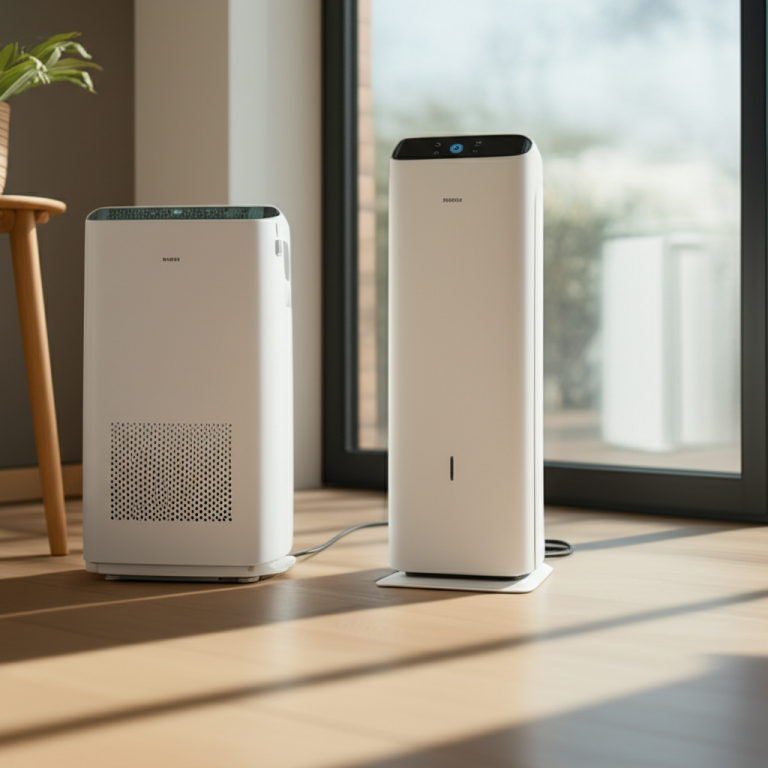
Carbon Filter for Allergens and Smoke: Essential Clean Air

Breathe easier with a carbon filter for allergens and smoke, your essential tool for cleaner indoor air, effectively removing irritants and odors to create a healthier home environment.
Did you know that the air inside your home can be up to five times more polluted than the air outside? This can be a real frustration, especially if you or your family suffer from allergies or are sensitive to smoke. Common household pollutants like dust, pollen, pet dander, and even lingering smoke from cooking or cigarettes can significantly impact your well-being. But don’t worry, there’s a simple yet incredibly effective solution: a high-quality carbon filter for allergens and smoke. I’m here to guide you through everything you need to know to achieve truly clean air in your home, starting today.
What is a Carbon Filter and How Does it Work for Allergens and Smoke?
A carbon filter is a powerful air purification component that uses activated carbon to trap airborne contaminants. This specialized form of carbon has been treated to be incredibly porous, creating a vast surface area for adsorption. When air passes through the filter, allergens, smoke particles, volatile organic compounds (VOCs), and odors stick to the carbon surface, leaving the air cleaner. This makes it a crucial element in maintaining a healthy living space, especially for those with respiratory sensitivities.
The Science Behind Activated Carbon Filtration
Activated carbon’s magic lies in its increased surface area, achieved through a process called activation. This process creates millions of tiny pores within the carbon material. These pores act like a sponge, attracting and holding onto gas and odor molecules. While HEPA filters excel at capturing physical particles like dust and pollen, activated carbon is specifically designed to tackle gases, odors, and chemical pollutants that HEPA filters miss.
Key Benefits of Using a Carbon Filter for Allergens and Smoke
The advantages of integrating a carbon filter for allergens and smoke into your air purification strategy are numerous. It significantly reduces common allergy triggers like pollen and pet dander, making your home a sanctuary for allergy sufferers. Furthermore, it effectively neutralizes unpleasant odors from cooking, smoke, pets, and even musty smells, creating a fresher and more inviting atmosphere.
Eliminating Common Allergens
For those battling seasonal allergies or persistent pet dander issues, a carbon filter provides much-needed relief. By trapping these microscopic irritants, it helps to reduce sneezing, itchy eyes, and respiratory discomfort. This can dramatically improve your quality of life, allowing you to enjoy your home without constant allergic reactions.
Neutralizing Smoke Odors and Particles
Whether it’s the lingering smell of cigarette smoke or the aroma of burnt toast, a carbon filter is your best friend. It adsorbs the odor-causing molecules and can also capture some of the smaller particulate matter associated with smoke, making your home smell cleaner and feel fresher. This is especially important for non-smokers living with smokers or for anyone who wants to eliminate cooking smells quickly.
Understanding Different Types of Carbon Filters
Not all carbon filters are created equal, and understanding the differences can help you make the best choice. The effectiveness often depends on the type of carbon used and the amount of carbon in the filter. Some filters use a thin layer of carbon, while others are packed with a substantial amount of granular or extruded activated carbon for superior performance.
Granular Activated Carbon (GAC) vs. Extruded Carbon
Granular Activated Carbon (GAC) consists of irregular carbon granules, offering good contact time with air for effective odor and gas removal. Extruded carbon, on the other hand, is formed into solid pellets, often with a binder, providing a more consistent airflow and potentially longer lifespan in certain applications. Both are effective, but the amount and quality of carbon are key.
The Role of Carbon Thickness and Density
The thickness and density of the carbon layer in a filter directly impact its capacity and lifespan. A thicker, denser carbon filter will generally absorb more pollutants and last longer than a thinner one. However, it might also restrict airflow more, potentially impacting the efficiency of your air purifier.
How to Choose the Right Carbon Filter for Your Needs
Selecting the perfect carbon filter for allergens and smoke involves considering your specific needs and the type of air purifier you own. You’ll want to match the filter size and type to your unit. It’s also wise to look for filters with a substantial amount of activated carbon for the best results.
Matching Filter Size and Type to Your Air Purifier
Most air purifiers use specific filter sizes and types. Always check your air purifier’s manual or the existing filter for compatibility. Using the wrong size or type can lead to poor performance or even damage to your appliance.
Considering the Amount of Activated Carbon
When comparing filters, pay attention to the advertised amount of activated carbon. Filters designed for serious odor control or smoke removal will typically feature a much larger quantity of activated carbon than standard filters. This is a key indicator of its potential effectiveness for your specific concerns.
Integrating Carbon Filters with HEPA Filters for Maximum Impact
For comprehensive air purification, the combination of a HEPA filter and a carbon filter for allergens and smoke is unbeatable. While a HEPA filter captures 99.97% of airborne particles down to 0.3 microns, the carbon filter tackles the gases and odors that HEPA filters cannot. This dual-action approach creates the cleanest possible air for your home.
The Synergy of HEPA and Carbon Filtration
Think of it like this: the HEPA filter is your first line of defense against physical particles, like a sieve catching all the small bits. The carbon filter then comes in to clean up anything that slipped through or any gaseous pollutants, like a deodorizer. Together, they offer a complete air cleaning solution.
Best Practices for Using Combined Filters
To maximize the benefits, ensure your air purifier is designed to accommodate both HEPA and carbon filters, or that you are using a combined unit. Replace both filter types according to the manufacturer’s recommendations to maintain optimal performance and air quality. Regular replacement ensures the filters can continue to effectively capture pollutants.
Lifespan and Replacement Schedule for Carbon Filters
The lifespan of a carbon filter for allergens and smoke varies significantly based on usage, air quality, and the filter’s design. In areas with high pollution or heavy odor sources, you might need to replace them more frequently. It’s crucial to follow the manufacturer’s guidelines for replacement to ensure continued effectiveness.
Factors Affecting Filter Lifespan
Air Quality: Heavily polluted environments will saturate carbon filters faster.
Usage Hours: Running your air purifier 24/7 will shorten filter life compared to intermittent use.
Filter Design: Thicker, denser carbon filters generally last longer.
Presence of Odor Sources: Strong odors from cooking, pets, or smoke will be absorbed more rapidly.
Signs Your Carbon Filter Needs Replacement
You’ll often notice a decline in odor removal effectiveness as the primary indicator. If your home starts to smell stale or if lingering odors return quickly after purification, it’s a strong sign the carbon filter is saturated. Some air purifiers also have indicator lights to signal when a filter change is due.
Maintaining Your Carbon Filter and Air Purifier
Proper maintenance extends the life of your carbon filter for allergens and smoke and ensures your air purifier runs efficiently. This typically involves regular cleaning of pre-filters and proper handling of the main filters. Always refer to your specific air purifier’s manual for detailed instructions.
Cleaning Pre-Filters
Many air purifiers have a washable pre-filter designed to catch larger particles like hair and dust. Cleaning this regularly prevents it from clogging and reduces the strain on your main HEPA and carbon filters. A clean pre-filter is essential for overall system efficiency.
Handling and Storage of Replacement Filters
When storing replacement filters, keep them in their original sealed packaging until ready for use. This prevents them from absorbing ambient odors or moisture before installation. Proper storage ensures the new filter is as effective as possible from the moment you install it.
When is a Carbon Filter Most Crucial?
A carbon filter for allergens and smoke is particularly vital in specific situations. If you live in an area prone to wildfires or heavy smog, or if you have pets, smokers in the household, or frequent cooking, the benefits are immediate and significant. It’s also a game-changer for individuals with asthma or severe allergies.
Homes with Pets
Pet dander and odors are common household issues. A carbon filter actively works to trap these allergens and neutralize pet-related smells, creating a more comfortable environment for everyone, including guests. This can make a significant difference in reducing pet-related allergy symptoms.
Urban Environments and Wildfire Zones
For those living in densely populated urban areas or regions susceptible to wildfires, indoor air quality can be severely compromised. Carbon filters are essential for removing the fine particulate matter and noxious gases that can infiltrate homes during these events, providing a vital layer of protection. According to the U.S. Environmental Protection Agency, outdoor air pollution can enter homes and impact indoor air quality.
After Cooking or During Smoker Use
The lingering smells from cooking, especially strong ones like fish or spices, can be unpleasant. Similarly, if someone smokes indoors, a carbon filter is indispensable for adsorbing the smoke particles and odor molecules. This helps maintain a fresh-smelling home environment.
Advanced Features in Modern Air Purifiers
Today’s air purifiers often come with advanced features that enhance the performance and convenience of using a carbon filter for allergens and smoke. These can include smart sensors, app connectivity, and specialized filter indicators. Such innovations make managing your indoor air quality simpler and more effective.
Smart Sensors and Auto Modes
Many modern units feature air quality sensors that detect the level of pollutants in the air. They can then automatically adjust the fan speed to optimize purification, ensuring your carbon filter for allergens and smoke is working most effectively when needed. This hands-off approach provides continuous clean air.
Filter Life Indicators and App Control
Sophisticated air purifiers often include digital displays or smartphone apps that precisely track filter life. This takes the guesswork out of replacement schedules and alerts you when it’s time to change your carbon filter. Some apps even allow you to control your purifier remotely.
Frequently Asked Questions about Carbon Filters for Allergens and Smoke
Q1: Can a carbon filter remove all smoke from the air?
A1: While a carbon filter is highly effective at removing smoke odors and many smoke particles, it may not remove 100% of all smoke constituents, especially in extremely high concentrations. For best results, pair it with a HEPA filter.
Q2: How often should I replace a carbon filter for allergens and smoke?
A2: Typically, carbon filters need replacement every 6-12 months, depending on usage and air quality. Heavily polluted environments or frequent use of the air purifier will require more frequent changes.
Q3: Will a carbon filter help with chemical smells from new furniture?
A3: Yes, carbon filters are excellent at adsorbing volatile organic compounds (VOCs) and other chemical odors released by new furniture, paints, and cleaning products. This makes them ideal for improving air quality in newly renovated or furnished spaces.
Q4: Can I wash a carbon filter like a HEPA filter?
A4: No, carbon filters are generally not washable. Washing can damage the activated carbon material and reduce its effectiveness. They are designed for replacement once they become saturated.
Q5: Do carbon filters lose effectiveness over time even if not used?
A5: Activated carbon can slowly lose its adsorptive capacity over time due to moisture absorption and exposure to ambient air, even if not actively filtering polluted air. It’s best to use replacement filters within a reasonable timeframe after purchase.
Q6: Is a carbon filter necessary if I don’t have allergies or smoke in my house?
A6: Even without specific allergies or smoke, a carbon filter contributes to overall better indoor air quality by removing common household odors, VOCs from cleaning products, and other gaseous pollutants, creating a fresher living environment.
Conclusion: Invest in Your Health with a Carbon Filter for Allergens and Smoke
Achieving truly clean air in your home is more accessible than ever, and a high-quality carbon filter for allergens and smoke is an indispensable part of that equation. It’s a simple yet powerful tool that tackles invisible threats, from common allergens to stubborn smoke odors, significantly enhancing your living environment. By understanding how these filters work and choosing the right ones for your needs, you’re making a direct investment in your health and well-being, and that of your loved ones. Breathe easier, live healthier, and enjoy the peace of mind that comes with knowing your air is clean.
Ready to take the next step towards cleaner air? Explore our range of air purification solutions and find the perfect carbon filter for allergens and smoke to transform your home.