
Can You Have Dehumidifier & Air Purifier in Same Room? Essential Guide

Sure, here is the article content in clean HTML format, adhering to all your specifications:
“`html
Can You Have a Dehumidifier and Air Purifier in the Same Room? An Essential Guide
Yes, you can absolutely have a dehumidifier and air purifier in the same room, and often, it’s highly beneficial for creating a healthier indoor environment. This guide will walk you through how to use them effectively together.
Living in a space that’s both too humid and filled with airborne irritants can feel frustrating, impacting your comfort and health. Many homeowners wonder if combining two powerful appliances, a dehumidifier and an air purifier, in the same room is a good idea. The answer is a resounding yes! When used correctly, these devices complement each other to create a more pleasant and healthier atmosphere. This guide will demystify the process, ensuring you can maximize the benefits of both for your home.
Understanding the Roles of Dehumidifiers and Air Purifiers
Dehumidifiers and air purifiers serve distinct but complementary purposes in improving indoor air quality. A dehumidifier actively removes excess moisture from the air, preventing mold growth and musty odors. An air purifier, on the other hand, filters out microscopic particles like dust, pollen, pet dander, and smoke. Understanding their individual functions is key to using them in tandem effectively.
By reducing humidity, dehumidifiers create an environment less conducive to mold and dust mites, while air purifiers tackle the airborne allergens and pollutants themselves. This dual action can lead to significantly better air quality and a more comfortable living space.
The Synergistic Benefits of Using Them Together
Using a dehumidifier and an air purifier in the same room offers powerful synergistic benefits for your home environment. They work together to combat a wider range of indoor air quality issues than either could alone. This combination is particularly effective in combating mold and mildew, as the dehumidifier removes the moisture that allows them to thrive, while the air purifier captures any mold spores that may be present in the air.
Furthermore, this pairing can help reduce airborne allergens like dust mites and pollen, which are often exacerbated by high humidity levels. The result is cleaner, fresher, and healthier air for you and your family to breathe.
Can You Have a Dehumidifier and Air Purifier in the Same Room? Yes, and Here’s How
The question of can you have a dehumidifier and air purifier in the same room is answered with a confident yes, provided you implement them thoughtfully. The key lies in understanding their optimal placement and operational settings to avoid interference and maximize their individual effectiveness. Proper management ensures both devices contribute positively to your indoor air quality.
By strategically positioning them and monitoring your room’s conditions, you can achieve a balanced and healthy indoor environment. This guide will provide the insights needed to make this combination work seamlessly for your home.
Optimal Placement for Both Appliances
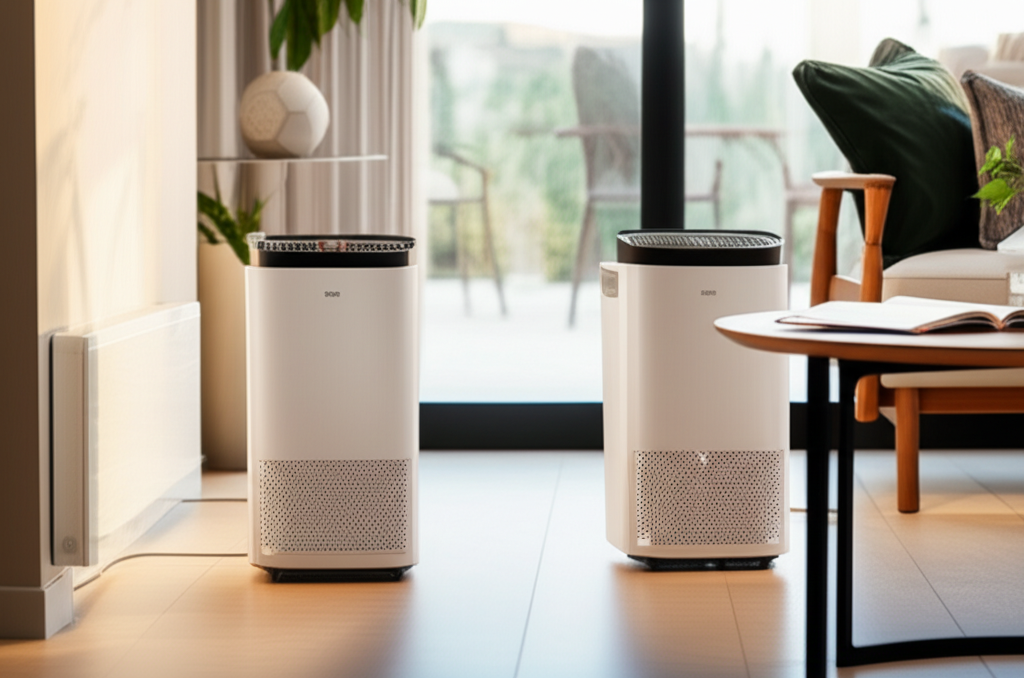
Proper placement is crucial for ensuring both your dehumidifier and air purifier operate at peak efficiency. Avoid placing them too close to each other, as this can impede airflow and potentially cause one device to work harder than necessary. Generally, allowing at least a foot or two of space between them is a good starting point.
Consider the specific needs of each unit. Dehumidifiers often require unobstructed airflow around their intake and exhaust vents to function effectively. Air purifiers also need space to draw in air and disperse purified air, so placing them in open areas of the room is ideal. You might find placing them on opposite sides of the room or with a piece of furniture between them works best.
Understanding Airflow Dynamics
Airflow dynamics play a significant role when running both a dehumidifier and an air purifier in the same space. Dehumidifiers pull air in, remove moisture, and then expel drier air. Air purifiers draw air in, pass it through filters to remove pollutants, and then release cleaner air. If they are too close, they might recirculate air that has just been processed by the other unit, reducing their overall efficiency.
It’s beneficial to position them so they create a circulating effect within the room. For example, place the dehumidifier near a source of humidity and the air purifier in a more central location to capture airborne particles throughout the space. This creates a continuous cycle of air cleaning and moisture removal.
When to Use Them Simultaneously
There are several scenarios where running your dehumidifier and air purifier together is highly recommended. If you live in a humid climate, especially during warmer months, high humidity can foster mold growth and make the air feel heavy. Simultaneously, allergens like pollen and dust can be prevalent, making an air purifier essential.
This combination is also invaluable for individuals with respiratory issues, allergies, or asthma, as it addresses both moisture-related problems and airborne irritants. After water damage or during periods of high outdoor pollution, running both can accelerate the recovery and purification process.
Choosing the Right Combination of Units
Selecting the right dehumidifier and air purifier for your needs is paramount. Consider the size of the room you intend to use them in. Both appliances have coverage area ratings, so ensure they are appropriately sized for your space to operate efficiently. For instance, a small dehumidifier in a large basement won’t be effective, just as a small air purifier won’t adequately clean the air in a spacious living room.
Look for units with adjustable settings, allowing you to tailor their operation to your specific needs. Some dehumidifiers have built-in humidistats to maintain a desired humidity level, while air purifiers often offer different fan speeds and filter types (like HEPA or activated carbon) to target specific pollutants. Reading reviews and comparing specifications can help you make informed choices.
Key Features to Consider
- Capacity/Coverage Area: Ensure the unit is sized for your room.
- Energy Efficiency: Look for ENERGY STAR certified models to save on electricity bills.
- Noise Level: Especially important for bedrooms or living areas.
- Filter Type (Air Purifier): HEPA filters for particles, activated carbon for odors and gases.
- Humidistat (Dehumidifier): For automatic humidity control.
- Drainage Options (Dehumidifier): Continuous drain hose vs. manual emptying of a bucket.
These features will significantly impact the performance and convenience of your chosen appliances. A well-matched pair will work harmoniously to improve your indoor air quality.
Potential Downsides and How to Mitigate Them
While generally beneficial, there are a few potential downsides to running both appliances in the same room that can be easily managed. One concern might be increased energy consumption, as you’re running two devices. To mitigate this, choose energy-efficient models and use timers or smart plugs to operate them only when necessary.
Another consideration is noise. Some dehumidifiers can be louder than air purifiers. If noise is an issue, opt for quieter models or consider placing them in separate, but adjacent, areas where their benefits can still be felt across your living space. Strategic placement, as discussed earlier, also helps minimize any potential interference.
Maintaining Your Appliances for Optimal Performance
Regular maintenance is essential for both your dehumidifier and air purifier to continue working effectively. For dehumidifiers, this means regularly emptying the water collection tank or ensuring the continuous drain hose is clear. Cleaning the air filter or coils according to the manufacturer’s instructions will prevent dust buildup and maintain efficient moisture removal.
For air purifiers, the most crucial maintenance task is replacing or cleaning the filters as recommended. A clogged filter significantly reduces the air purifier’s ability to capture pollutants and can even strain the motor. Check your user manuals for specific cleaning and replacement schedules for both types of appliances.
Dehumidifier and Air Purifier Placement Table
| Appliance | Ideal Placement Considerations | Potential Issues if Placed Poorly |
|---|---|---|
| Dehumidifier | Near moisture sources (e.g., bathroom, basement), away from walls for airflow, on a level surface. | Reduced efficiency, strain on motor, potential water overflow if blocked. |
| Air Purifier | Central location, away from obstructions, at least 1-2 feet from walls/furniture for optimal circulation. | Ineffective air cleaning, recirculation of dirty air, reduced filter lifespan. |
| Both Together | Minimum 1-2 feet apart, potentially on opposite sides of the room to promote air circulation. | Reduced individual efficiency, increased energy use, potential noise interference. |
This table highlights the importance of thoughtful placement for maximizing the performance of each device.
When Might You NOT Want Them in the Same Room?
While generally a good idea, there might be niche situations where you wouldn’t want both in the exact same small space. For instance, if your primary concern is only dust and you have very low humidity, an air purifier alone might suffice. Conversely, if you have a severe mold problem in a small, enclosed area like a closet, you might focus solely on dehumidification first.
Also, consider the overall air circulation in your home. If you have multiple rooms with different air quality needs, it might be more effective to place a dehumidifier in a damp basement and an air purifier in a bedroom or living area. The decision often depends on the specific issues you are trying to address in each part of your home.
Frequently Asked Questions (FAQ)
Can a dehumidifier make an air purifier less effective?
Not typically, as long as they are placed with adequate space between them. Their functions are complementary, and proper placement ensures they don’t interfere with each other’s airflow.
Will running both increase my electricity bill significantly?
It will increase your electricity usage compared to running just one, but the impact can be minimized by choosing energy-efficient models and using them strategically, perhaps on timers.
Is it okay to run a dehumidifier and air purifier in a bedroom overnight?
Yes, many people find it beneficial for sleep, especially if they have allergies or respiratory issues. Opt for quieter models and ensure proper placement to avoid any disturbance.
Can I use a dehumidifier and air purifier in a small bathroom?
Yes, especially if the bathroom tends to stay humid. The dehumidifier will tackle the moisture, and the air purifier can help remove any airborne bacteria or odors.
Do I need both if I have a HEPA filter air purifier?
A HEPA filter is excellent for particles, but it doesn’t remove excess moisture. A dehumidifier is still necessary for controlling humidity levels to prevent mold and mildew, which a HEPA filter cannot address.
Can a dehumidifier and air purifier be too close to each other?
Yes, if they are placed too close, their airflow can be restricted, reducing their efficiency. Aim for at least 1-2 feet of separation.
Conclusion: A Healthier Home Environment Awaits
In conclusion, the answer to can you have a dehumidifier and air purifier in the same room is a definitive yes. By understanding their individual roles and employing smart placement strategies, you can effectively use both appliances to create a significantly healthier and more comfortable indoor environment. They work in tandem to combat humidity, mold, allergens, and pollutants, offering a comprehensive approach to improving your home’s air quality.
Embrace the combined power of these devices, maintain them diligently, and enjoy the benefits of fresher, cleaner air. Your home hygiene will thank you for it!
“`
