
Best Type of Air Purifier for Smoke: Essential Guide

The best type of air purifier for smoke effectively removes fine particulate matter and odor with a robust HEPA filter and an activated carbon layer. Consider room size, CADR, and specific smoke sources for optimal performance.
Smoke, whether from wildfires, cooking, or cigarettes, can significantly degrade indoor air quality, posing health risks and creating an unpleasant living environment. Finding the best type of air purifier for smoke is crucial for restoring comfort and safety in your home. I understand how frustrating and concerning smoke pollution can be. This guide will walk you through everything you need to know to make an informed decision, ensuring you breathe cleaner, healthier air. Let’s explore the most effective solutions together.
Understanding Smoke and Its Impact on Your Air
Smoke is a complex mixture of fine particles and gases that can have detrimental effects on your health and home. These particles, often microscopic, can penetrate deep into your lungs, causing respiratory irritation and exacerbating conditions like asthma. The pervasive odors associated with smoke can also be incredibly difficult to eliminate without the right tools. Identifying the specific type of smoke you’re dealing with is the first step in choosing the best air purifier.
This section will break down the different components of smoke and why they are so challenging to remove from your indoor environment. Understanding these elements will help you appreciate the technology and features that make an air purifier truly effective against smoke.
Why Air Purifiers are Essential for Smoke Removal
Air purifiers are designed to capture airborne pollutants, making them an indispensable tool for combating smoke. Unlike simple ventilation, which can sometimes draw more smoke in, an air purifier actively cleans the air within a contained space. They are particularly effective at trapping the fine particulate matter that constitutes smoke.
This active filtration process is key to significantly improving your indoor air quality. Without this targeted approach, smoke particles can linger for hours or even days, impacting your health and comfort.
Key Technologies for Smoke Purification
When selecting the best type of air purifier for smoke, understanding the core technologies is paramount. The most effective systems combine multiple filtration stages to tackle both particles and odors.
True HEPA Filters: The Gold Standard for Smoke Particles
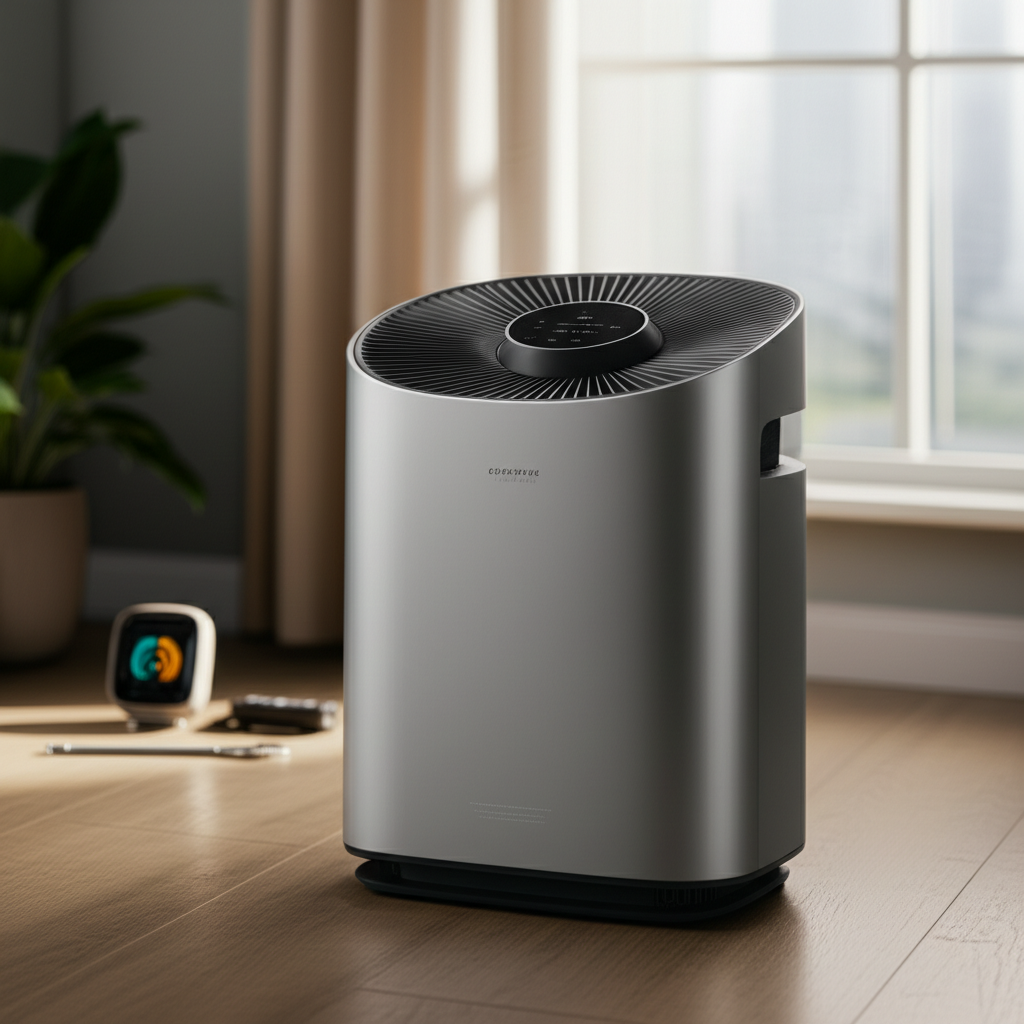
True HEPA (High-Efficiency Particulate Air) filters are the cornerstone of any effective smoke-fighting air purifier. These filters are certified to capture at least 99.97% of airborne particles as small as 0.3 microns. Smoke particles, including those from wildfires and cigarette smoke, fall well within this size range.
A True HEPA filter physically traps these minuscule irritants, preventing them from circulating in your air. This is a critical component for anyone sensitive to smoke or dealing with significant smoke events.
Activated Carbon Filters: Tackling Smoke Odors
While HEPA filters excel at capturing particles, activated carbon filters are essential for neutralizing smoke odors. Activated carbon is a porous material that adsorbs gases, volatile organic compounds (VOCs), and odor molecules. Smoke contains numerous compounds that produce its distinctive and unpleasant smell.
An adequate amount of activated carbon is crucial for effectively removing these odor-causing agents. The more carbon a purifier contains, the better it will be at eliminating lingering smoke smells.
Pre-filters: Extending the Life of Core Filters
Most quality air purifiers include a pre-filter. This initial layer captures larger particles like dust, pet hair, and lint. By trapping these bigger items, the pre-filter prevents them from clogging the more sensitive HEPA and activated carbon filters.
This protection is vital for maintaining the efficiency and longevity of your air purifier’s main filtration system, especially when dealing with heavy smoke loads. A washable pre-filter is a convenient feature for regular maintenance.
Assessing Air Purifier Performance for Smoke: CADR Matters
When evaluating the best type of air purifier for smoke, the Clean Air Delivery Rate (CADR) is a critical metric. CADR indicates how quickly an air purifier can clean the air of specific pollutants. Higher CADR ratings mean faster and more effective purification.
There are specific CADR ratings for smoke, dust, and pollen. For smoke, you’ll want to focus on the smoke CADR. This rating directly tells you how well the unit will perform in smoke-filled environments.
Understanding CADR Ratings
The CADR rating is measured in cubic feet per minute (CFM). A higher CFM rating means the unit can process more air per minute, leading to quicker air cleaning. Manufacturers typically provide CADR ratings for smoke, dust, and pollen.
For smoke, a higher rating signifies better performance in removing smoke particles and associated odors from a room.
Matching CADR to Room Size
The general recommendation is to choose an air purifier with a CADR rating that is at least two-thirds of the room’s square footage. For example, if you have a 200-square-foot room, you’d ideally look for an air purifier with a smoke CADR of at least 133 (200 * 2/3 ≈ 133).
However, when dealing with significant smoke, especially from wildfires, it’s often wise to oversize your air purifier or opt for a model with a higher CADR than the minimum requirement. This ensures it can handle the intense pollution effectively.
Top Air Purifier Types for Smoke Control
Several types of air purifiers stand out for their effectiveness against smoke. Each offers a unique approach, but the most effective often combine HEPA and activated carbon filtration.
Combination HEPA + Activated Carbon Purifiers
This is widely considered the best type of air purifier for smoke. These units feature a multi-stage filtration system, typically including a pre-filter, a True HEPA filter, and a substantial activated carbon filter. This combination addresses both the particulate matter and the odors associated with smoke.
The HEPA filter captures the harmful particles, while the activated carbon adsorbs the smoke’s pungent smells. This dual-action approach provides comprehensive air cleaning for smoke-affected areas.
Ionizers and Ozone Production: A Word of Caution
Some air purifiers use ionizers to charge particles, causing them to clump together and fall out of the air. While this can remove particles, some ionizers also produce ozone as a byproduct. Ozone is a lung irritant and can worsen respiratory conditions.
For smoke, especially if you have sensitivities, it’s best to avoid purifiers that rely heavily on ionization or have a history of significant ozone production. Always check for ozone certification (e.g., CARB compliant).
UV-C Light Purifiers: Limited Effectiveness for Smoke
UV-C light is primarily used to kill airborne microorganisms like bacteria and viruses. While it can be a component of an air purification system, it is generally not effective at removing smoke particles or odors. Smoke is composed of physical particles and gaseous compounds, which UV-C light does not directly address.
Therefore, if smoke is your primary concern, focus on purifiers with robust HEPA and activated carbon filtration rather than relying on UV-C as the main purification method.
Factors to Consider When Buying
Beyond the core filtration technologies, several other factors contribute to choosing the best type of air purifier for smoke. These practical considerations will ensure you select a unit that fits your lifestyle and needs.
Room Size and Coverage Area
The most crucial factor after filtration technology is ensuring the air purifier is appropriately sized for the room you intend to use it in. An undersized unit will struggle to effectively clean the air, especially under heavy smoke conditions. Always check the manufacturer’s recommended room coverage.
Look for a unit that can achieve at least 4-5 air changes per hour (ACH) in the target room. This means the purifier cycles the room’s air volume 4-5 times every hour, ensuring thorough cleaning.
Noise Levels
Air purifiers can range from whisper-quiet to quite noisy, especially on higher fan speeds. If you plan to use the purifier in a bedroom or living area, noise levels are an important consideration. Many units offer a “sleep mode” or lower fan settings for quieter operation.
Check the decibel (dB) ratings for different fan speeds. A rating below 50 dB on a medium setting is generally considered acceptable for most living spaces.
Filter Replacement Costs and Availability
HEPA and activated carbon filters need regular replacement to maintain their effectiveness. This is an ongoing cost that should be factored into your purchase decision. Check the recommended replacement schedule and the price of replacement filters.
Ensure that replacement filters are readily available for the model you choose. You don’t want to be caught without necessary filters during a smoke event.
Energy Efficiency
Air purifiers run continuously, so their energy consumption is a factor. Look for models with ENERGY STAR certification, which indicates they meet strict energy efficiency guidelines set by the U.S. Environmental Protection Agency.
While efficiency is important, don’t let it compromise performance. The primary goal is effective smoke removal.
Additional Features
Some air purifiers come with advanced features like smart connectivity (app control), air quality sensors that automatically adjust fan speed, filter life indicators, and multiple fan speeds. Consider which of these features are important to you.
While not essential for smoke removal, these can enhance convenience and user experience.
Top Air Purifier Brands and Models for Smoke
Based on performance, features, and user reviews, several brands consistently offer excellent air purifiers for smoke. I’ve researched some of the top contenders that incorporate the essential technologies we’ve discussed.
Coway Air Purifiers
Coway is renowned for its powerful air purifiers that effectively tackle pollutants, including smoke. Their models often feature multi-stage filtration, including True HEPA and substantial activated carbon filters, along with excellent CADR ratings for their size.
For instance, the Coway Airmega series is highly regarded for its performance in larger spaces and its ability to handle smoke from various sources. Their air quality sensors and automatic modes are also very convenient.
Blueair Air Purifiers
Blueair offers a range of purifiers known for their high performance and energy efficiency. Many of their models utilize a combination of electrostatic and mechanical filtration (HEPASilent™ technology) along with activated carbon options.
Their larger units are particularly effective for smoke, offering high CADR ratings and substantial filter surface area. Blueair models are often praised for their quiet operation.
Levoit Air Purifiers
Levoit offers a popular line of affordable yet effective air purifiers. Many Levoit models feature a 3-stage filtration system: a pre-filter, a True HEPA filter, and an activated carbon filter, making them a great choice for smoke removal on a budget.
Their compact models are suitable for smaller rooms, while larger units can handle more significant spaces. Levoit units are generally user-friendly and easy to maintain.
Winix Air Purifiers
Winix offers a good balance of features and performance, often at competitive price points. Many of their air purifiers include True HEPA filters, activated carbon filters, and their PlasmaWave™ technology (which can be turned off if you prefer to avoid ionization).
Their models are often well-suited for medium to large rooms and are effective against smoke and other common indoor pollutants.
Setting Up and Maintaining Your Air Purifier for Smoke
Once you’ve chosen the best type of air purifier for smoke, proper setup and regular maintenance are key to maximizing its effectiveness. Following these steps will ensure your purifier performs optimally, especially during smoke events.
Optimal Placement in Your Home
For maximum effectiveness against smoke, place your air purifier in the room where you spend the most time or where the smoke is most concentrated. Ensure there is at least a foot of clearance around the unit to allow for unobstructed airflow. Avoid placing it directly in corners or behind large furniture.
Consider using multiple units in different areas of your home if smoke is a widespread issue.
Understanding Filter Replacement Schedules
As mentioned, filters are the workhorses of your air purifier. HEPA and activated carbon filters have a limited lifespan and will eventually become saturated with pollutants. Always follow the manufacturer’s recommended replacement schedule.
During periods of heavy smoke, you may need to replace filters sooner than recommended. Watch for signs of reduced airflow or increased odors, which indicate the filters may be exhausted.
Cleaning and Other Maintenance Tasks
Regularly cleaning the pre-filter is essential. Most pre-filters are washable and can be cleaned with mild soap and water. This simple step significantly prolongs the life of your HEPA and carbon filters.
Periodically wipe down the exterior of the unit and check the sensor areas for dust buildup. Refer to your owner’s manual for specific cleaning instructions.
Air Purifier vs. Other Smoke Mitigation Strategies
While an air purifier is a powerful tool, it’s most effective when used as part of a broader smoke mitigation strategy. Understanding how it complements other methods can enhance your overall air quality.
Sealing Your Home Against Smoke
During wildfire smoke events, sealing your home is the first line of defense. Close all windows and doors tightly. Use weather stripping or towels to block gaps around doors and windows.
This prevents smoke from entering your home in the first place, allowing your air purifier to work more efficiently on the air already inside.
Using Ventilation Wisely
Ventilation can be a double-edged sword during smoke events. While fresh air is generally good, opening windows during heavy smoke can introduce more pollutants. If the outdoor air quality is poor, it’s best to keep your home sealed.
However, once the outdoor air quality improves, strategic ventilation can help exchange stale indoor air for cleaner outdoor air.
Air Purifier vs. HVAC Filters
Your home’s HVAC system often has a filter. While upgrading to a higher MERV-rated filter (e.g., MERV 13 or higher) can capture some smoke particles, it’s typically not as effective as a dedicated air purifier with a True HEPA filter.
HVAC filters are designed for broader air cleaning and may not capture the smallest smoke particles as efficiently. Dedicated air purifiers offer a more concentrated and effective solution for smoke.
Frequently Asked Questions About Air Purifiers for Smoke
Here are answers to some common questions I receive about choosing and using air purifiers specifically for smoke.
What is the most important filter type for smoke?
The most important filter types for smoke are True HEPA filters, which capture fine particulate matter, and activated carbon filters, which adsorb odor molecules. A combination of both is essential for comprehensive smoke removal.
How often should I replace filters when dealing with smoke?
During periods of heavy smoke, you may need to replace HEPA and activated carbon filters more frequently than the manufacturer’s recommendation. Check your filters regularly for visible dirt or reduced airflow, and replace them when they appear saturated.
Can an air purifier completely eliminate smoke smell?
A high-quality air purifier with a substantial activated carbon filter can significantly reduce and often eliminate smoke smells. However, complete elimination may depend on the intensity and duration of the smoke exposure, as well as the amount of carbon in the filter.
Are air purifiers with ionizers safe for smoke?
While ionizers can help remove particles, some produce ozone, which is a lung irritant. If you are sensitive to smoke or respiratory irritants, it’s best to choose an air purifier without an ionizer or one where the ionization feature can be turned off. Always look for CARB-certified models.
What CADR rating do I need for smoke?
For smoke, aim for an air purifier with a smoke CADR rating that is at least two-thirds of your room’s square footage. For significant smoke, consider a unit with a higher CADR or one designed for larger spaces to ensure effective and rapid air cleaning.
Should I run my air purifier 24/7 for smoke?
Yes, during smoke events or if you have persistent smoke issues, running your air purifier 24/7 is highly recommended. Continuous operation ensures that smoke particles and odors are constantly being filtered out of the air, maintaining a healthier indoor environment.
Conclusion: Breathing Easier with the Right Air Purifier
Choosing the best type of air purifier for smoke hinges on understanding its core technologies and matching them to your specific needs. A robust combination of True HEPA filtration for capturing fine particles and a substantial activated carbon layer for neutralizing odors is paramount. Always consider the room size, desired CADR rating, and ongoing costs like filter replacements. By prioritizing these features and maintaining your unit diligently, you can effectively combat smoke, protect your respiratory health, and restore a fresh, clean atmosphere to your home. Invest wisely, and breathe easier knowing you’ve made the best choice for your well-being.